The End of an Escape in Bulgaria's Strandzha Mountains
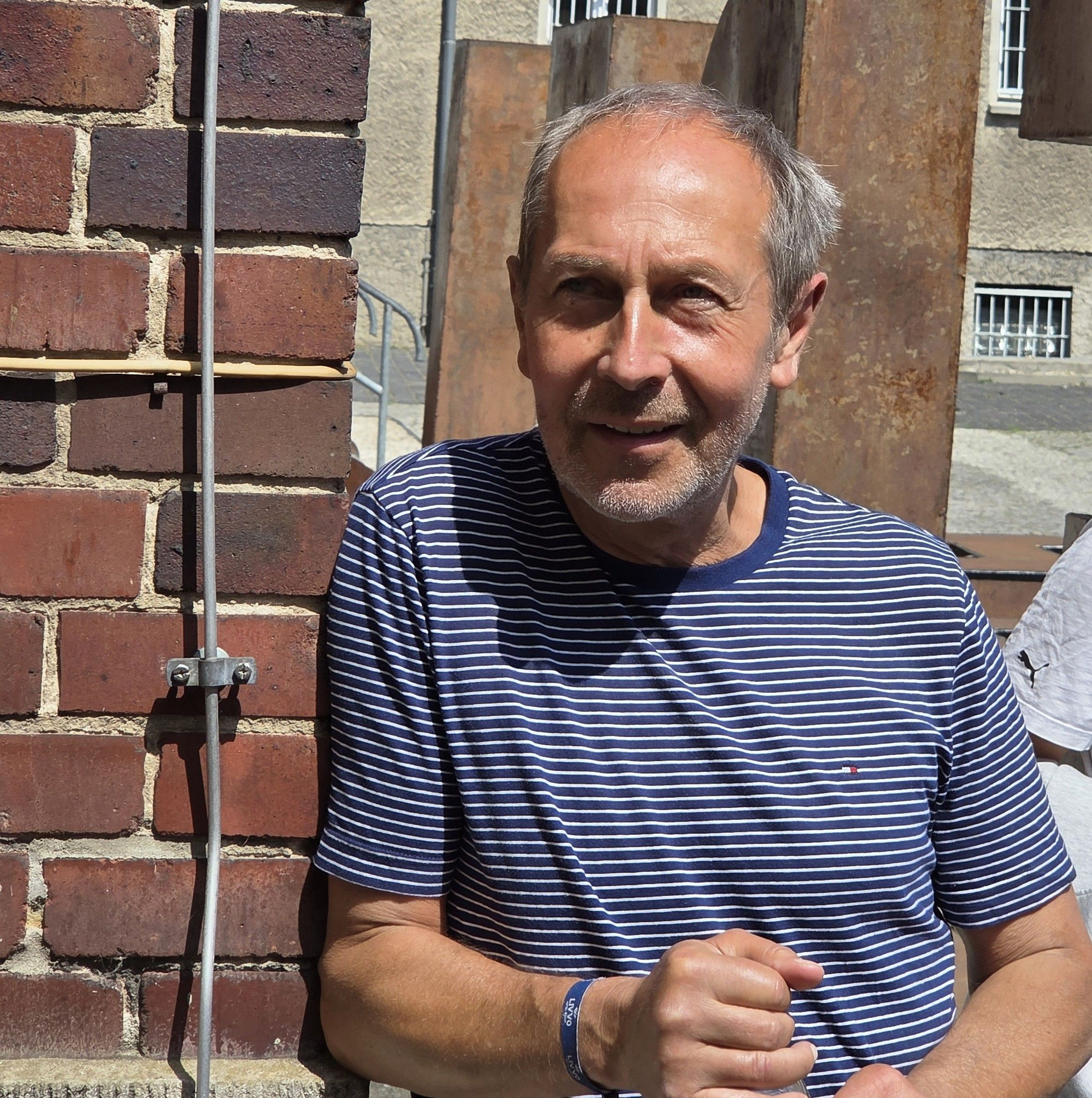
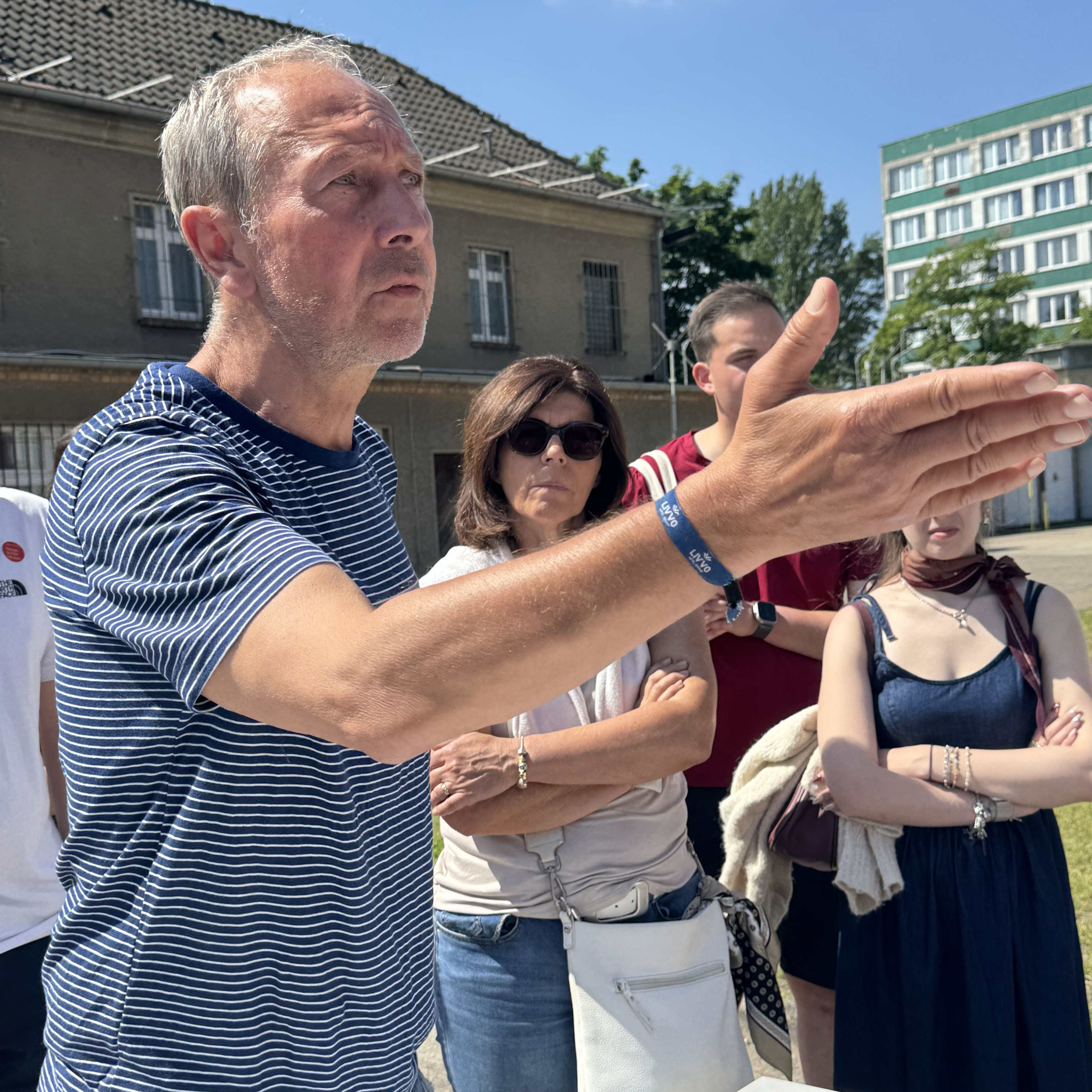
Can one speak out against injustice? One must! It is therapy and education all at once. As a contemporary witness, Hendrik Voigtländer spends an average of ten hours a week guiding people from all over the world through the Hohenschönhausen Memorial. The "injustice" he had committed: As a native of Quedlinburg (former East Germany), he wanted to regularly visit his grandmother, who lived near the Kurfürstendamm in West Berlin, for coffee. Furthermore, he wondered why his application to travel to Cuba had been rejected, while the director of a large seed company was allowed to travel to Amsterdam. A school friend also dreamed of the big wide world and came up with the idea of escaping to freedom from Bulgaria across the border into Turkey. That was in September 1988.
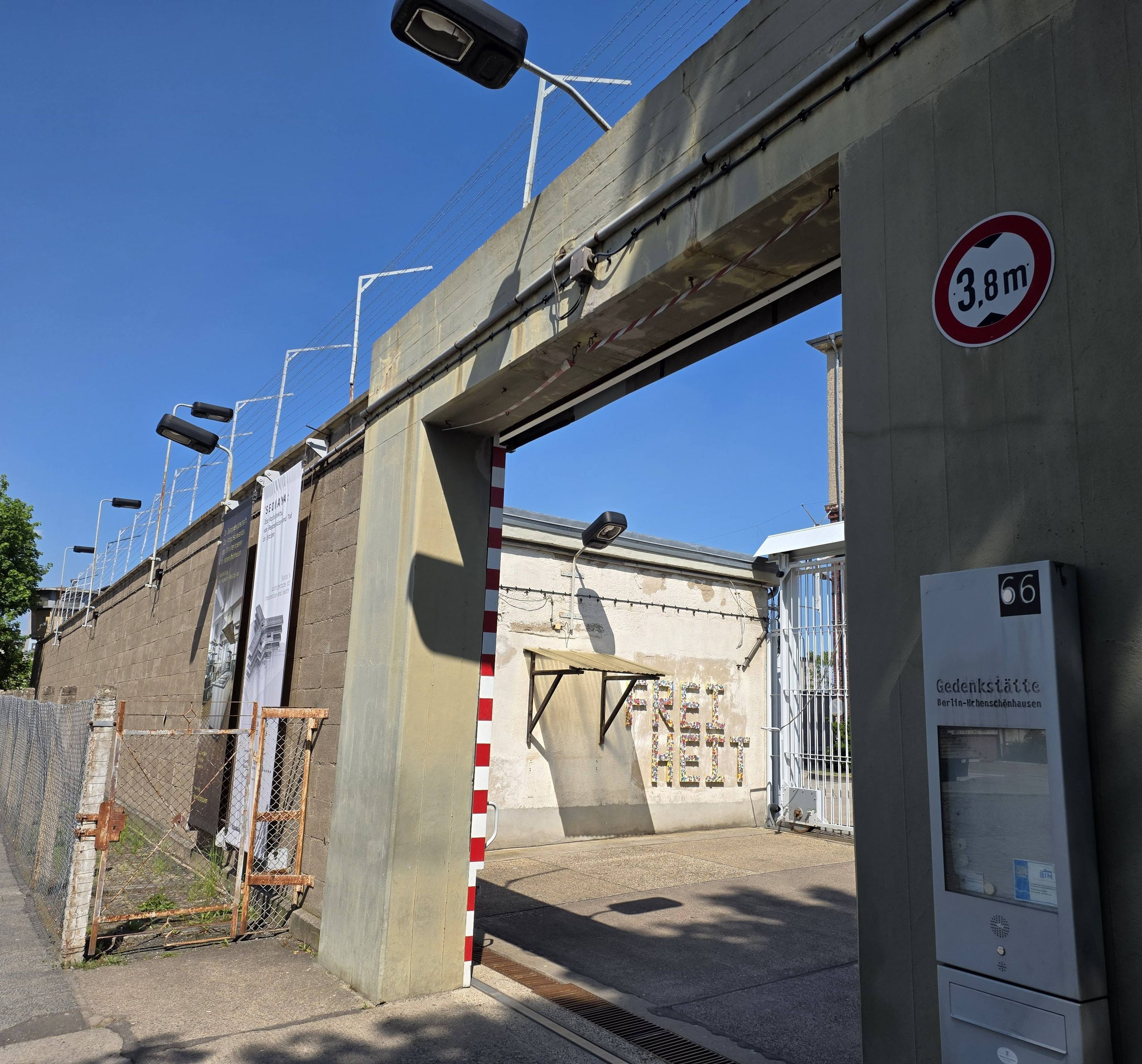
Today, in the former Stasi remand prison in Hohenschönhausen, Voigtländer talks about carefree vacation days in Burgas on the Black Sea. "We made friends with people from the Hamburg area." On the tenth day, they set off from their accommodation into the Strandzha Mountains - "to hike and explore the mountain world," according to the official version. Dressed in their best Western clothes, including quartz watches, and equipped with two maps - one from the GDR and one from Bulgaria - the two 24-year-olds from Quedlinburg set off. First, they took a bus, then they planned to hitchhike to Turkey, disguised as West German tourists. Since there were no cars, they walked on foot in the heat along a lonely country road in an area unknown to them. A sign reading "Istanbul 350 km" raised doubts about how they would manage it. Then a bus arrived; Voigtländer stopped it against his friend's wishes. The two got on. The bus passed a border post without any inspection. The two caught a brief glimmer of hope, completely unaware that they were still 13 kilometers away from the actual border. The disillusionment followed promptly: just a few meters further on, the bus stopped. Step out and wait. Armed border guards arrived, sacks were pulled over their heads, and the two Republikflüchtlinge (defectors from the GDR) were shoved into a car. A journey into the unknown began - the start of a psychological ordeal and systematic dehumanization.
According to current historical research, around 2,000 East German citizens attempted to escape through Bulgaria toward Turkey or Greece. It is currently estimated that 500 escapes were successful. Approximately 1,500 GDR citizens were intercepted at the borders or on their way there, arrested, and subsequently extradited to the GDR's Ministry for State Security (Stasi). It is unknown how many people were shot dead while attempting to escape across Bulgaria's outer borders. Estimates put the number at several hundred.
Looking back today, Voigtländer explains why he even imagined this escape could succeed. A few years earlier, he had traveled with a tour group to southwestern Bulgaria. They visited the famous Rila Monastery, which offered a magnificent view of the mountains. Two Bulgarians approached them and said in accentless German: "Just a few steps from here and you are in Greece." There was no sign of border installations or border guards anywhere. Today, Voigtländer knows that the monastery is about 100 kilometers away from Greece. "It was a trap," he surmises today. "But back then, I thought the border between Bulgaria and Turkey was just as poorly secured as the supposed border to Greece."
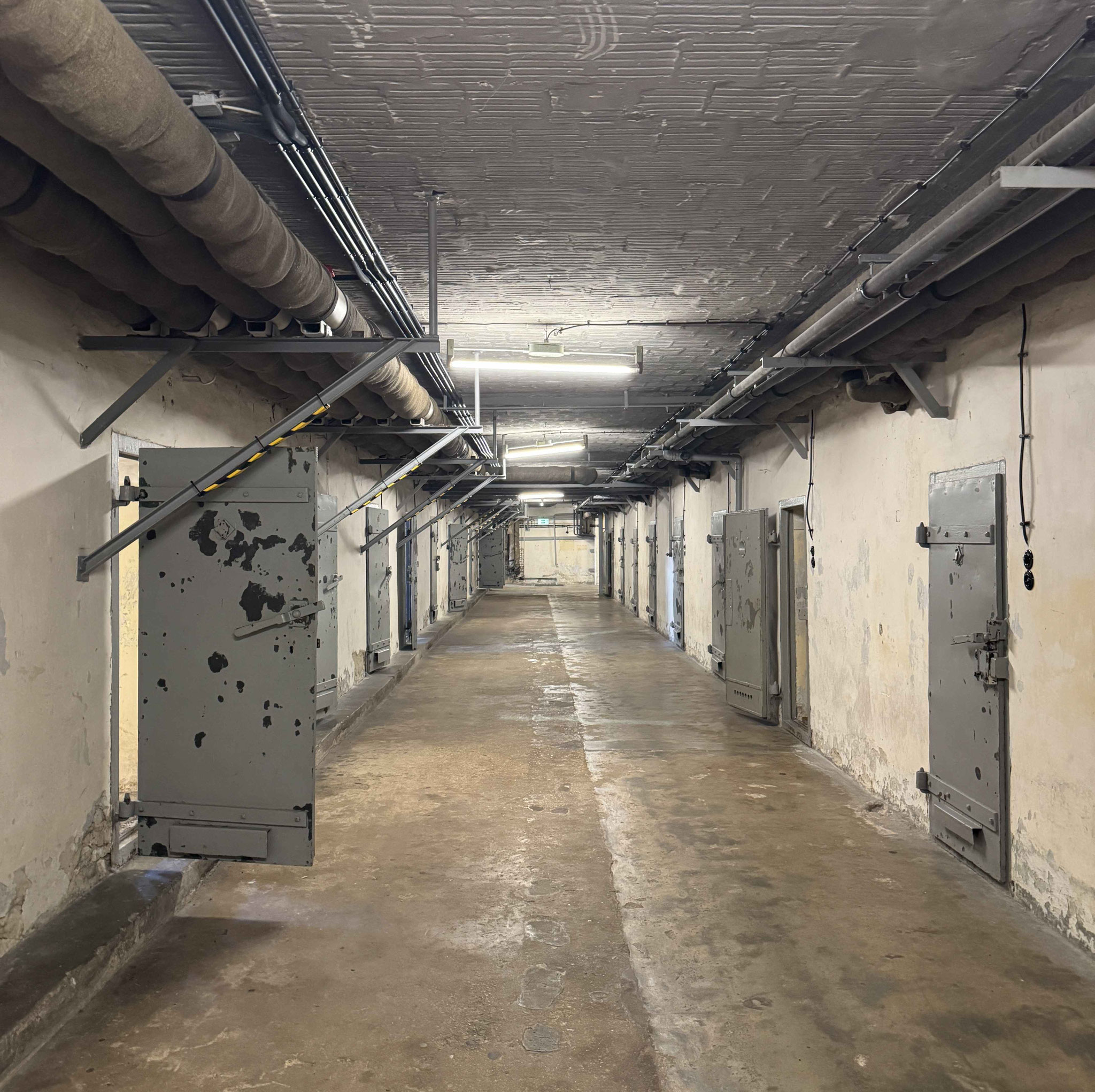
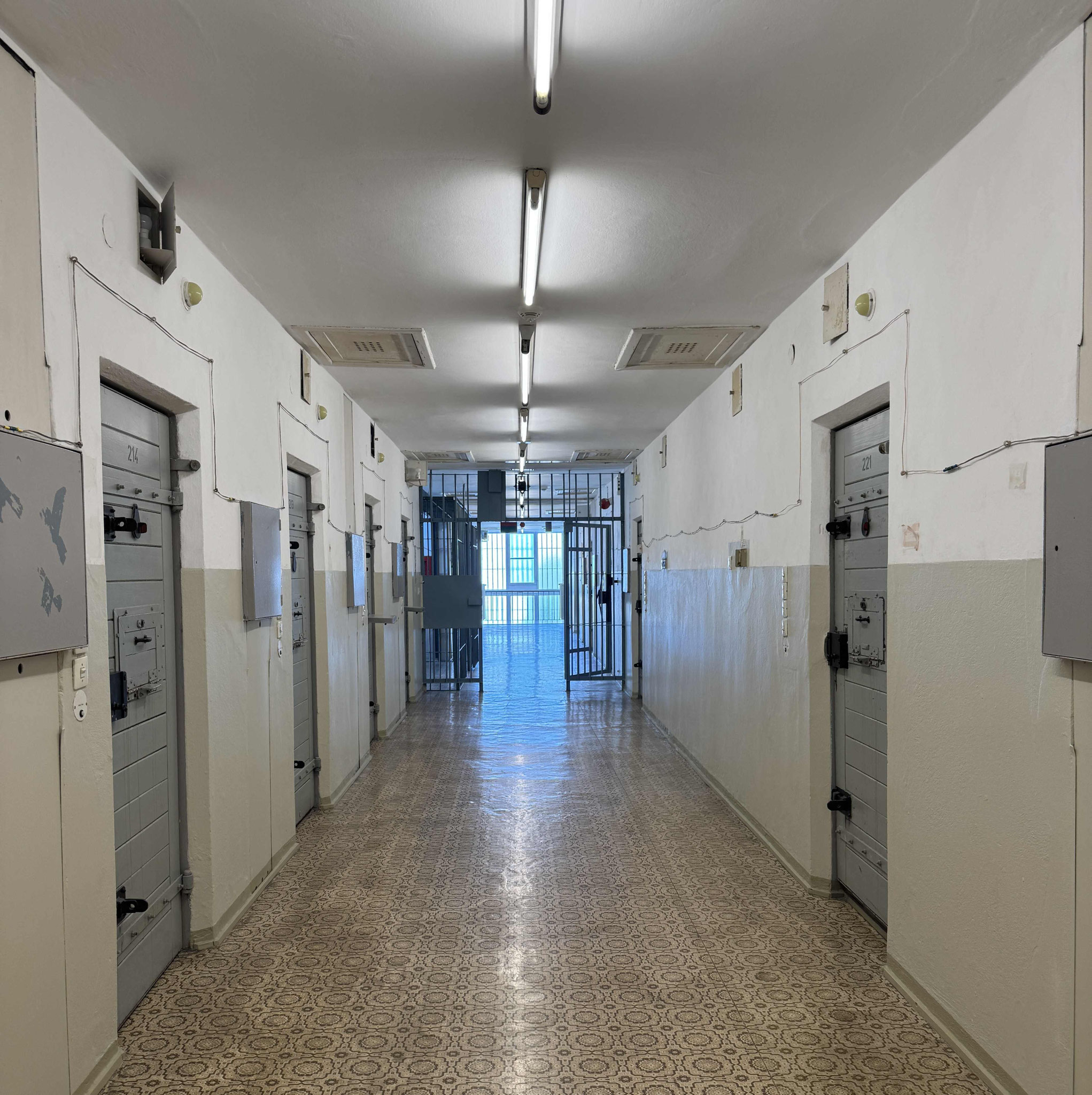
During his tours, Voigtländer explains how systematically people in Hohenschönhausen were "subverted" (zersetzt), how they were stripped of all dignity and rights, and how they were tortured - primarily psychologically. Following prison stays and interrogations in Malko Tarnovo (near the place where they were arrested), Burgas, and Sofia, they were flown back to Berlin-Schönefeld in handcuffs. Voigtländer emphasizes: "I didn't commit any crime, no theft, I didn't kill anyone, and yet I was treated like a dangerous criminal."
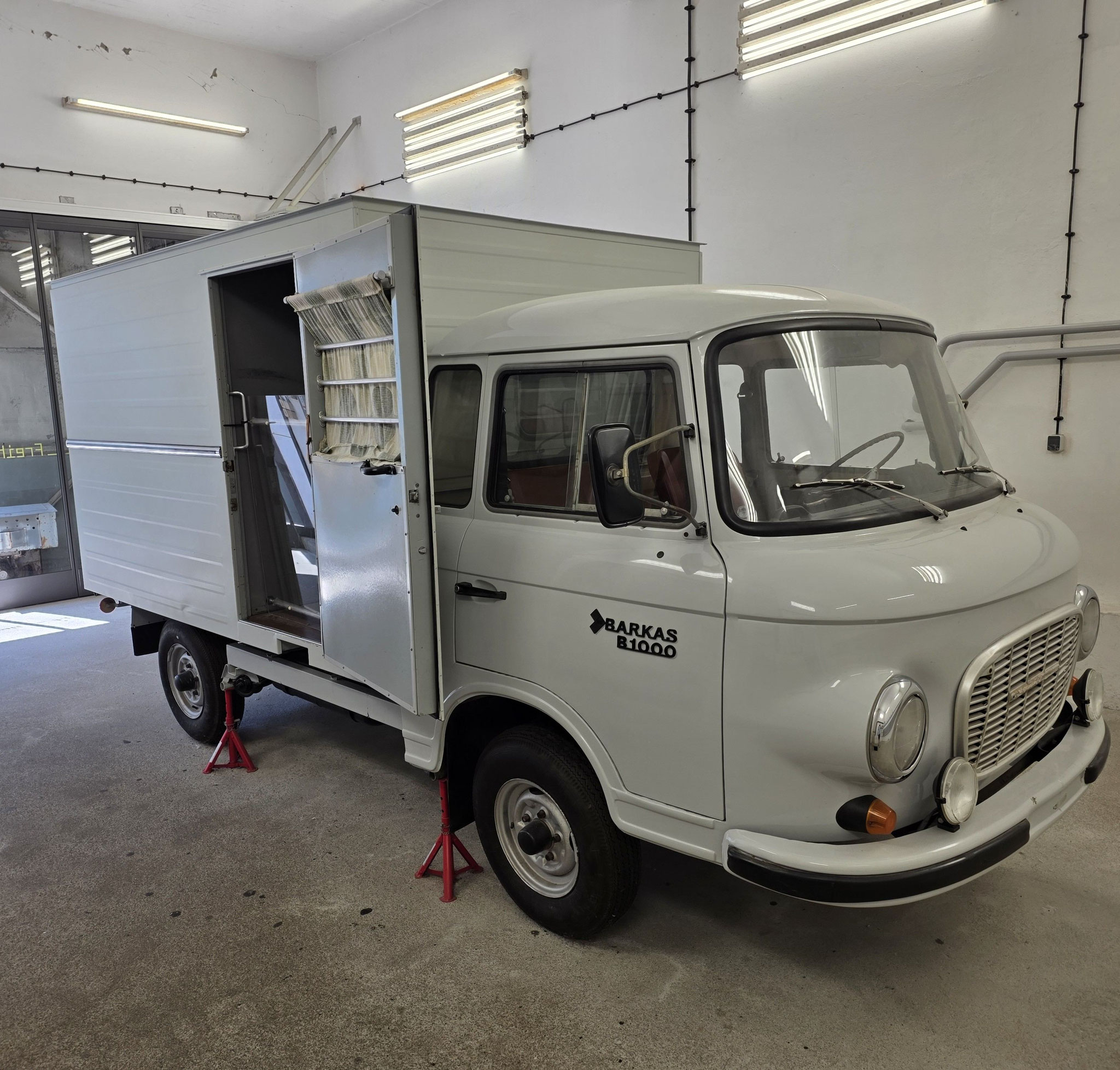
Today, at this historical site, he recounts his arrival in Hohenschönhausen in a cramped, dark individual cubicle of a prisoner transport van. The doors open; glaring daylight and loud shouting leave him disoriented. This was followed by humiliating full-body searches and nerve-wracking interrogations, during which prisoners always had to sit on their hands to prevent any gestures or lightning-fast reactions. It was also crucial that prisoners always looked down. Eye contact or looking around for orientation was strictly forbidden.
Voigtländer was sentenced to one year and six months in prison for "attempted defection from the Republic under aggravated circumstances" (Republikflucht im schweren Fall). However, his freedom was bought out. His grandmother on Kurfürstendamm had pulled out all the stops to make this happen. His mother conveyed this message to him in code during one of her visits to the Stasi prison in Halle, but he understood. Voigtländer describes himself as a relentless optimist: "I always believed that I would be free one day. But once I knew I was being bought out, everything became easier to bear."
In May 1989, Voigtländer traveled to the West via Chemnitz and Erfurt. After a stay at the Gießen transit camp, he flew to West Berlin to have coffee with his grandmother. And then followed the great silence: His grandmother showed absolutely no interest in his escape story, nor in the torture and humiliation he had endured during 72 hours of interrogation and 7.5 months of detention in seven different prisons. "My grandmother wouldn't have been able to bear it either," he recalls today. However, the lack of interest extended beyond the family: "Nobody in West Germany wanted to hear my story back then. Nobody wanted to know anything about my work as a sailor on the Baltic coast either. That was very disappointing for me."
Voigtländer built a new life for himself. In the 1990s, he organized the "Miss World Germany" pageants. Later, he operated and organized weekly markets in Berlin. And he traveled around the world. "The most important thing for me, though, was to enjoy life and have fun." The topic of his escape and imprisonment lay dormant for twenty years. For the past eleven years, Voigtländer has now been working as a contemporary witness at the former Stasi remand prison in Hohenschönhausen.
Today, Voigtländer tells his story to anyone who is interested. His Stasi file comprises 1,014 pages. What went on inside his head and his thoughts is not recorded in any file. He talks about Mike and Iwan from the prison in Sofia: Iwan was not only gay and approached him in the mini-cell, but he was also an employee of the secret service, as Voigtländer suspects, spying on his fellow inmates. Mike was a competitive athlete who did endless push-ups on his thumbs. Voigtländer is still in good contact with his former fellow inmate. "He came to the memorial site once. Then never again. He is so traumatized that he cannot return to this place of horror, let alone give tours as a contemporary witness."
Voigtländer wants to ensure that history is not forgotten. "When I meet people who glorify the GDR, I can only say: Go to Hohenschönhausen and look at it yourself."
People hang on Voigtländer's every word during his narrations. And with every tour, he retroactively proves to his grandmother that there is, after all, a great interest in his escape.
Note: I met Hendrik Voigtländer at the Hohenschönhausen Memorial in Berlin before my trip to Bulgaria. On my trip, I rode my bicycle on what was probably the exact same road he walked on with his friend nearly 38 years ago. Their goal: freedom. The border police here, at the EU's outer border, maintain a presence far inland. On a hill in the Strandzha Mountains, I passed a small border post. It was freshly painted, but the architecture looked old. I immediately thought: This could be the border post Hendrik Voigtländer talked about. Two Border Police officers stood outside. I stopped and asked questions - which apparently seemed suspicious to them. "Your documents!" I handed them my ID card, with which they disappeared into the booth. They made several phone calls; I kept hearing my name but understood nothing else. After about ten minutes, I got my ID back - accompanied by an unmistakable gesture and an urgent warning: "Only village, no border." I decided it was better not to take a photo of the booth after that.