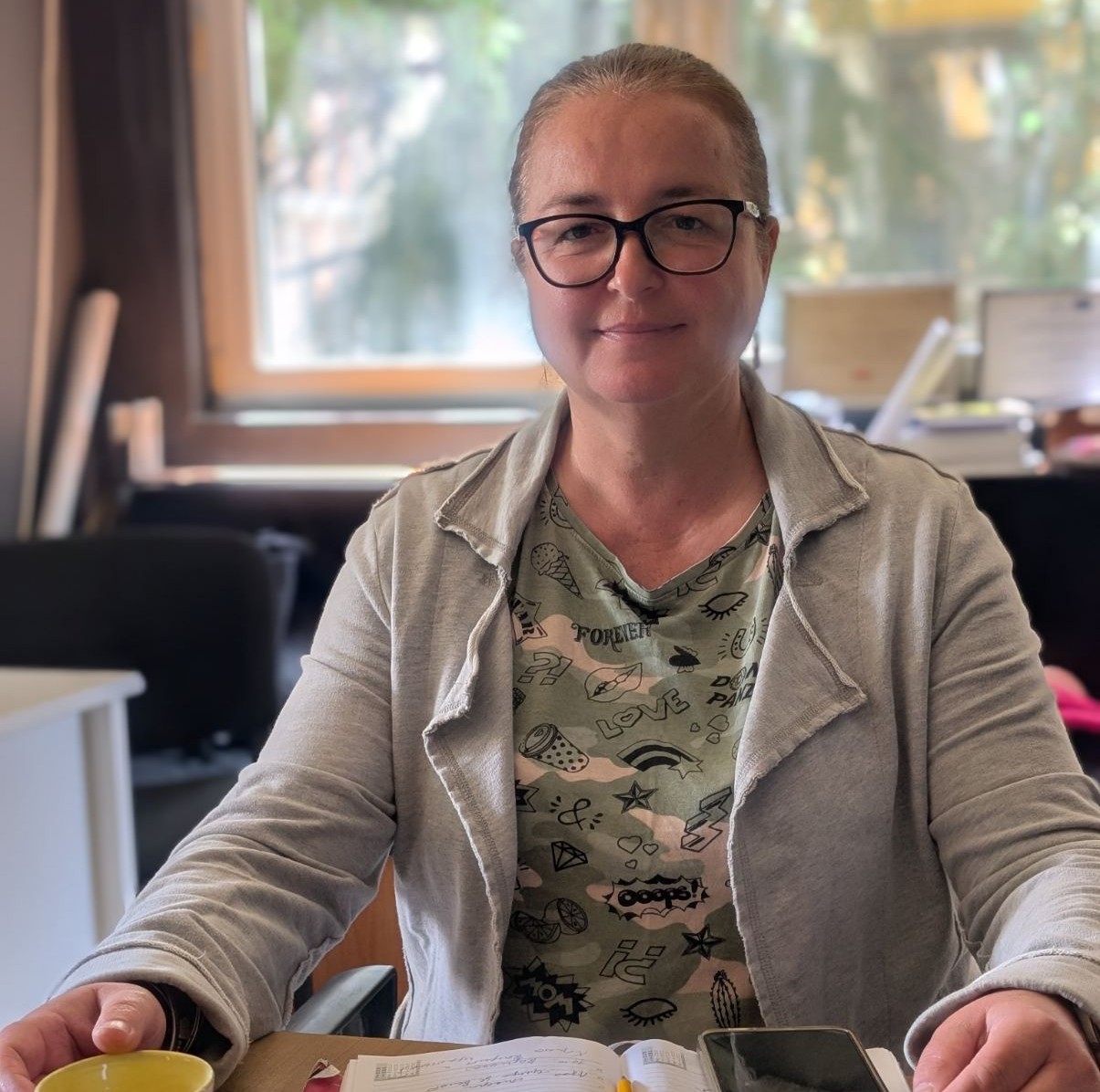
When speaking with Radostina Tzenova about nature conservation in Bulgaria, it becomes immediately clear that deep expertise meets genuine passion. Already during her school years, she focused on biology at her high school in Burgas. Following her subsequent university degree in ecology, she joined the Bulgarian Biodiversity Foundation (BBF) in 1998 – a decision that marked the beginning of a success story spanning nearly thirty years. She looks back on an era in which she has significantly shaped regional conservation and the monumental European Green Belt initiative.
Pioneering Work in the Strandzha Nature Park
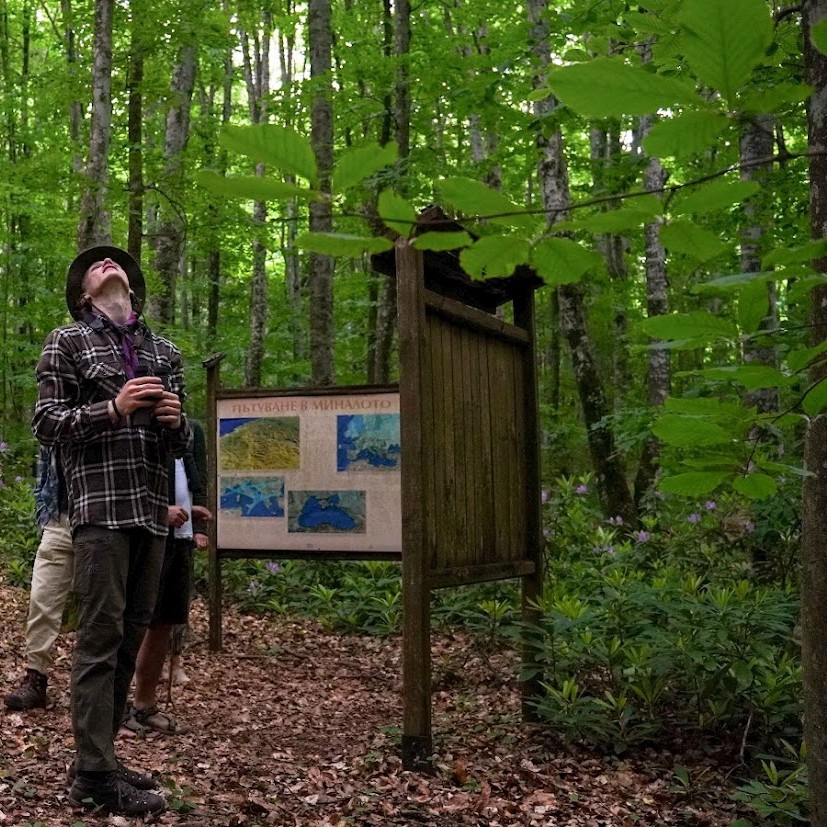
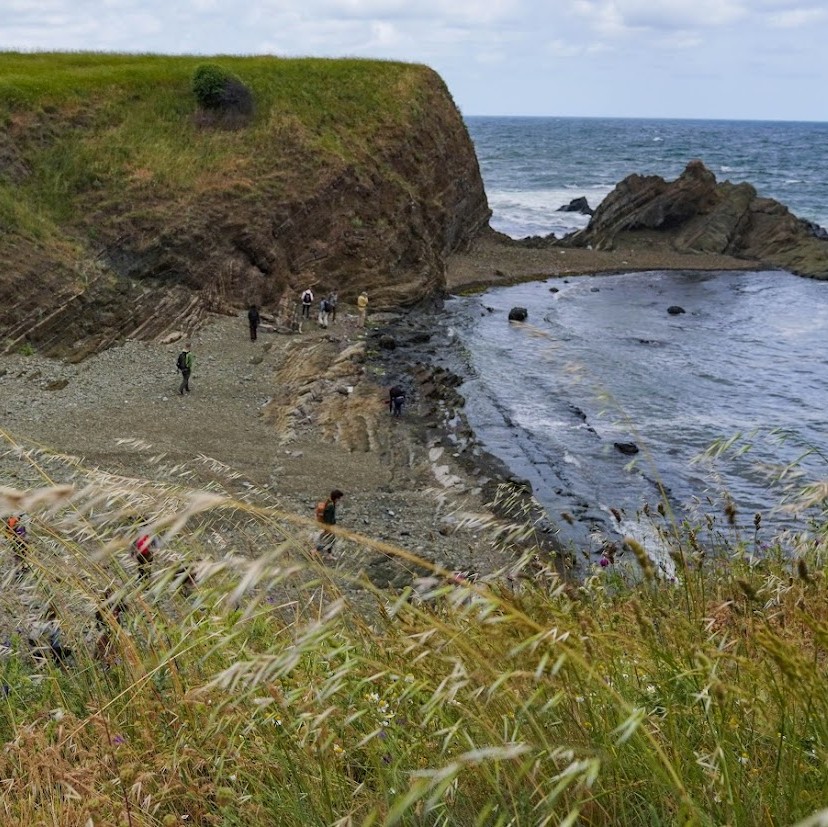
A milestone that continues to define Tzenova’s work is deeply intertwined with the pristine Strandzha Nature Park. Covering an area of 1,161 square kilometers, the nature park – originally founded in 1995 – is the largest protected area in Bulgaria and accounts for roughly one percent of the entire country. When the BBF began drafting the management plan for the park in 1998, the team was entering completely uncharted territory. Strandzha is unique within Bulgaria: it is the only nature park that encompasses 21 inhabited villages and settlements within its boundaries. Conservation here could never be enforced against the local population; it had to be built with them.
This was anything but easy in the beginning. After decades of living in a strictly guarded, isolated border zone next to Turkey, the local population met the conservationists with deep suspicion. “The concept of modern nature conservation was simply too new and modern for the local people at the time,” Tzenova recalls. “People were suspicious because they had spent years living in an isolated restricted zone and working closely with border guards. Yet, that very decades-long closure during the Cold War turned out to be a stroke of luck for nature – it saved the region from destruction.”
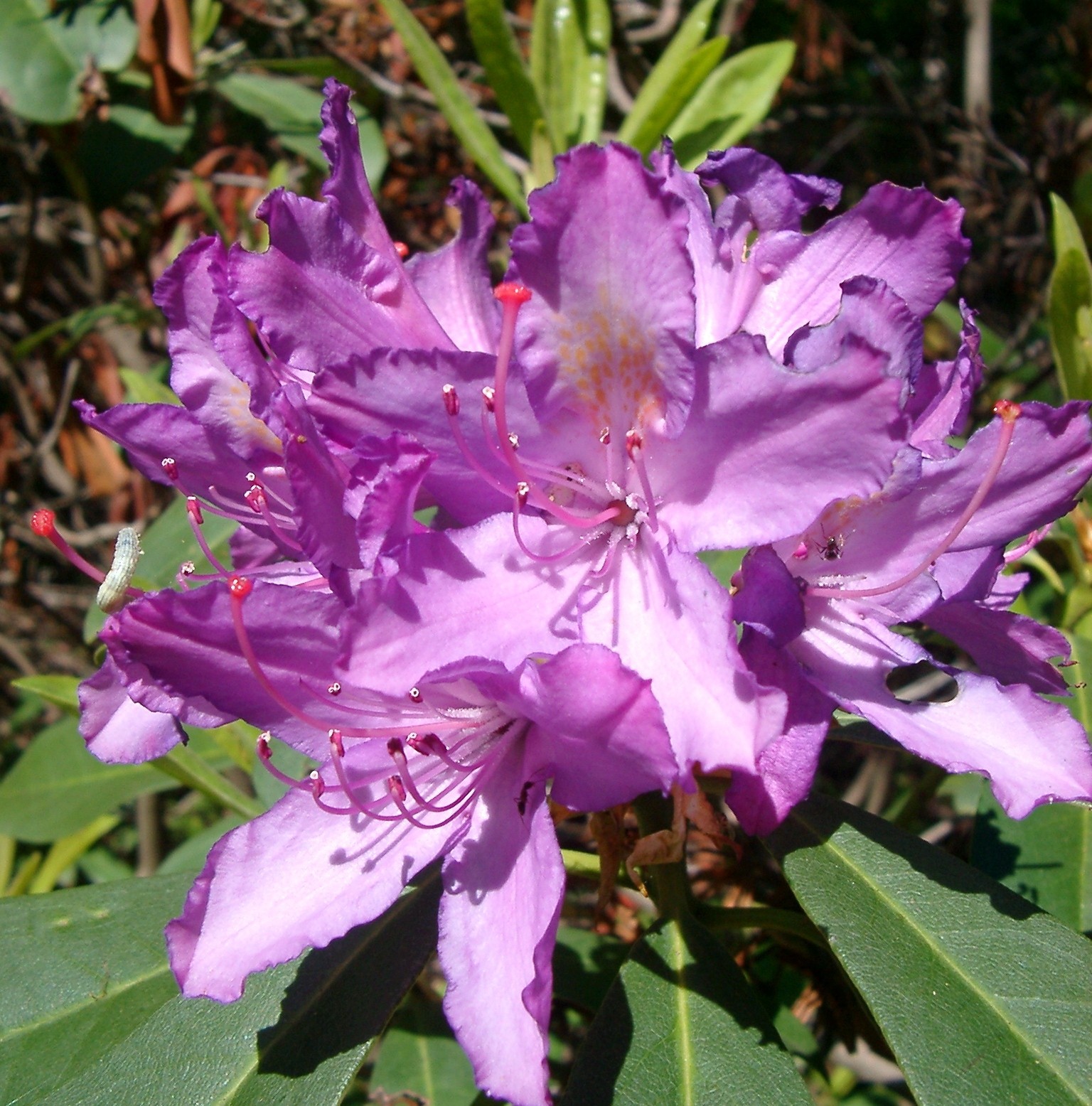
In addition to this, the area boasts a unique geological history: the Strandzha Mountains were spared from the climate shifts of the Ice Age glaciations, serving as a refuge for species that had long gone extinct in the rest of Europe. Ancient relic species, such as the famous Strandzha Rhododendron, managed to survive in these dense forests.
Tzenova and her team remained committed to a bottom-up approach and convinced the community step by step. Their success proved them right: in 2007, the Nature Park was officially designated by the Ministry of Environment. “We were and still are incredibly proud of this, because it was our very own success, fought for from the ground up,” Tzenova emphasizes.
Turning Smugglers into Guides
The concept of the "Green Belt" – transforming the former Iron Curtain into a vibrant ecological corridor – runs like a red thread through Tzenova’s international portfolio. To anchor these hidden natural treasures in the collective memory, she launched a unique touring photography exhibition. Under the evocative slogan “Forgotten, Forbidden”, professional and amateur photographers captured raw imagery of the once inaccessible border regions. The exhibition traveled throughout the entire Burgas region, creating a significant impact, even culminating in a formal presentation attended by the Swiss Ambassador.
Under her leadership, the BBF became a highly respected member of the European Green Belt Association. Tzenova’s vision always extended beyond Bulgarian borders. In the Belasitsa Mountains, where the borders of Bulgaria, North Macedonia, and Greece meet, she coordinated pioneering cross-border conservation initiatives. One specific initiative took place around 20 years ago: the foundation helped retrain local individuals, who had previously been involved in illicit border movements and smuggling, into certified nature and tourist guides. It was a visionary attempt to create sustainable green economic perspectives in an under-developed region.
An Unwavering Battle of Passion
Despite all these milestones, Tzenova’s daily work is still shaped by tough bureaucratic and ecological battles. Immense development and building pressure along the park's coastal zones is omnipresent, and fluctuating timber prices repeatedly lead to aggressive commercial logging in protected forests. To make matters worse, due to conflicting political lobbies, the finalized management plan for Strandzha has still not been fully accepted by all state institutions.
The financial instability of the NGO sector also requires immense staying power. “There were also phases when I had no income at all,” she reflects. Yet, listening to Tzenova reveals that giving up is never an option. Her hometown of Burgas, where one can spot flamingos, pelicans, and storks right outside the city limits, gives her new energy every single day. “Of course, it is frustrating sometimes when you have to fight the same battles for years on end,” she admits openly. “But when you look at what we have already achieved and how things are changing, you know exactly why you do this job.”