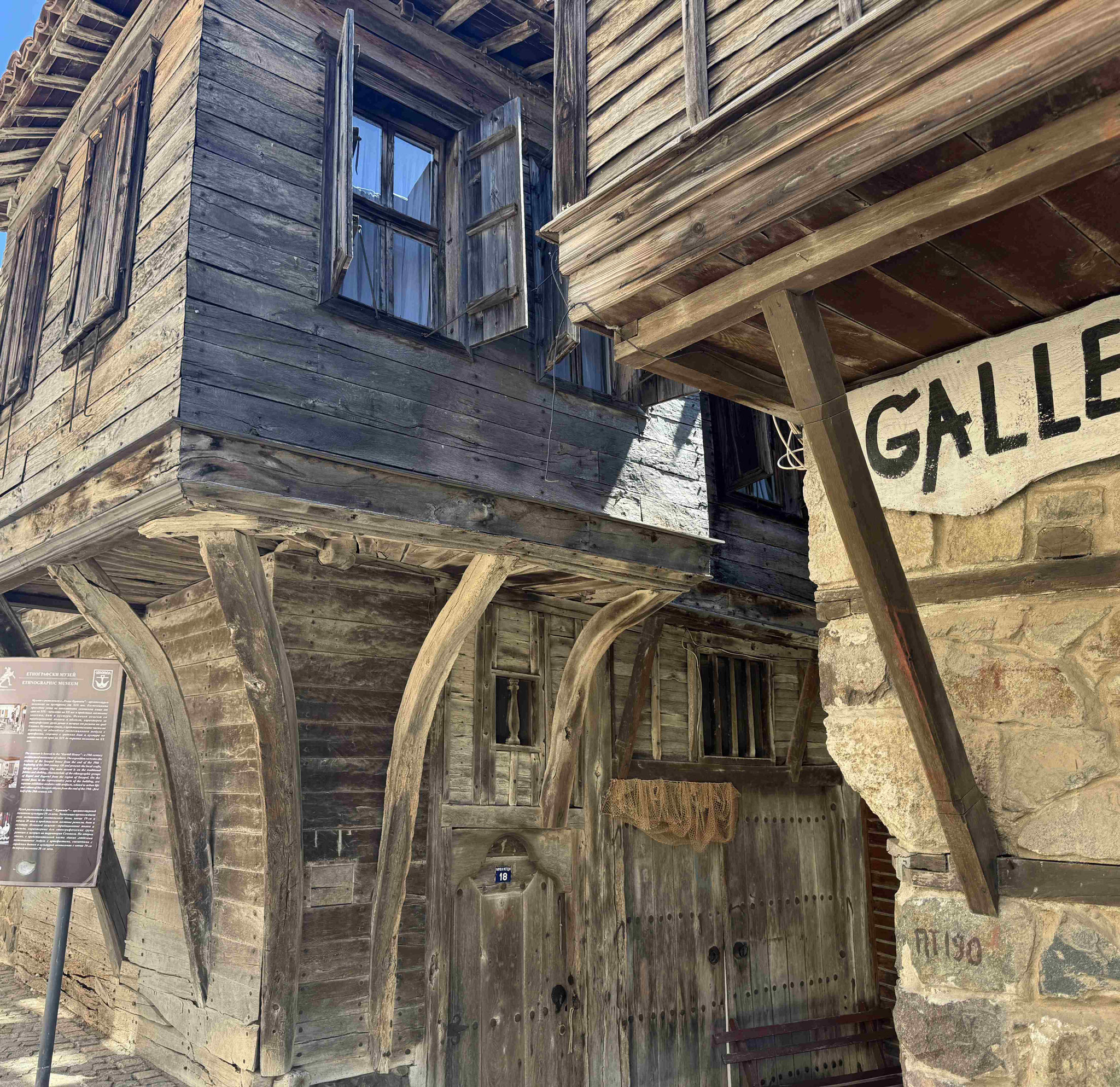
Every late summer for the past 42 years, the Apollonia Festival of Arts has transformed the Black Sea coast into a vibrant hub for art and culture. The venue is picturesque Sozopol – one of the country's oldest towns, which today has a population of around 4,500 and is located on a rocky peninsula of the Black Sea, about 35 kilometers south of Burgas. In the following interview, festival director Margarita Dimitrova talks about the fascinating transformation of a once heavily restricted Eastern Bloc border zone into a space of artistic freedom, and about the bridges that art continues to build to this day.
Sozopol is a vibrant tourist destination, yet it lies in a region that feels remote and quiet for much of the year, especially moving further south toward the Turkish border. What does it mean to organize a festival of this magnitude in such a specific, almost "peripheral" geographical location?
The Apollonia Festival of Arts, is the largest and most popular Bulgarian art forum. The first edition of the festival was held 42 years ago in Sozopol, one of the oldest Bulgarian cities, dating back from the Bronze Age. Organizing the Apollonia Festival of Arts in Sozopol is meaningful because the town is geographically peripheral relative to Bulgaria’s political and cultural center Sofia. The festival transforms periphery into cultural center, temporarily reversing the cultural space in Bulgaria.
The unique ancient atmosphere of the city is an inspiration for all forms of arts, from music – classical, traditional and jazz, through theatre, dance, plastic art, literature, poetry and cinema presented by the best Bulgarian artists and guest performers from abroad. Apollonia asks artists and audiences to travel toward the Black Sea edge of the country. The act of movement matters – culture is not delivered from the capital, it is relocated.
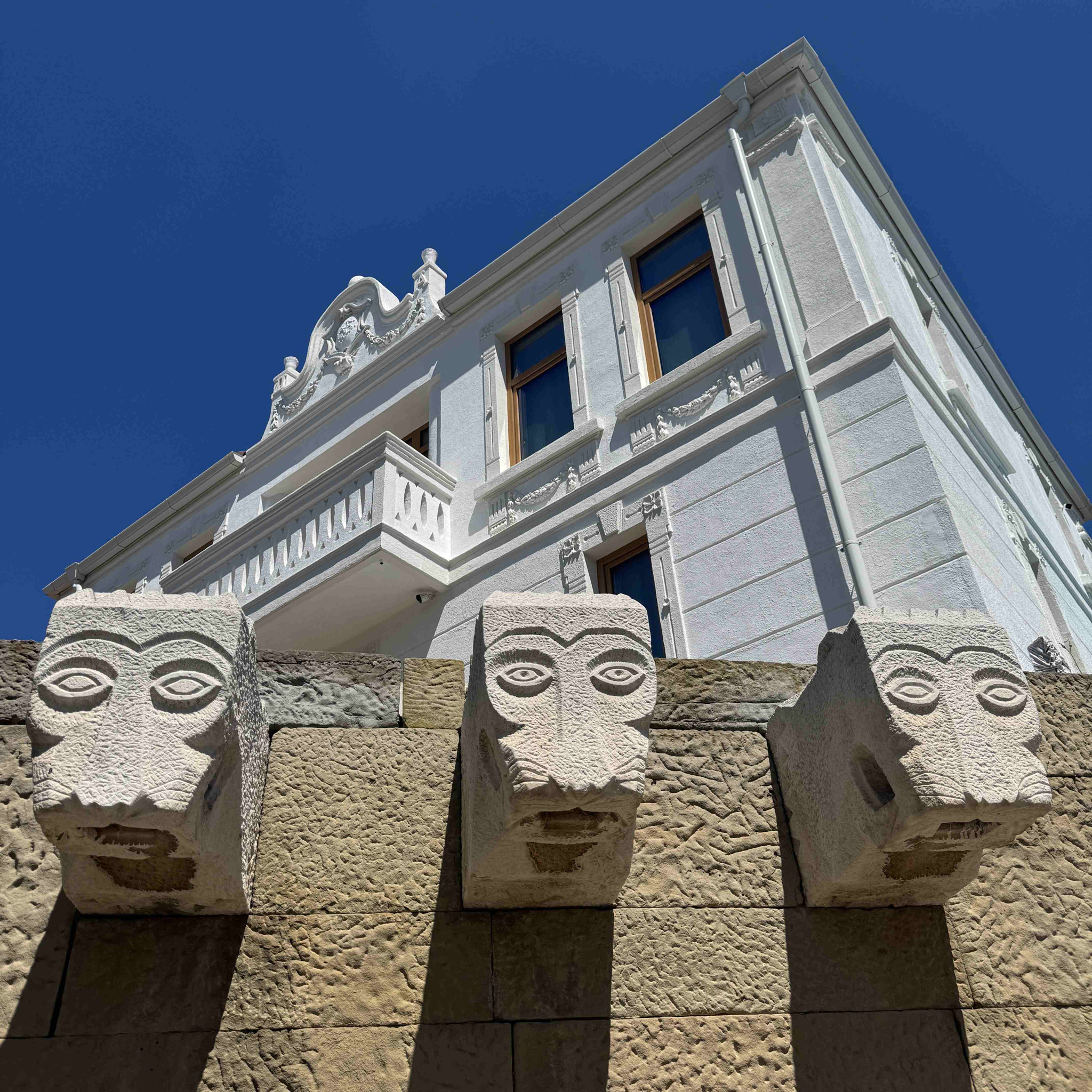
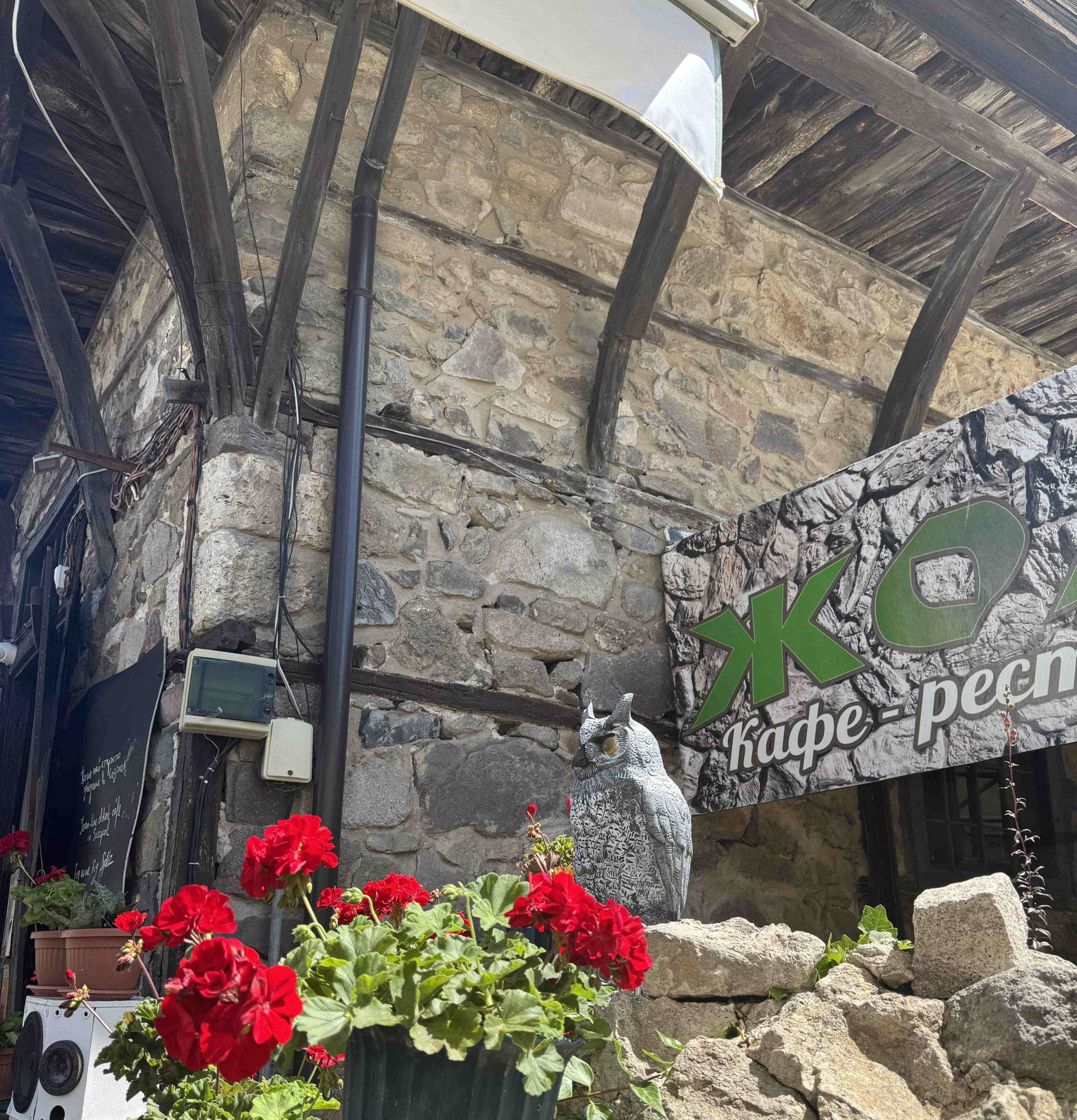
The city is a place of contrasts, it carries the weight of centuries while living in the present, especially during the tourist season. The contrast is what defines its atmosphere. The location is not just geography, Sozopol, the Greek colony of Apollonia Pontica is a border space historically: between civilizations, trade routes and languages. Having a contemporary arts festival there reconnects modern Bulgarian culture with an older Mediterranean and Black Sea cultural memory. High art appearing in a small seaside town creates productive tension. Chamber music in narrow streets, poetry readings near tourist cafés, theatre beside fishing boats – it makes culture feel more lived.
During the era of the Iron Curtain, this coastal region was heavily restricted. How did the founding of Apollonia 42 years ago help to transform the perception of this "border zone" into a space of artistic freedom?
Naturally, during the Cold War, part of the coastline functioned as a frontier zone of the Eastern Bloc and, for that reason, was restricted and ideologically guarded. Establishing a multidisciplinary arts festival in Sozopol meant reimagining a border territory as a cultural meeting point rather than a defensive edge.
Under the Iron Curtain, borders represented control and suspicion. Apollonia Festival of Arts in the beginning carried a quiet but profound symbolic charge because the southern Black Sea coast of Bulgaria was above all politically sensitive. Apollonia introduced gathering, dialogue, exchange and experimentation. The festival created an atmosphere that felt more cosmopolitan than everyday public life. The Black Sea coast connected Bulgaria to Greece, Turkey and the Mediterranean world. Apollonia revived the older meaning of the coast as a place of circulation and encounter. The sea stopped functioning only as a guarded frontier and became a metaphorical horizon again.
In Sozopol, artists, writers, musicians, actors, and intellectuals could gather in ways that felt freer, more improvisational, and less bureaucratically rigid than official cultural institutions in the capital. The festival did not abolish censorship, but it created zones of relative looseness, ambiguity, and experimentation. Apollonia made Sozopol a destination for Bulgaria’s leading cultural figures, the border became a site of prestige and creativity. Crowds, performances, conversations, and night events fill the territory with voluntary participation rather than imposed control. The same streets and coastline acquire new meanings.
How has the festival changed the lives of the people who live in Sozopol year-round? Does the Spirit of Apollonia remain in the town even after the summer season ends and the winter silence returns?
The relationship between Apollonia and the year-round residents of Sozopol is complex because the festival does not simply visit the town – it has become part
of the town’s symbolic identity. A town once perceived primarily through fishing, seasonal tourism, and peripheral geography became associated nationally with culture, intellectual life, and
artistic prestige. This changes how residents understand the value of their own place. The town is no longer only a resort on the edge of the country; it becomes a recognized cultural
landscape.
The festival extended the meaning of the tourist season. It brought not only visitors, but artists, publishers, journalists, actors, musicians, and students. Over time, residents developed
memories tied not only to summer tourism, but to concerts, readings, exhibitions, and encounters.
Forty two years means entire generations in Sozopol grew up with the festival as a recurring reality. Children who once watched performances from balconies or worked seasonal jobs around the
events later became participants, organizers, or artists themselves. The festival became part of local history, not only national culture.
As for whether the Spirit of Apollonia survives the winter silence – in Sozopol, absence itself becomes part of the answer. Winter radically transforms the town. The crowds disappear, many businesses close, the sea becomes harsher, and the old streets recover their stillness. Maybe, precisely because the contrast is so strong, memory becomes very powerful there. Residents carry traces of the festival in stories, friendships, routines, photographs, posters, habits of gathering, and in the knowledge that the quiet town periodically becomes a national cultural center. I believe that the winter silence preserves the echo of the festival.
In your experience, how does culture act as a tool to soften former hard borders (like the nearby Bulgarian-Turkish frontier) and foster a shared European identity in such a historic
landscape?
In regions marked by former hard borders, culture often succeeds where politics alone cannot, because art changes the emotional meaning of space before institutions fully change its legal or geopolitical meaning. In the past, around Sozopol, the nearby Bulgarian-Turkish border was not merely a national frontier; it was part of the frontier between political worlds. Such borders leave psychological residues long after checkpoints become easier to cross. Culture softens these residues through several mechanisms. Music, literature, cinema and theater allow people to encounter one another not as representatives of states, but as participants in common human experiences. Apollonia Festival of Arts reactivate older memory of coexistence and exchange, reminding audiences that borders are historically unstable, while cultural interaction is continuous.
European identity emerges through learning how different memories, languages, and traditions coexist without erasing one another. Historic landscapes like Sozopol embody this principle physically – Orthodox churches, Ottoman traces, ancient Greek foundations and contemporary tourism all exist within the same spatial frame.
After four decades of dedication to this festival, what is the most rewarding "human moment" or connection you have witnessed that exemplifies why art is essential for this specific region?
Perhaps the most rewarding achievement for festival organizers is seeing that Apollonia has created continuity where the region itself often feels transient. Tourists leave, seasons change, political systems collapse, generations pass yet every September people return carrying memory, expectation, and attachment.
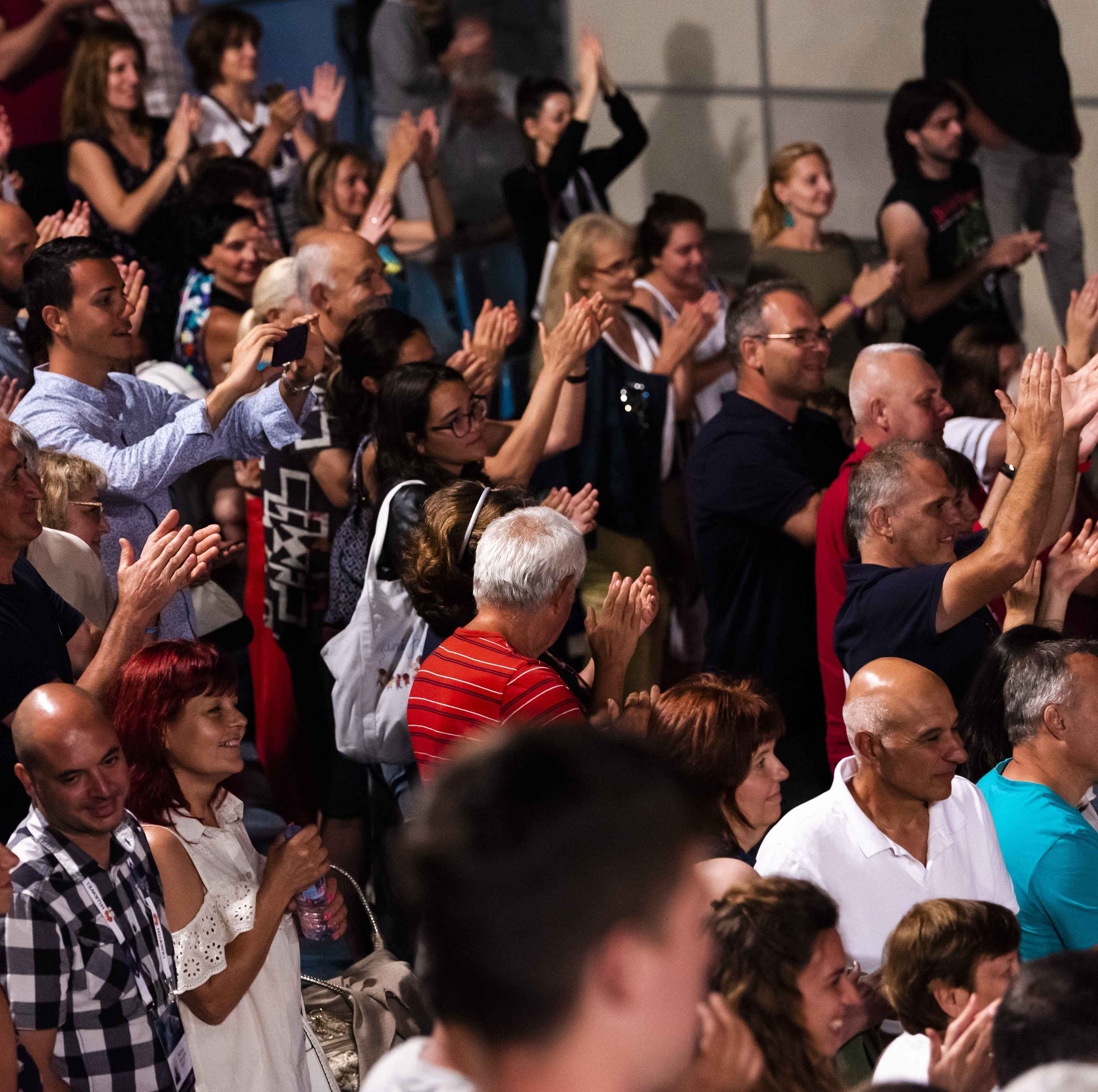
One of the most meaningful human moments in the history of Apollonia is often not found on the main stage, but in the unexpected encounters between ordinary people and the nation's creative elite, which the festival makes possible in Sozopol. Over more than four decades, many such moments have accumulated. And sometimes the defining image is very simple: after a performance ends, people remain in the streets talking long into the night instead of immediately dispersing. In a town historically shaped by borders and departures, the decision to stay, listen, and speak together becomes its own quiet cultural achievement.
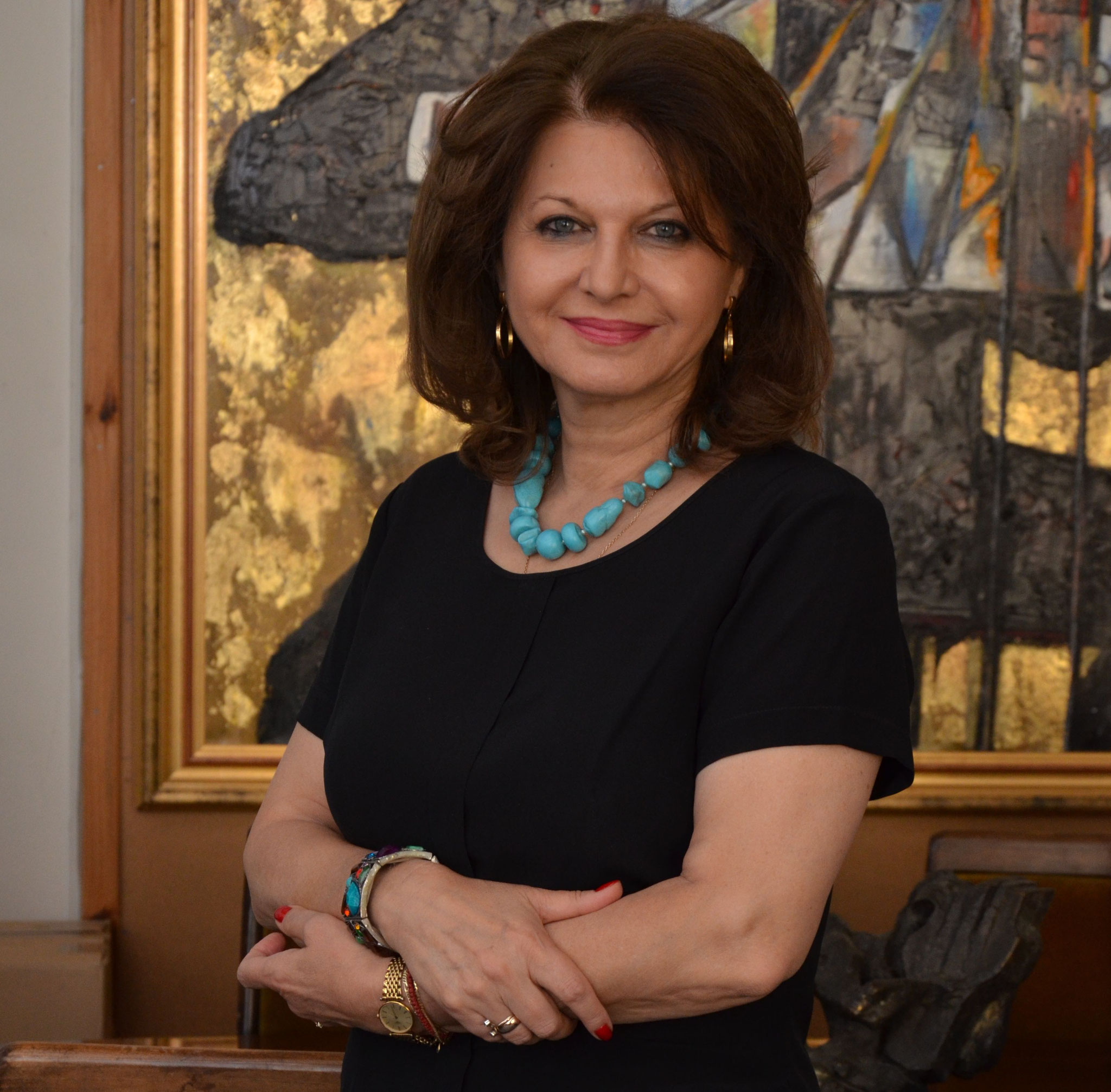
The questions were answered by Margarita Dimitrova
Executive Director of the Apollonia Art Foundation,
the main organizer of the Apollonia Festival of
Arts
As I was unfortunately unable to attend the festival in Sozopol in September, I submitted the questions in writing to the festival office in Sofia.