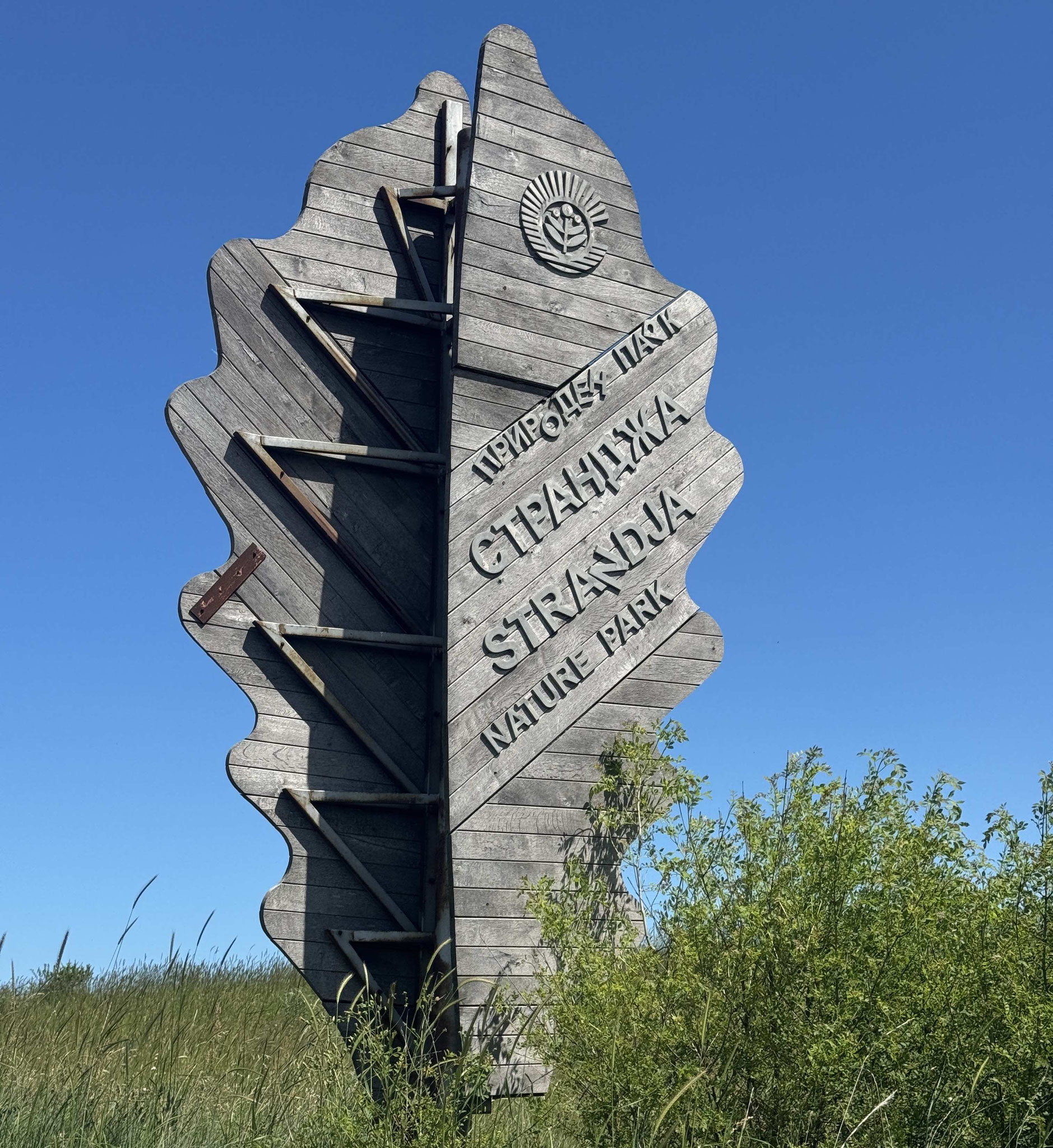
Why the Strandja Nature Park Needs Its People
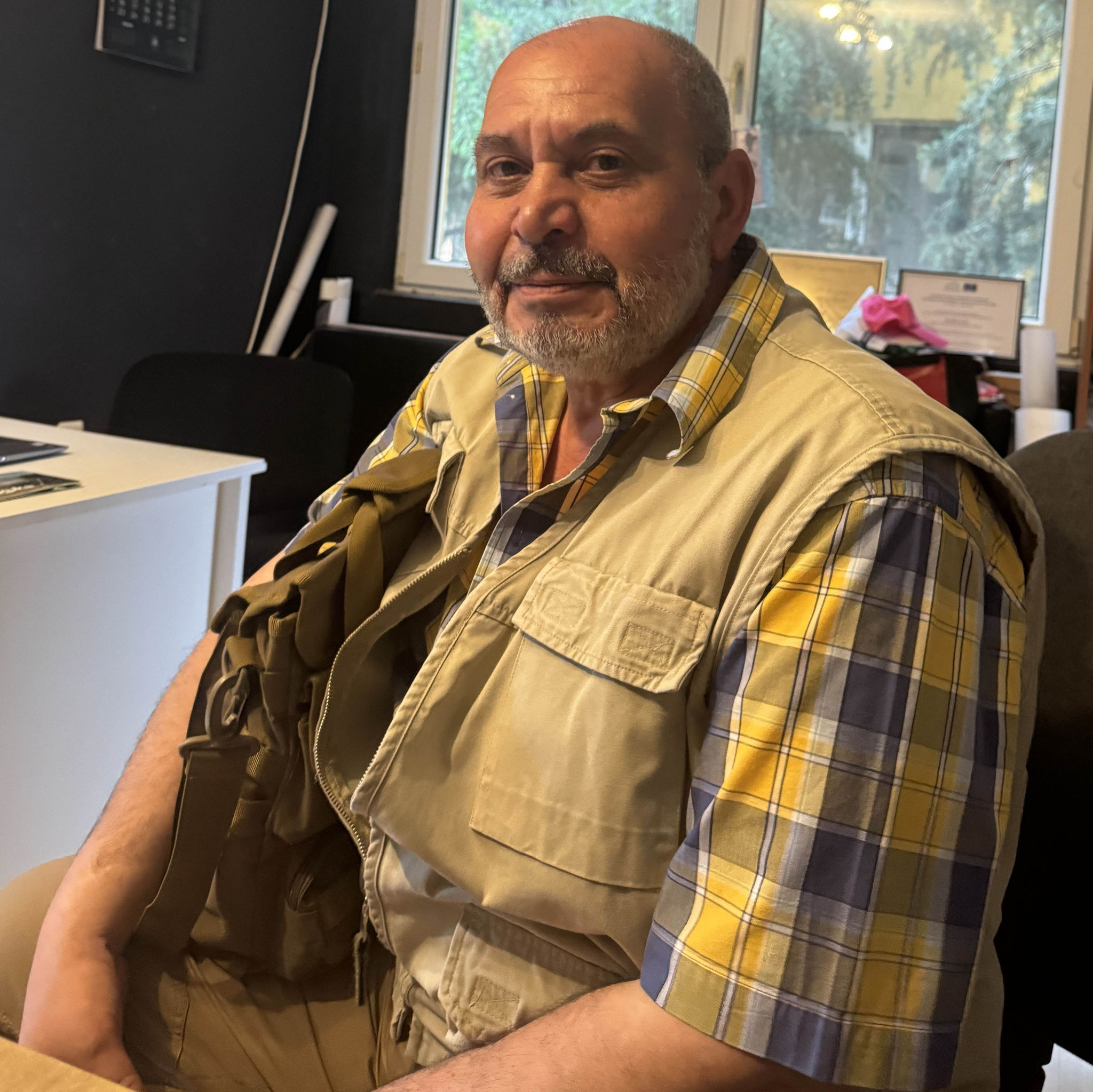
"The mountain range cannot function without its people," explains the director of the Strandzha Nature Park Neven Karavasilev. "Our primary goal is not the protection of forests and endangered species. Our absolute main task is to keep the local population, their traditions, and their unique culture alive. Currently, the population decline is so drastic that it has become an existential threat to the mountains themselves," the park director states, putting it in a nutshell.
In the Strandzha region, nature and human activity are deeply intertwined. Over centuries, traditional livestock farming and pastoralism have shaped a highly specific cultural landscape. When people disappear, nature changes radically – and not necessarily for the better.
Without human intervention, bushes and dense undergrowth gain the upper hand, causing crucial open habitats to disappear. This has a direct impact on the region's biodiversity. Open pastures, kept clear by local shepherds and their livestock, provide a habitat for numerous rare insects, reptiles, and birds. Majestic birds of prey nesting in untouched forests also depend on these open hunting grounds. Without the human element maintaining the dynamics of the food chain, these rare species simply cannot survive.
A new Pilgrimage Trail
To counteract further rural depopulation and offer local communities an economic future, the park management is focusing on sustainable tourism. For example, there are plans to develop an 80-kilometer hiking and pilgrimage route called the St. John Trail (Camino de Strandzha).
The trail utilizes old gravel roads and historic paths that wind through the dense forests and border regions of Strandzha. Karavasilev emphasizes that the project is supported by both the Orthodox and Catholic Churches. Pilgrims who complete the route will also receive a special certificate, comparable to the famous Compostela on the Camino de Santiago. Local guesthouses, small restaurants, and traditional catering businesses are integrated along the way, ensuring a direct income for the villagers.
The trail begins in Malko Tarnovo and has developed rapidly over the last two years; the final major finishing touches are happening right now. It targets a growing number of European travelers looking to discover the mountains' unspoiled beauty, unique customs, and local cuisine. Interestingly, a Danish couple acted as a major catalyst for the initiative: they contacted Director Karavasilev and helped launch a growing international hiking community.
In addition to hiking, the park management is launching a new, cross-regional mountain biking initiative, putting Strandzha on the map for adventure sports. "It is always a balancing act," says Karavasilev. "On the one hand, we want to protect nature; on the other hand, we must preserve the habitat for the people and provide income opportunities."
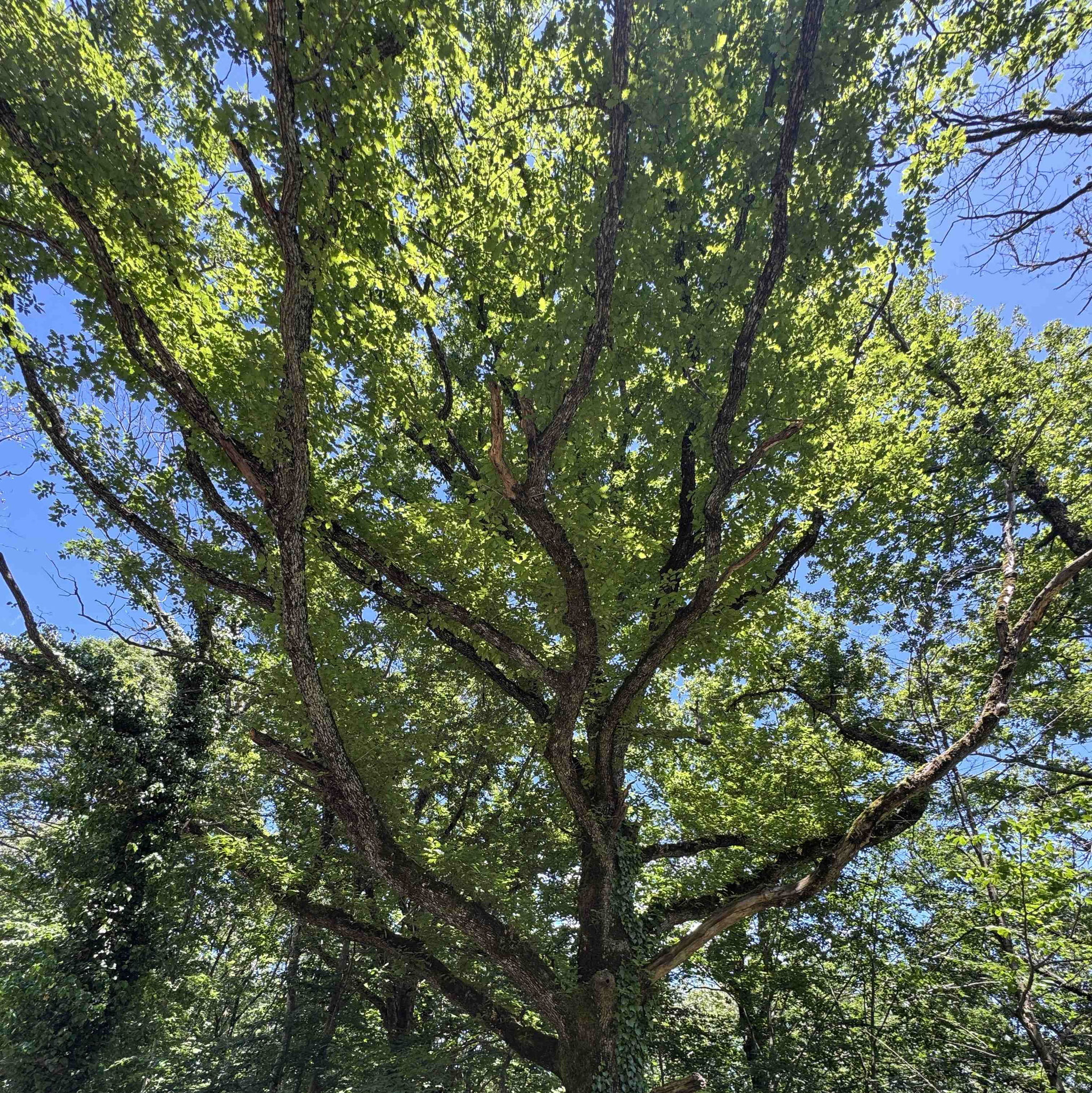
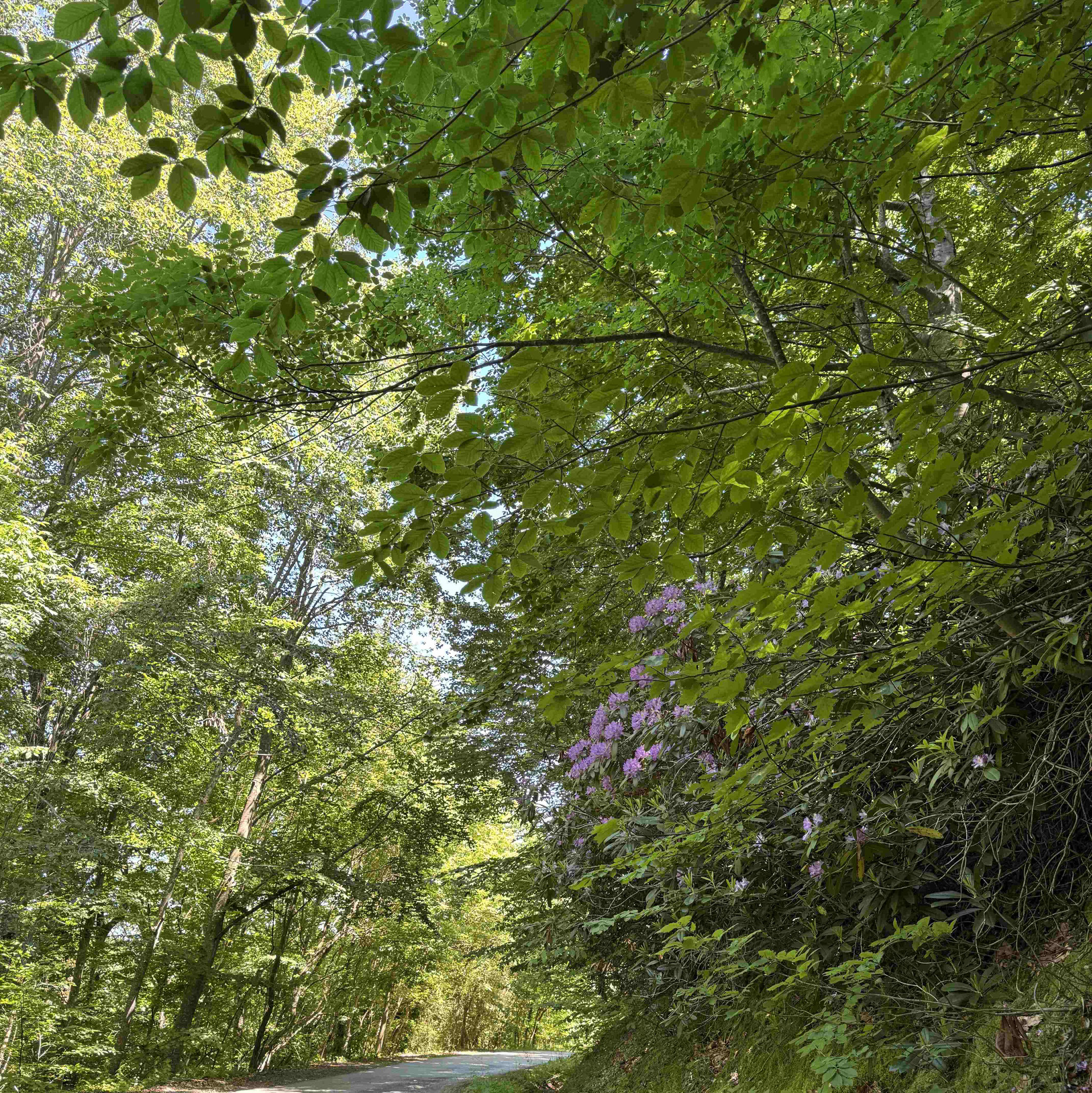
For nature lovers, Strandzha harbors a unique botanical treasure: it is the primary European habitat of the Strandja oak (Quercus hartwissiana) and the famous Strandzha rhododendron (Rhododendron ponticum). Both are rare relict species dating back to the lush, subtropical forests that covered Europe before the ice ages. "The Strandzha Nature Park is the only place in Europe where you can see these ancient, majestic oaks in their true element," Karavasilev says proudly.
Strandzha offers a glimpse into a living, ancient world. Every year on June 3rd, a unique, centuries old ritual takes place in the region, deeply intertwined with local mysticism and the cult of Saint Constantine and Saint Helen. The ritual includes a procession in which locals dressed in traditional attire carry sacred icons from five surrounding villages to a hidden, holy glade in the mountains. The evening culminates in the famous Nestinarstvo – the barefoot dance on glowing embers.
A Strong Partner for Slow Tourism: Zelena Strandja
The fact that gentle and sustainable tourism is increasingly gaining momentum in the Strandzha region is also thanks to initiatives like the "Zelena Strandja" (Green Strandzha) association. Founded by forest engineer and mountain guide Vladimir Dimitrov, the organization actively works to raise awareness for the threatened mountains and to revitalize the local economy through slow tourism. Dimitrov deliberately offers his guided nature hikes to the local population as well, helping them connect with the treasures right on their doorstep. "Many live so close to these wonderful mountains and do not know them. With our guided tours, we help people discover this region," Dimitrov explains. In addition to these excursions and various environmental protection activities, he created the "Tour Strandzha" trail - a roughly 180-kilometer hiking and cycling route that starts in the town of Elhovo near the Tundzha River and leads across the mystical mountains to the port town of Ahtopol on the Black Sea coast. This project connects the people of the region in a whole new way, as the association's founder emphasizes: "With our initiatives, we also want to promote exchange between the rural population in the mountains and the urban population." In this way, the initiative demonstrates on a small scale exactly what the park administration aims for on a larger scale: guiding travelers mindfully from village to village, making the unique nature a hands-on experience, and providing the local people with a long-term perspective.