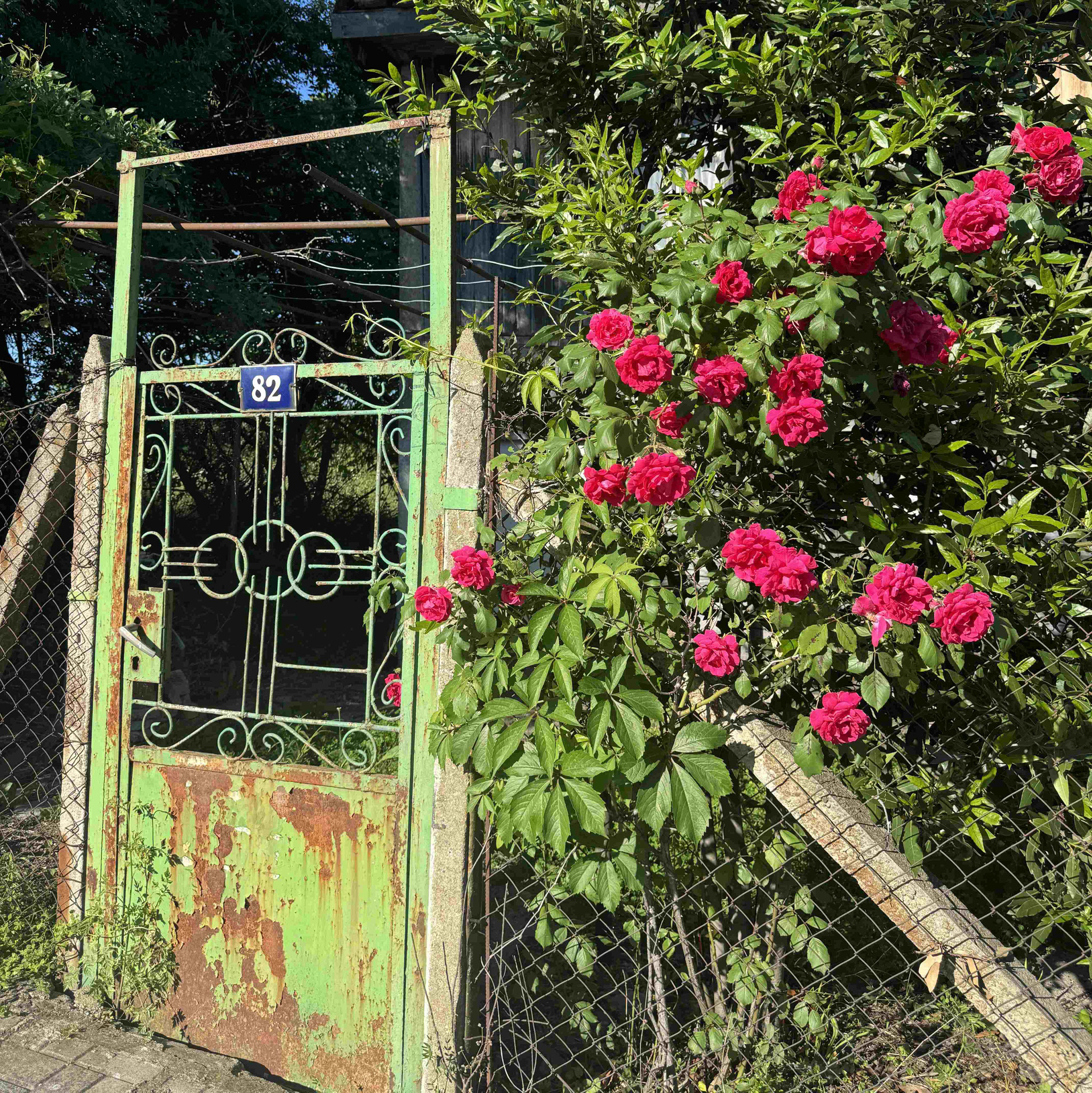
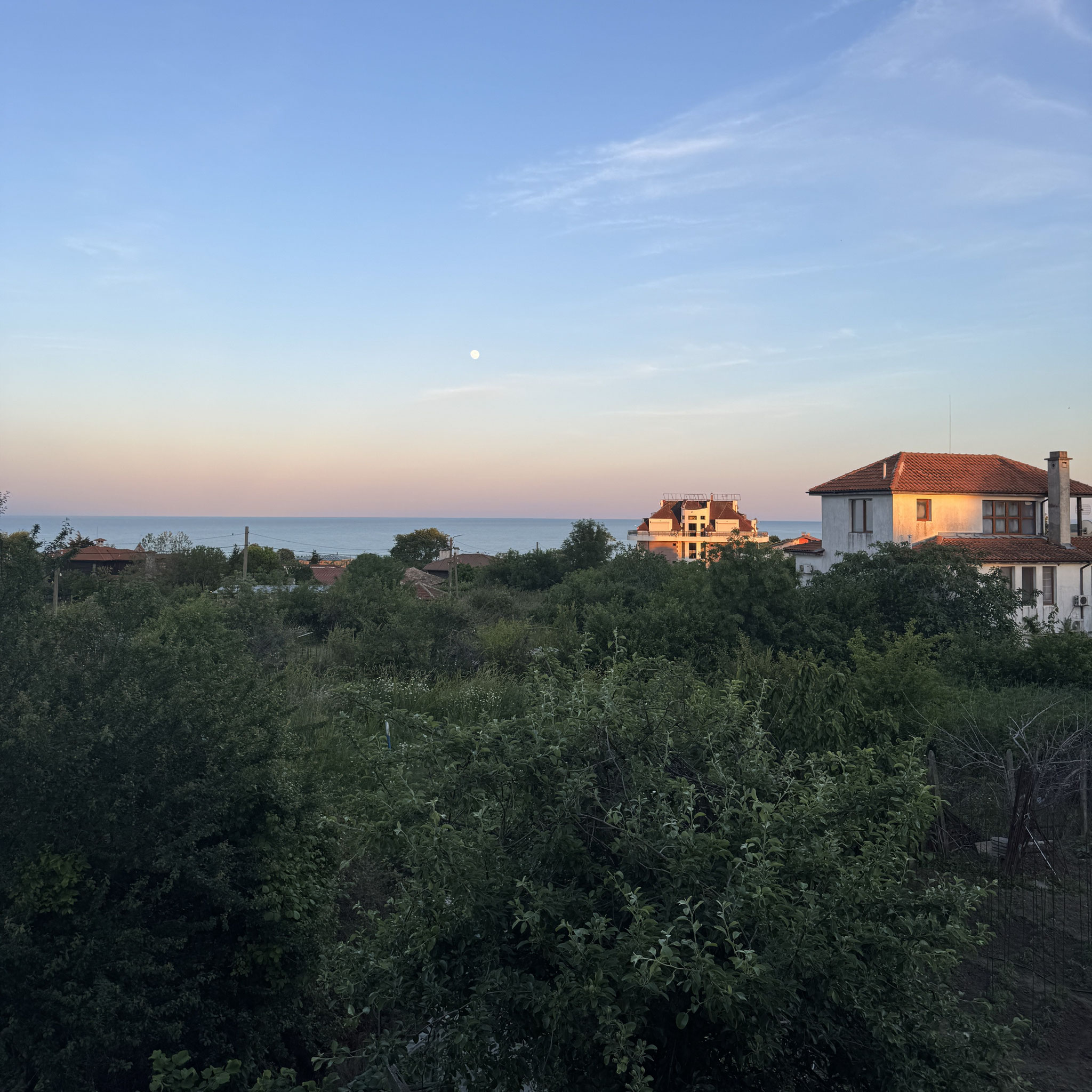
It is an idyllic place. The roses bloom abundantly. Flowers are everywhere, squeezing through fences as if determined not to be overlooked. Some houses are elegantly renovated, others are crumbling. You can feel both the unique magic and the isolation of this place. Rezovo is a tiny Bulgarian village that could hardly be located in a spot more idyllic – or more political. Here, where the Rezovska River flows into the sea, lies not only the border with Turkey but also the external border of the European Union.
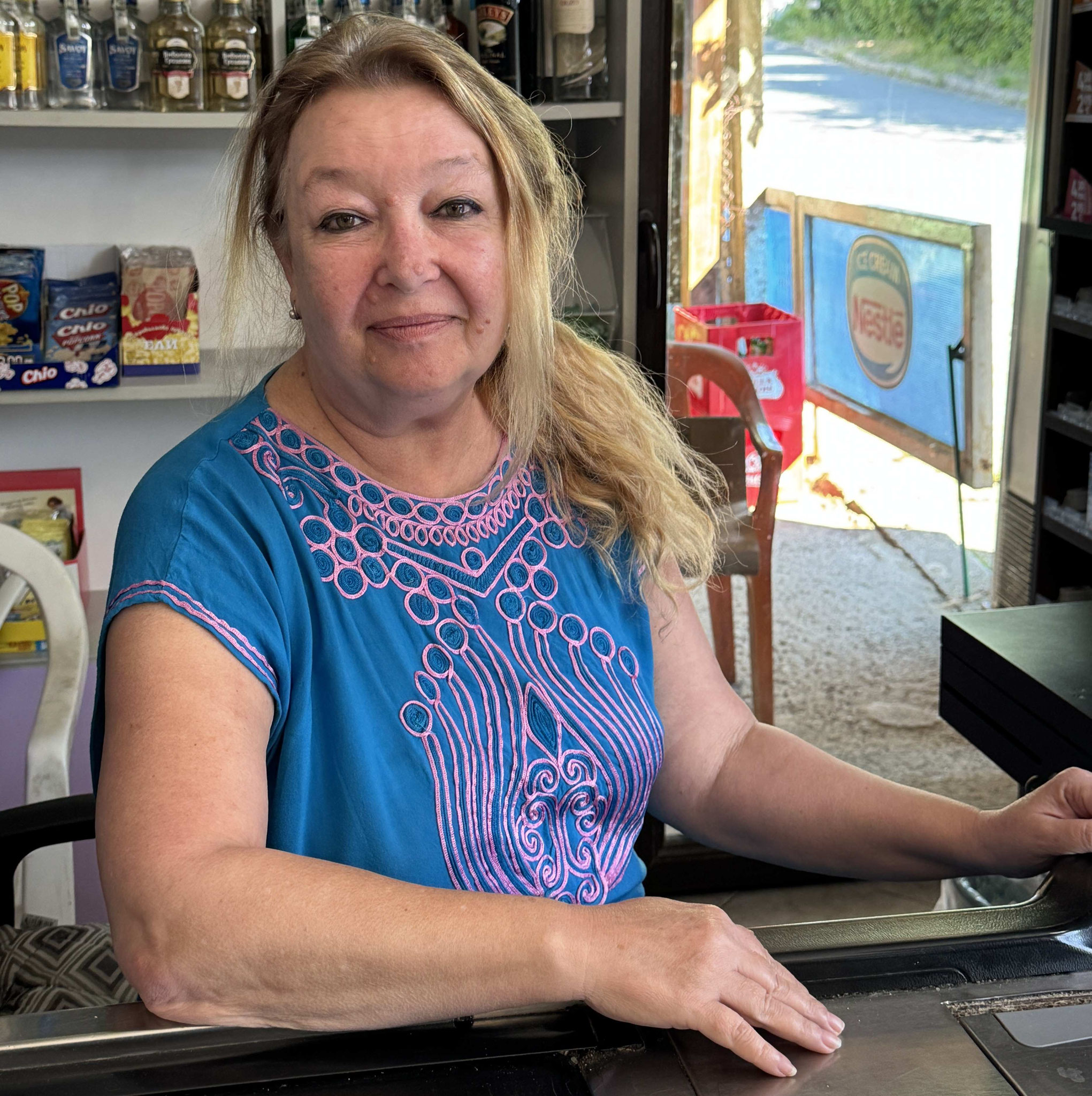
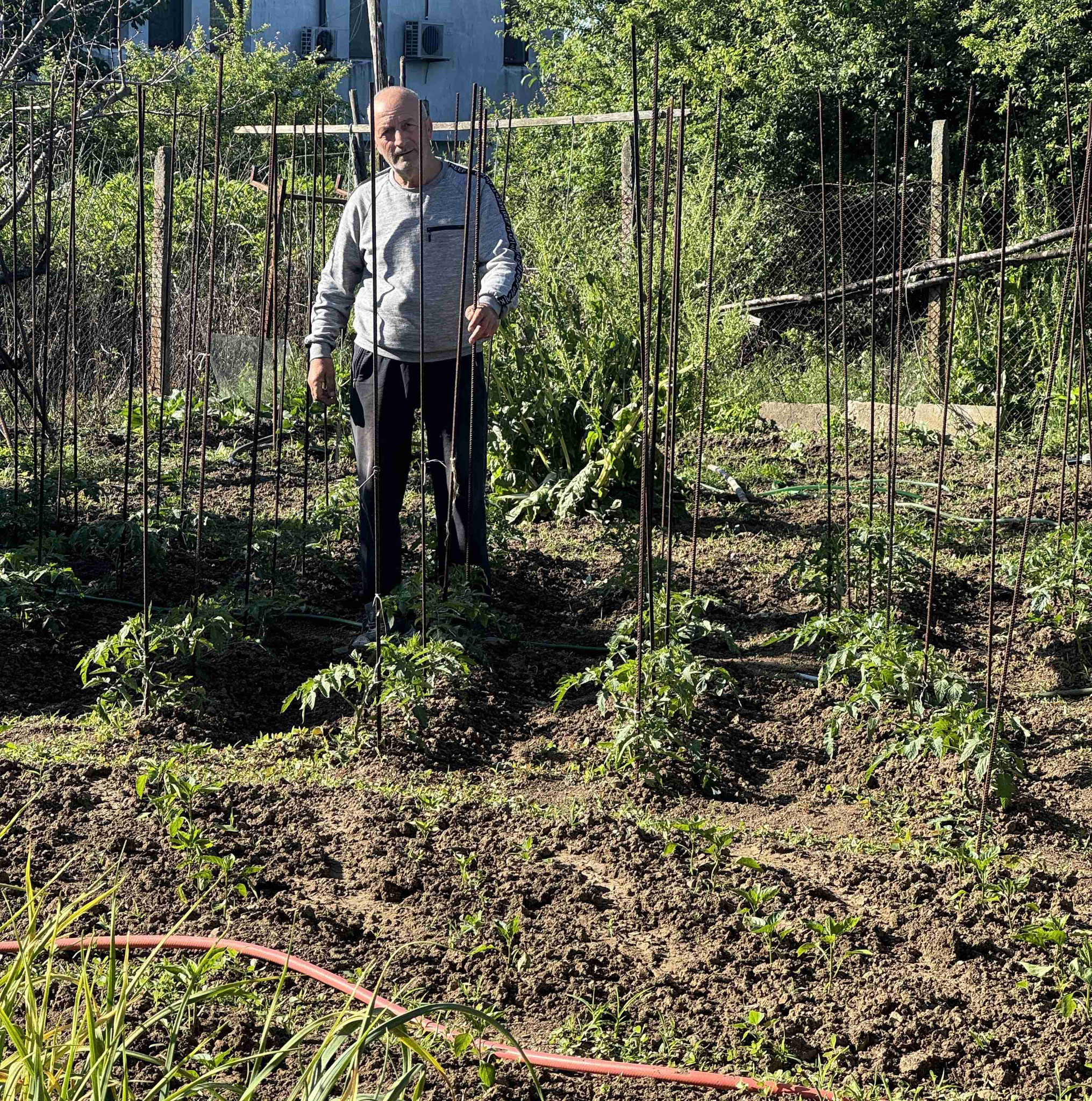
This is where Vera, 60, and Georgi, 70, live. The couple has spent the last 25 years here on this historic piece of land. Originally, they came from the port city of Burgas. Georgi worked there as an aircraft engineer, while Vera taught physics. But a quarter of a century ago, they were drawn back to Georgi's roots – because he was born in Rezovo.
The Hope for a Great Upswing
When Vera and Georgi arrived in Rezovo 25 years ago, there was a palpable sense of new beginnings in the village. The country was changing, and construction was happening everywhere. The couple took over the old family home of Georgi's parents, tore it down, and built a new house complete with a guesthouse. "Ten new houses were being built in the village back then. And we thought Rezovo was on the rise," Vera recalls. They opened a small hotel with guest rooms and a village shop to build a new livelihood after their professional careers.
Yet, the hoped-for, sustainable upswing for the entire village never materialized. Instead, the population steadily declined. Today, Rezovo has only 30 permanent residents. There is only one single young family left in the entire village.
A Village Losing Its Generations
The reasons for the slow death of the village are manifold. Rezovo hasn't had a school since 1966. That was when the great wave of industrialization began; factories in the cities lured people away. Georgi's parents also left the village back then and moved to Burgas to work and to provide their son with an education.
This trend continues to this day: families with children turn their backs on Rezovo and move to the cities, where there are functioning schools, jobs, and recreational activities. But it is not just the young who leave. Very elderly people, who increasingly rely on support and medical care, are also leaving the border village. They move to the major centers because medical infrastructure simply does not exist in a 30-resident village. What remains is an aging community that is almost completely isolated in winter.
Life in the Shadow of the Border Fences
Despite the loneliness, Vera and Georgi run their hotel with a lot of heart and soul. When Georgi isn't helping around the house, he passionately tends to the vegetable garden or heads out to sea in his small boat to fish. The catch ends up directly on the plates of the hotel guests. "We love welcoming guests. And we love preparing food that comes from the sea and our garden," says Vera.
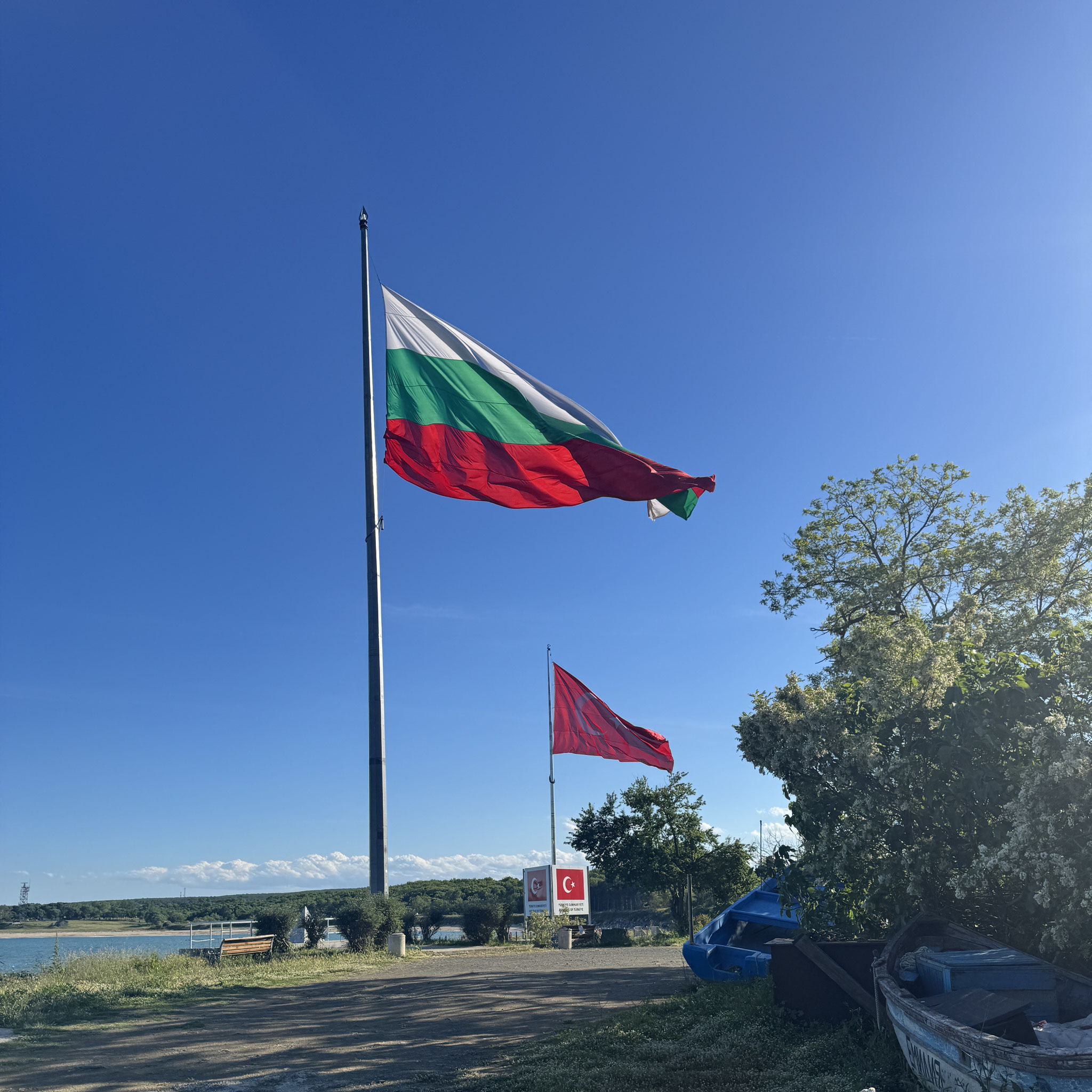
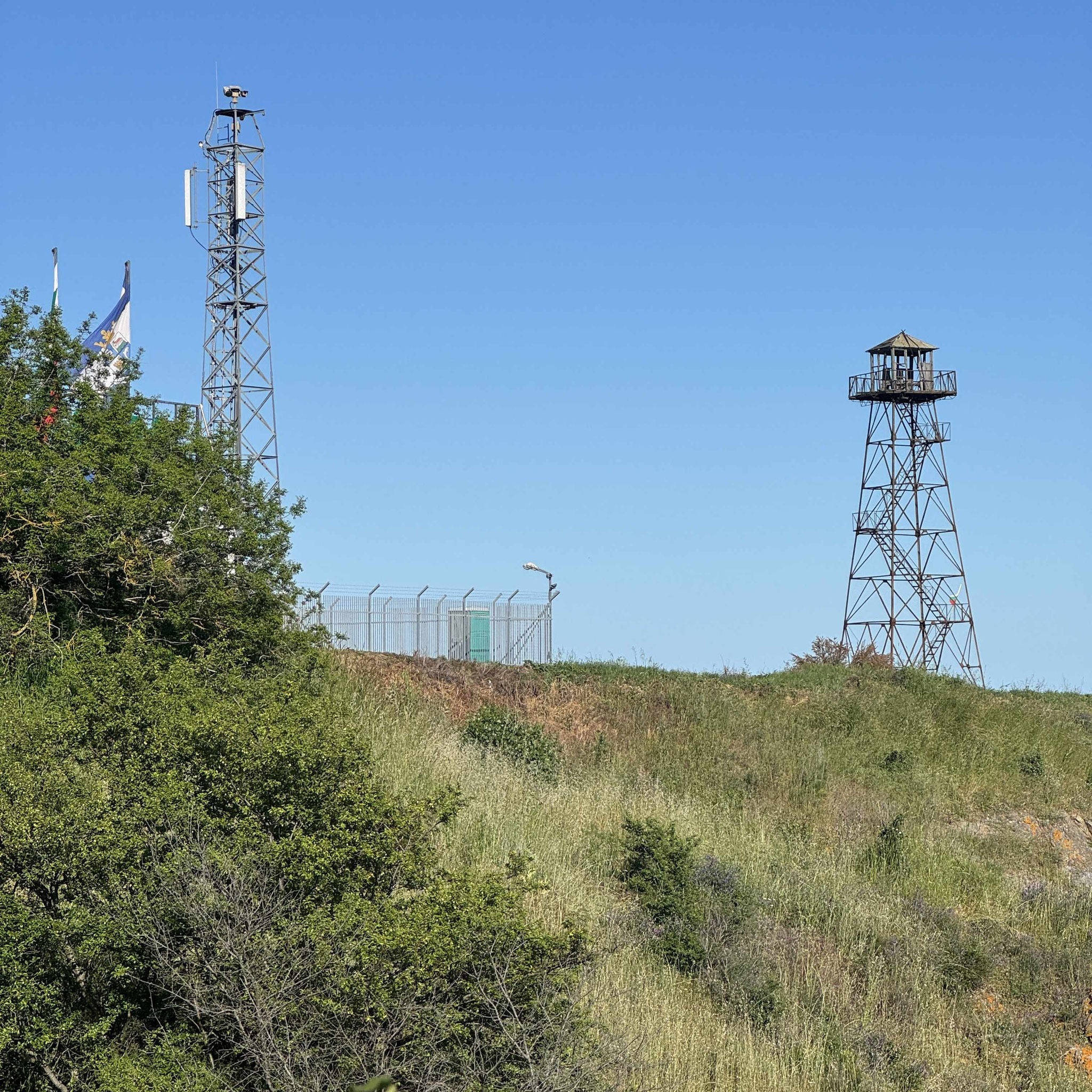
As peaceful as life in Rezovo seems, geopolitics is always present. On both riverbanks, the giant flags of Turkey and Bulgaria vie for attention. After just a 700-meter walk along the border river, a barrier, cameras, and border police block the way. Since 2014, a massive fence aimed at curbing migration movements has cut through the landscape.
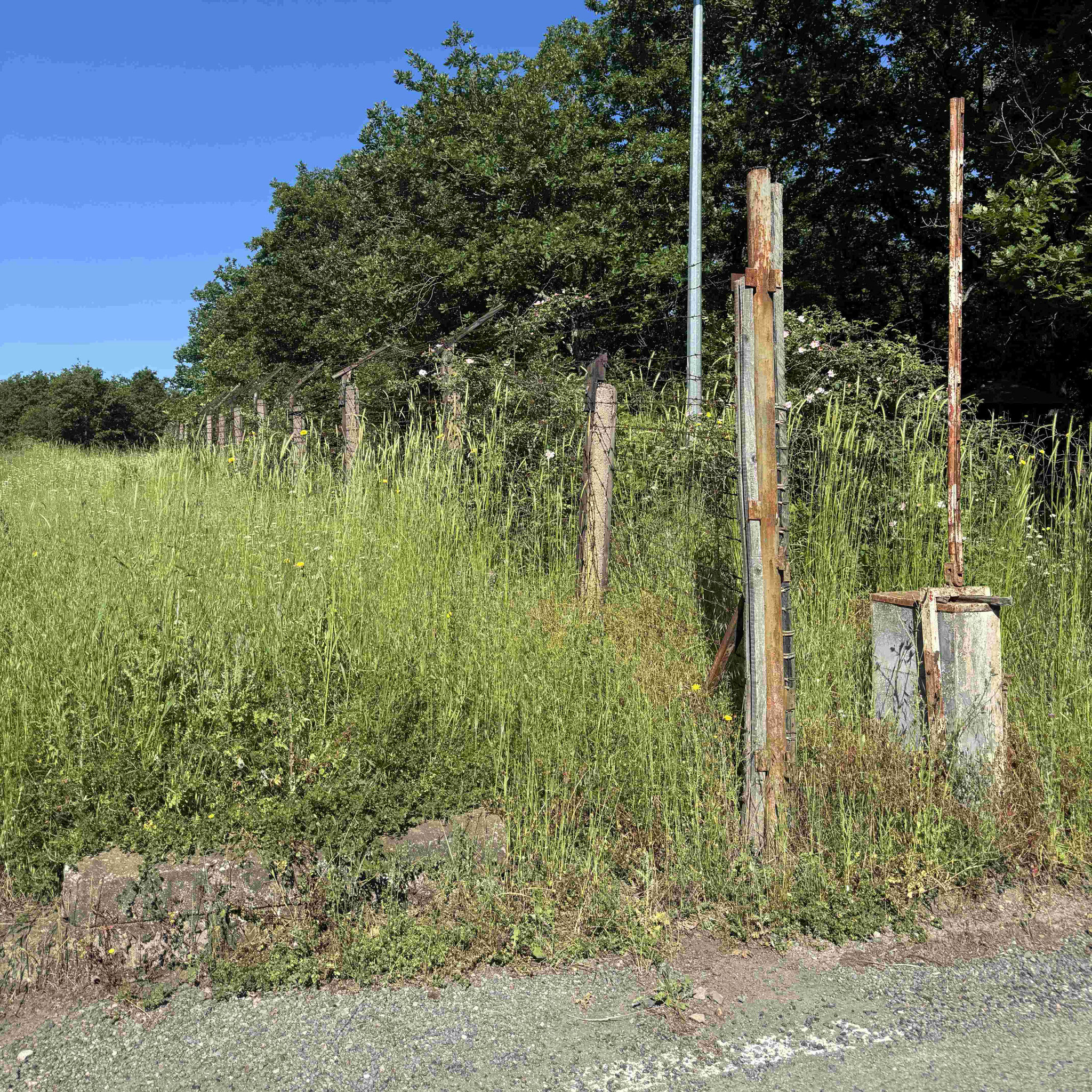
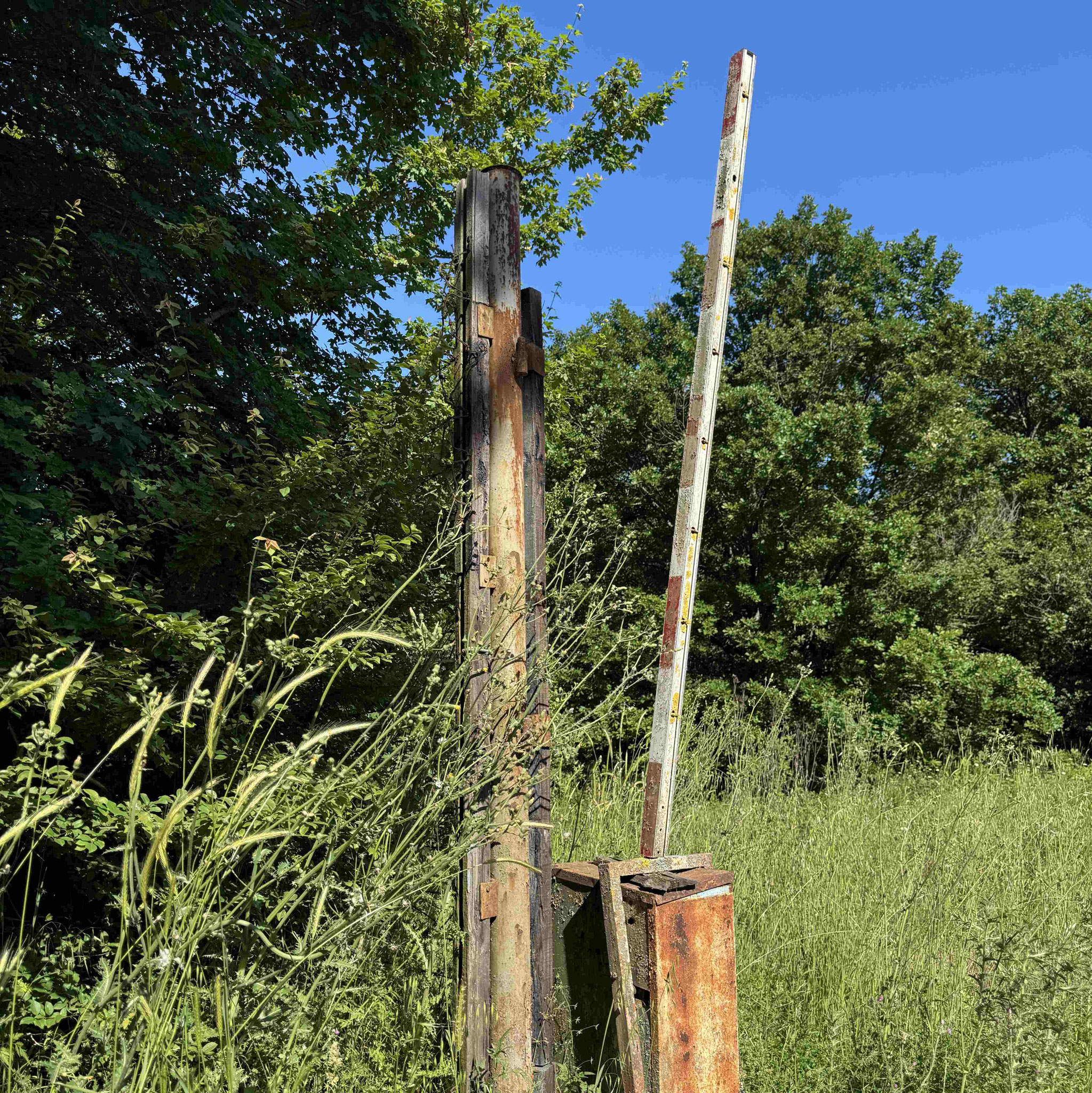
However, this strict isolation is a familiar feeling for Rezovo. Vera remembers the stories from the socialist era up until 1990: "During the socialist period, you couldn't even enter the village. Only people who lived here and had the corresponding document from the police were allowed into Rezovo." Even Georgi needed a permit back then just to visit his parents. An old, rusty barrier four kilometers outside the village still stands today as a testament to this era of isolation. Anyone wishing to enter the "border zone" (Granitschna Zona) required a special permit. During the GDR era, an estimated 2,000 people from East Germany tried to flee into Turkey across this green border – many paid for it with their lives or prison sentences. Vera didn't know that people from other socialist countries also tried to flee across this border. But Georgi nods. He had heard about it.
The Longing for Gentle Tourism
Today, the border at least brings a small tourist advantage to the village. Many curious vacationers come here in the summer specifically to catch a glimpse of the edge of the EU. In the months of July, August, and September, Rezovo briefly comes alive when families with children visit during the holidays.
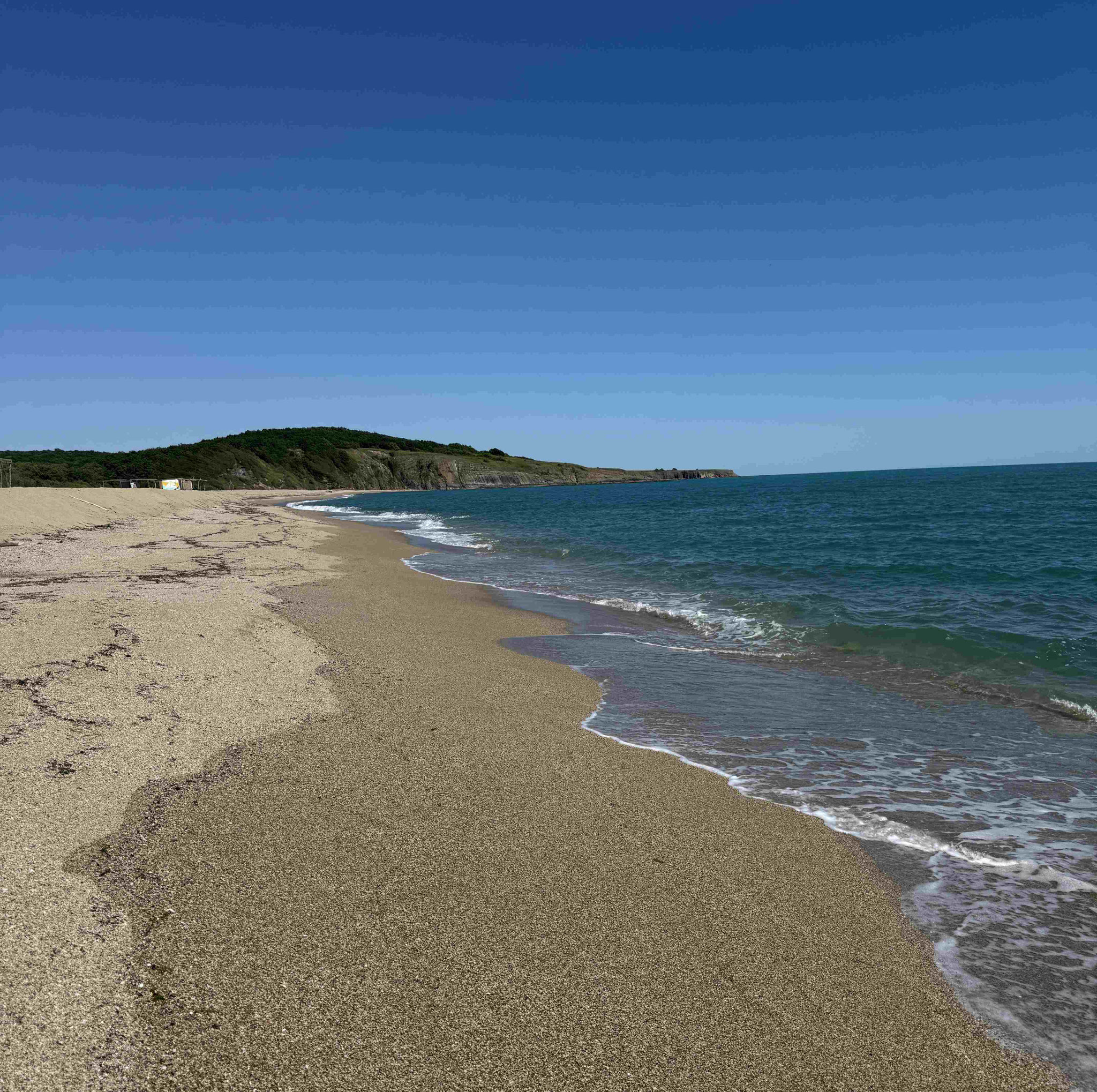
Those who travel here are looking for conscious deceleration. Just four kilometers away lies the untouched sandy beach of Silistar – a natural paradise completely free of the concrete hotel blocks known from other places along the coast. "An untouched beach, no development. Nature, beauty. There is no concrete," Vera says, describing the surroundings.
For the future of her shrinking hometown, Vera has a modest but clear wish: "We hope that nature remains just as it is, and that there will be more and more tourists who love nature and beauty." It is the hope that the soul of Rezovo can survive, in some measure, through the appreciation of nature.