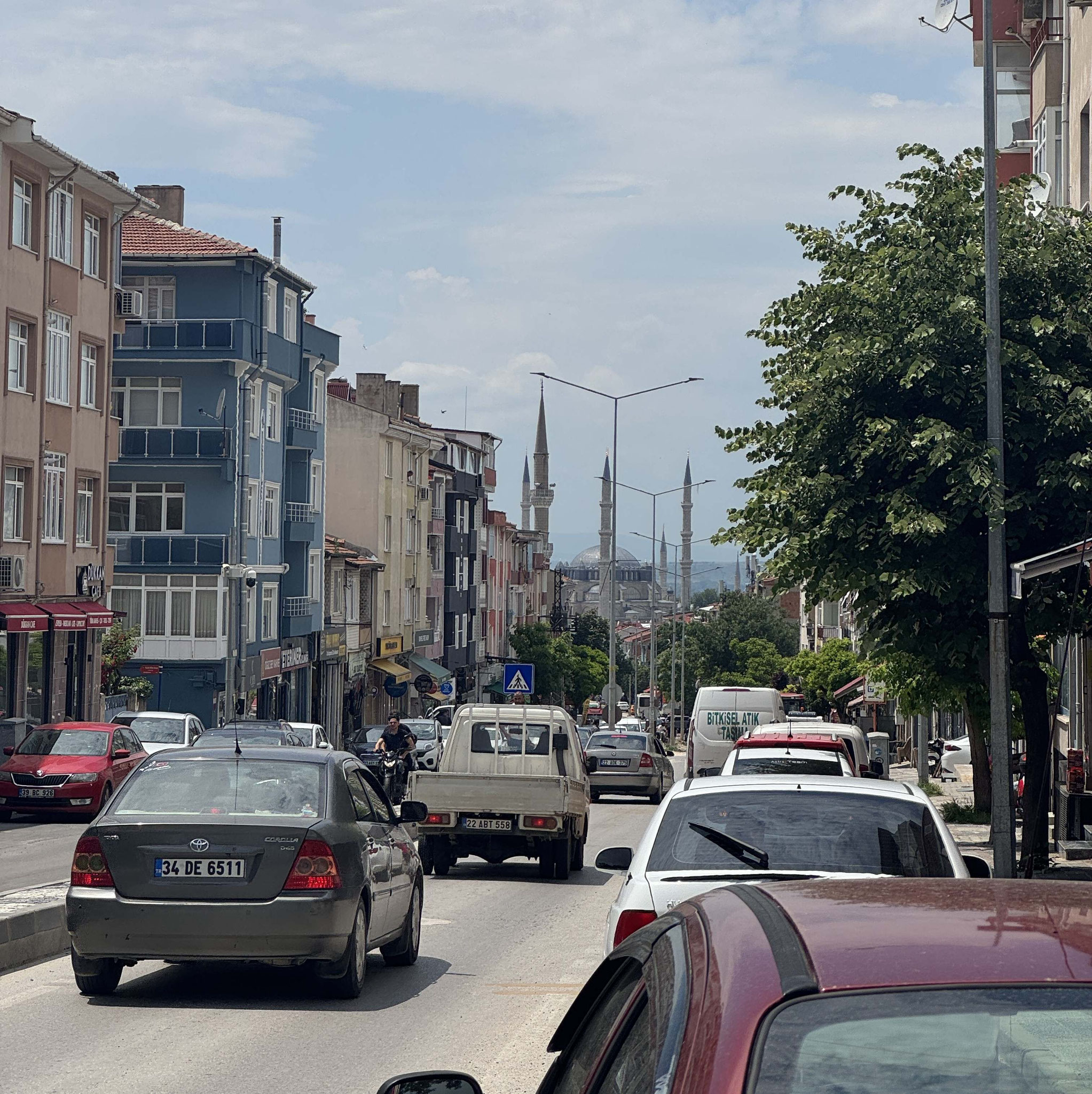
In Turkey, it is difficult to secure official interview appointments. However, in the alleys of Edirne's old town, I strike up a conversation with a local resident who willingly answers a few questions. This provides me with a brief insight into the contemporary life of a city with nearly 200,000 inhabitants, which, as a major university city, finds itself caught between a glorious past and the socio-economic challenges of modernity. Edirne—the historic Adrianople—remains an important cultural and economic link in the border triangle of Turkey, Bulgaria, and Greece.
Historical Heritage and Multicultural Roots
Under the name Adrianople (Latin: Hadrianopolis, meaning "City of Hadrian"), Edirne was once a major Roman metropolis. Later, it rose to become the capital of the Ottoman Empire. These eras have left traces that continue to shape the cityscape today.
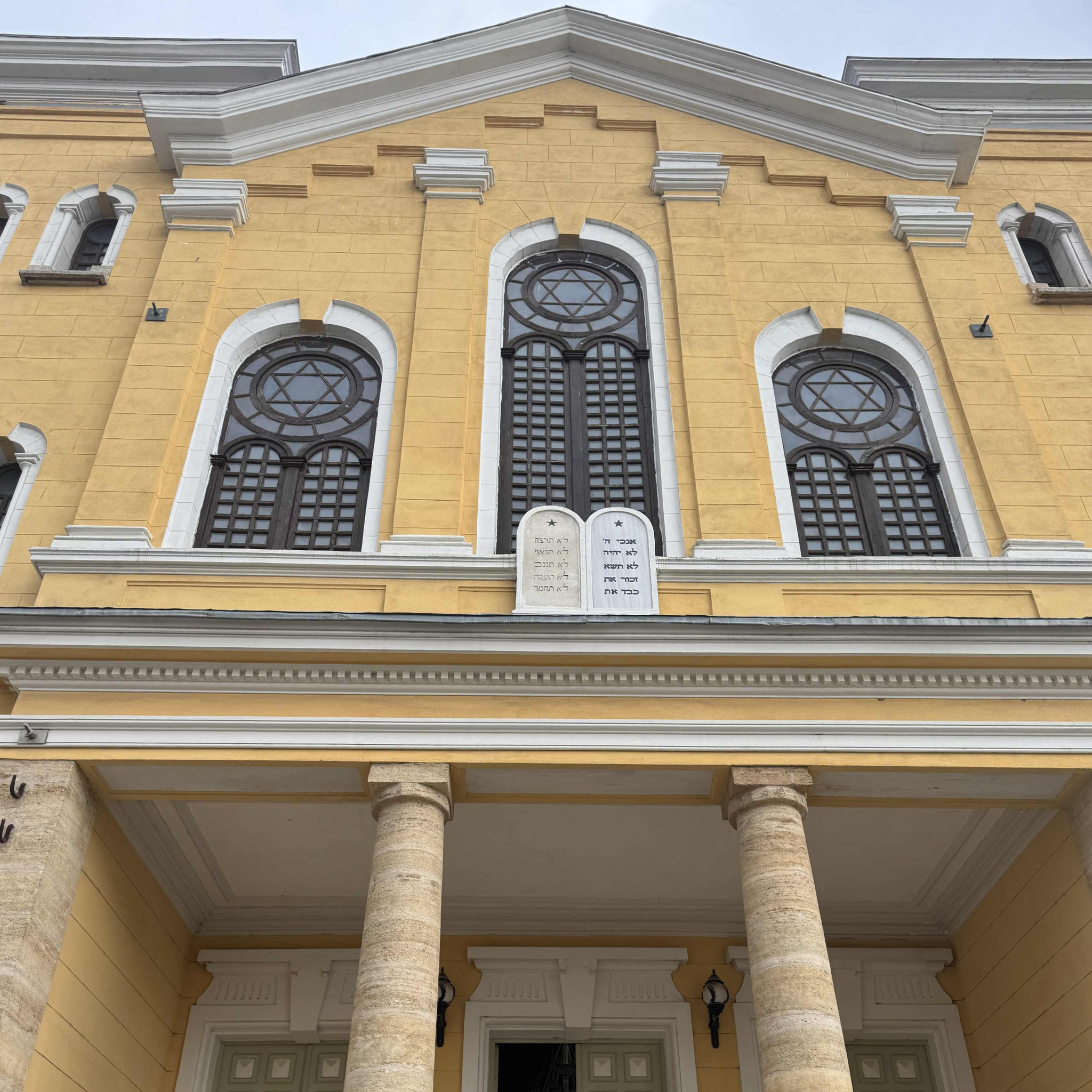
According to my interlocutor, the city is also proud of the rich heritage of its formerly large Jewish community. At the beginning of the 20th century, a vibrant Jewish community of over 20,000 people lived here. However, the dramatic decline of the Jewish community in Edirne was the result of destruction caused by the Balkan Wars, the loss of the city's economic importance as a new border region, and antisemitic persecution driven by Turkish nationalism in the 20th century. Following the establishment of the State of Israel, the last remaining Jews migrated there.
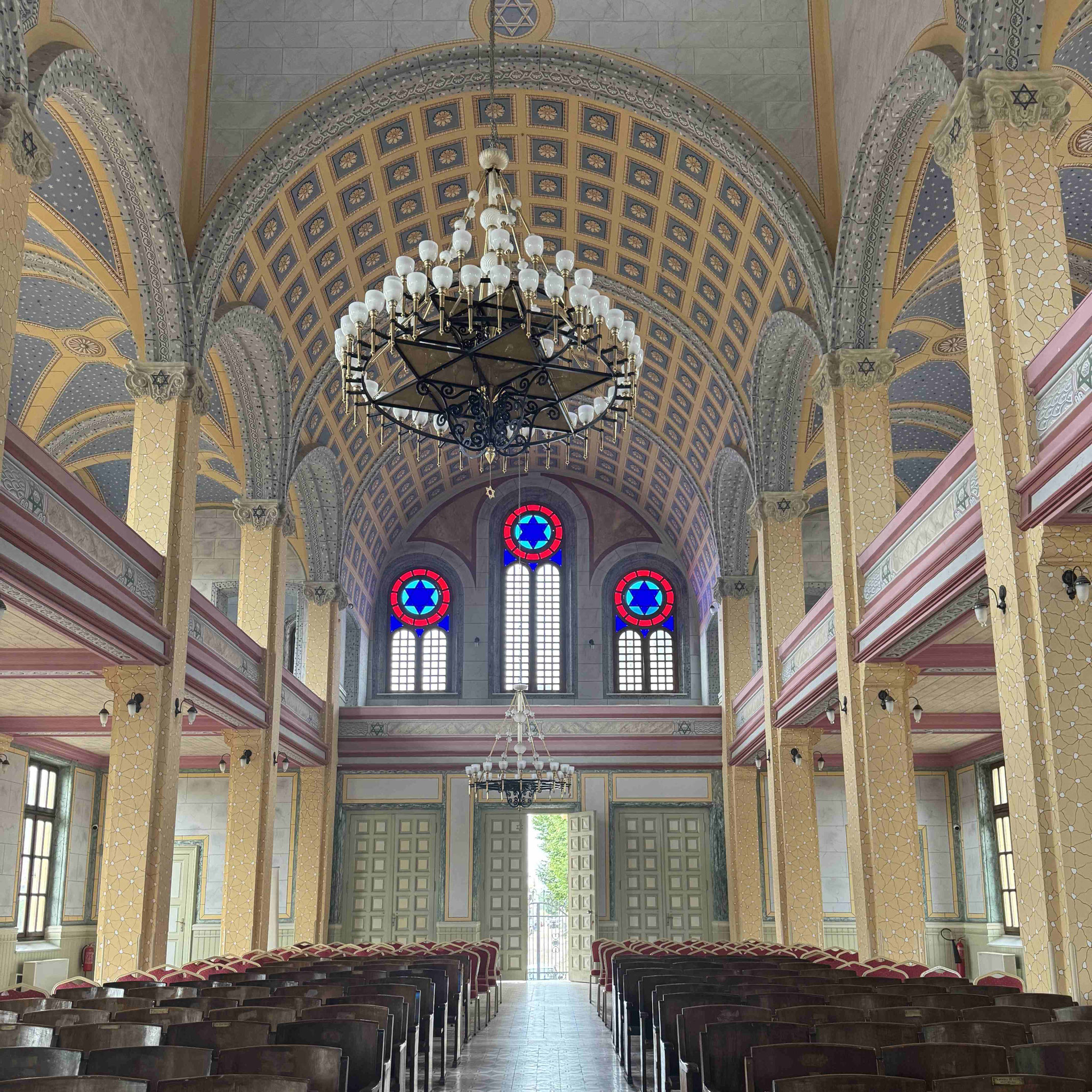
As a visible testament to this history, the magnificent Grand Synagogue of Edirne was elaborately restored in 2015 after decades of decay. Today, it primarily serves as a museum and cultural center, since there is no longer an active congregation on site. Nevertheless, my interlocutor describes Edirne as a city of tolerance and also points to the restored churches, which were once built by Edirne's large Bulgarian minority.
The Crisis of the Historical Building Stock
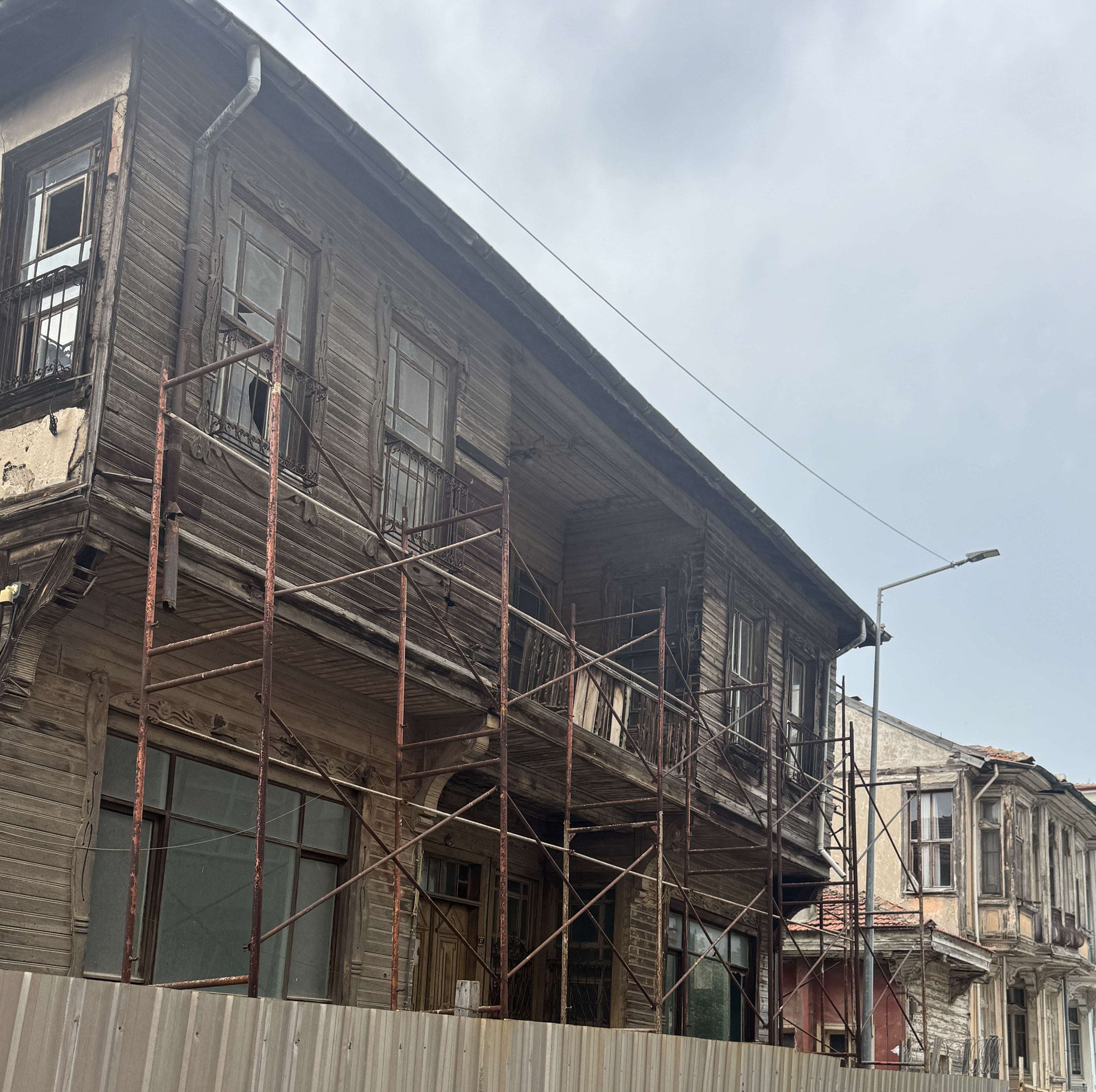
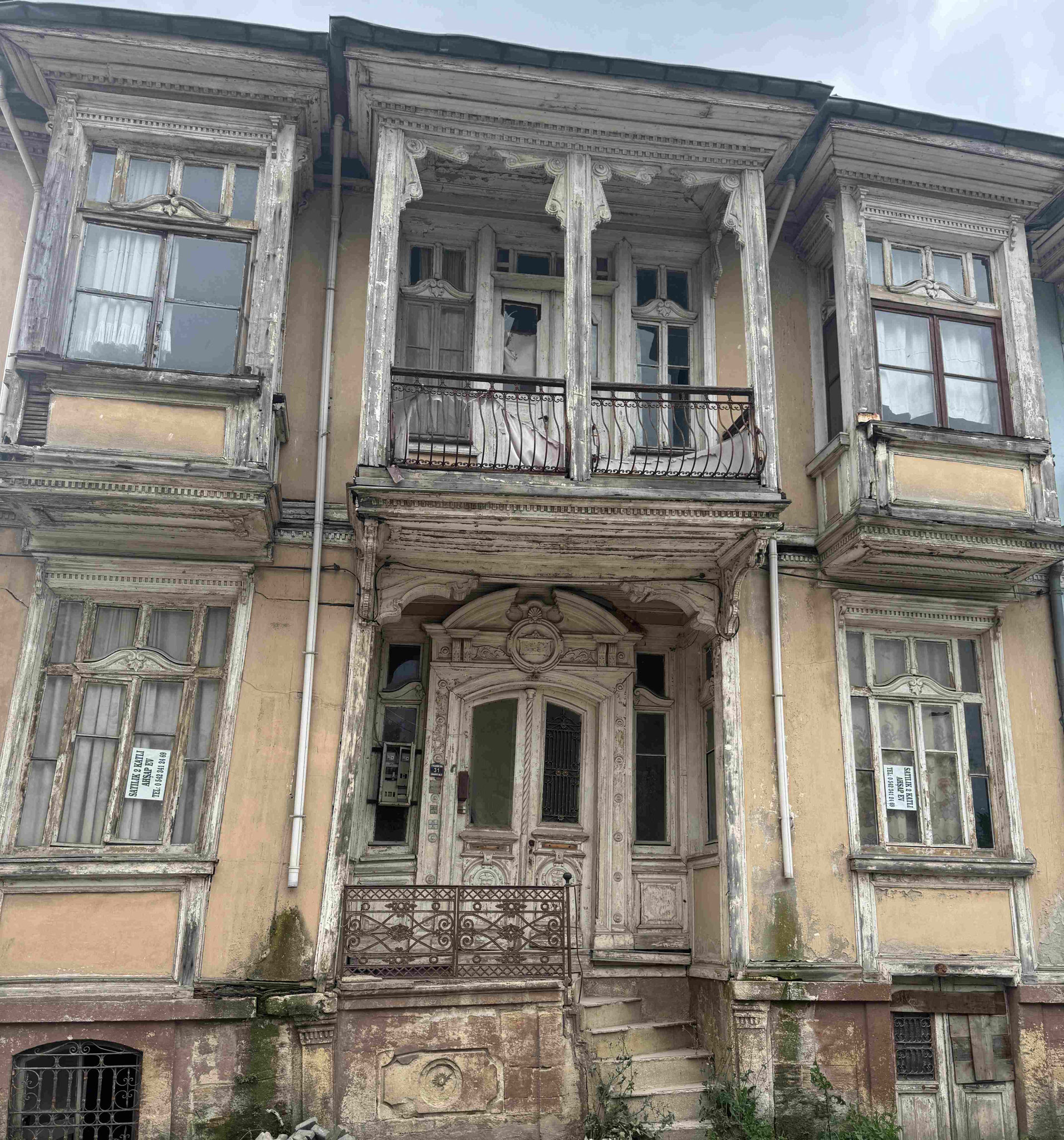
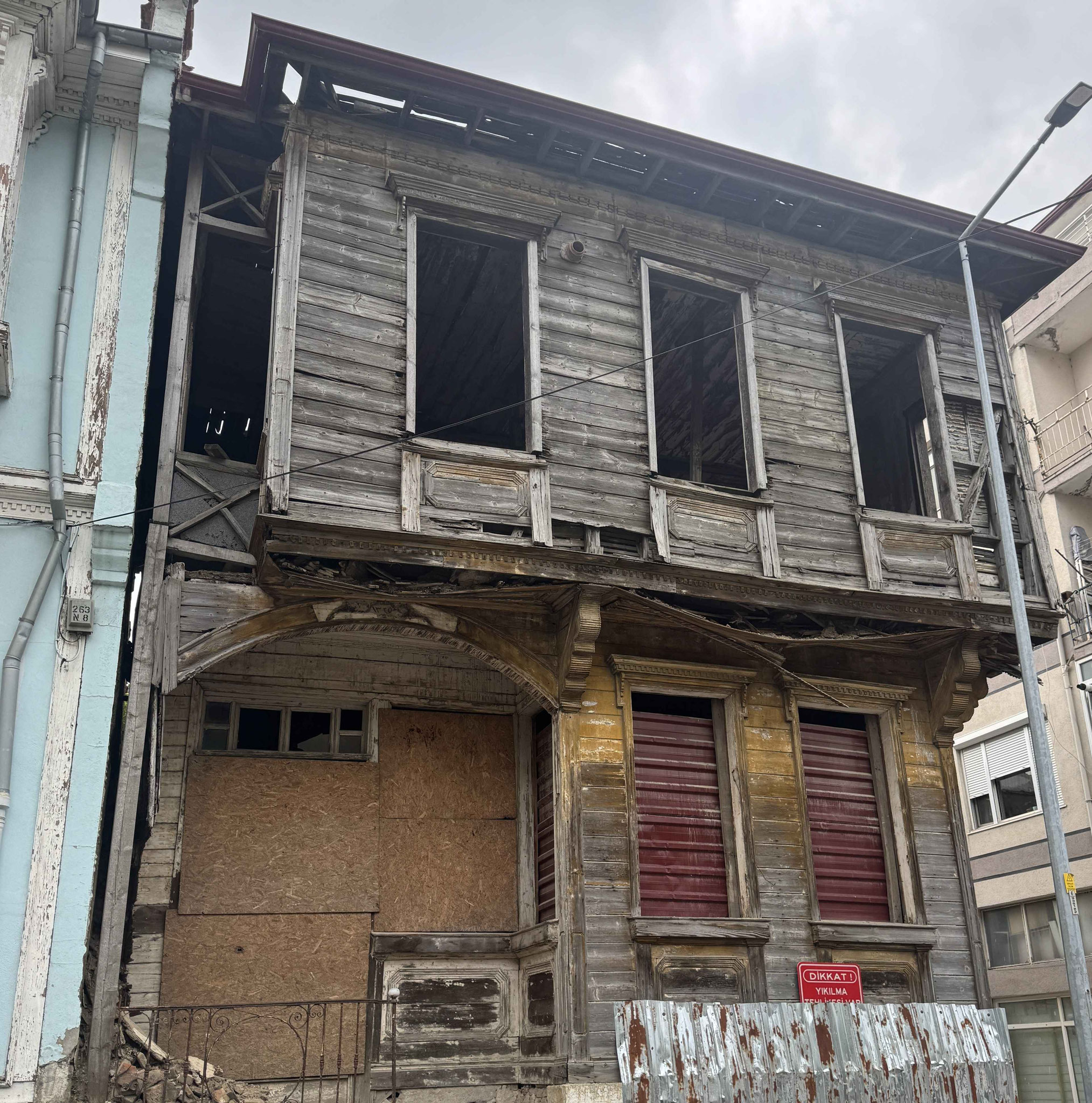
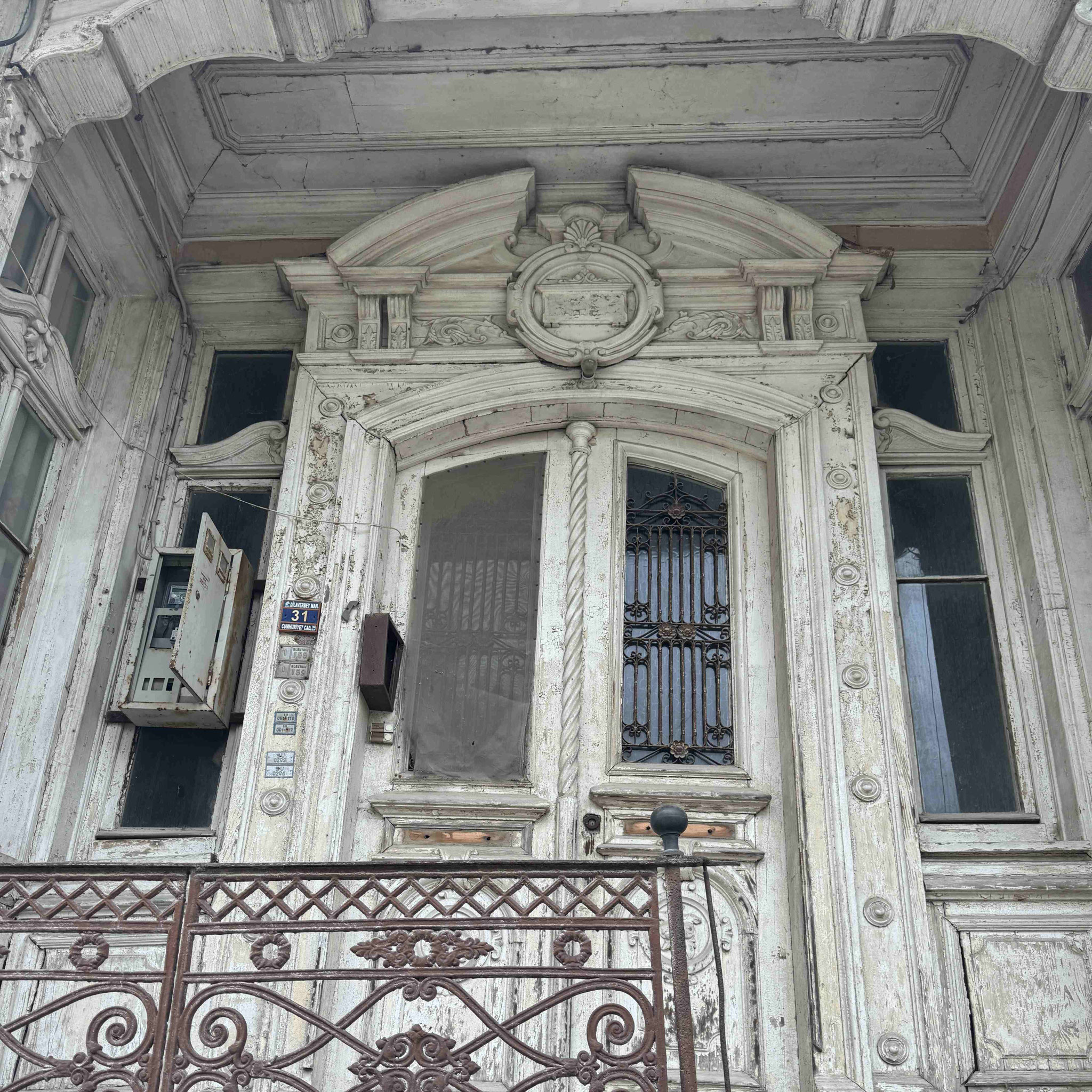
Particularly in the neighborhood surrounding the synagogue, there are numerous architecturally valuable old wooden houses from the Ottoman era. In total, there are still about 600 of these historic buildings in the city, the local resident notes. However, many of these houses are visibly deteriorating, presenting an enormously difficult situation for the city.
This progressive decay is closely linked to legal and financial hurdles. Due to decades of inheritance division, the properties today often belong to several families jointly. When a house is owned by dozens of parties, reaching an agreement on its use or sale is virtually impossible. Furthermore, it is extremely expensive to professionally renovate an old house.
To counteract this, there is a state rescue program: the state takes over the house for a period of 25 years, renovates it completely at its own expense, and returns it to the family after this period expires. Despite this offer, many people are skeptical and hesitate to temporarily surrender their property rights.
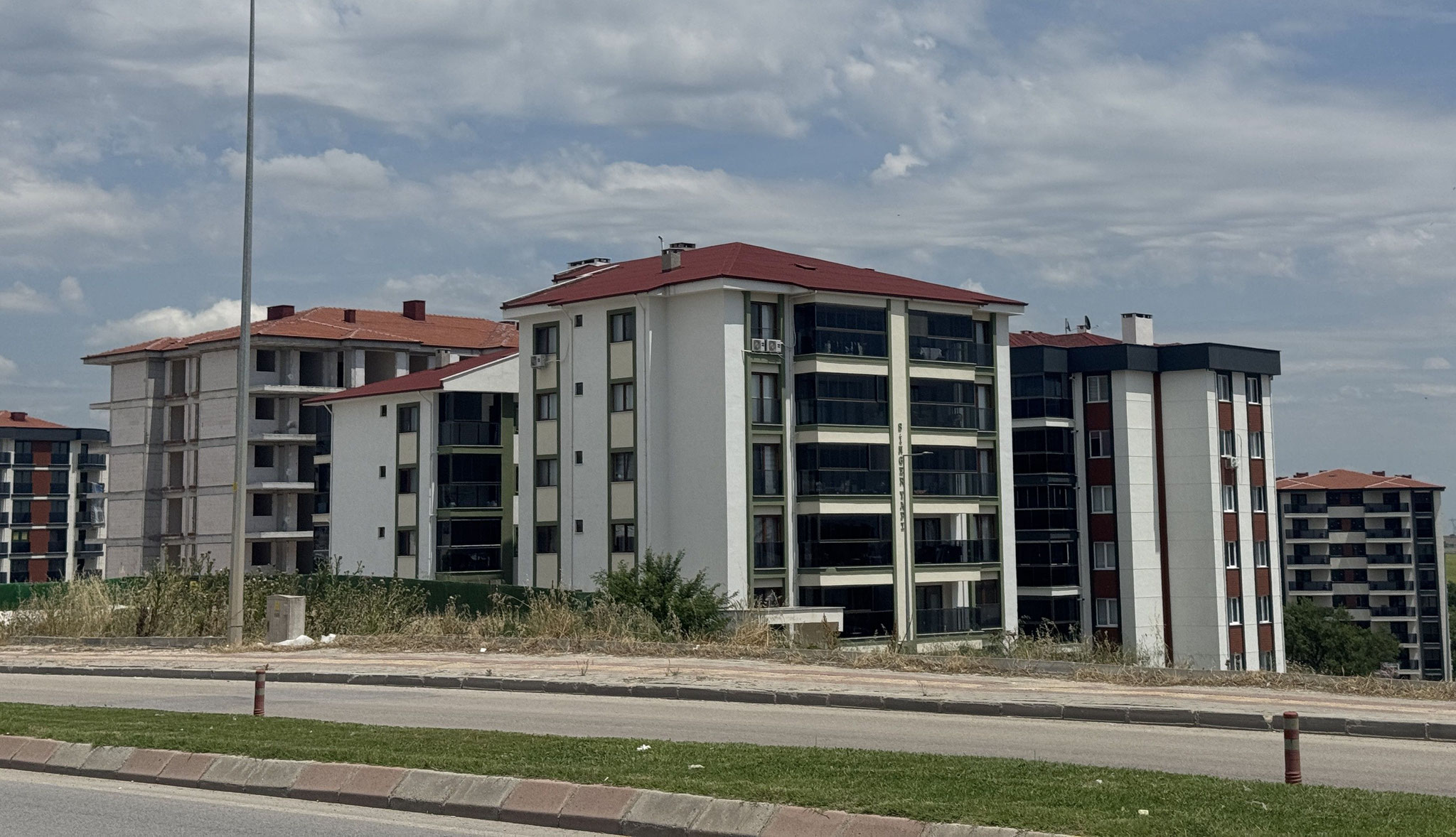
This predicament in the inner city leads to a paradoxical urban development: the city is growing and dynamic – however, primarily on the outskirts and not in the historic core. Modern apartments are springing up rapidly on the edge of the city. The local population is moving to these new builds in large numbers – people simply prefer to live with modern comforts rather than in the expensive inner-city old buildings that are in dire need of renovation.
Tourism and Economic Ambivalence
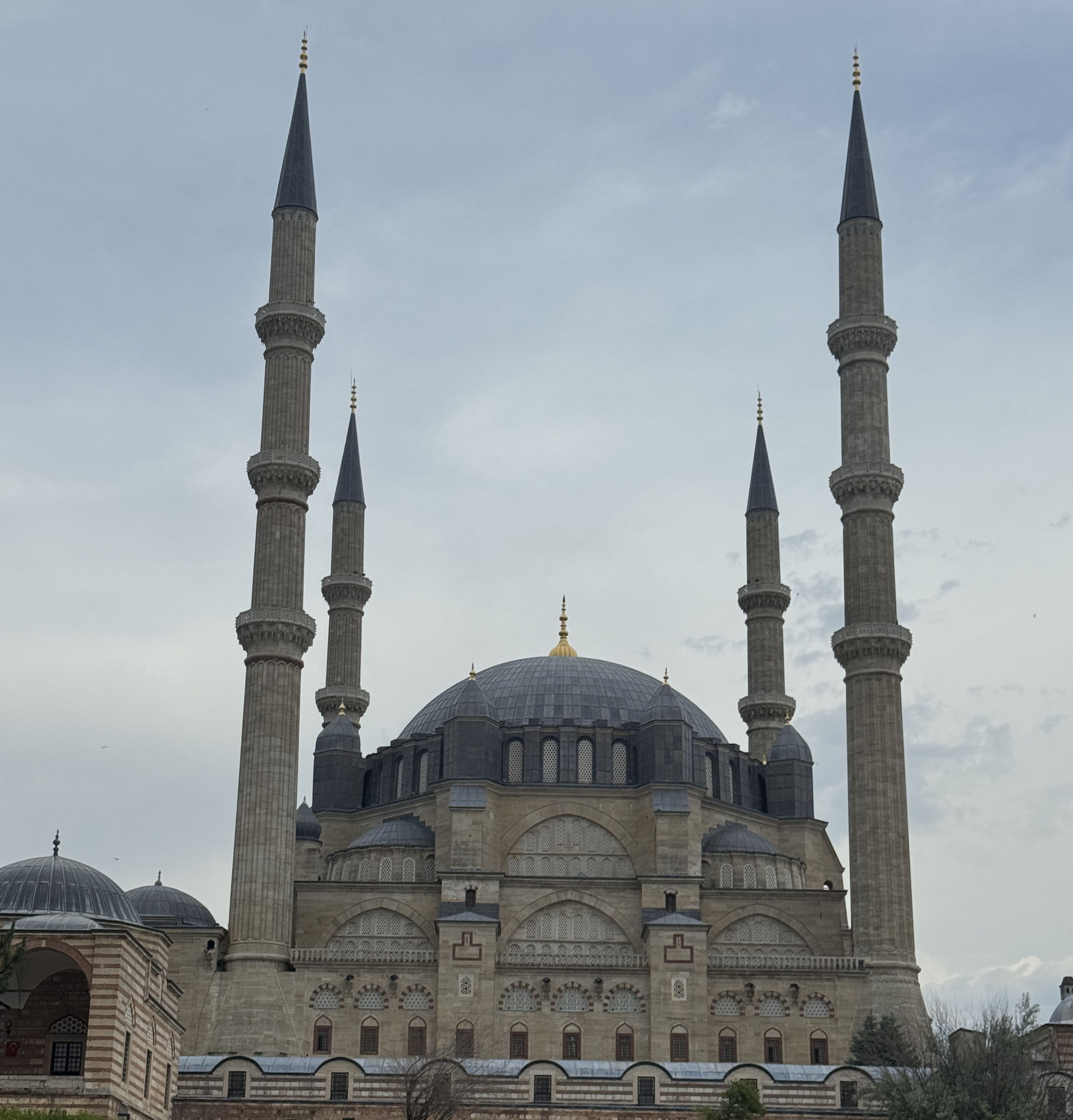
Tourism is a major economic factor for the city. The main attraction is the world-famous Selimiye Mosque, which is recognized as a UNESCO World Heritage site and draws cultural tourists. The mosque's unique features are its massive dome and four slender minarets standing over 70 meters tall, which dominate Edirne's skyline.
In addition to people interested in history, however, it is primarily shopping tourists from Bulgaria and Greece who flock across the border to buy goods in the bazaars and shops. My interlocutor explains: "This boom carries social tension. For local hotels, restaurants, and shops, the influx and the money it brings in are excellent. However, the local population is deeply afraid that the enormous purchasing power of tourists will cause everyday prices to skyrocket."
He draws a comparison to Western European hotspots like Barcelona: "Tourists are warmly welcomed, but a balance must be maintained so that the locals are not displaced from their own city."
Social Change on the Streets
Life in Edirne is pulsating and lively – to a large extent, it takes place directly on the street. Cafés and restaurants are fully occupied. Upon closer inspection, however, it becomes clear that the modernization of society is a slow process: it is still primarily men who sit in the venues.
Environmental changes are inexorably moving forward, albeit slowly. My interlocutor knows that many people raise their children noticeably differently today than in the past. He speaks of a clear, modern awareness that women should also actively, equally, and self-determinately participate in public and social life. But he anticipates that this shift will take another generation. Edirne is changing step by step – between the preservation of its ancient walls and the journey into a modern future.