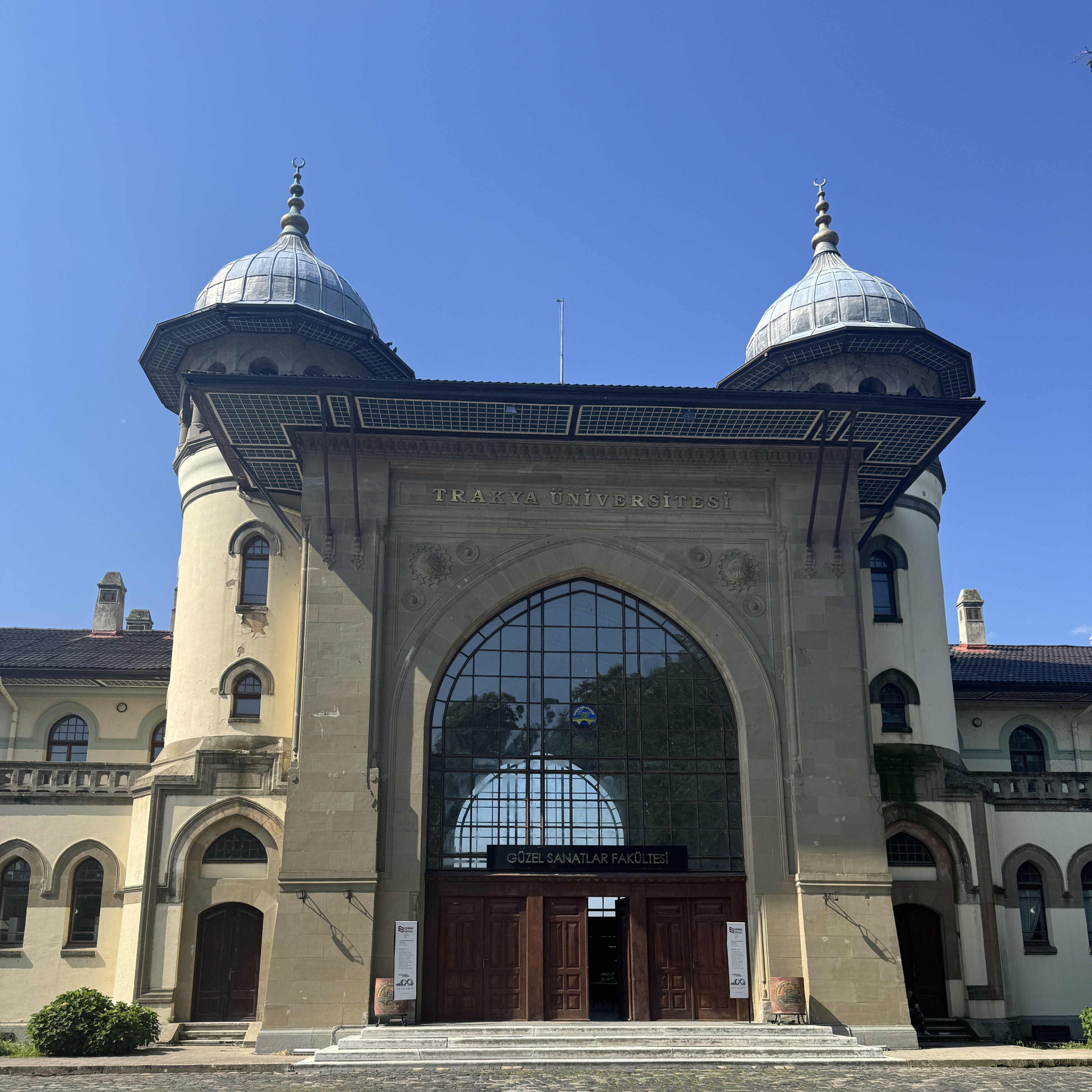
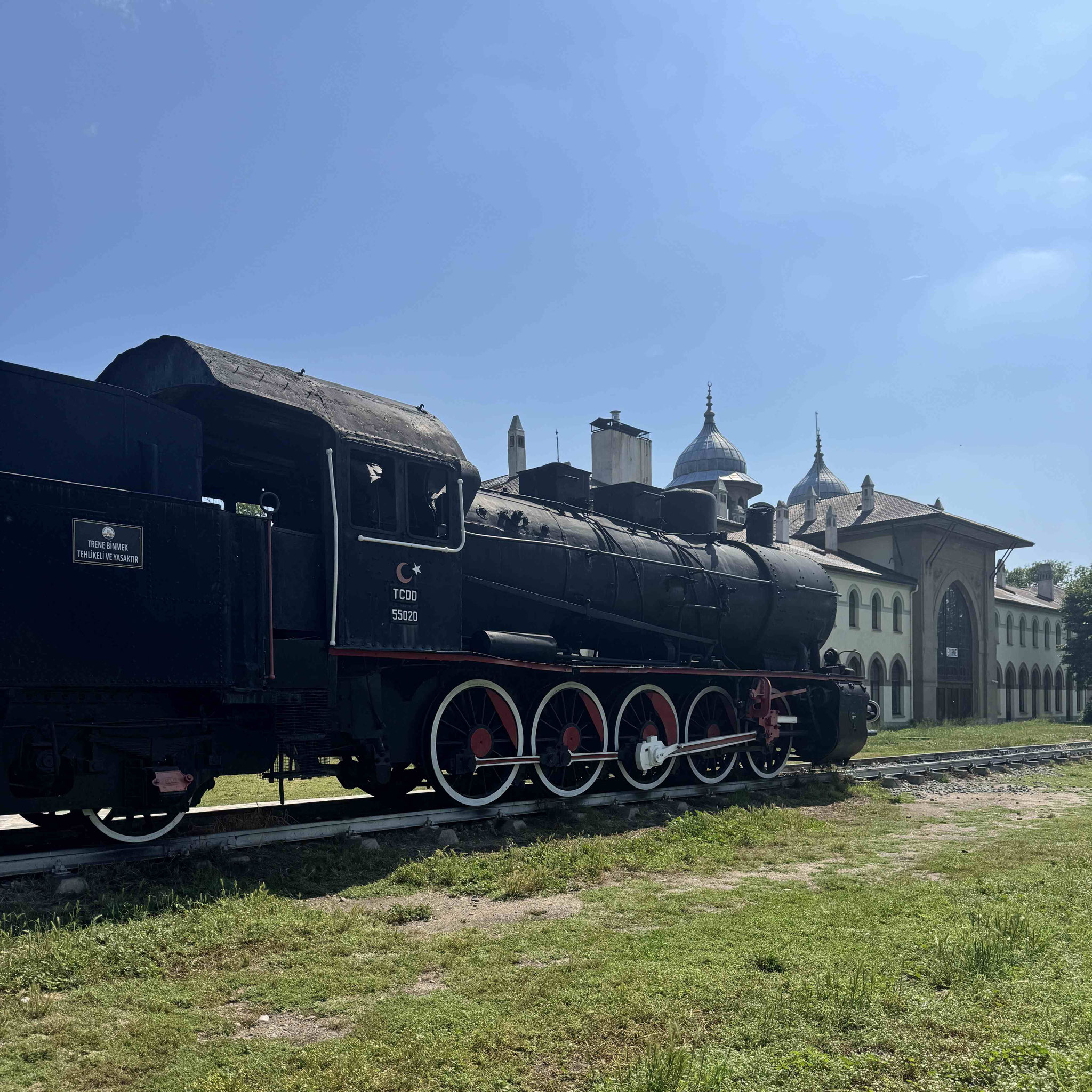
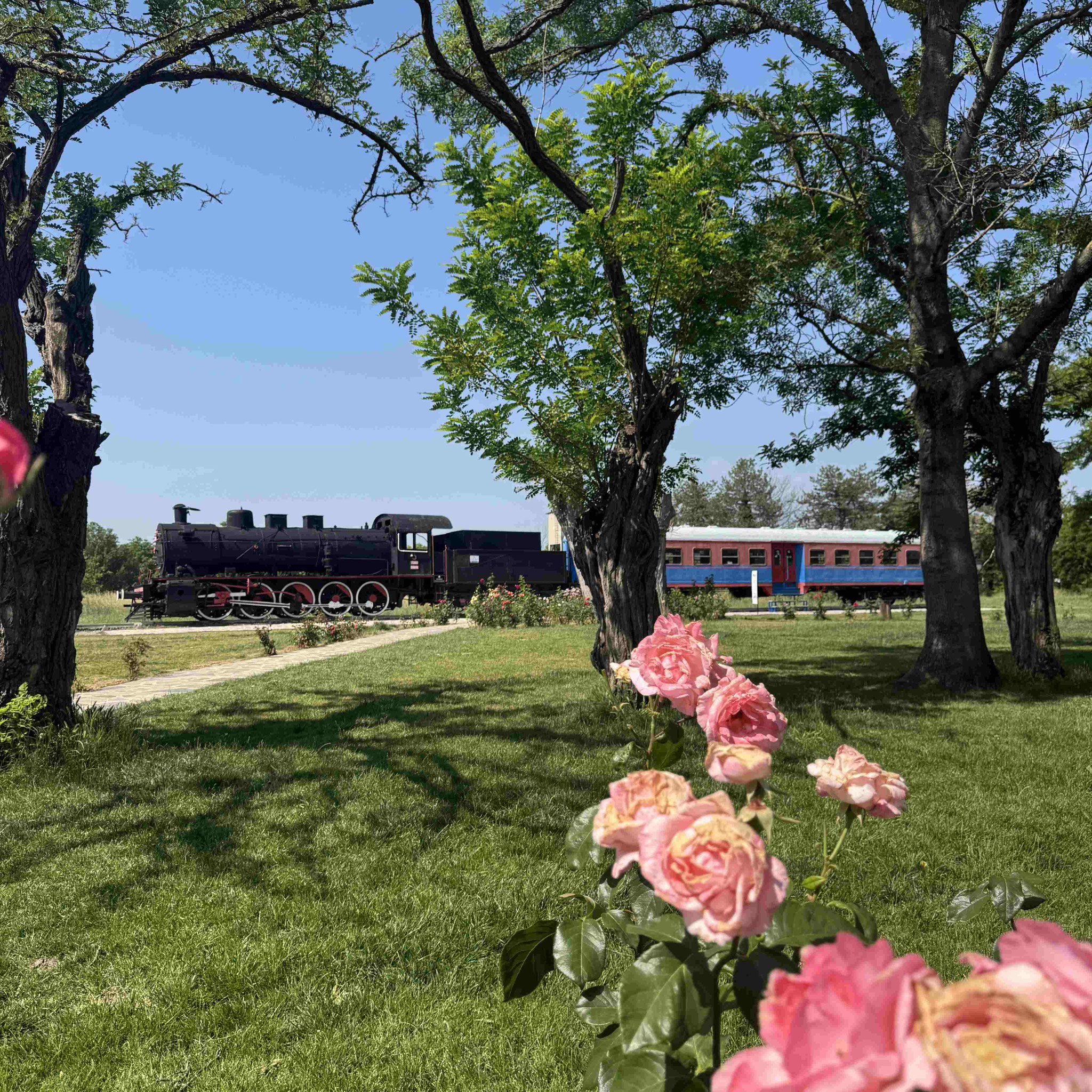
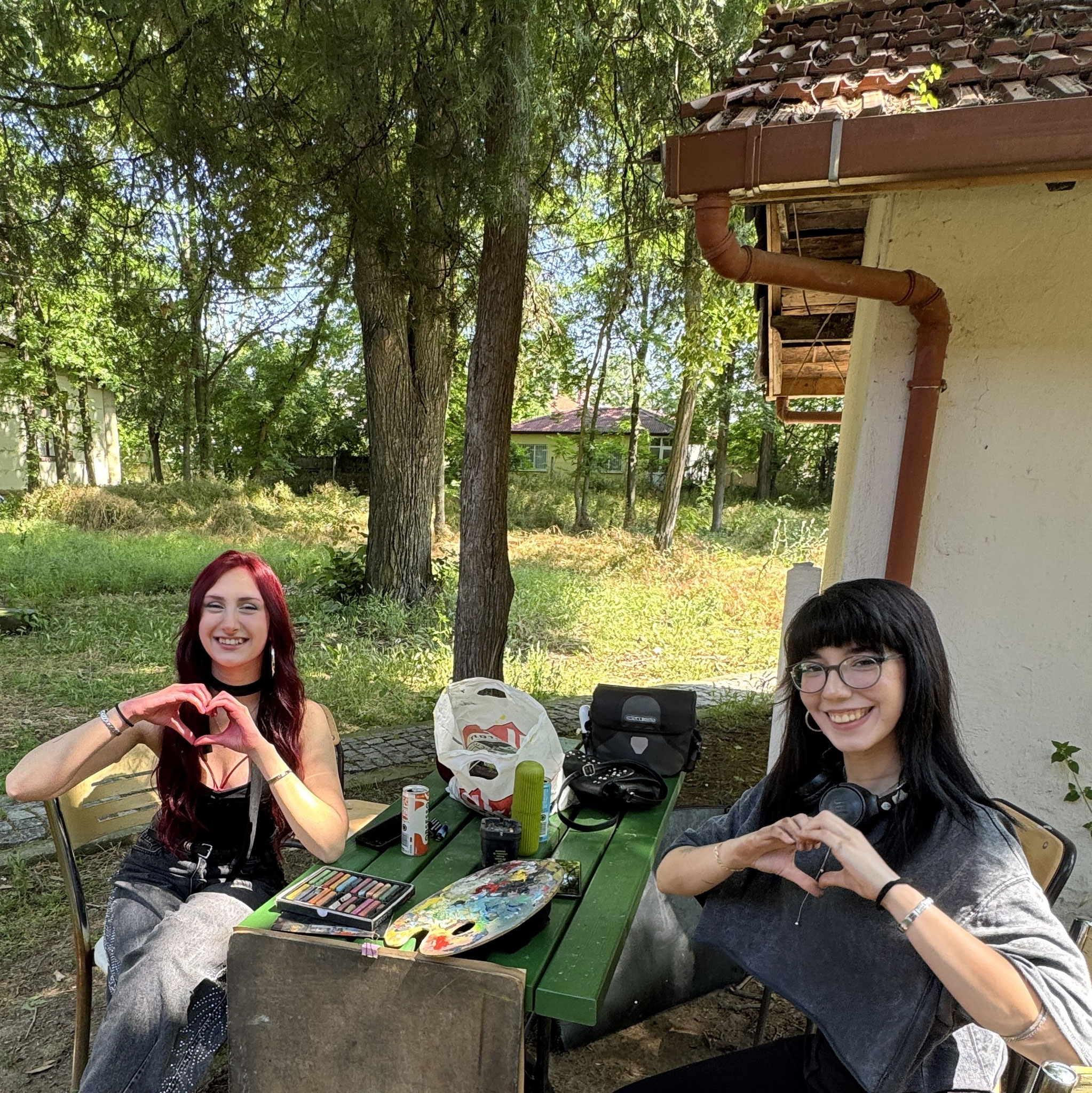
In the idyllic and historic district of Karaağaç in Edirne, close to the Greek border, lies the historic campus of Trakya University. Where art students now sit in the shade of ancient trees, surrounded by blooming flowers and singing birds, every stone breathes history. The striking, grand building was originally designed in the late Ottoman era as the Edirne Railway Station by the famous architect Kemaleddin Bey. Following a turbulent history of border realignments after World War I, the site now serves as the Faculty of Fine Arts – a place where the grandeur of the past meets the creative future of the youth.
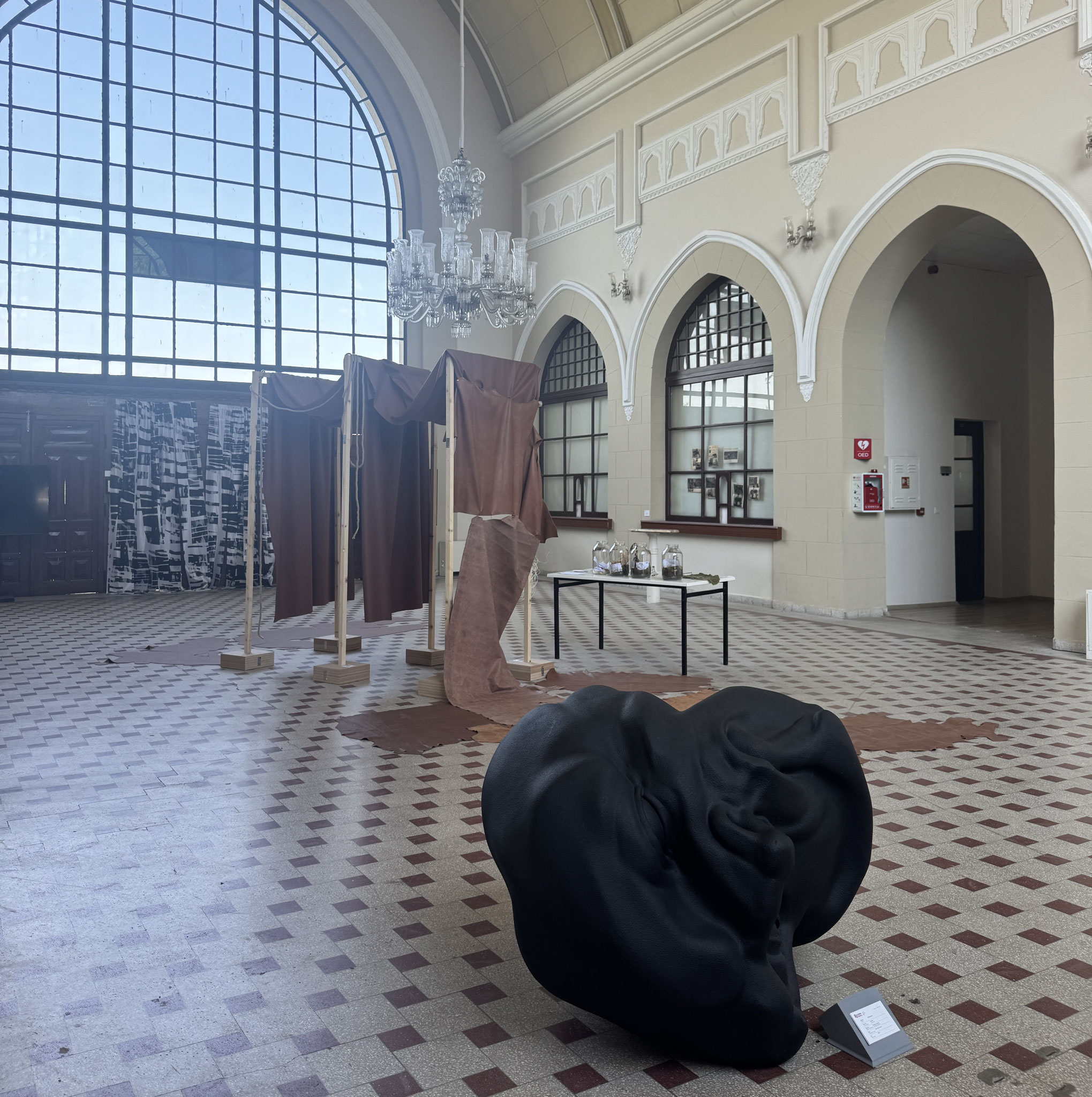
Directly on the campus grounds, the imposing Lausanne Monument serves as a reminder of a crucial turning point in history. It commemorates the 1923 peace treaty, which officially ended the Greco-Turkish War and permanently established the borders of the Edirne region. Since Greece was unable to pay financial reparations for war damages, it ceded the strategically located border area of Karaağaç to Turkey as compensation, making the site a profound symbol of peace today. This intersection of history and contemporary culture is also reflected in the newly established Edirne Biennale, which fills the old station building with international contemporary art exhibitions. Under the theme of "Bridges," the creative installations transform the historic rooms and train wagons into a vibrant space for dialogue.
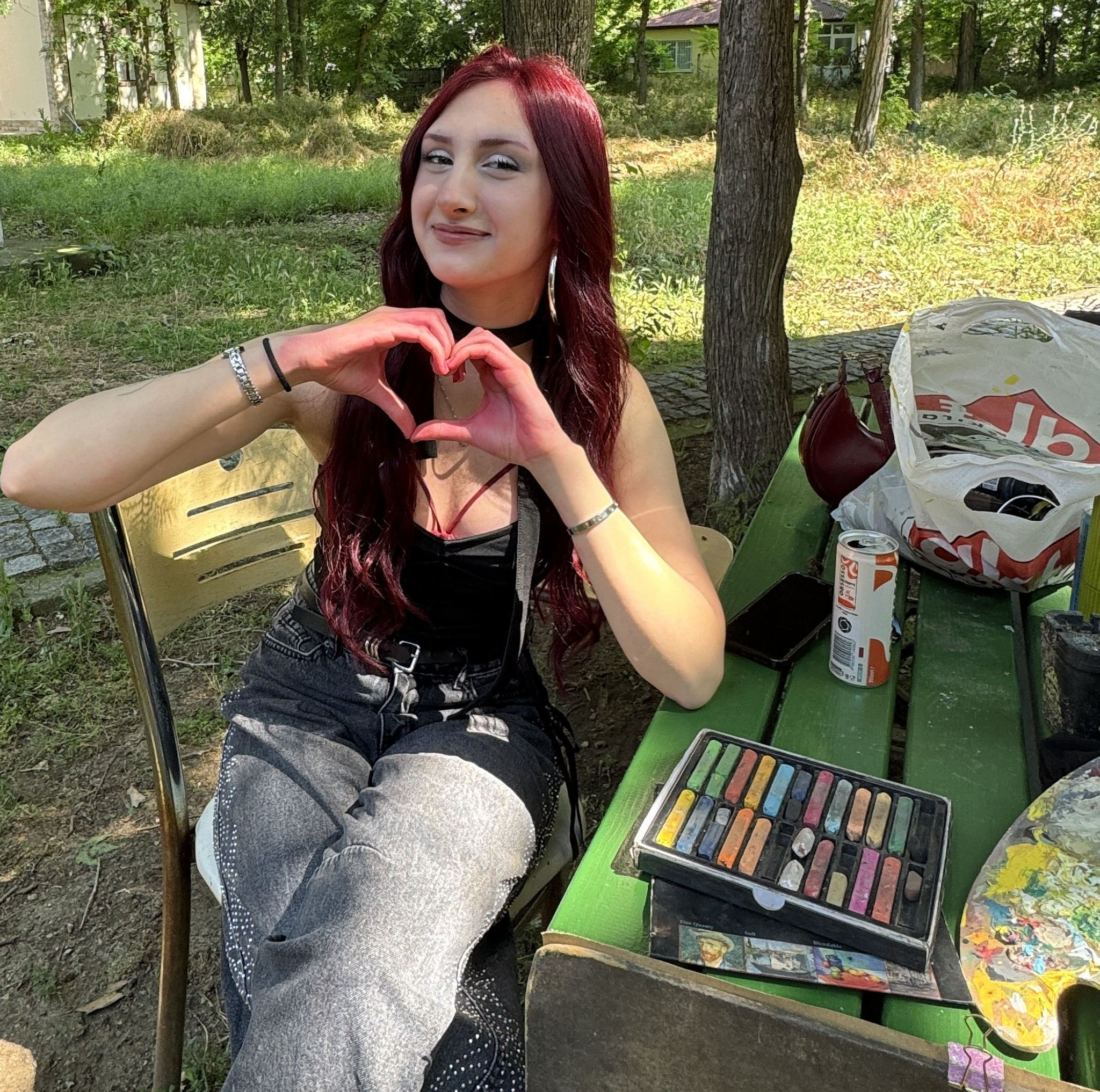
Here, in this seeming oasis of peace, a conversation unfolds with 19-year-old Gökçe, a passionate first-year art student. As she sits on campus trying to capture fleeting moments and memories in her drawings – describing her perspective as watching "a view, like a movie or a cinema"– the contrast between the beauty of the surroundings and the realities of her daily life quickly becomes apparent.
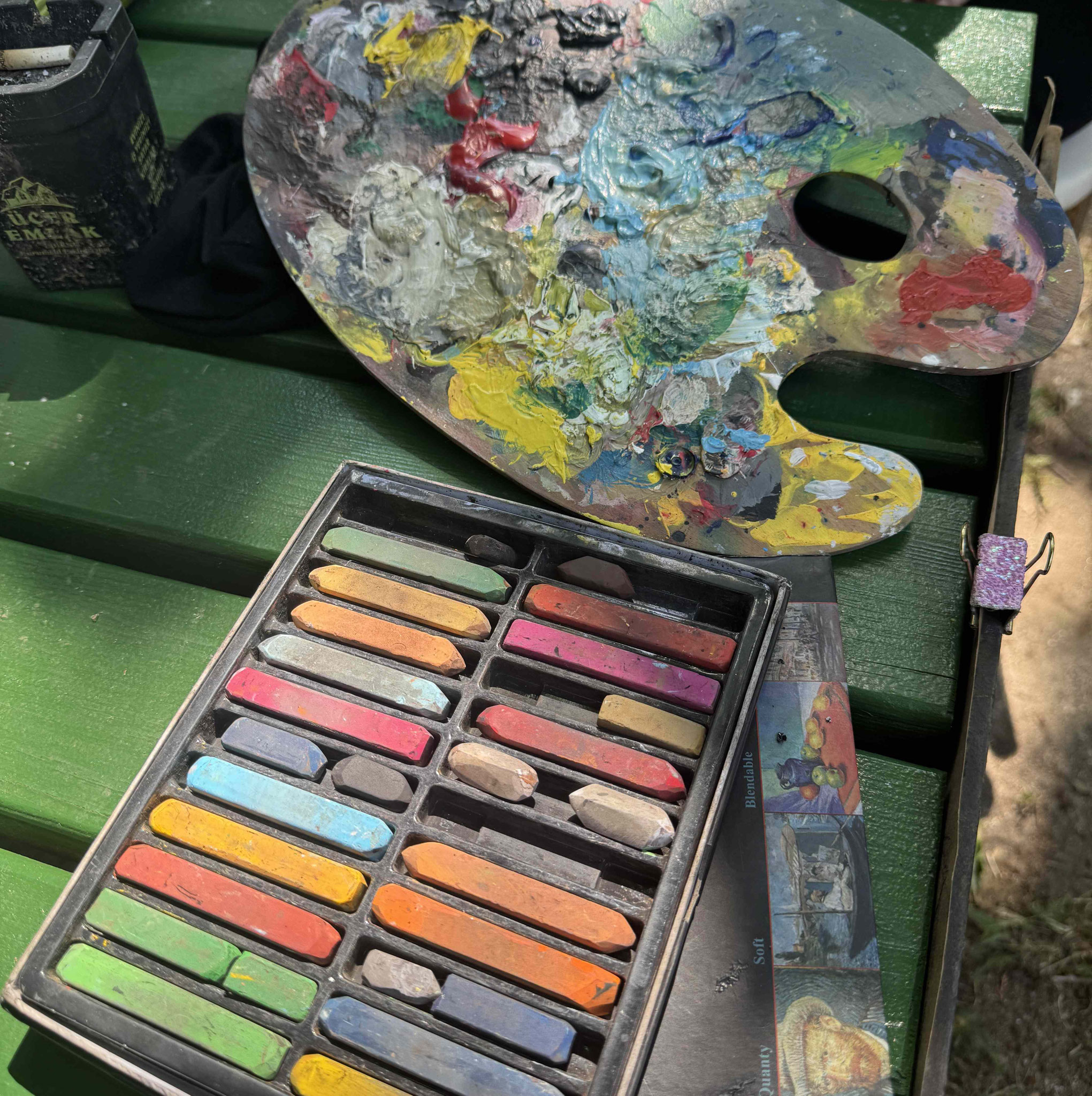
Gökçe studies painting, experimenting with chalk and various other mediums. Although she describes the campus as a "perfect place to be free", the academic pressure is intense. Professors demand strict adherence to assignments and offer harsh critiques—a tough environment, but one she views as necessary for growth: “We have to listen to the bad to grow up and get better.”
Beneath her creative passion, however, lies a deep pragmatism and concern for the future. Gökçe’s original dream was to become a teacher, inspiring children to engage in free thinking and free painting. Yet, the reality of contemporary Turkish society dampens this optimism: without the right social connections, one risks unemployment despite a university degree. Furthermore, rigid school curriculums leave little room for artistic freedom. As an alternative, she has taken up tattooing – a craft currently booming among students as a viable path to financial independence.
The conversation also touches upon deeper societal wounds. As a young artist and a woman in Turkey, Gökçe faces significant challenges. The issue of femicide and the lack of safety for women in major metropolises like Istanbul clearly weigh heavily on her mind. While she experiences Edirne and the Karaağaç campus as a safe haven, her longing for a fundamental societal change is profound.
Despite the hurdles, the encounter leaves Gökçe with a sense of optimism and hope. For Gökçe, it is a special moment: she is visibly delighted to be able to use her school English in real life for the very first time. To her, this exchange is much more than just a nice chat; it is a small piece of the openness and freedom she wishes to see for the future of her country. Amidst the ancient walls of the Karaağaç station, she dreams of a society where women can live safer and more self-determined lives. Yet, she is also aware that social change in her homeland is a slow process—but with her art and her clear vision, she is already a part of it.