In the seclusion of Zlatograd, a centuries-old coffee culture survived world wars, dictatorships, and closed borders. A stroll through the old town of Zlatograd in the deep south of Bulgaria, where East and West merge peacefully in a single cup.
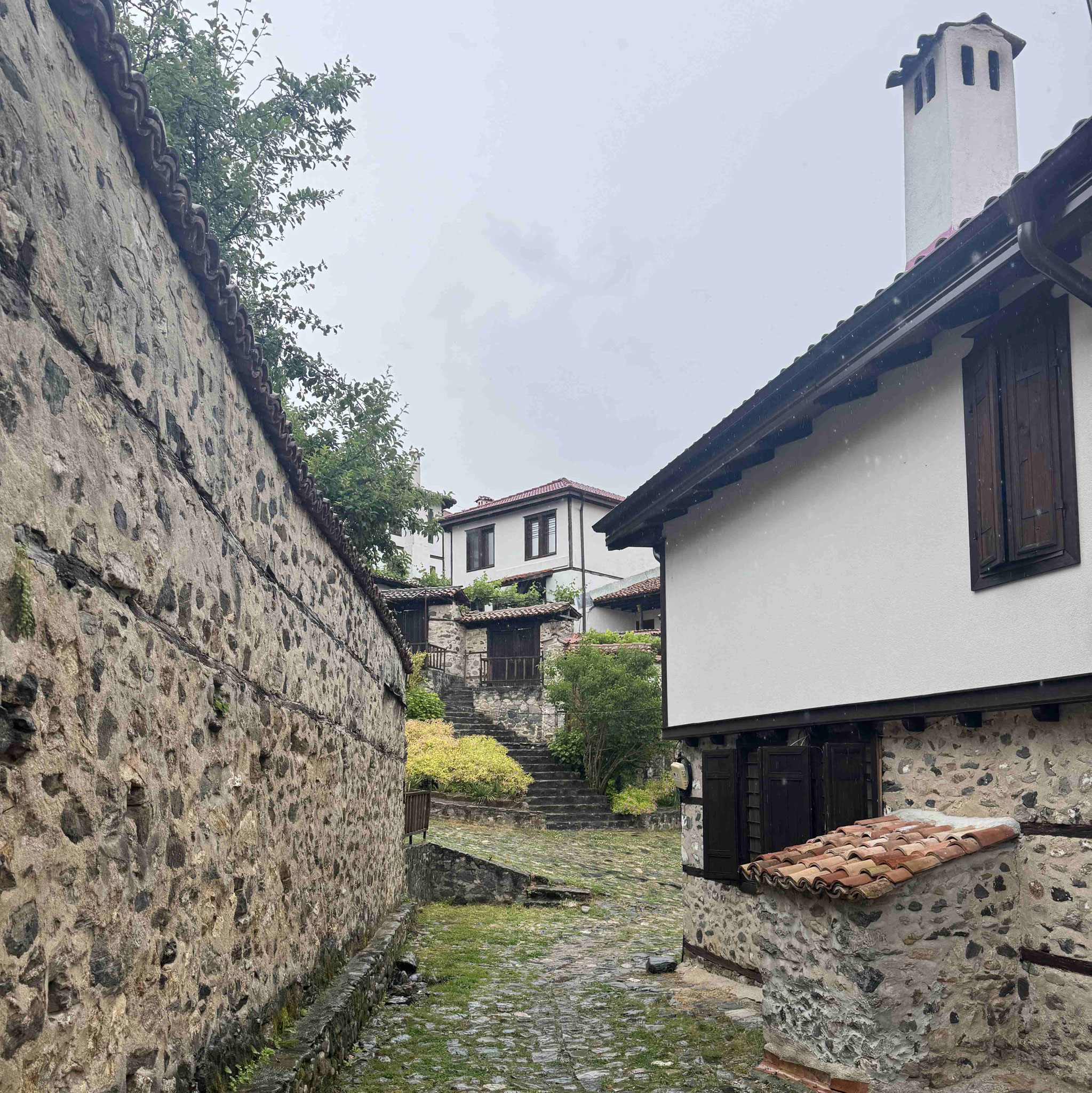
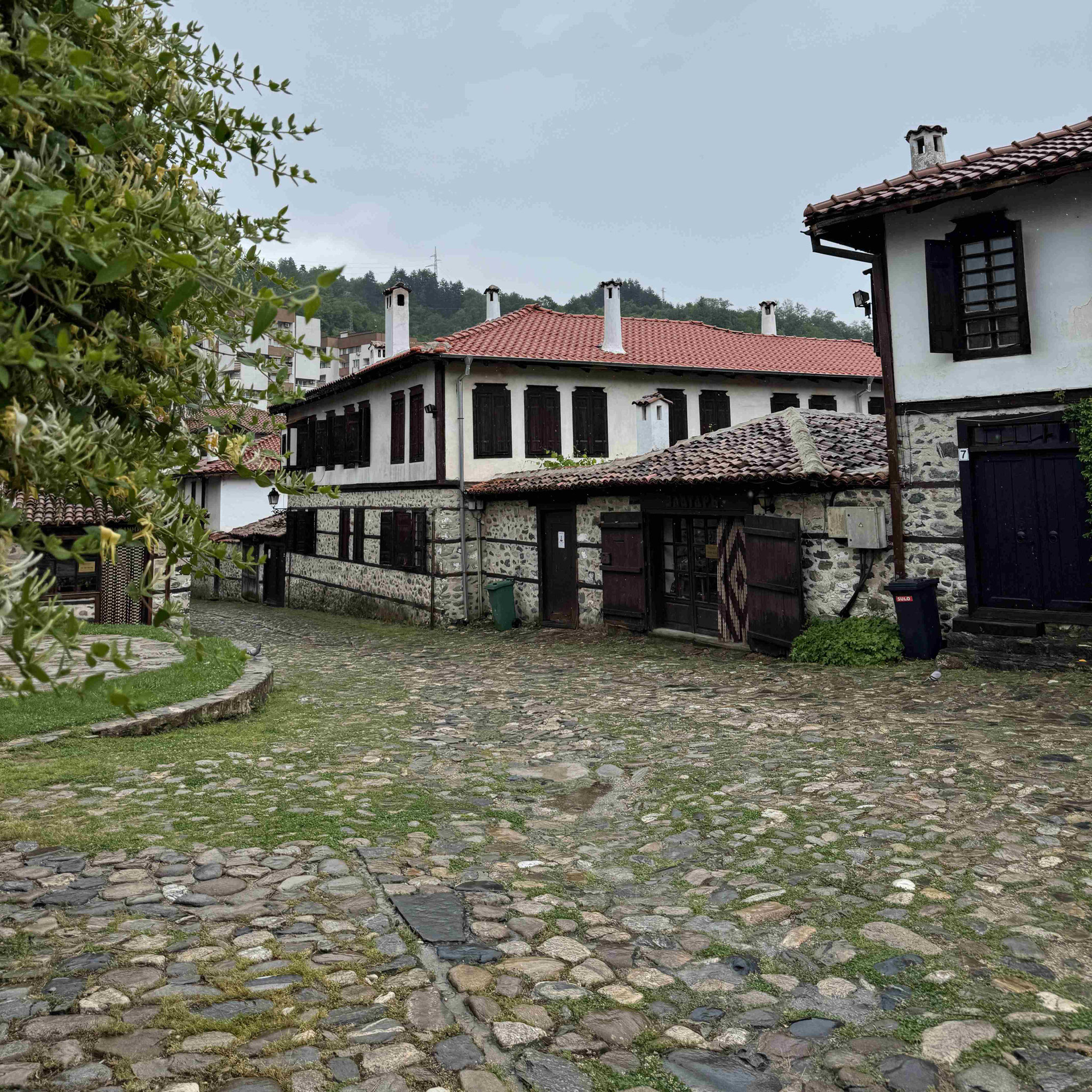
Anyone stepping into the narrow, cobblestone alleys of Zlatograd’s historic quarter quickly notices that time follows a different rhythm here. Between the lovingly renovated white houses with their distinctive bay windows, a heavy, sweet scent hangs in the air - the aroma of freshly roasted beans. Here, close to the Greek border, Vaklin Baschev celebrates an old craft every day: the spinning of traditional Zlatograd coffee (zlatogradsko kafe).
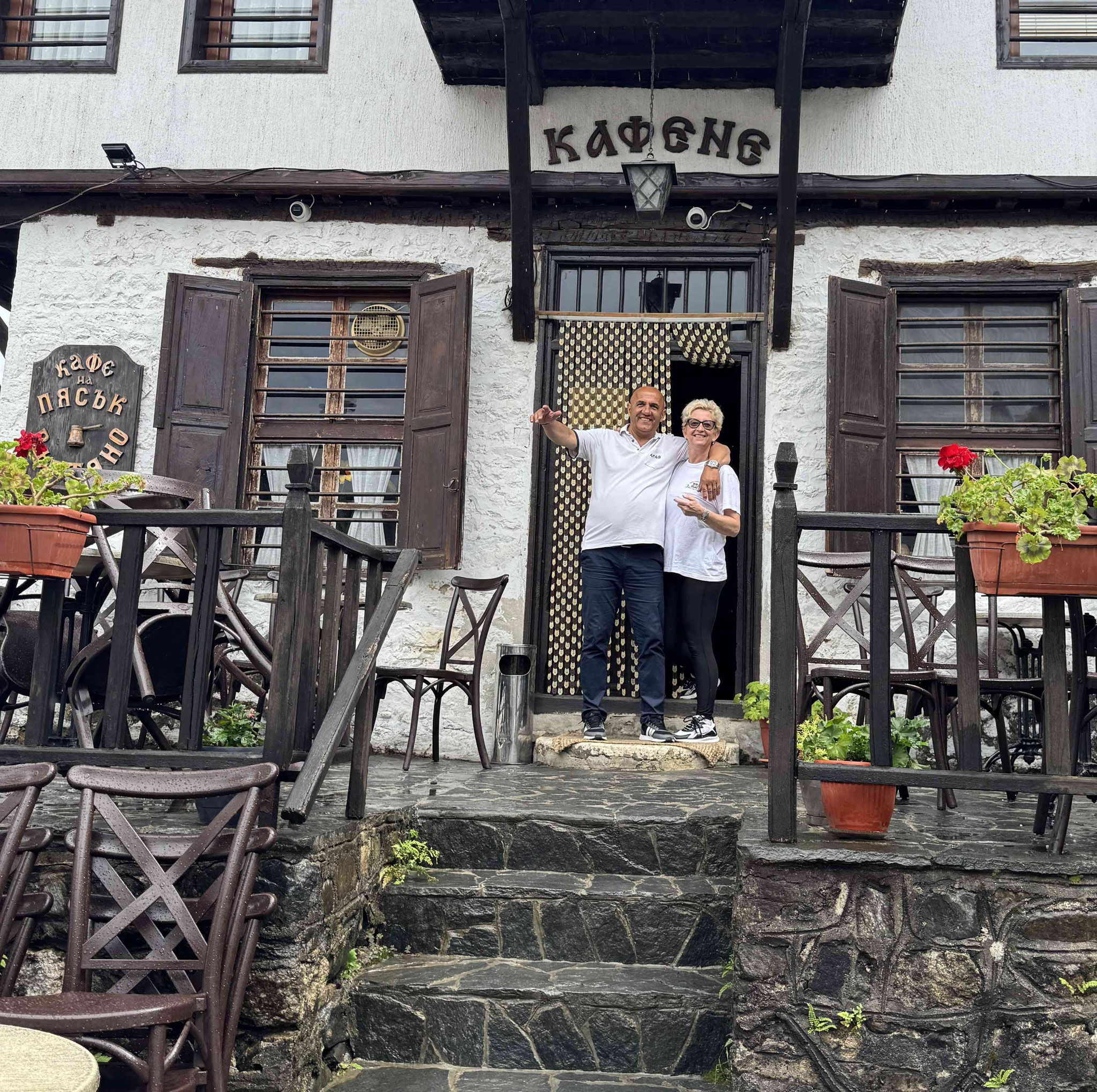
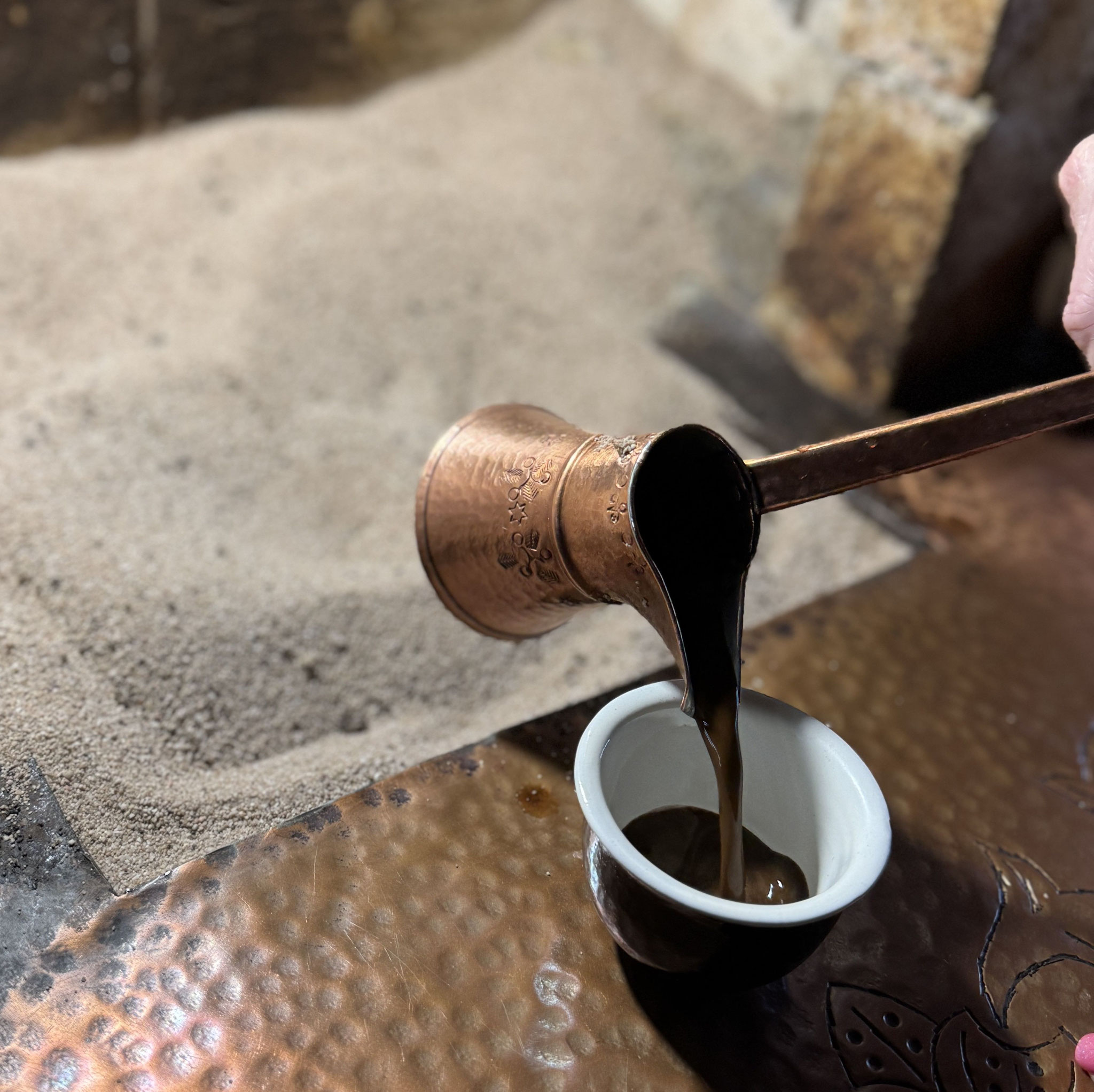
Vaklin works in a meticulously reconstructed café in the heart of the old town. In front of him sits a large vessel filled with hot sand, which used to be heated by an open fire but is now heated electrically. With a steady hand, he guides the copper cezve (coffee pot) through the glowing grains. Within seconds, the brown foam rises along the edges. It is a fascinating spectacle that requires exact balance.
A Seventy-Year-Old Secret
However, the real spectacle only begins when the hot beverage is served. Vaklin places the filled coffee cup onto a historic, round metal tray suspended by chains and, with a swift, sweeping motion, whirls it in a circle through the air. "Centrifugal force beats gravity - not a single drop is lost," Vaklin explains.
"This is the original tray of the old master from nearly 70 years ago," Vaklin says proudly. "When spun, the coffee stays within the foam, and the coffee grounds settle at the bottom. Without spilling. This is a very old tradition from Zlatograd."
The taste is intense, creamy, and possesses a subtle, unobtrusive spice. Vaklin does not reveal which beans he uses for this specialty coffee. "It is a blend of several varieties, the exact recipe of which is guarded like a state secret," he smiles mysteriously. "That is an old secret from Zlatograd, passed down from the old master."
The Legacy of the Ottoman Empire
The region's coffee tradition is closely intertwined with the turbulent history of the Balkans. For five centuries, Bulgaria was under Ottoman rule - or, as Vaklin calls it, "under the Ottoman yoke." In the Rhodope Mountains, this era left behind a deeply rooted coffee culture.
In his café, the coffee is prepared in the Turkish fashion. "The raw coffee is moistened, roasted in the oven, ground in the mill, and then brewed," he explains passionately, gesturing wildly. According to Vaklin, the tradition continued seamlessly even during the communist era - even though life in the town back then was entirely different.
Workshops Below, Living Spaces Above
The fact that this historic townscape can still be admired today is thanks to a visionary rescue operation. After the end of socialism, many of the centuries-old buildings were left to decay. As early as the 1990s, the extensive restoration of the historic old town began on the initiative of a private individual and with the investment of private capital.
This led to the creation of Bulgaria's first private ethnographic areal complex. While the ground floors were turned into lively workshops for traditional crafts such as weaving, pottery, or indeed Vaklin’s café, local families continue to use the upper floors of the heritage-protected houses to this day.
From a Restricted Area to a Cultural Center
"Tourism was unthinkable before 1989," Vaklin recalls, thinking back to the decades behind the Iron Curtain. "We were a sealed border zone, fenced off and strictly monitored. Anyone who wanted to visit us had to go to the police, apply for a permit, and explain exactly why and for how long they were staying. Back then, it was absurd to think of tourists coming just to drink coffee. In those days, it was all work. We had mines. Lead, zinc, and ore were mined here. And we had a textile factory."
The tourist turning point came about 25 years ago with the opening of the lively "open-air museum." With a great deal of passion, craft businesses resettled here - and right in the middle of it all was the café, which today attracts people from all over the world. "They come for the absolute express purpose of experiencing this famous Zlatograd coffee," Vaklin says proudly.
A Lesson in Tolerance
Yet Zlatograd is more than just a tourist attraction; the small town is also a model for society. "In a region that was historically often torn apart by ethnic and religious tensions, Bulgarian Christians and Bulgarian Muslims - often referred to as Pomaks—live together here in remarkable harmony," Vaklin says warmly. "The painful wounds of the past - namely the brutal assimilation process of the late 1980s under the communist regime, during which Muslims in neighboring regions like Kardzhali were forced to change their names or pressured to flee to Turkey - are no longer a matter of contention in Zlatograd. Since the arrival of democracy in 1989, this dark chapter has been closed."
"Christian Bulgarians make up the majority, but we also have Bulgarian Muslims," Vaklin emphasizes. "We have very good relations. We get along wonderfully, Christians and Muslims alike. Everyone is completely free to choose their religion, to practice it, and to honor it. It matters absolutely not at all; it isn't even a topic of discussion. I see no difference whatsoever. The important people of the world should feel free to come to us and see how coexistence works here."
For the future of his homeland, the coffee master has modest but clear wishes. He hopes that tourism will flourish and that people will stay healthy. Thanks to the European opening of the border, neighboring Greece has finally become accessible as well. "Today, it takes us less than two hours to drive to the beach in Greece," he shares enthusiastically. It is the transformation of a hermetically sealed town into an open, hospitable place of culture in the heart of the Rhodopes - perfectly symbolized by a cup of hot coffee, spun in the sand.