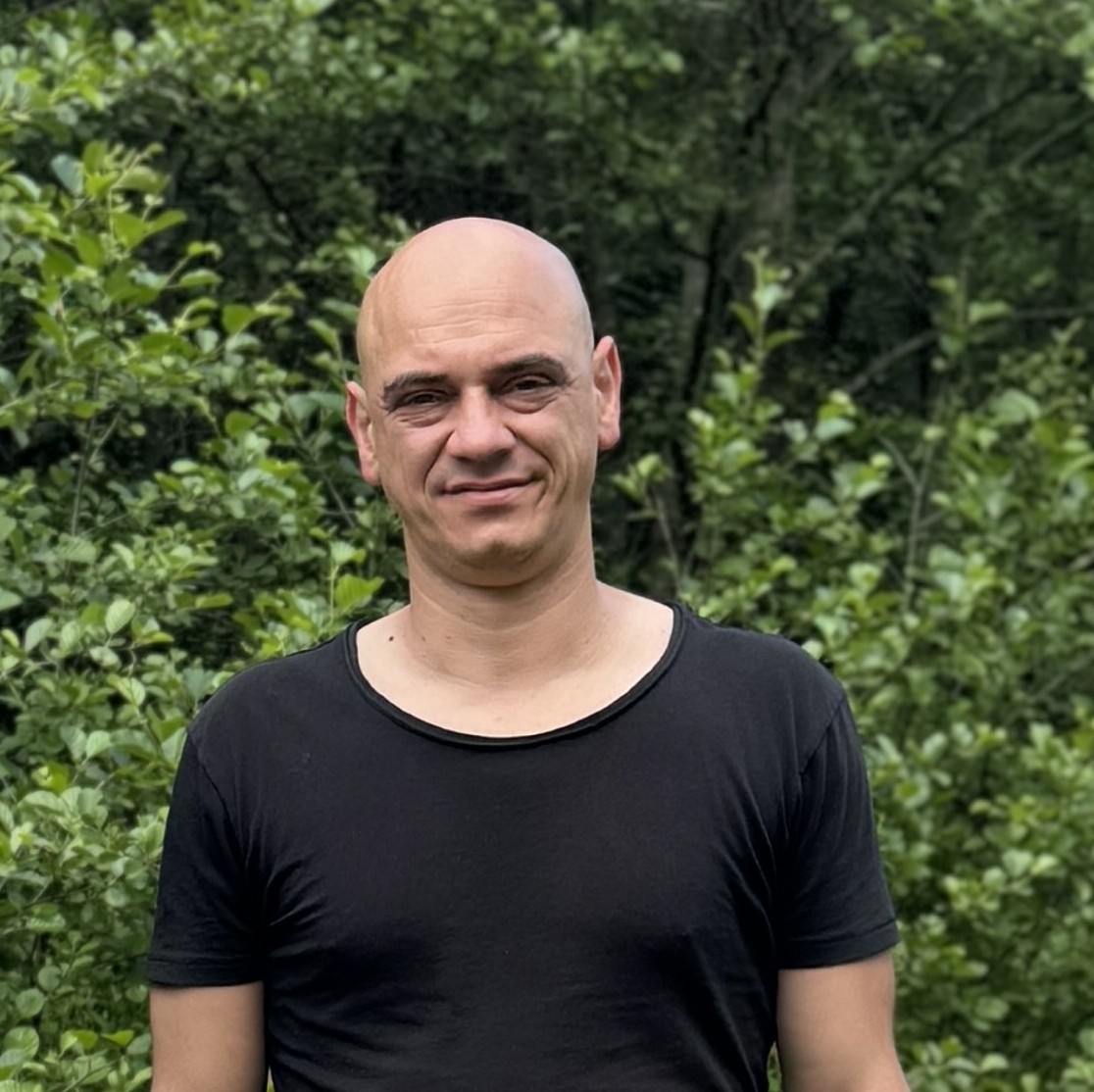
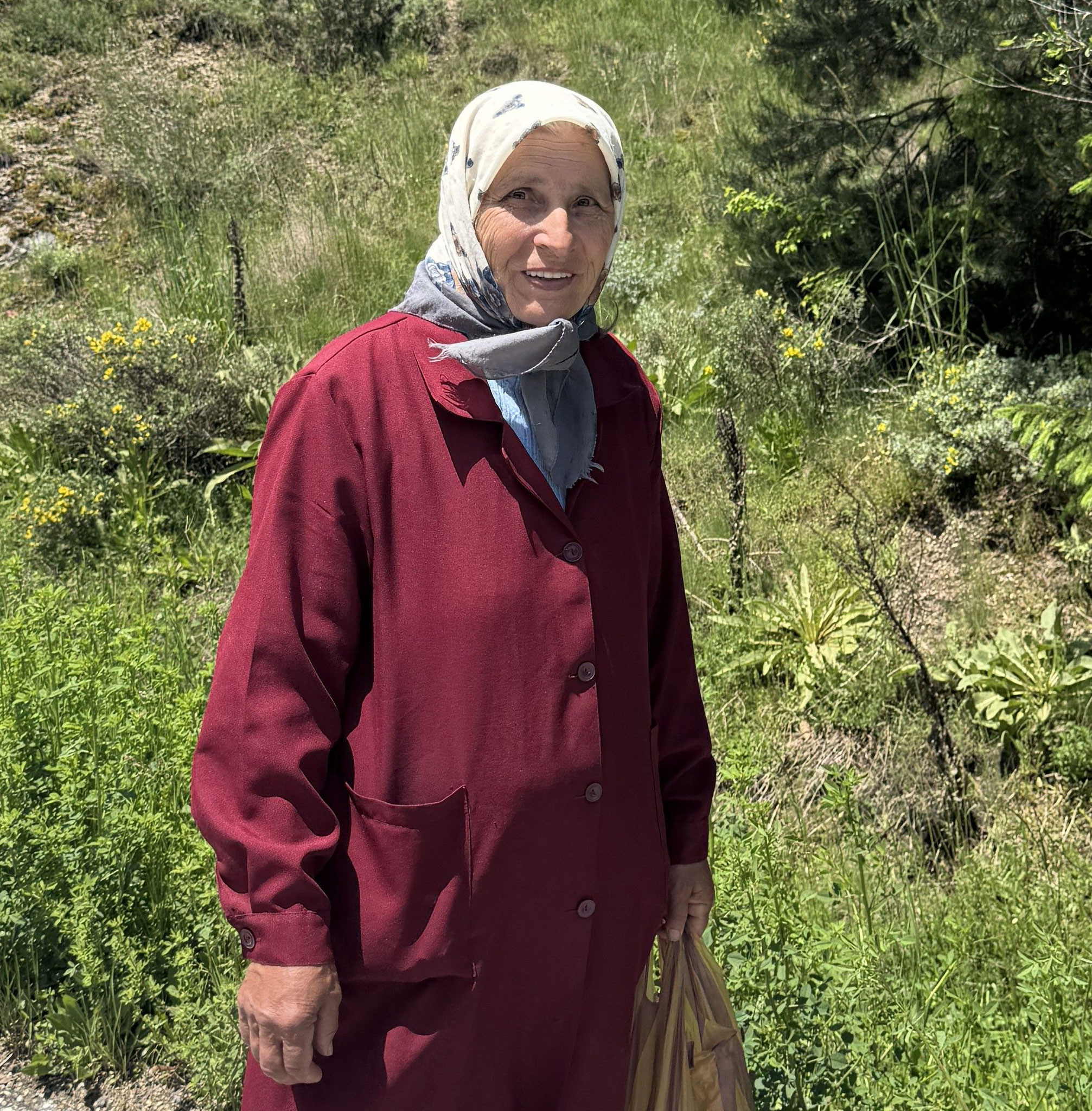
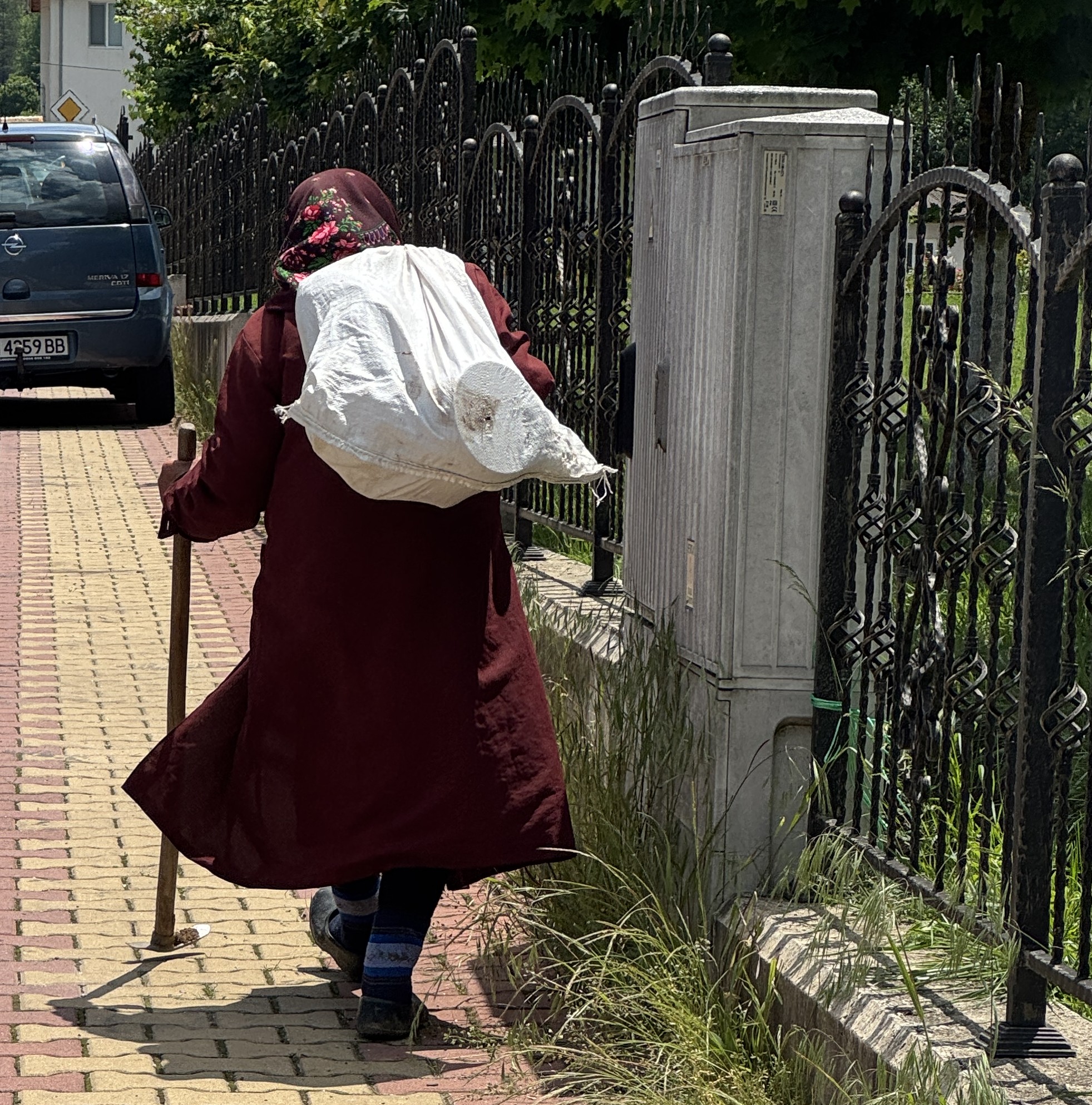
For the residents of the village of Chepintsi, the immediate proximity to the border meant a life in permanent isolation. The village was a self-contained cosmos. Anyone wishing to enter or leave had to undergo lengthy checks and present special permits, as Riza Brahimbashev (Mayor of Chepintsi) and Rahim Hadzhieminov (translator) know from the stories of their parents. "You always needed a valid reason and an official stamp just to be allowed to enter the restricted zone at all," says Riza.
In addition to the geographical isolation, the local population of the Pomaks was subjected to a brutal, state-mandated policy of assimilation. The Pomaks are Muslim Bulgarians who speak a Slavic Rhodope dialect and feel entirely Bulgarian. Although they have no connection whatsoever to Turkey and do not speak a word of Turkish, they were often categorically equated with the Turkish minority by the socialist regime and parts of the majority society due to their faith. Driven by nationalist ambitions and fear of influence from the neighboring Muslim country, the dictatorship attempted to violently erase any Islamic identity in the country during the final years of its existence. Arabic-Islamic names in the official documents of those affected were systematically replaced with Bulgarian-Christian names.
Mayor Riza describes this deprivation of identity through his own childhood. "Everyone in the village called me Riza from birth – that is a name of Arabic-Iranian origin," he explains. "But the authorities forced my parents to give me a Bulgarian name for official documents. So, my official name in my passport during the communist era was 'Emil' to avoid reprisals." It was only after the collapse of the regime that people regained the right to have their birth names officially restored.
Religious practice was also drastically restricted. Traditional Islamic burial rituals were banned and replaced by state-mandated ceremonies in the socialist style. Anyone who wanted to pray or celebrate religious holidays had to do so in secret within their own four walls.
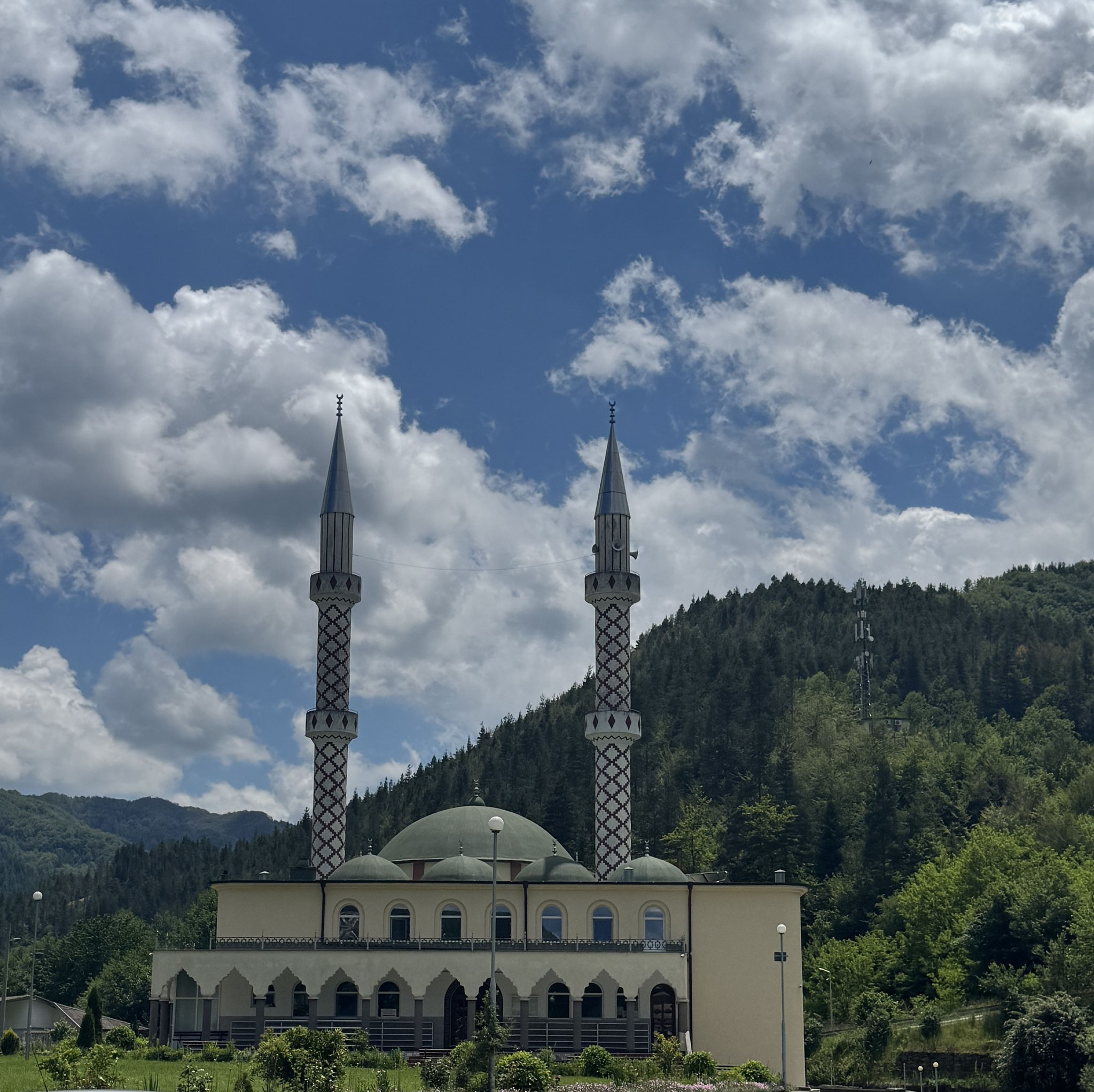
Despite these historical wounds and the challenge of an aging society, the people in Chepintsi look to the future with confidence today. Following the fall of the Iron Curtain, they regained their religious freedom, and the village community built new mosques through their own efforts. Coexistence between the Muslim majority and the Christian minority in the Rhodopes is considered exemplary today. "We share the same culture, the same living conditions in the mountains, and many common traditions," says Riza. As examples, he mentions the Kurban festival, where soup is cooked for the entire village, as well as ancient, pagan spring rites like casting out winter spirits. "These traditions belong to the people of the Rhodopes – regardless of their religion."
For the 30-year-old Rahim, the historical external designation "Pomaks", which was ascribed to his community by the Christian-Bulgarian majority society, is no longer a taboo, even if he questions it: "For me personally, it's completely fine if people call us Pomaks. Even if the word is sometimes used derogatorily by some, such as football fans in Sofia, or mistakenly used as a synonym for Turks or Roma." Ultimately, Rahim notes, the term makes little sense anyway: "We speak a Bulgarian dialect, maintain Bulgarian traditions, and feel like Bulgarians. The only difference in the end is our faith."