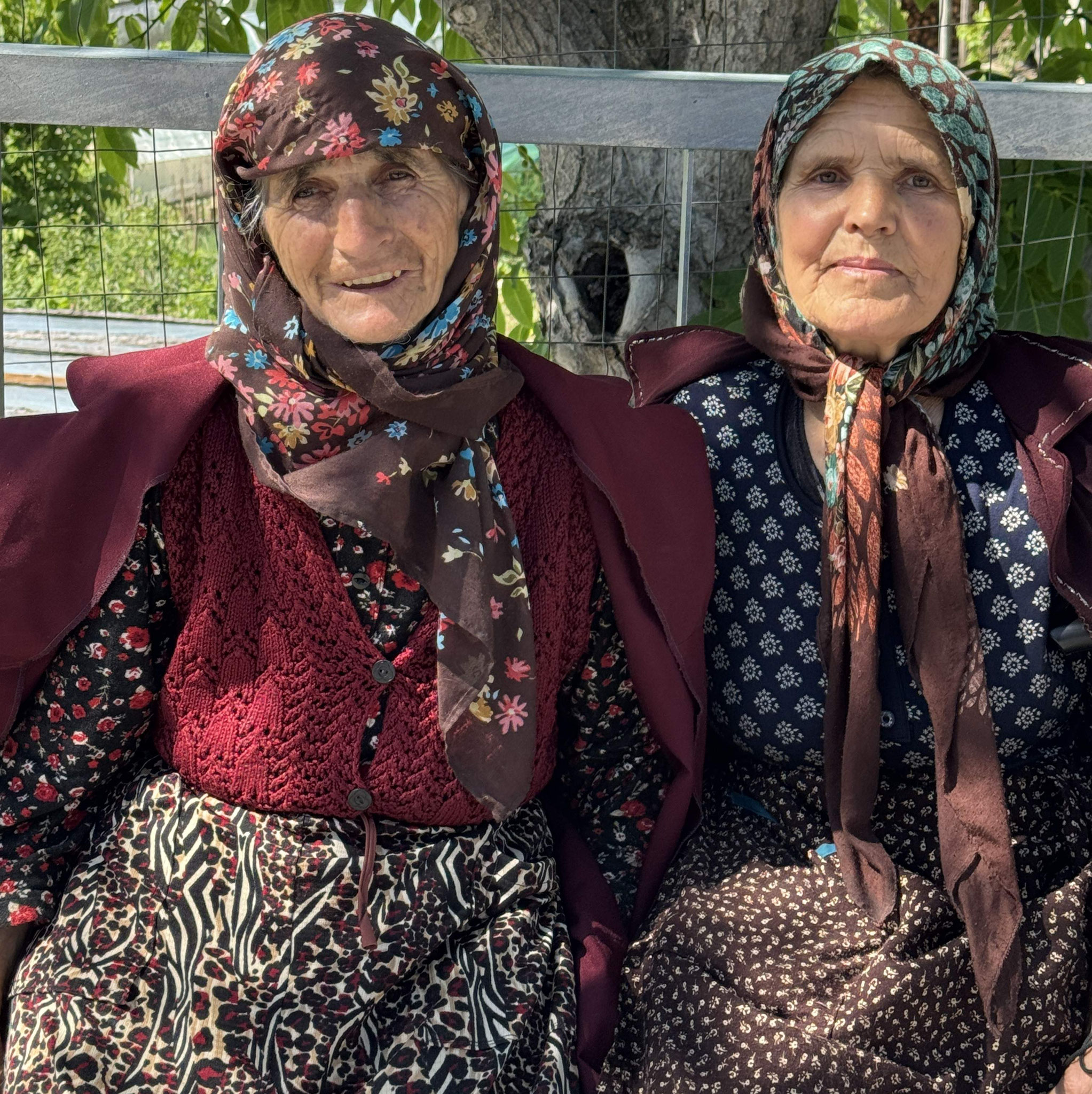
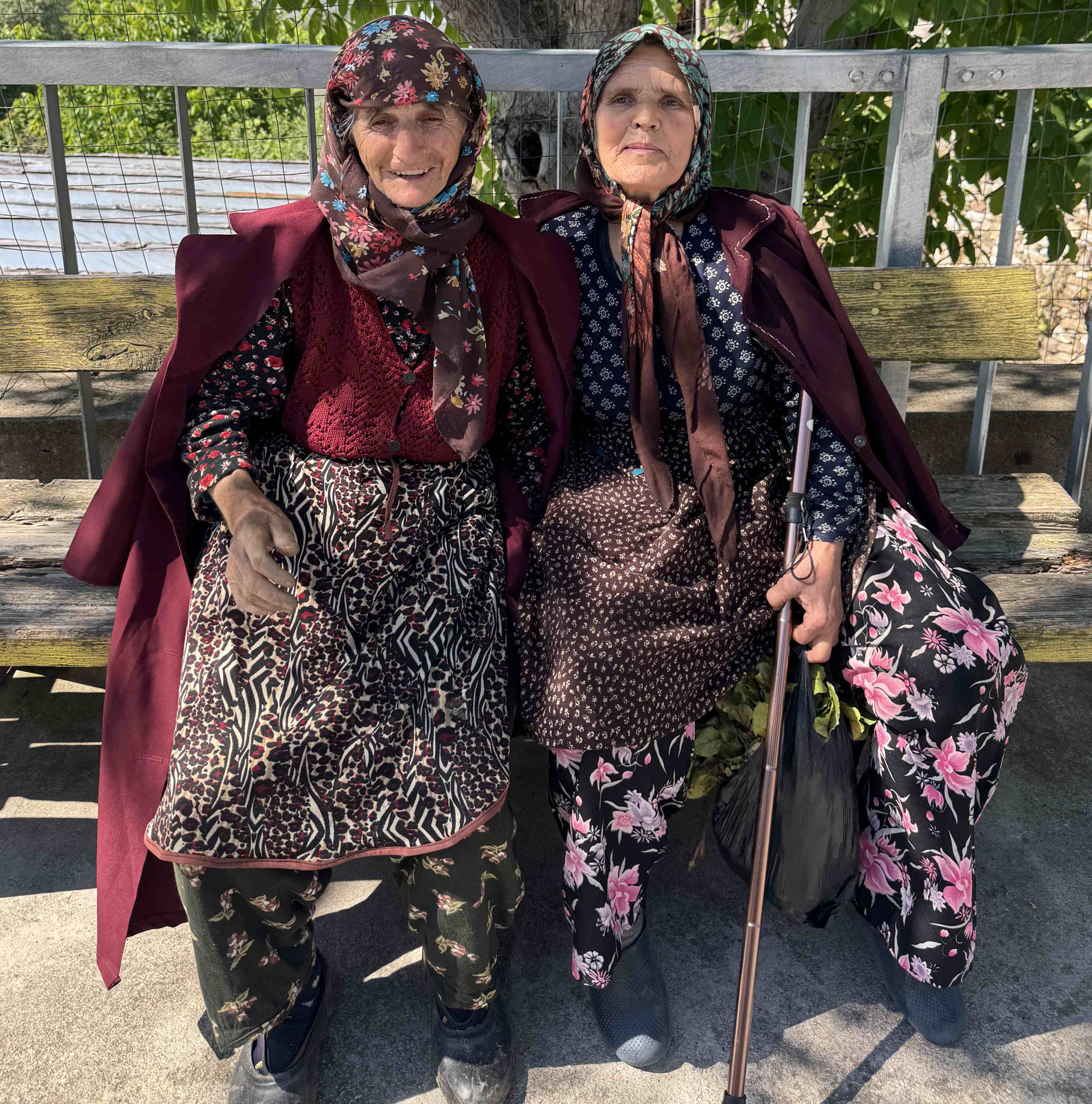
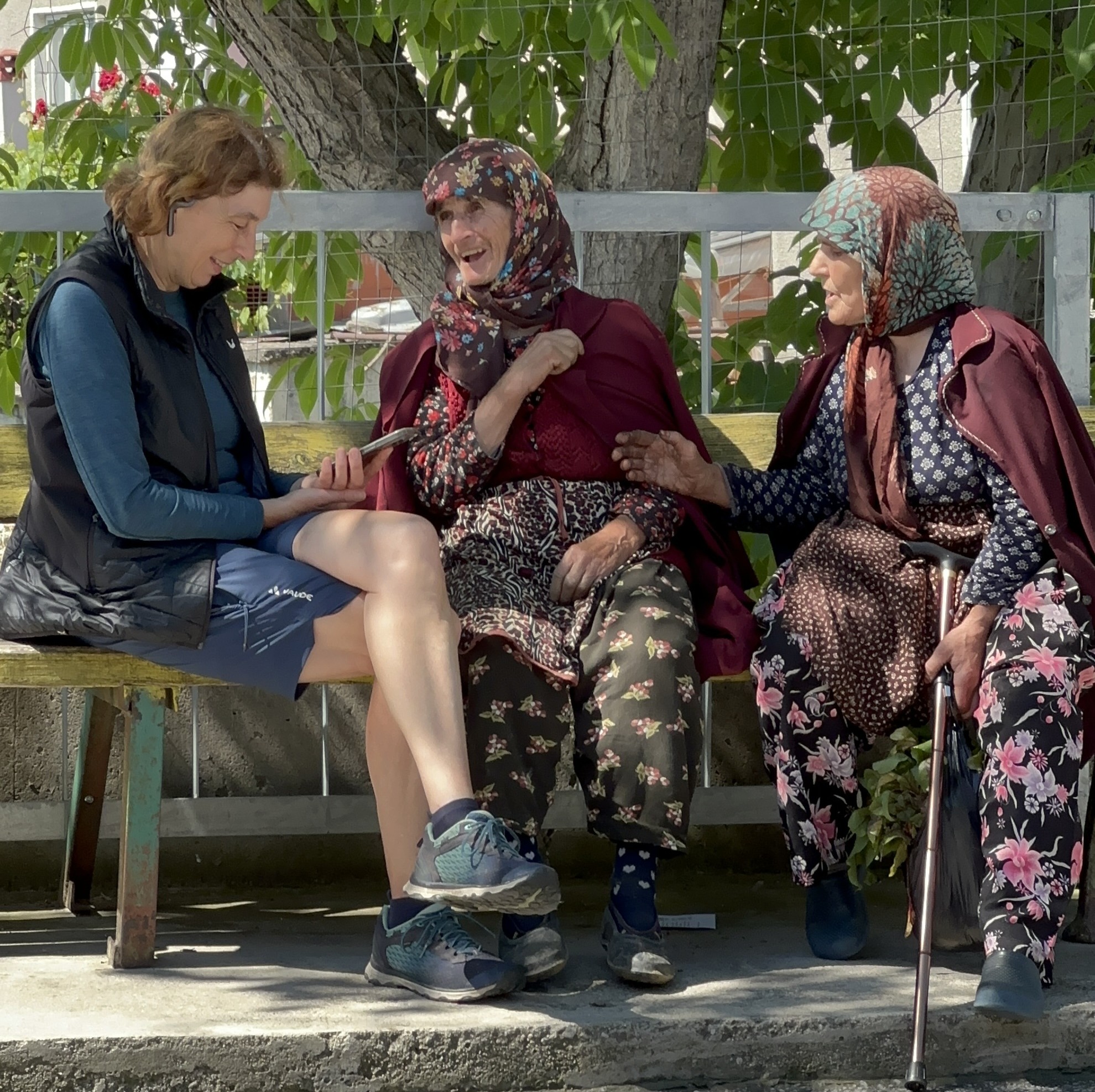
A hot morning in the western Rhodopes, the mountain range in southern Bulgaria. Two elderly women are sitting on a wooden bench in the village of Valkosel. I brake, park my bicycle, and try to strike up a conversation with them. It works. They are willing to do an interview. Without hesitation, the younger of the two places the headphones of the translation device over her headscarf. I cannot verify whether the AI is translating everything correctly – a rather strong Rhodope dialect is spoken here, which pushes the technology to its limits.
Fatma, 68 years old, and her 78-year-old friend live in the neighborhood and meet here regularly. A conversation with them opens a window into a world shaped by heavy physical labor, but also by deep resilience.
A Life for Tobacco
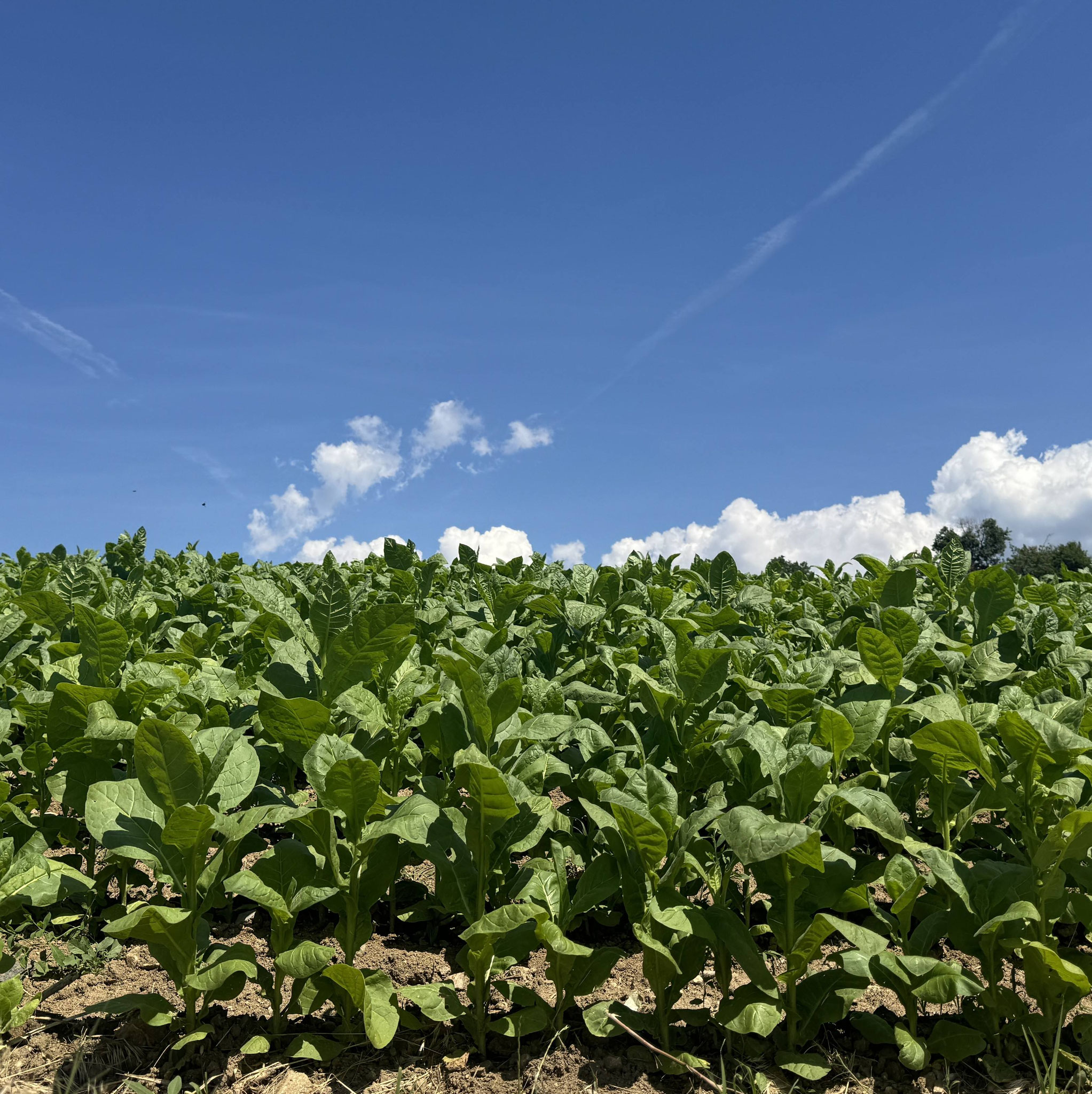
Fatma has spent her entire life in this mountain village. "I was born here, I got married here, and I started a family. I have three children," she says. Like so many in this region, her livelihood was tied to a single plant from an early age: tobacco. "We are marked by this agriculture. It was hard, miserable work. But tobacco was our livelihood. Nothing else," Fatma recalls.
Today, hardly any tobacco is grown in the village. Although the state still pays small reference subsidies, the great era of tobacco is over. The younger generation has found other jobs and only helps out in the fields during their spare time.
The Wounds of Communism: When Names Vanish
Life in Valkosel was not easy under the communist regime. Fatma describes a constant feeling of anxiety. Yet the most painful memory for the Muslim community concerns the so-called "Regeneration Process" of the 1970s and 1980s, when the regime forced the Muslim minority to assimilate.
"That was the only bad thing back then, that our names were changed," she explains. "Our names just vanished back then. It was hard. Our parents were taken away by the police and beaten. It tormented the people. For fifteen years, we had to live with those foreign, Bulgarian names."
Despite this traumatic experience, Fatma also recalls the positive sides of that era. "I had a beautiful life. I was at peace during communism," she says. This is a contradiction often found in Eastern Europe – a longing for the social security of the past, coupled with the pain of state tyranny.
It was only after the collapse of the regime that they received their identity back. Today, she proudly uses her real name again: Fatma Az. When asked whether she feels a sense of belonging to the Pomak minority, she responds evasively and cuts off the topic. Whether she prefers not to answer or the AI is malfunctioning remains unclear – but it shows how sensitive questions of identity remain in this border region to this day.
Looking Forward: Proud of the Youth
Despite the historical disruptions, the women look back with pride on what they have built. The focus has shifted – away from the grueling field work, toward the education of their children and grandchildren. The hard work in the mountains laid the foundation for the advancement of the next generation.
Today, the youth are moving away, either to Bulgarian cities or abroad. One of Fatma's daughters works in agriculture in France, while the other studied chemistry in Bulgaria, earned her PhD, and now works in a research laboratory. The children and grandchildren of her 78-year-old friend have also gone far. Despite her advanced age, the friend is still considered tireless in the village, working with the animals and out in the fields. "She raised her children wisely and now has lifelong support," Fatma says admiringly. "There are even dentists among the grandchildren. The whole family respects her."
When the AI Surrenders
At the end of the conversation, things get chaotic when the technology completely surrenders. Due to the noise of passing cars, the translation device misunderstands the women and suddenly throws bizarre German words like „Blasphemien“ (blasphemies) into the room. The women take it with humor and joke with each other. Fatma playfully suggests passing the headphones to her older friend so that she can tell me her life story and about the Louvre.
What remains is the image of two women who, despite historical upheavals, hard work, and deep wrinkles on their faces, radiate an unshakeable warmth. The break is over; both women leave the bench in Valkosel and likely head back to their work.