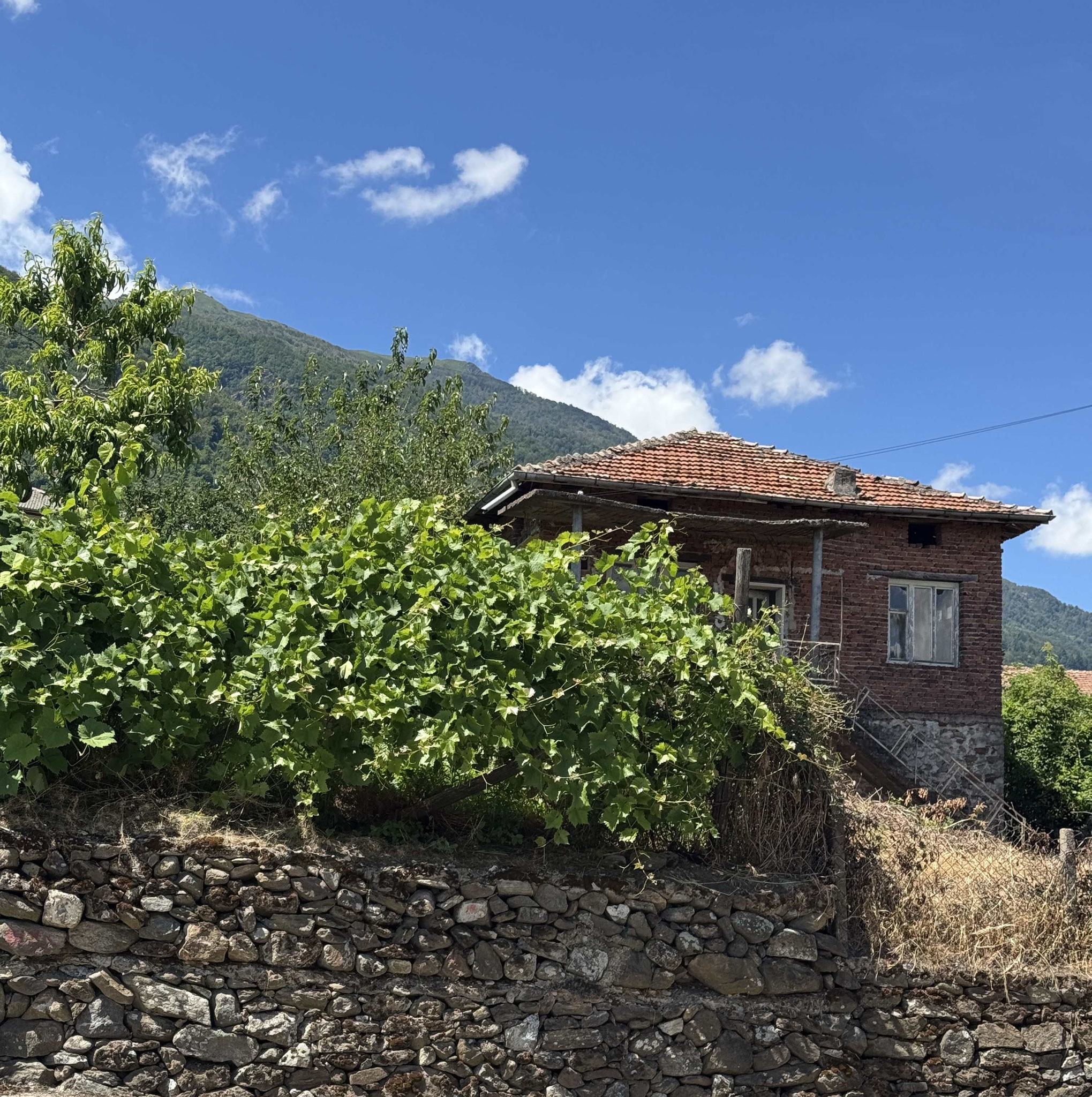
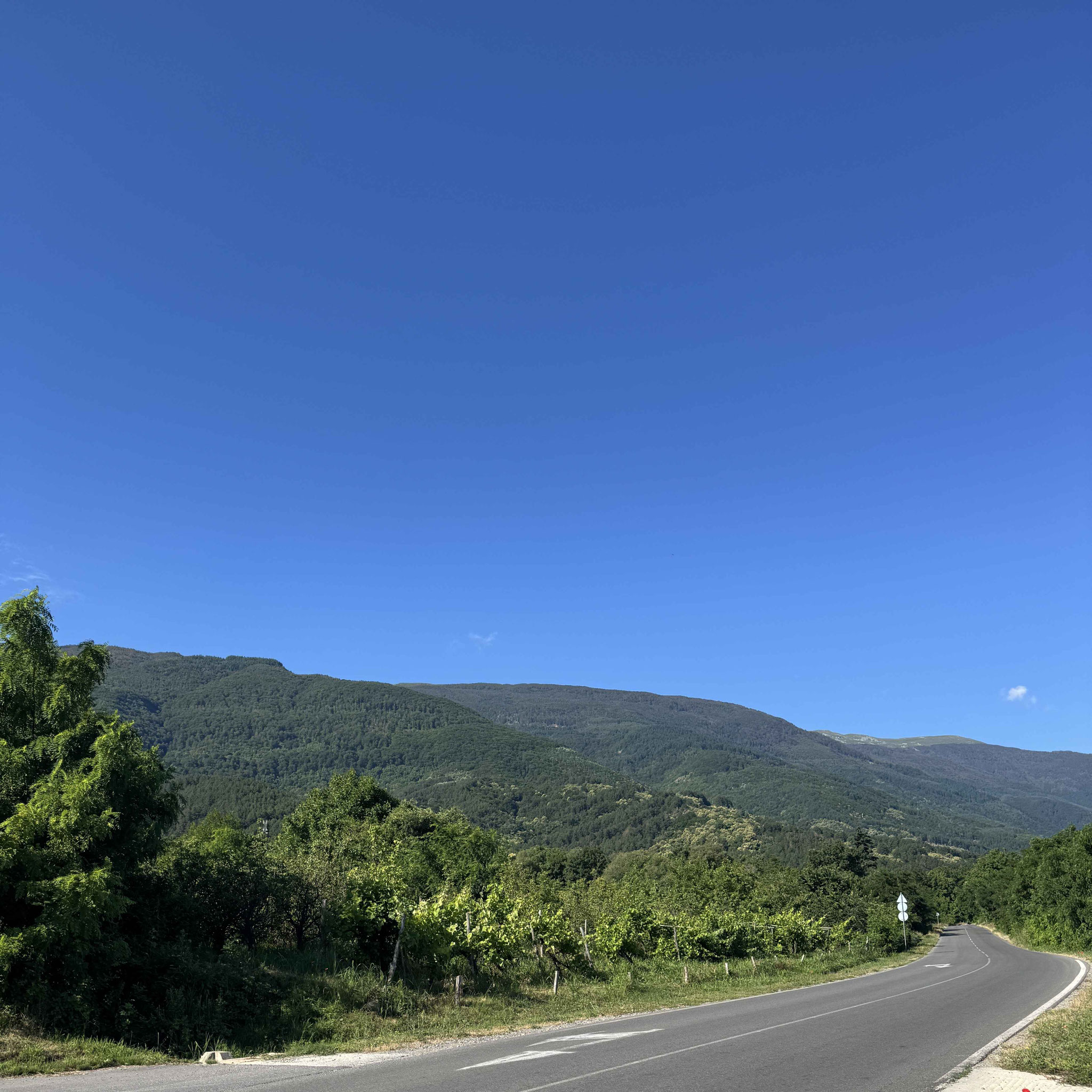
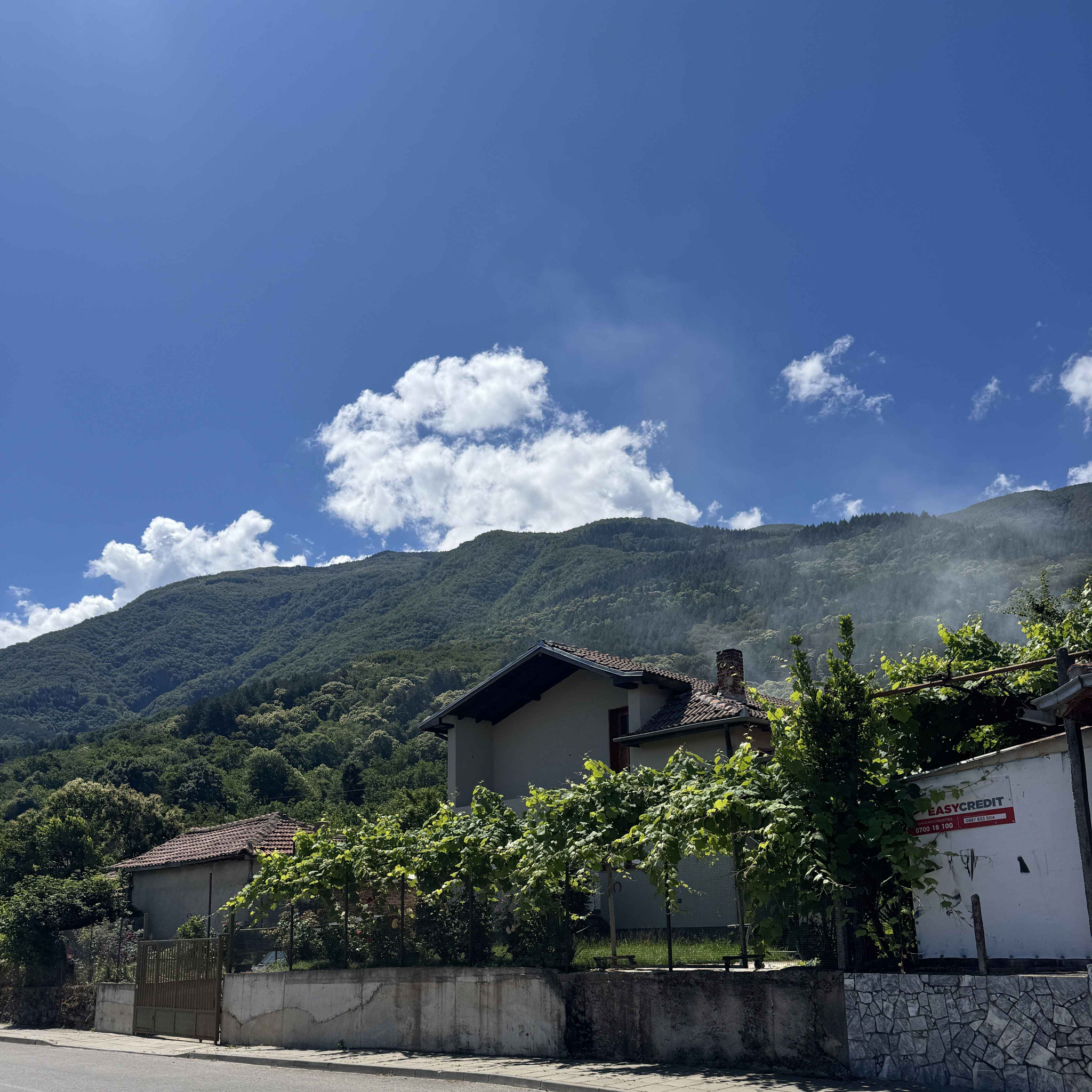
Atop the striking ridge of the Belasica Mountains runs the border with Greece, while down at the foot of the mountains, several villages nestle against the slopes like strings of pearls. The last in this line is Gabrene. Due to this location, the village finds itself at the tripoint between Greece, Bulgaria, and North Macedonia (then Yugoslavia). During the communist era, the village of Gabrene was in a geographical and political state of exception.
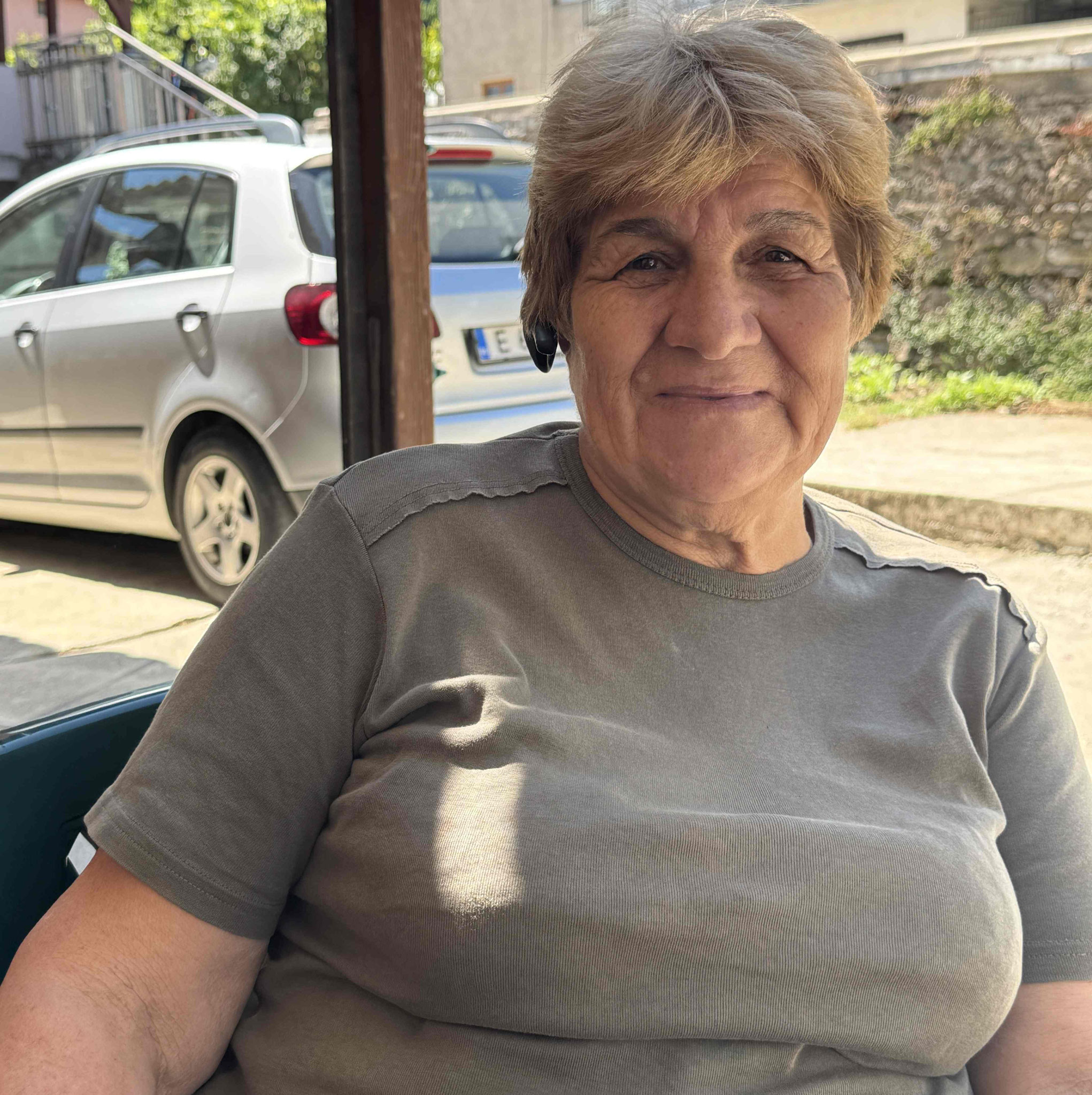
Today, the village is nestled peacefully into its surroundings, rich in chestnut forests, orchards, and vineyards. In the mountains, several waterfalls plunge into the valley, which can now be reached via hiking trails. Yet, life in this place was not always so peaceful. The 72-year-old Filka Bozhinova, who has lived in this Bulgarian border village for over five decades and worked there as a primary school teacher for 40 years, paints a vivid picture of daily life by the Iron Curtain in a personal interview. Her account makes it clear how heavily the geopolitics of the Cold War interfered with the lives of ordinary people - but also how the villagers preserved their humanity with wit and solidarity.
Life in the Forbidden Zone: Imprisoned in One's Own Country
During the communist era, the village of Gabrene found itself in a geographical and political exceptional situation at the tri-border area of Greece and former Yugoslavia (now North Macedonia). Filka Bozhinova describes that the border fortifications did not run behind the village, but rather cut Gabrene off entirely from the rest of its own country: "The village had a military facility at the border. And our village lay between the facility and the state border. To the east of the village was this facility, to the west the border. And Gabrene was caught between the military facility and the state border."
This life inside the absolute forbidden zone meant total isolation. Anyone who wanted to enter or leave the village was subjected to strict military control. Nothing moved without a passport and explicit permission from the commander. "They checked passports, ID cards, and the permit to see if you were even allowed into the village," the former teacher recalls. "The post commander could enter Gabrene at any time. Others, like us residents, only after a check. That was the worst part."
Freedom of travel did not exist. "We couldn't even visit our direct neighbors to the west and south." For the residents, there was only one permitted direction of travel: "We could only travel into the interior of Bulgaria and from there to other socialist countries. Yes, the Soviet Union was possible, but trips to Greece, Turkey, or Macedonia? No, that didn't exist." The villagers often endured this enforced isolation only with a bitter sense of gallows humor. They joked that their village was so hermetically sealed off from the outside world that it might as well be located in the deepest, most inaccessible jungle—cut off and forgotten.
Daily Life with the Border Guards
Despite the repressive function that the border troops fulfilled for the socialist regime, Filka describes the relationship between the villagers and the local soldiers as remarkably familiar. The young conscripts lived in the local border outpost (Zastava) and became deeply integrated into village life: "Because they guarded the border, they lived here in the border outpost. We used to visit them. Especially on March 8th [International Women's Day] with drums and music. We lived very well together with them."
The soldiers bought their bread from the local bakery, and close personal bonds developed: "Many girls from the village even married border guards." For Filka Bozhinova, it was clear then, just as it is today, that the ordinary soldiers could not be blamed for keeping the entire village captive: "It wasn't the border guards' fault. It was the policy of the state."
Escape Attempts over the Mountains: Outsmarting the "Klyon"
The fact that the border was a lethal barrier, despite the good relations with the guards, did not stop desperate people from trying to escape. Bozhinova remembers specific cases where families left everything behind to escape to Yugoslavia or Greece over the steep slopes. In doing so, they had to overcome the most dangerous obstacle: the "Klyon," the communists' electric signal-fence system. "There were two families who fled the village over the mountains in 1963 without triggering the signal fence, and later, in 1979 or 1980, another man left," Filka shares.
In these cases, the escape succeeded. They left their homes behind and built a new life abroad. Only after the collapse of the regime and the opening of the borders did they return to their old home as visitors. The connection was never completely severed: "One of these families is living in my neighborhood again today. We have a very good relationship."
Filka's deep empathy for these fates is no coincidence: her own grandparents were once refugees who were driven out of the Greek part of Macedonia in1919 and, after a long odyssey, finally found refuge in the region around Gabrene.
Preserving the Memory for the Future
Today, Gabrene is a peaceful part of Europe, where people naturally cross the border into North Macedonia on Thursdays to do their grocery shopping because vegetables are cheaper there. Yet, the ghosts of the past and post-communist realities still shape the place: the youth are emigrating, and the school and kindergarten have stood empty for years due to a lack of children.
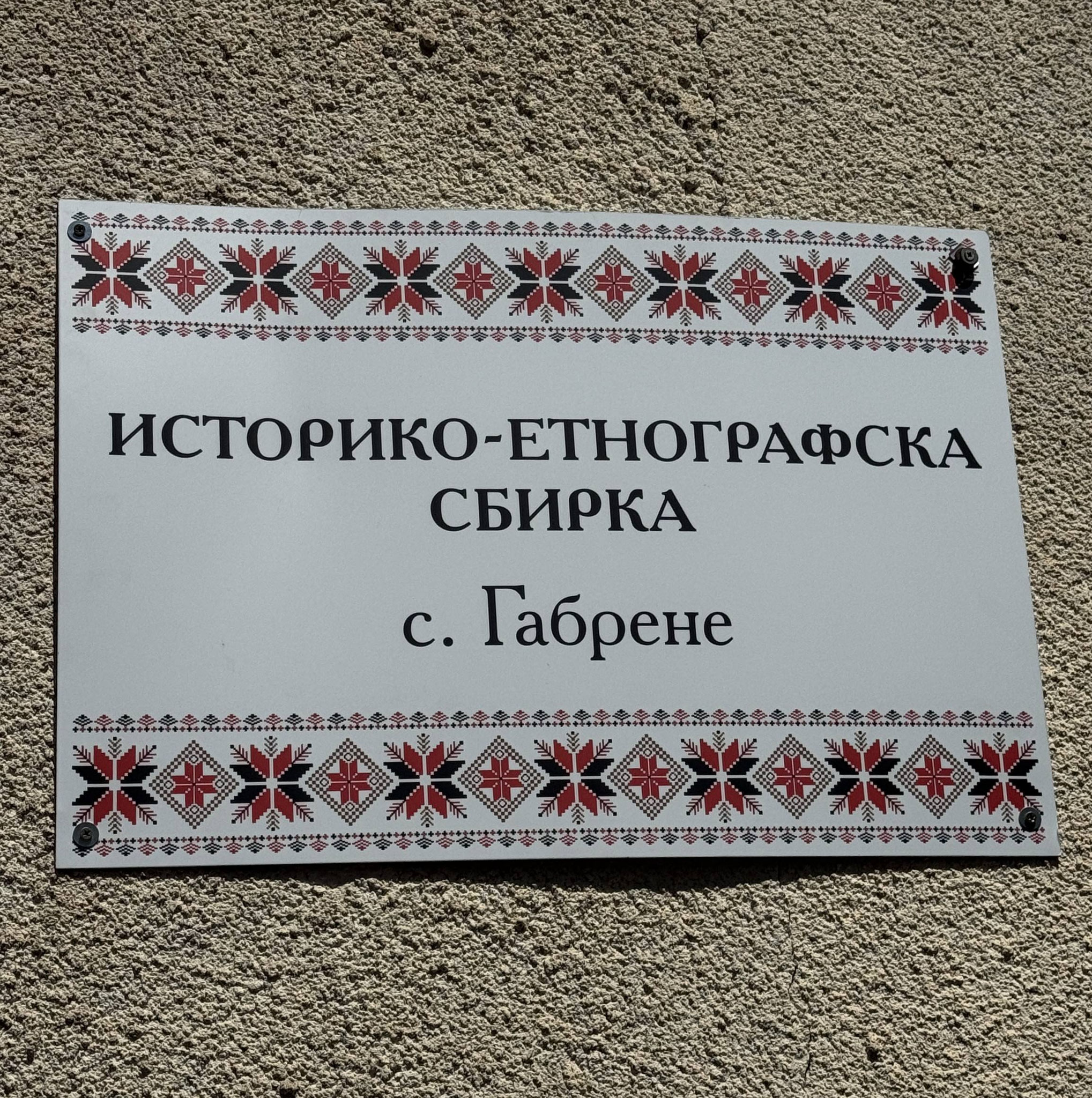
As a former teacher, Filka Bozhinova joins forces with colleagues in the local pensioners' club and cultural center (Chitalishte) to fight against forgetting. They have built an ethnographic collection where original exhibits and uniforms from the former border outpost are on display. Their goal is to convey to the younger generation that freedom is not something to be taken for granted: "We often think that freedom is something natural, but it isn't. We truly have to win it and preserve it."
Author's Note: Unfortunately, the ethnographic collection on border history was closed on the day of our visit because the secretary in charge was away at a cultural festival, and no one else in the village could track down a key.