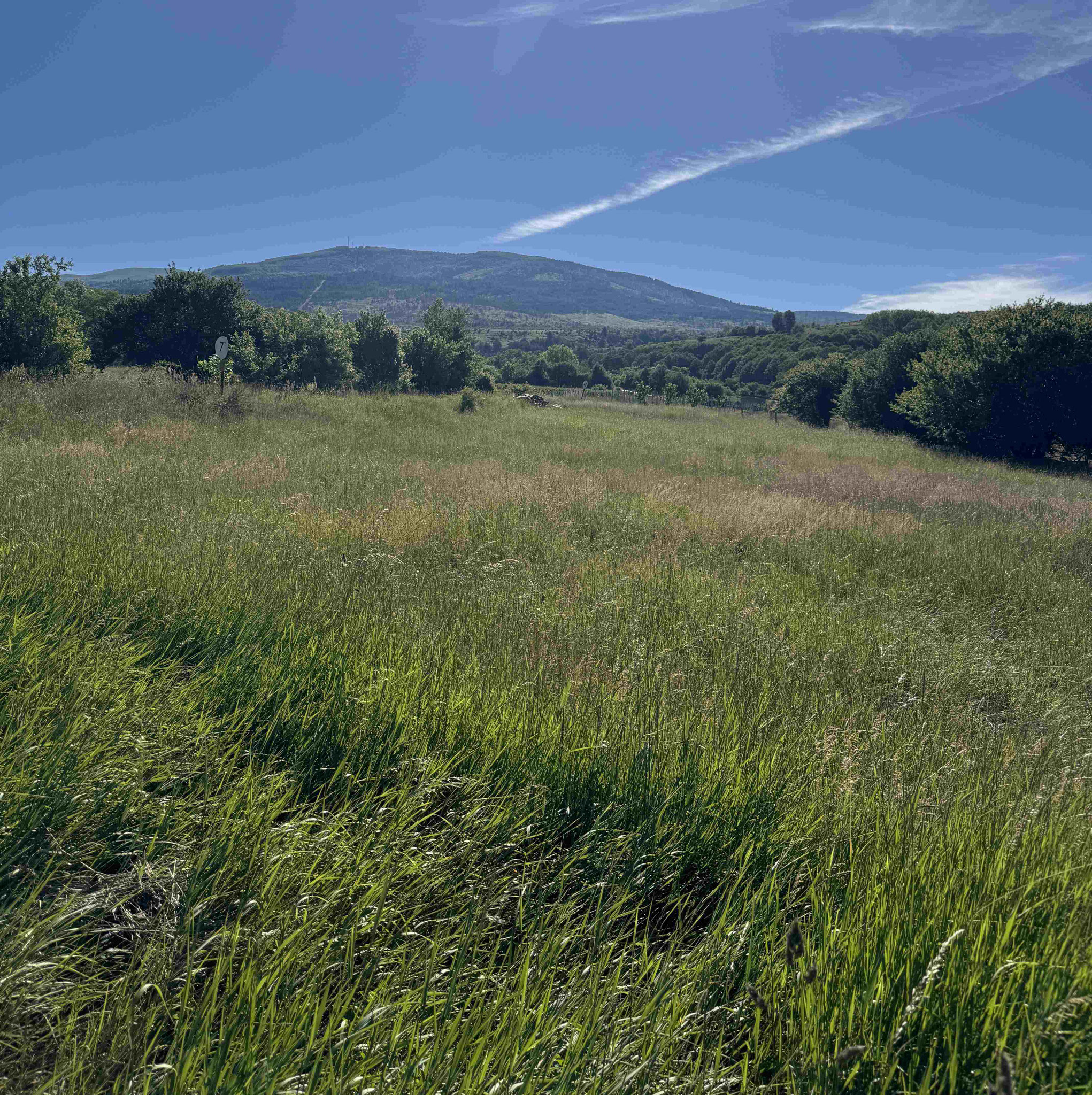
Sofia from Bulgaria and Jasminka from North Macedonia are fighting to preserve a unique natural landscape that was separated for decades by an impenetrable border. Today, they connect people, forests, and hiking trails along the European Green Belt.
Anyone walking through the dense chestnut forests of the Belasica Mountains today or exploring the gentle slopes of the Maleshevo Mountains by bike can easily forget that an insurmountable border ran through this idyll just a few decades ago. This was where the Eastern Bloc (Bulgaria), non-aligned but socialist Yugoslavia (now North Macedonia), and NATO member Greece collided. Barbed wire, watchtowers, and shoot-to-kill orders shaped daily life.
Yet, this very isolation had a paradoxical side effect: nature remained virtually untouched for decades. Today, female conservationists on both sides are working to transform this divisive history into a connecting natural paradise – as part of the "European Green Belt" project.
The Geography of the Wilderness: The Tripoint at Mount Tumba
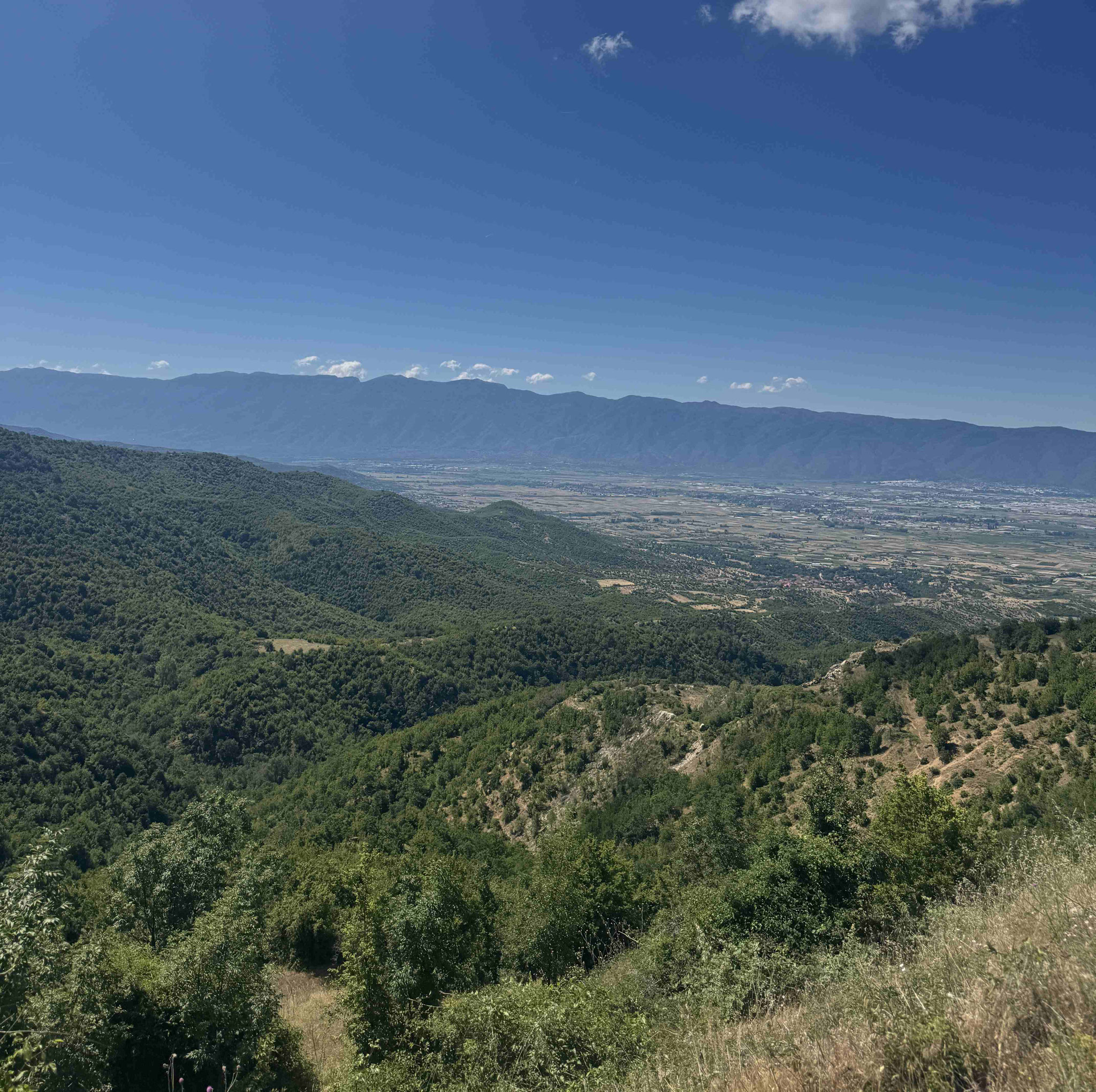
The Belasica Nature Park extends across the extreme southwest of Bulgaria along the mountain range of the same name. The border between Bulgaria and Greece runs directly along the main ridge of the mountains. On this steep ridge, the borders of Bulgaria, Greece, and North Macedonia meet, with the summit of Mount Tumba forming the tripoint.
Right here, at Mount Tumba in the western part of the Belasica Mountains, nature conservation becomes transboundary: the Bulgarian nature park transitions directly into the North Macedonian part of the massif. Following the border further north across the Ograzhden Mountains, one finally reaches the Protected Area Maleshevo. Across this mountain range, the protected areas form a continuous habitat network along the Green Belt.
Bulgaria: Sofia’s Fight for the Belasica Nature Park
After studying biology in Sofia and working for a national park in Bulgaria for a few years, Sofia returned to her hometown of Petrich – a Bulgarian city at the foot of the Belasica Mountains – to actively apply her expertise to local nature conservation. When the border infrastructure was dismantled in the late 2000s, she and her husband saw an opportunity to bring the Belasica Nature Park to life, which was officially established at the end of 2007.
However, the beginning was anything but easy. Sofia recalls that the local population met the plans with great suspicion. "People did not know the difference between a nature park and a national park," Sofia remembers. While strict prohibitions apply in a national park, a nature park allows for sustainable, eco-friendly resource management.
In addition, the region was threatened by large-scale projects: investors wanted to build hydropower plants in the pristine mountains and secured the support of many locals. The first public meeting in the municipality ended in disaster, as the majority of the people – motivated by economic promises – voted against the nature park.
"But after that, we had learned our lesson and changed our strategy. We brought many people on board who wanted to protect nature and started working directly with the people in the villages."
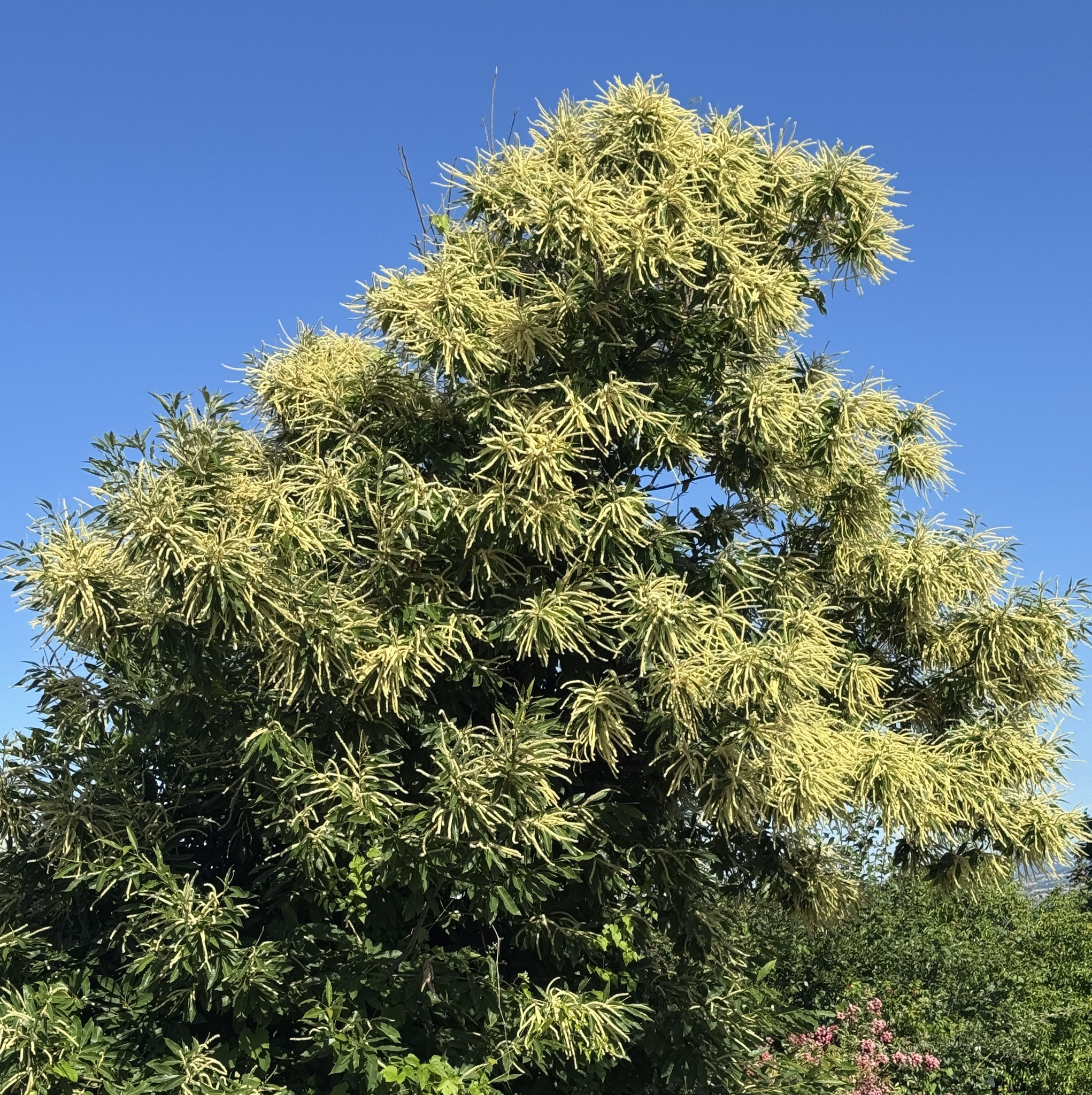
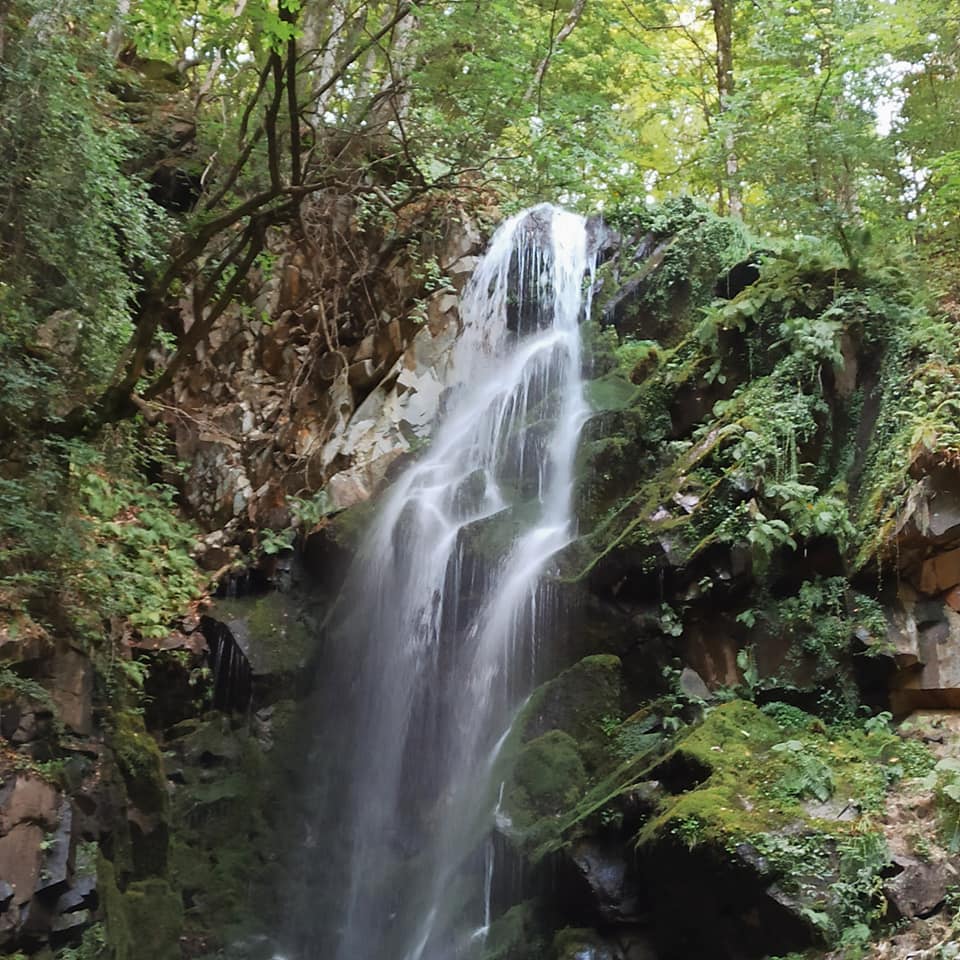
With success: after the first large public meeting, no hydropower plants were built, because the water in the mountains is urgently needed for local agriculture. Instead, the region benefits from so-called "slow tourism." Among other things, Sofia’s team opened up access to 14 spectacular, natural waterfalls in the Belasica Mountains and created hiking trails. Every year, the local people celebrate the famous Chestnut Festival, as the edible chestnut forest is the proud symbol of the park.
North Macedonia: Jasminka’s Vision of a United Europe
Following the Green Belt north from Petrich into the neighboring Maleshevo Mountains, one meets Jasminka in the small town of Berovo. She is working on a very similar mission: as a project manager at an environmental consulting firm, she implements major conservation projects under a Swiss Nature Conservation Programme. Her strategic focus lies on the newly established protected region in the Maleshevo Mountains, a designation she played a key role in shaping.
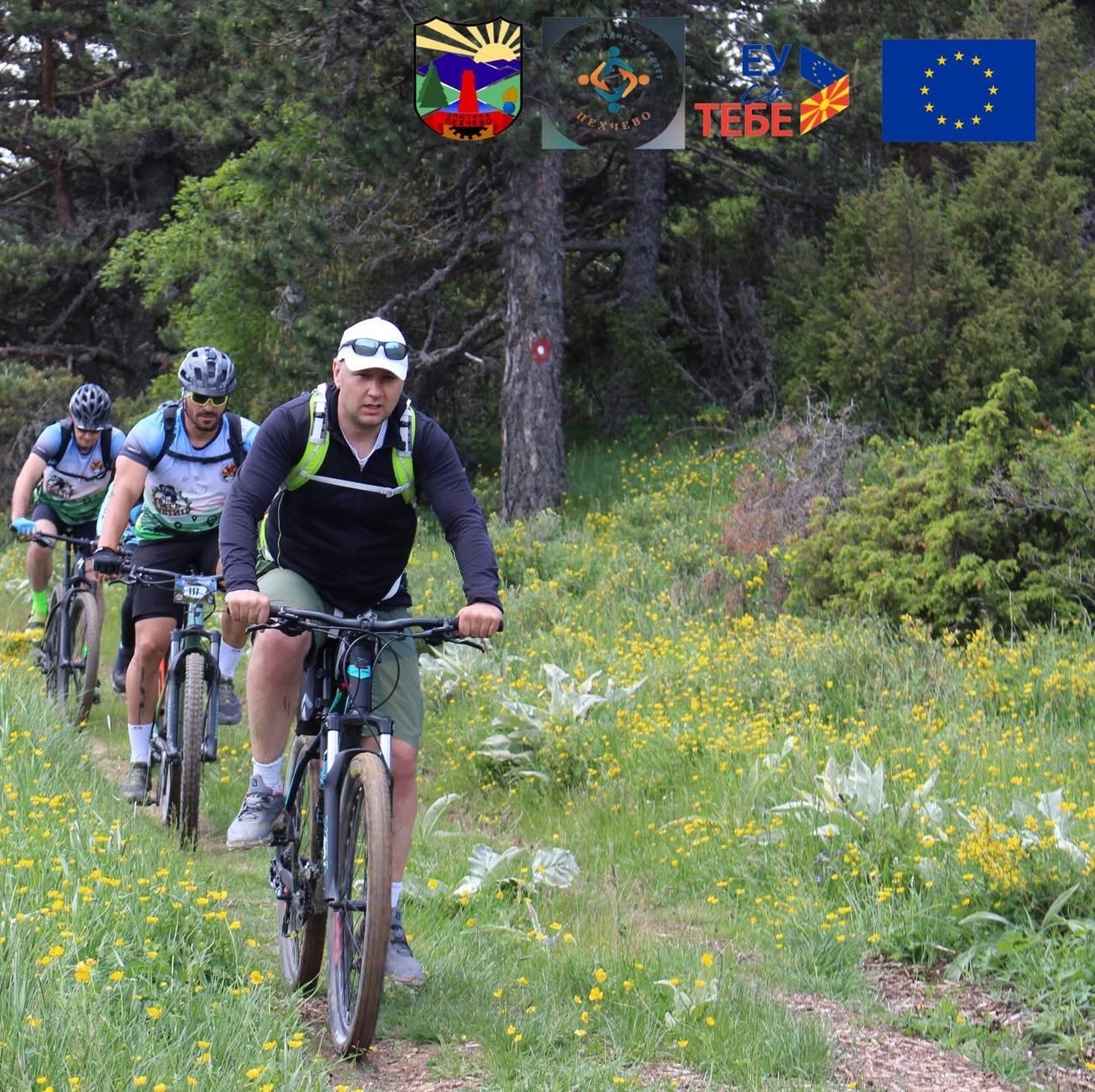
For Jasminka, nature conservation is inextricably linked to overcoming old borders. As part of a large-scale project, she teamed up with partners from North Macedonia, Bulgaria, Turkey, Albania, and Serbia to map over 2,000 kilometers of old dirt tracks and nature trails via GPS. Printed hiking maps did not exist for these routes initially; instead, the tracks can be downloaded as GPX files and used digitally for navigation. "Of course, that is not enough yet," Jasminka explains. "The trails also need to be checked and maintained," she says, describing the challenge. Nevertheless, she is proud of the result: "A dense network of cycling and hiking trails was created right across the Balkans."
Jasminka grew up in the border region herself and vividly remembers the Cold War era, when the heavily guarded border was opened just a single day each year for a major cultural festival. "It always alternated between Sandanski in Bulgaria and Berovo in Macedonia," she says. Since hardly anyone owned a car back then, special buses were organized to bring the people together. They danced and sang together. But freedom was short-lived: the next day, the border was sealed again.
Times have fortunately changed, and Jasminka makes it clear: "We are working together to improve the natural environment in order to create a better quality of life for everyone. If we live right next to each other, why shouldn't we cooperate?"
For her, the pristine nature is a direct legacy of this isolation: "Nature is so rich here because a kilometer-wide strip on both sides of the border was left unused. Only the soldiers were there."
Today, she also uses this historical backdrop for educational work with children. When she visits the old border watchtowers with school classes, she conveys living history: "We explain to the kids that someone had to sit up here and keep watch for hours. That was reality." And the soldiers did not just have the task of guarding the border; there was also a shoot-to-kill order if anyone tried to cross it.
The Bridge: Reviving Ancient Treasures
What connects Sofia and Jasminka across national borders is not only their passion for the environment but also a very concrete collaborative project: rescuing old, traditional fruit varieties native to the Belasica and Maleshevo regions.
Together with the Bulgarian Academy of Sciences, the two women set out to find old, almost forgotten apple and pear trees in the home gardens of the border villages. These heritage varieties are perfectly adapted to the local climate, extremely resilient, and sustainable. Through the NGO "Biomatera," which Sofia founded with her husband, these varieties are now being scientifically propagated and distributed back to the local population to preserve them for the future.
Nature Knows No Borders
Jasminka proudly displays a detailed hiking map of the Maleshevo region. Yet, a glance at the paper reveals the unfinished work: all the meticulously mapped hiking trails stop abruptly at the Bulgarian border. There are no cross-border paths yet. Her next big goal is for these trails to seamlessly connect in the future. After all, nature does not adhere to political lines of demarcation.
Once a year, one can catch a glimpse of what this future might look like: Macedonian, Bulgarian, and Greek hikers and nature enthusiasts climb Mount Tumba, meeting at the exact spot where the former Iron Curtain fades away amidst the wilderness. They hike to the same summit from three different countries to talk, eat, and dance together up there.
"Nature doesn't know about borders," Sofia puts it in a nutshell. And Jasminka adds: "It's not only about biodiversity and nature conservation. It's about the people and the stories that are connected with it. It's a part of our shared heritage, and this memory must be preserved."
Both women are firmly determined not to back down and to keep working step by step toward the grand vision of a borderless, vibrant European Green Belt.