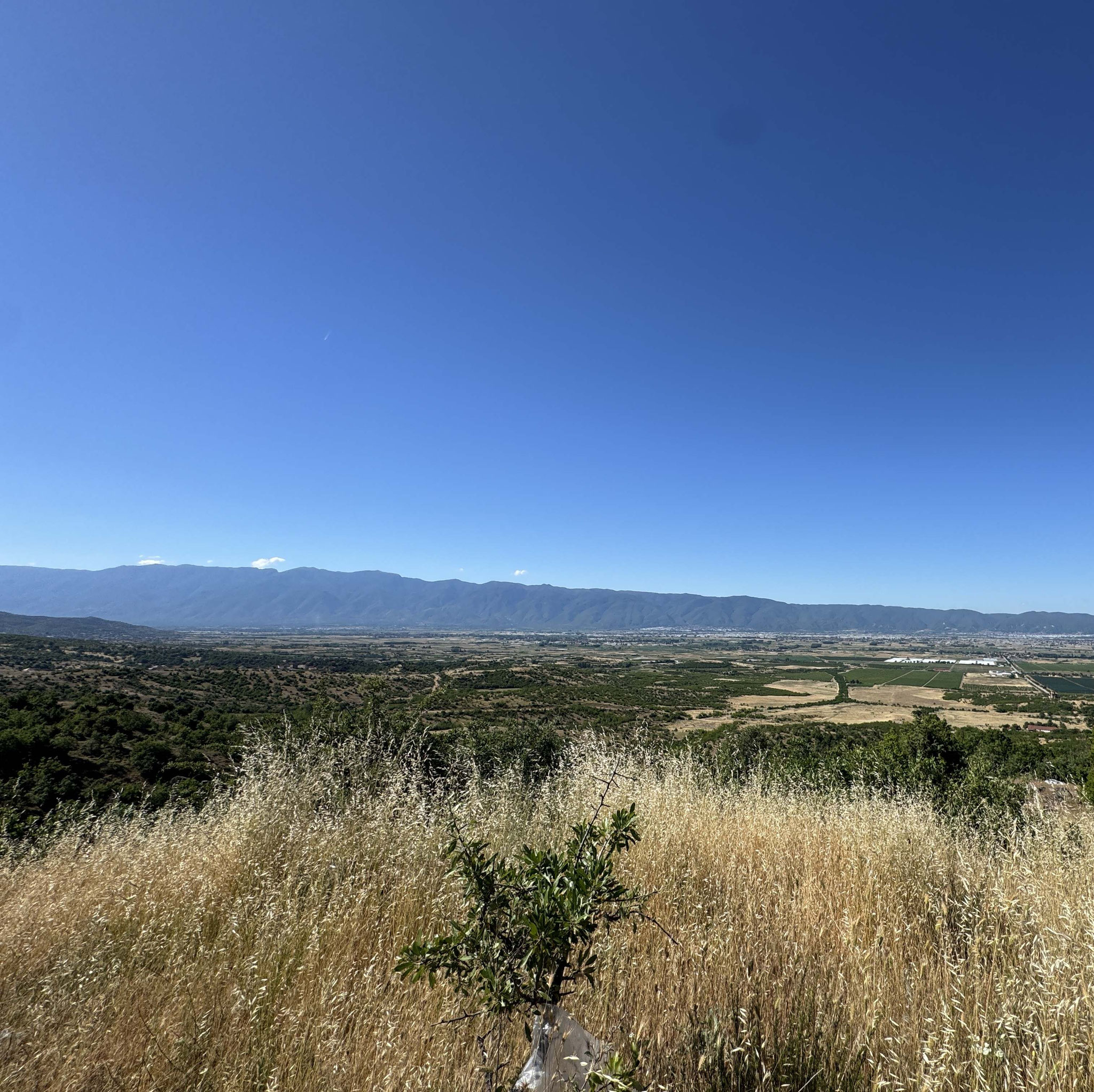
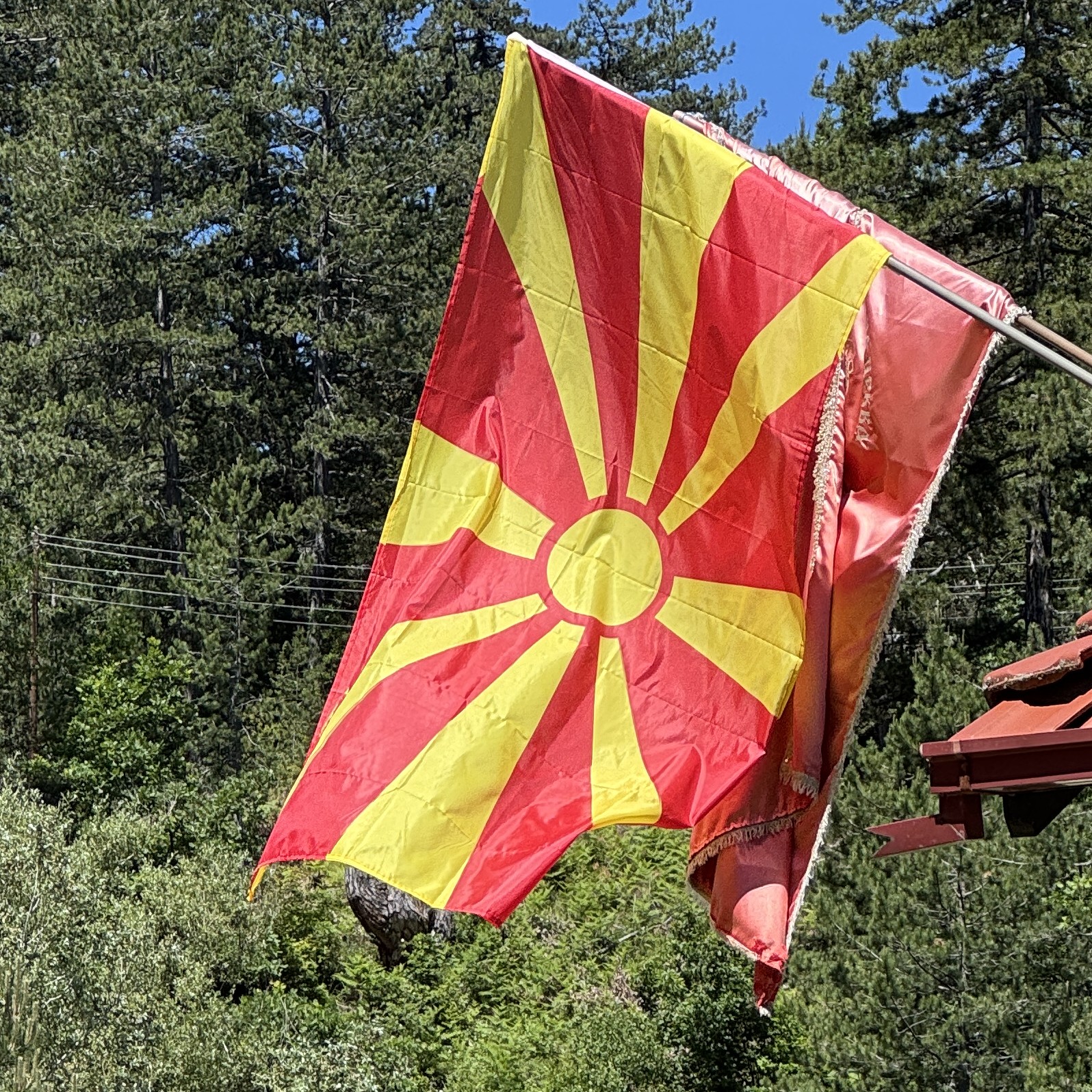
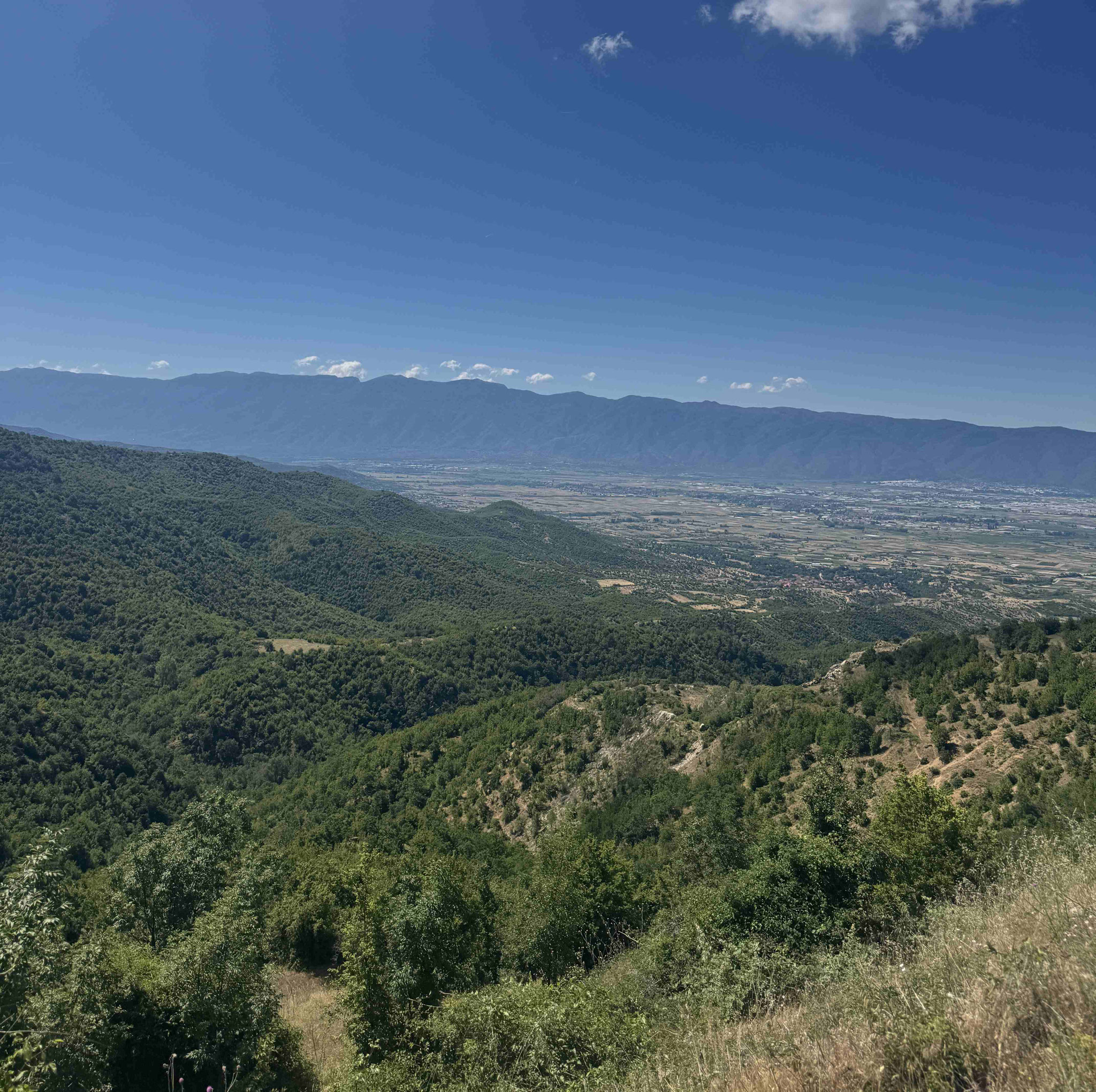
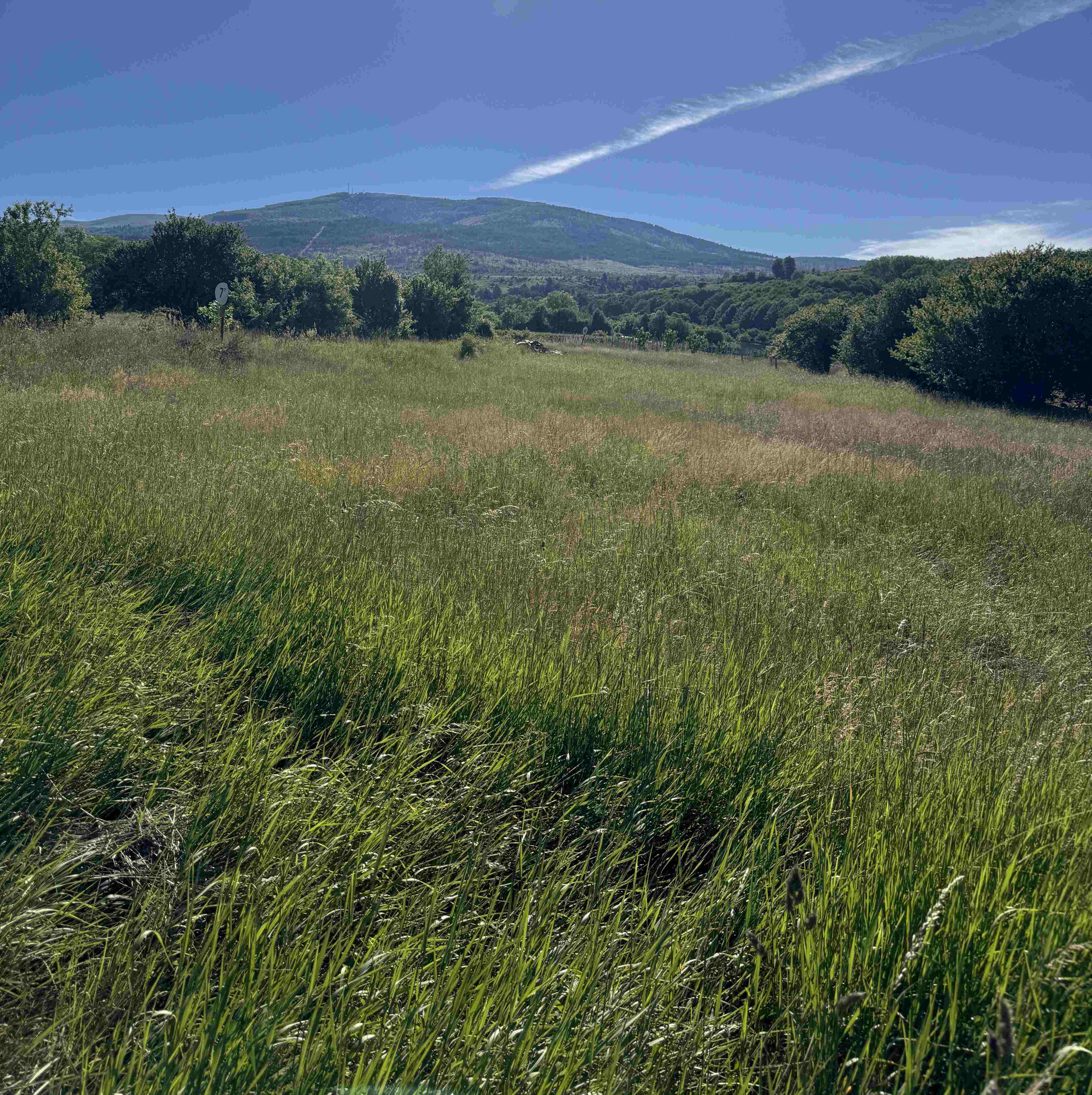
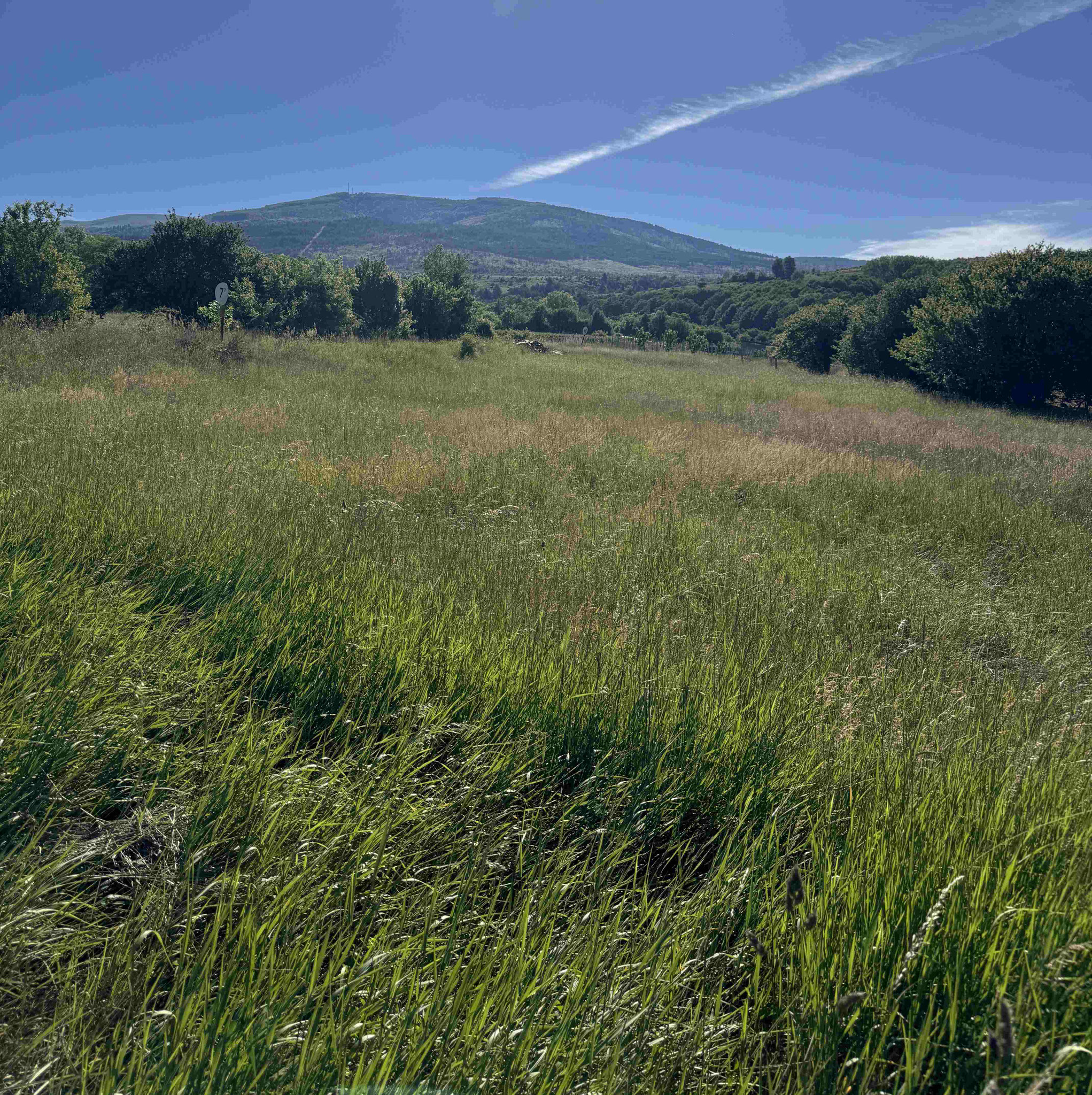
The historical and geographical region of Macedonia is a living paradox: an ancient cultural landscape shaped by wild, biodiverse mountain ranges like the Belasica and Maleshevo massifs, which has been repeatedly and brutally fractured and instrumentalized by the politics of the 20th and 21st centuries.
Until the beginning of the 20th century, Macedonia was a multi-ethnic region under Ottoman rule. This era came to a radical end with the Balkan Wars and the Treaty of Bucharest (1913), which artificially split the region into three parts. Aegean Macedonia went to Greece, Vardar Macedonia to Serbia (later Yugoslavia), and Pirin Macedonia to Bulgaria.
This arbitrary drawing of borders shattered personal biographies overnight. Sofia, from Petrich in Bulgaria, shares the story of her grandfather. He was forced to flee the area that is now the Greek part of Macedonia during the 1913 expulsions. For his survival, he was adopted by a family in the Bulgarian part of Macedonia, while his biological relatives remained on the other side of the newly drawn border. "Even though the border separated the family, the awareness of being one family remained alive across generations," Sofia says.
After the Second World War, this division was cemented. Vardar Macedonia became a socialist republic within Josip Broz Tito’s non-aligned Yugoslavia, where the Macedonian language and identity were officially recognized and integrated into the education system. Meanwhile, Bulgaria became part of the Soviet-led Warsaw Pact, and Greece joined NATO.
Macedonia thus became a direct stage for the Iron Curtain – one of the most heavily guarded, lethal border zones in the world. Soldiers patrouilled areas where a vibrant cultural and economic exchange had thrived for centuries.
Jasminka’s memories from North Macedonia illustrate just how artificial and painful this barrier truly was: only once a year did the border near Berovo open toward Sandanski in Bulgaria for a cross-border cultural festival.
Yet, both Sofia and Jasminka point out that the nature in these border mountains remains so pristine, wild, and biodiverse today precisely because it was completely closed off to humans as a military forbidden zone for decades. The forced separation of people inadvertently created a sanctuary for wildlife.
With the collapse of Yugoslavia in 1991, the Republic of Macedonia gained its independence as a sovereign nation-state for the first time. However, a bitter, decades-long dispute over its name with Greece blocked the country's accession to both NATO and the European Union. This eventually culminated in the Prespa Agreement (2018), which forced the official renaming of the country to the Republic of North Macedonia.
In the everyday lives of its people, this political decision has left deep resentment and pain. Jasminka captures this absurdity perfectly in her interview, explaining that she finds the new name unnatural in daily communication and refuses to use it when abroad. "North Macedonia is only in my passport. I always say Macedonia," Jasminka notes. "We were politically forced to accept it." Ironically, this external pressure has only strengthened the Macedonian sense of national identity and pride in their roots: "We are Macedonians. Our parents and ancestors were Macedonians. So are we."
The immense sacrifice made by the people of North Macedonia for their European future – altering the very name of their country – soon turned into a bitter disappointment. The hope that the path to the EU was finally clear was abruptly shattered. This time, the veto came from their direct neighbor, Bulgaria.
This ongoing conflict is no longer about geography, but about sovereignty over history, language, and identity. The Bulgarian government is blocking North Macedonia’s EU accession process, demanding among other things that the country acknowledge that the Macedonian language has historical Bulgarian roots (it is often viewed in Bulgaria as a Bulgarian dialect) and that shared historical heroes were actually Bulgarian. Furthermore, Bulgarian politicians demand the official inclusion of a Bulgarian minority in the North Macedonian constitution.
For the people of North Macedonia, this feels like an endless humiliation: after being forced to change their name, the very foundations of their historical existence are now being challenged from the outside.
While official politics fracture identities, change names, and build diplomatic blockades, a completely different path is being forged at the grassroots level. Activists like Sofia on the Bulgarian side and Jasminka on the North Macedonian side are working deliberately through NGOs and European initiatives to revive these ancient, historically grown connections.
In doing so, they refuse to be distracted by the nationalistic debates of their governments: Sofia emphasizes that she intentionally leaves political questions off the table, focusing instead on human connection, friendship, and the fact that people understand each other effortlessly through the local dialect and share the same cultural space. Jasminka views environmental conservation as a direct tool to bring people back together, share common narratives, and preserve the cultural heritage of the region.
Together, they are actively dedicated to the European Green Belt. They protect the ancient chestnut forests of the Belasica Mountains, revive traditional fruit varieties that grow on both sides of the border, and map out cross-border cycling and hiking trails. For as Sofia beautifully puts it: "Nature knows no borders."