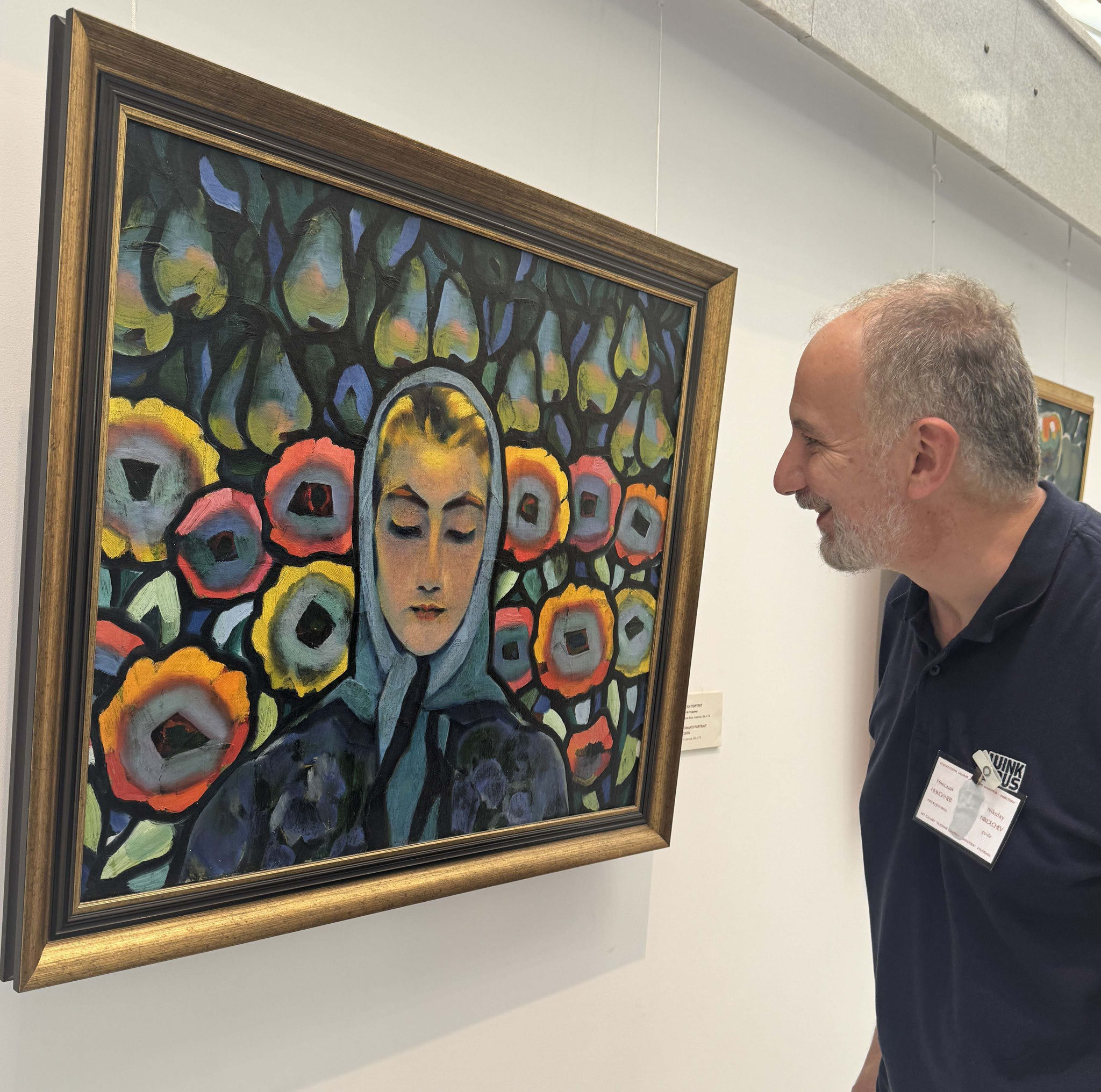
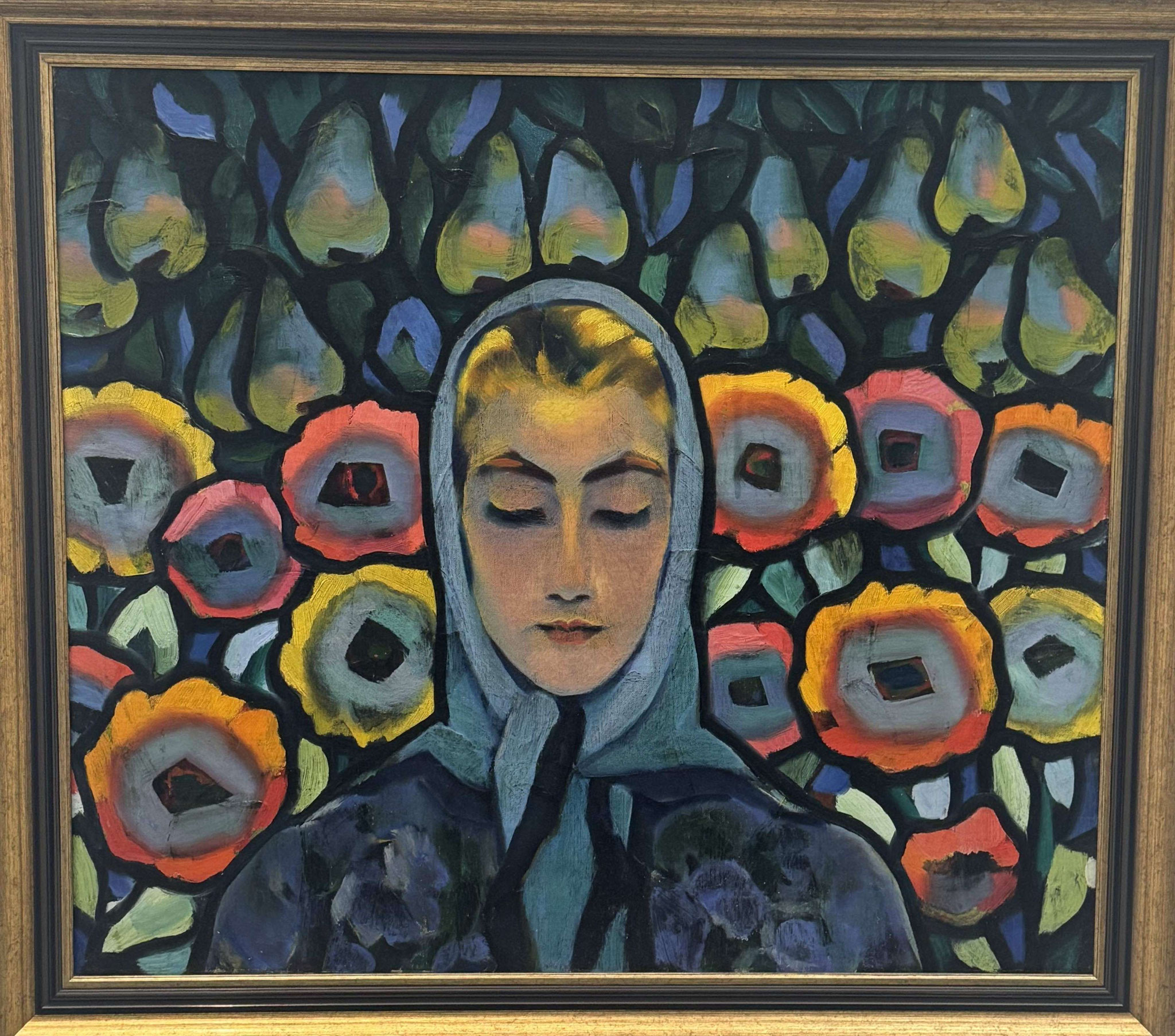
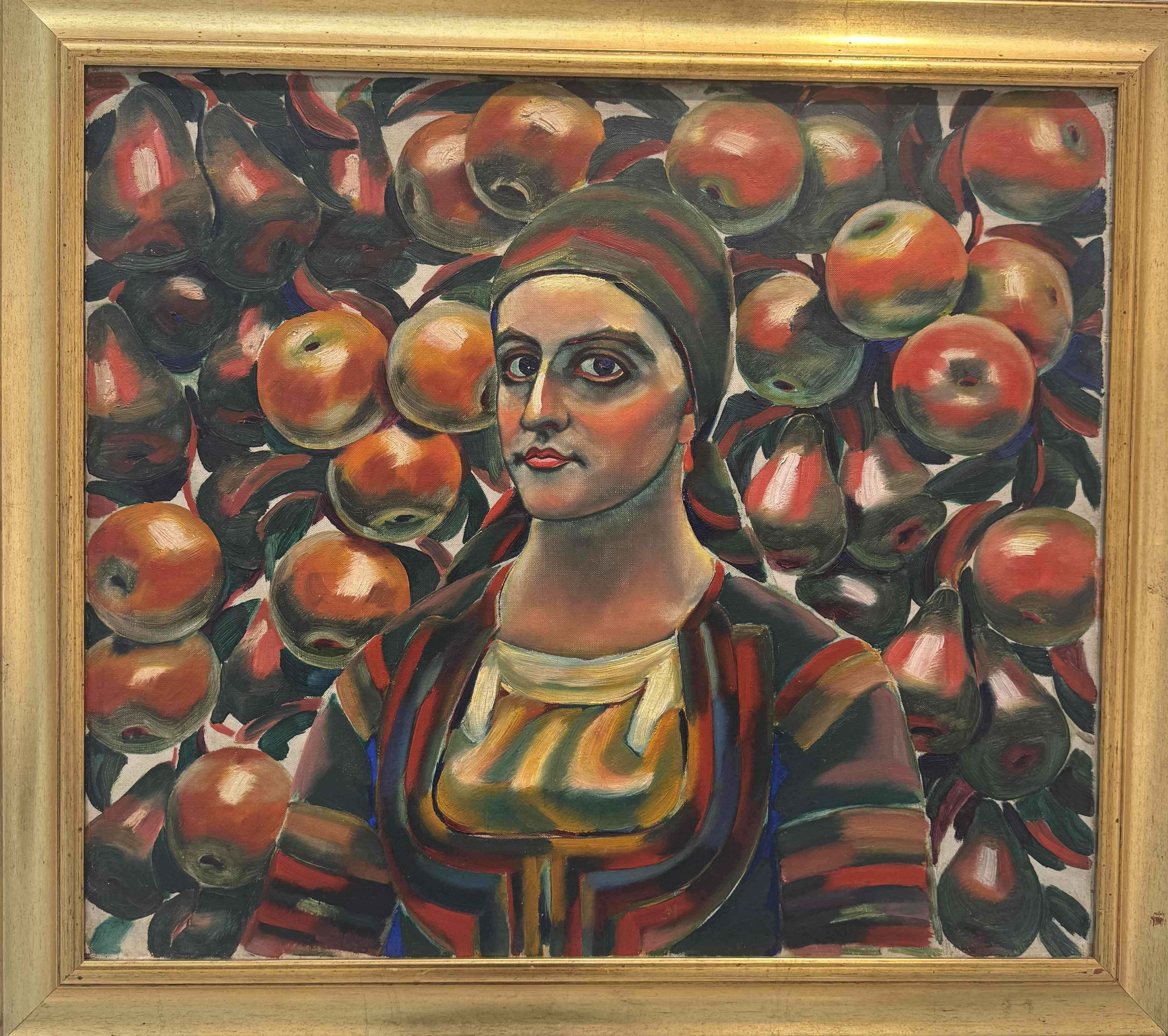
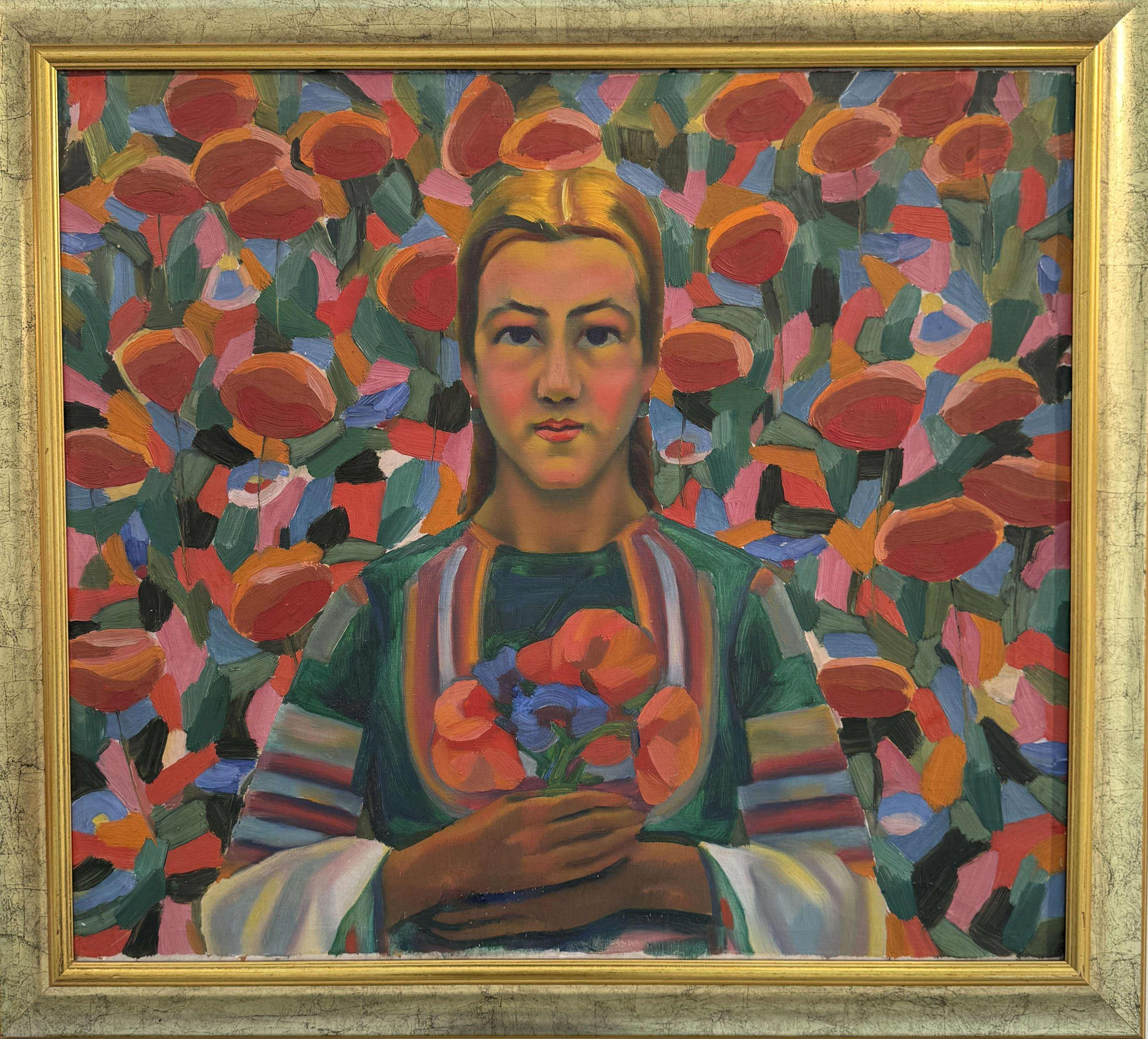
Transfigured faces merge with flowers, fruits, and landscape. The models adapt to their surroundings, or vice versa. The colors of the flowers harmonize with the faces and the traditional Bulgarian attire. These are the colors of his homeland that the Bulgarian painter Vladimir Dimitrov brings to the canvas.
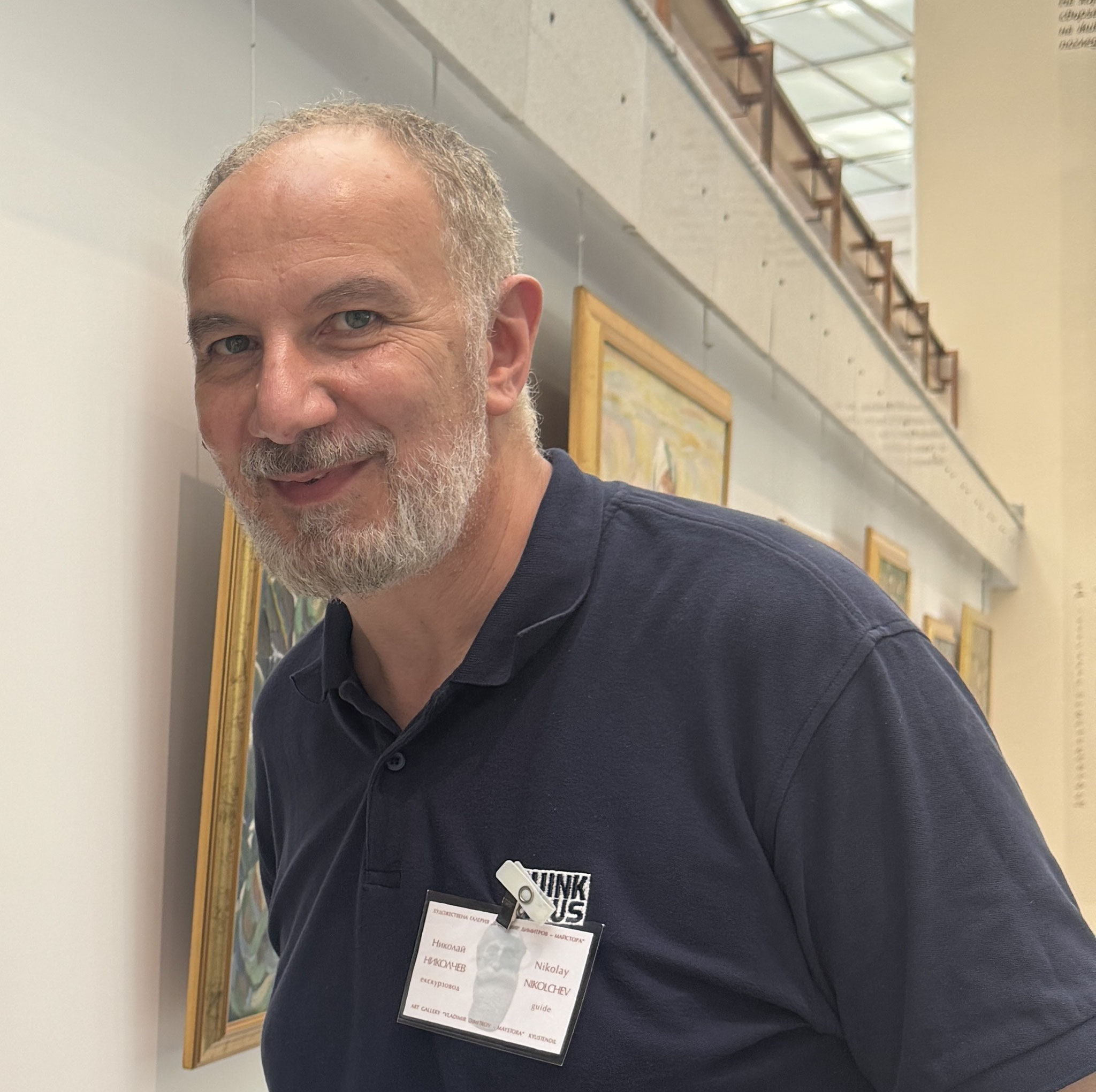
This visual power can be experienced in Kyustendil, a town in southwestern Bulgaria. Here stands the museum dedicated to him, a striking building constructed in the 1970s. “This museum is important not only for our town, but for the entire country,” explains Nikolay Nikolchev. He works here as a museum guide and brings decades of experience from the Bulgarian cultural scene to the role. The light falling through the gallery's skylights changes constantly. “Depending on whether the sun is shining or clouds are rolling in, the paintings look different every day,” Nikolay observes, thereby expressing his enthusiasm for his work and the art that surrounds him daily.
A Life Shaped by Exile and Spirituality
Behind Dimitrov’s vibrant colors lies a turbulent life story, rooted in the geopolitical upheavals of the Balkans. The artist was born in 1882. In the late 1870s, his parents had to flee as refugees from the Macedonian region of what was then the Ottoman Empire, and found a new home in Kyustendil.
“An important aspect of his life was spirituality,” Nikolay reports. “His father had studied theology. Although he never practiced as a priest due to the constant displacements, this spiritual mindset and lifestyle profoundly shaped the artist’s upbringing.”
Dimitrov developed a deep bond with the common people. He moved to the nearby village of Shishkovtsi, where he lived and worked for about 25 years. It was there that he found the motifs that made him famous: the peasants, the harvest, and rural life. His art gained international acclaim. As early as the 1920s, he was financially supported for years by a wealthy American family who purchased his works.
Yet despite his great success, Dimitrov remained characterized by extreme humility: he often did not sign his paintings at all. “He viewed his talent as a gift from God that he simply wanted to pass on to the people,” Nikolay explains. “He did not use the proceeds from the sales of his works for himself, but donated the money to the village community and to young people.”
Between the Frontlines of Ideologies
Dimitrov’s work survived world wars—during which he also had to serve as a war artist—and the arrival of communism in Bulgaria from the late 1940s onward. The new socialist regime recognized the power of his imagery and attempted to use the acclaimed artist for its own purposes.
In August 1948, the state leadership sent Dimitrov to the “World Congress of Intellectuals for Peace” in Warsaw. There he crossed paths with figures like Pablo Picasso, who presented his famous peace dove. The regime adorned itself with the Bulgarian “Maistora” (Master), but behind the scenes, Dimitrov’s artistic world increasingly collided with the dictates of state-mandated Socialist Realism.
The subsequent forced collectivization of agriculture stripped Dimitrov’s art of its very foundation. What he had sought and cherished his entire life—the deep connection between ordinary people, their traditional labor, and the untouched landscape—ceased to exist. The peasants lost their land to the kolkhozes. Nikolay points to a later work on the wall depicting the harvest: “You can see the difference. Previously, pure harmony reigned in the paintings. In the later works, that harmony is gone. The face of the person shown appears heavier, the work more grueling. The people now had to work for the state and no longer for themselves. The models stopped being happy.”
An Invaluable Legacy and the Classification of the Art
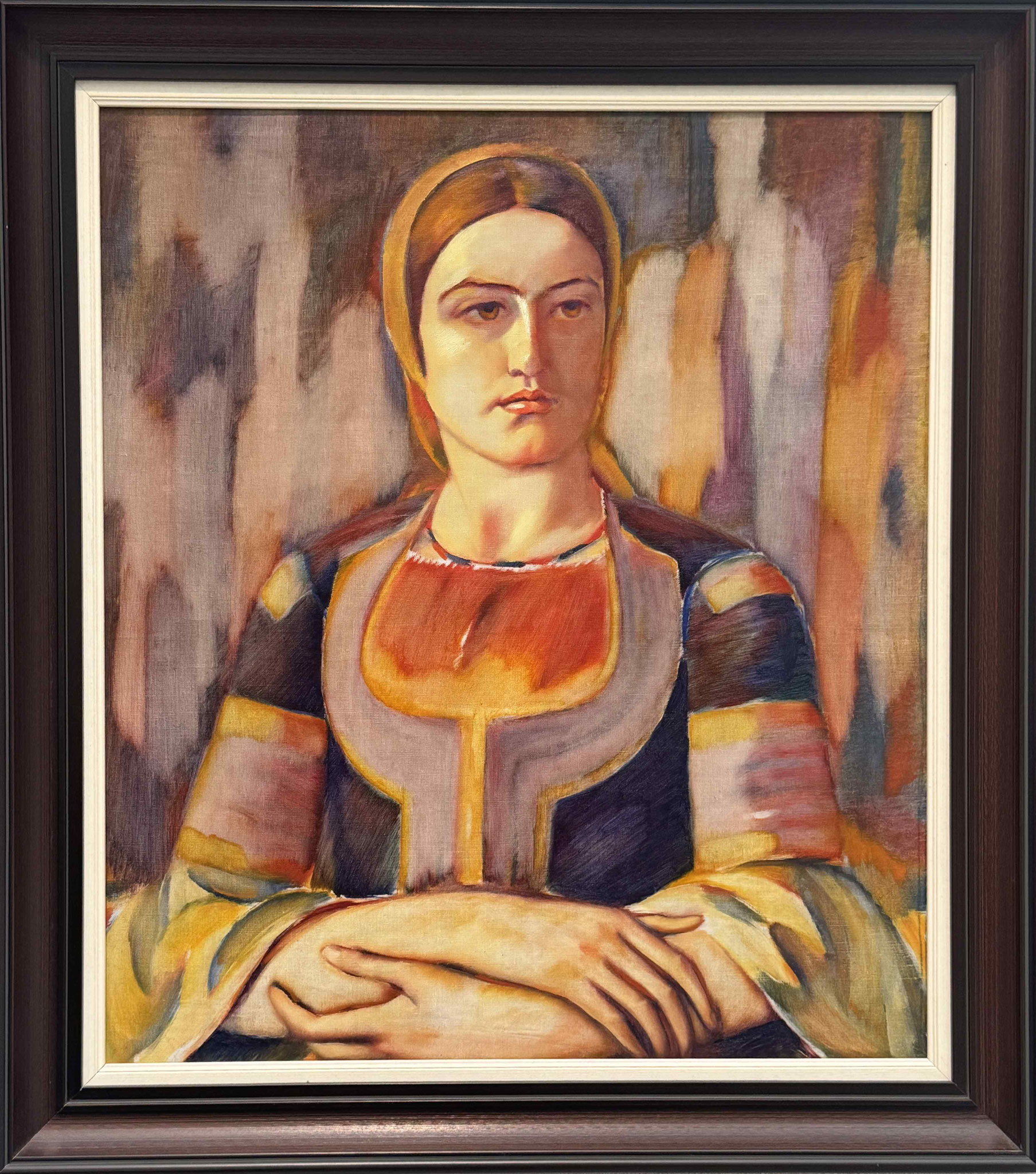
Today, the museum in Kyustendil safeguards over 1,100 of Dimitrov’s works, with around 500 in the permanent exhibition and another 600 in storage. Art-historically, the “Maistora” developed a completely independent style that embraced the European avant-garde of his time without disavowing his own roots. His large-scale use of vibrant, almost garish colors and the decorative, rhythmic arrangement of nature motifs reflect the dawn of Classical Modernism. Combined with the traditional patterns of Bulgarian clothing and the iconic, Madonna-like faces of the peasant women, he created a unique synthesis of an international art movement and a deeply rooted national identity.
For Nikolay, who returned to his hometown after many years in the capital city of Sofia, the fascination remains undiminished. One of his favorite paintings is the portrait of an elderly woman in yellow. “At first, I found her face strange and didn’t understand it,” he admits. “But after a while, the painting opened up to me. You can recognize the deep care this woman has for the younger generation.”
A particular highlight of the collection is the painting of a woman in green, which was celebrated by critics as the “Bulgarian Madonna” at the 1958 World's Fair in Brussels. When asked about the monetary value of these paintings, Nikolay just shakes his head: “For us here, these works are absolutely priceless—very much in the spirit of the Maistora, who viewed his talent as a gift.”