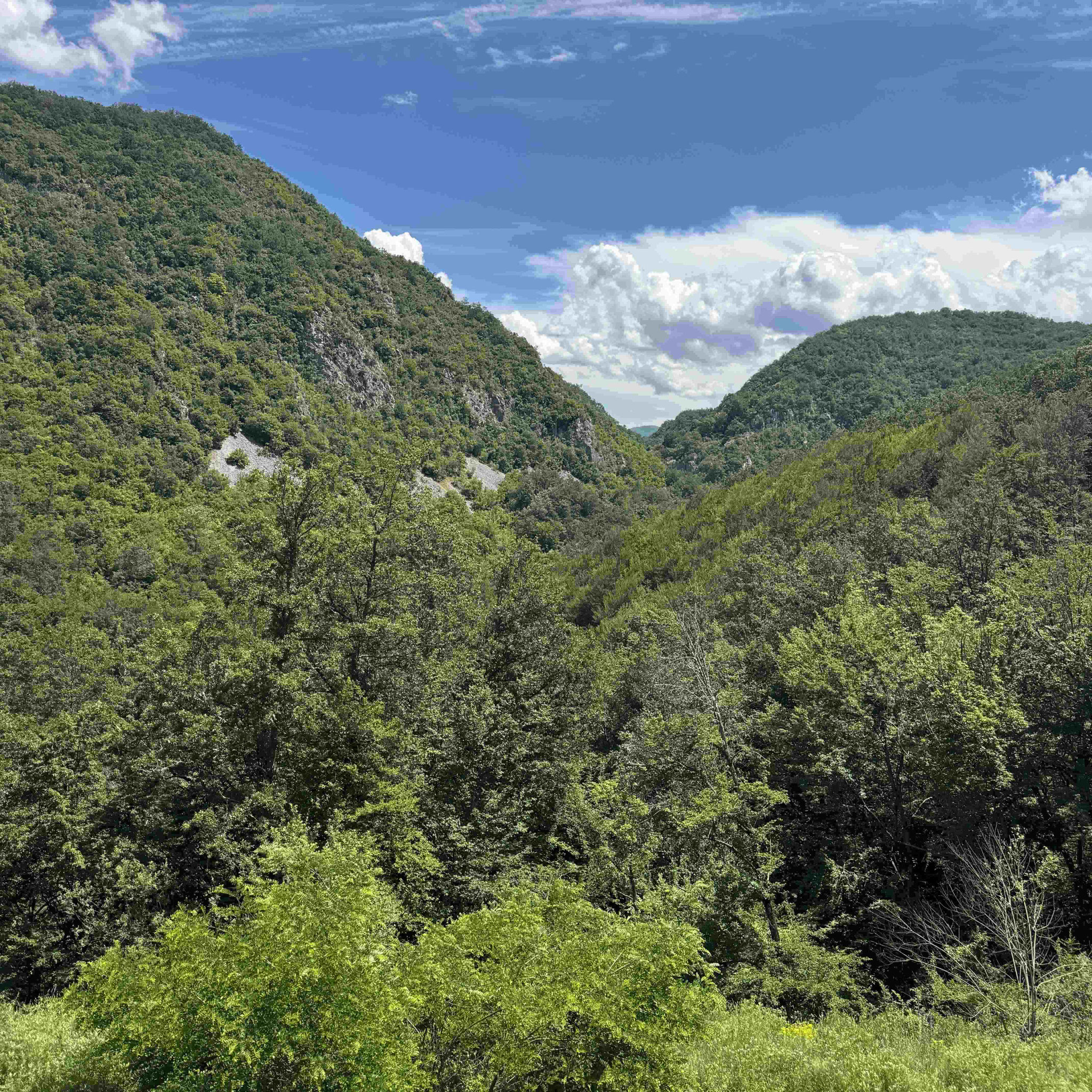
A hidden village right on the edge of Bulgaria – where the road feels like it has reached the end of the world. The village of Bankya nestles against the Serbian border, far away from the spa town of the same name near Sofia. Those who come here are looking for absolute silence, clear spring water, and untouched nature.
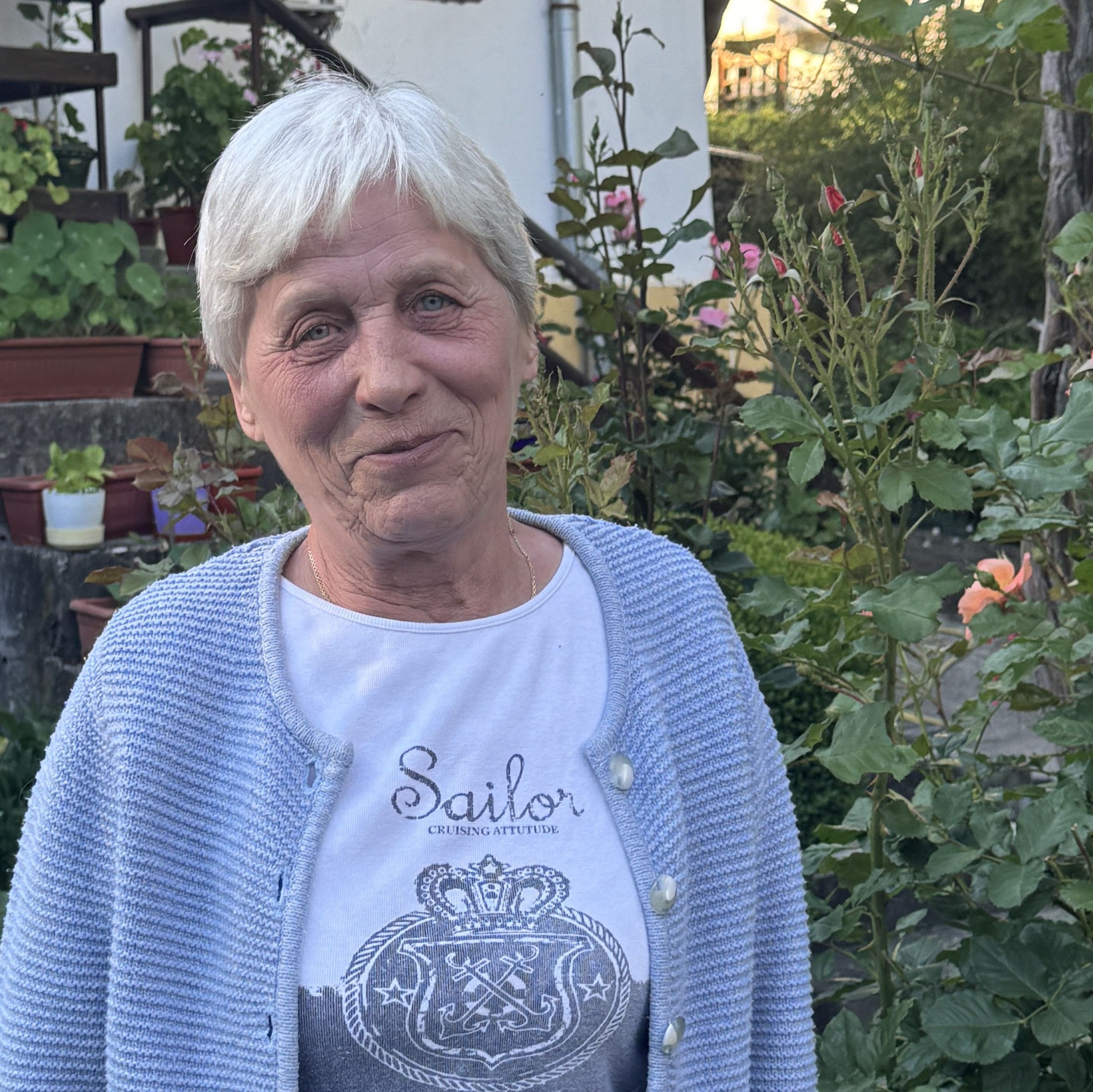
Boyanka, whom everyone just calls "Bobi," sits on the terrace of her house in the middle of a blooming garden. The 73-year-old retiree follows me to my accommodation because she has no internet and the translation device relies on it. Boyanka explains how a strictly guarded border zone became a peaceful retreat for city dwellers.
The Border Village Under Communism
Life in Bankya during the communist regime was characterized by a deep contradiction. On the one hand, the village was strictly sealed off. Anyone who wanted to come here encountered a checkpoint with a barrier, a concrete wall, and a guard hut up at the fork in the road a few kilometers away. "We permanent residents had a special stamp in our passports that identified us as authorized to enter the border zone," Bobi recalls. "Relatives, guests, or tourists – of whom there were virtually none – could not just pass through; they required a special permit."
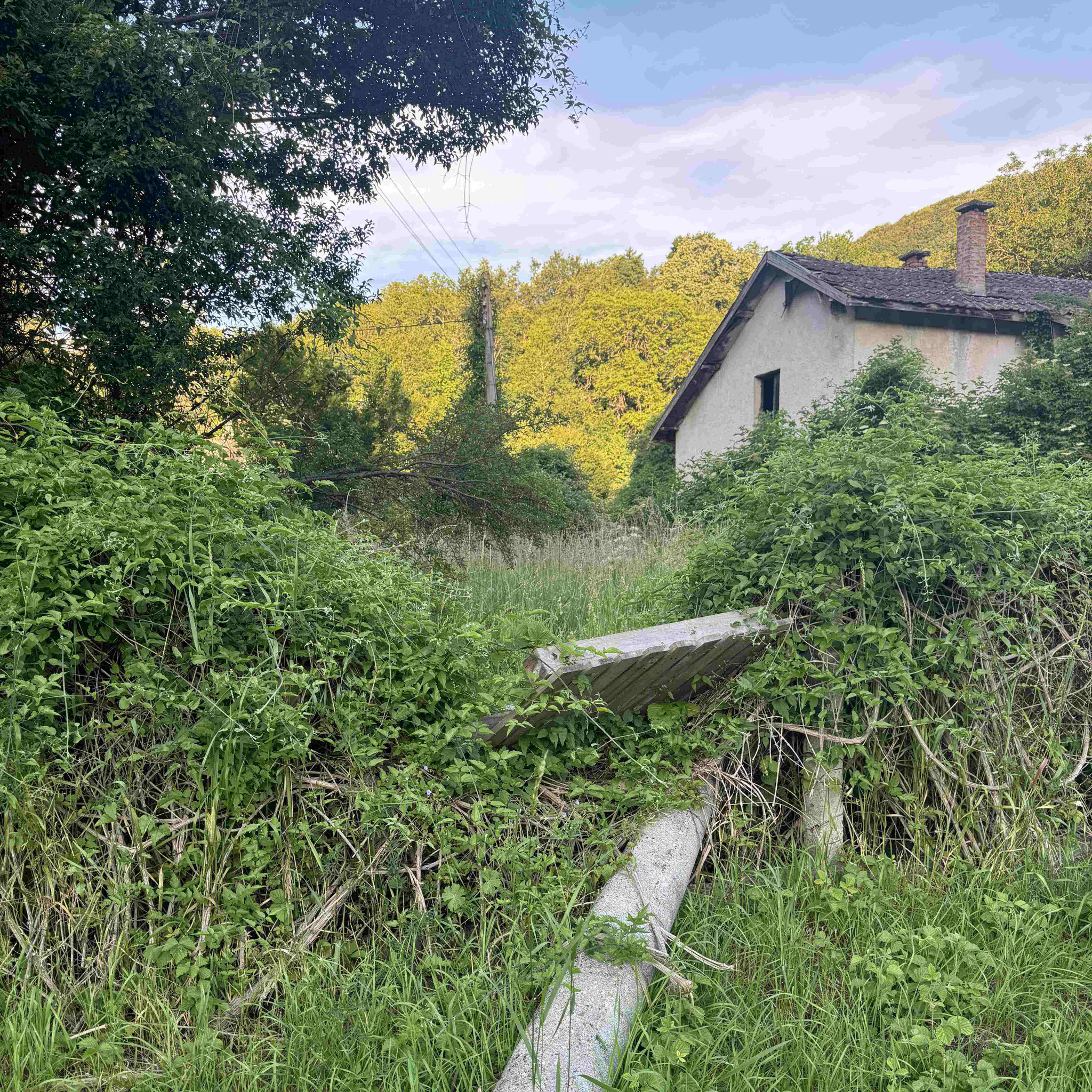
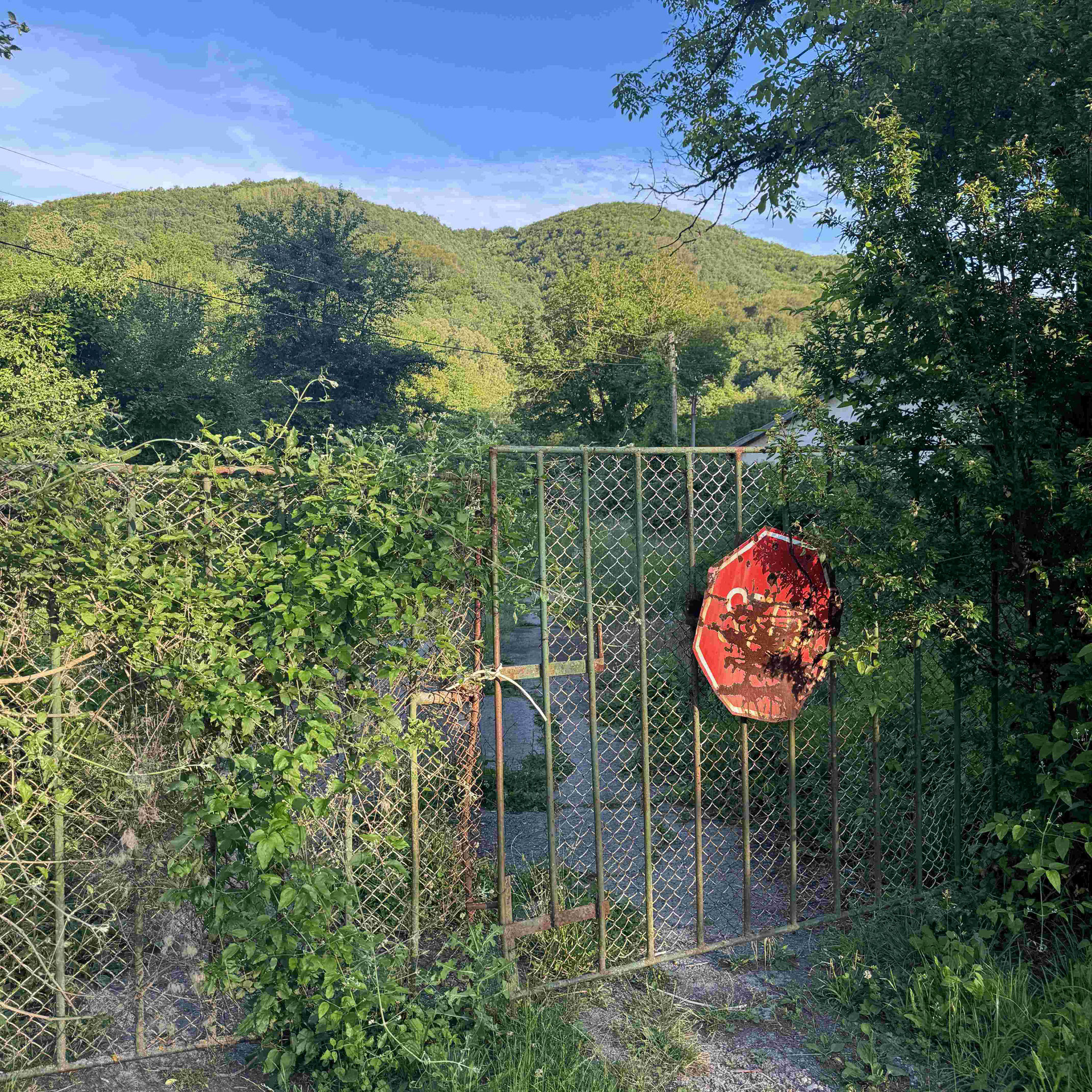
Within the village itself, the military was omnipresent. "A barracks housed about 30 to 40 border guards, led by a sergeant and a commander. Today, nothing is left of the barracks except a few dilapidated buildings. The grounds are completely overgrown with trees and tall grass." An old, rusty gate with a stop sign serves as a reminder of the former barrier.
And yet, Bankya was already a place of longing back then. Bobi, who spent her entire working life in payroll accounting in Sofia, returned here every summer during the holidays with her children – to the exact place where she had spent her summers with her parents as a young child. The heart of village life then, as now, was the swimming pool filled with fresh, warm spring water. Here, the military routine of the Cold War blended with summer idyll in an almost surreal way: after their shift, the border guards from the barracks would routinely jump into the pool in their swim trunks alongside the villagers and vacationing children to cool off. The border and the soldiers hardly bothered the summer guests; everyone enjoyed the good air and the water together.
Visiting by Jeep
While Western Europeans often picture the borders of the Eastern Bloc as hermetically sealed death zones, Bobi describes a surprising, local normalcy on the Yugoslavian border. While big politics between Sofia and Belgrade were often icy, the principle of good neighborliness on the ground trumped ideology. The hostility one might assume simply didn't exist in everyday life: "Back then, Serbian soldiers would just drive across the border into our village in their jeeps," Bobi says with a smile. "They came here to maintain normal contact and socialize with our soldiers and the commanders of our barracks."
The border drew absurd lines through the geography of the region anyway. The last house in the village stood so close to the demarcation line that its garden was actually on Serbian territory – yet the owners used it for decades without any major problems. Bobi talks about the neighboring village of Bogoyna/Petachintsi, which was split during the historical border drawing in 1919. One half has been in Serbia ever since, while the Bulgarian half was renamed Bogoyna. The Iron Curtain made the separation of the village final.
Refugees Between Bulgaria and Serbia
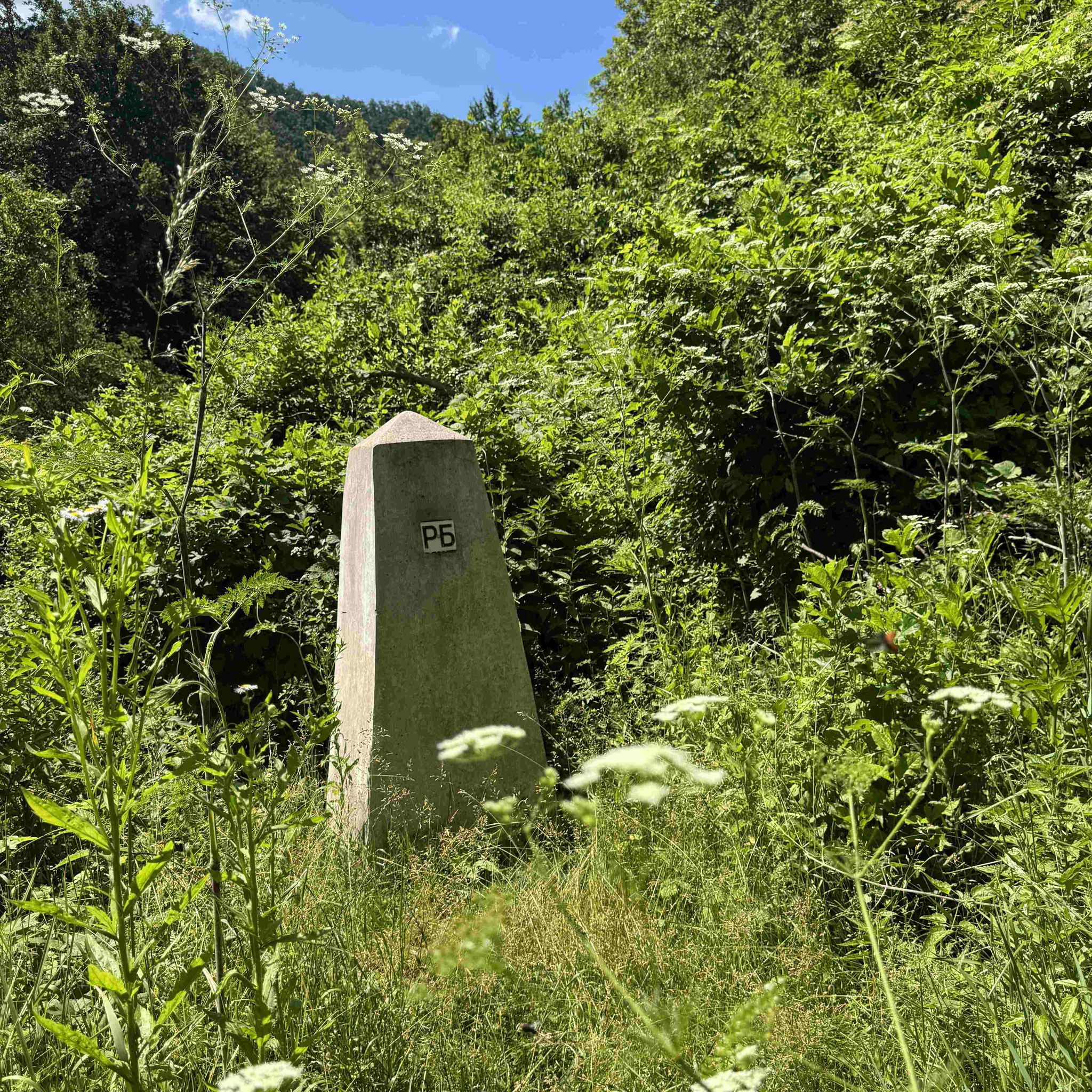
After the collapse of communism, the Iron Curtain fell in Bankya as well. The barracks were closed, and the fences and barriers were completely dismantled. Today, only a small stone pyramid marks the border: on one side it reads Republic of Bulgaria, on the other Republic of Serbia. But the border remains in people's minds. Bobi emphasizes repeatedly: "We respect this border and do not set foot in Serbia – only at the official border crossings, but never in the forest."
Yet in 2015 and 2016, the village moved back into the geopolitical spotlight when the Balkan route became a central path for refugees and migrants. Bobi remembers: "Suddenly, groups of refugees from Syria and Iraq appeared in the dense forests around Bankya. Many of them had no idea where they were. They had been lied to and told they were in Serbia." Since very few people live in this remote place, any stranger stood out immediately. The villagers reacted with a mixture of vigilance and helpfulness: "We called the border police right away, but we also helped the people and gave them bread and water, for example, until the officers arrived."
A Sanctuary for the Soul
Today, the excitement has passed, and contact between the remaining security forces mainly serves to coordinate and prevent illegal border crossings in the rugged terrain. Officially, only five people still live permanently in Bankya today. On weekends and in the summer, there are more, as many houses are used as second homes. Some are still family-owned, while some city dwellers have bought houses here. Bobi, too, is drawn back here from Sofia from April to November, like many other urbanites. "The air, the peace, the good water, the swimming pool, and the beautiful nature," she raves.
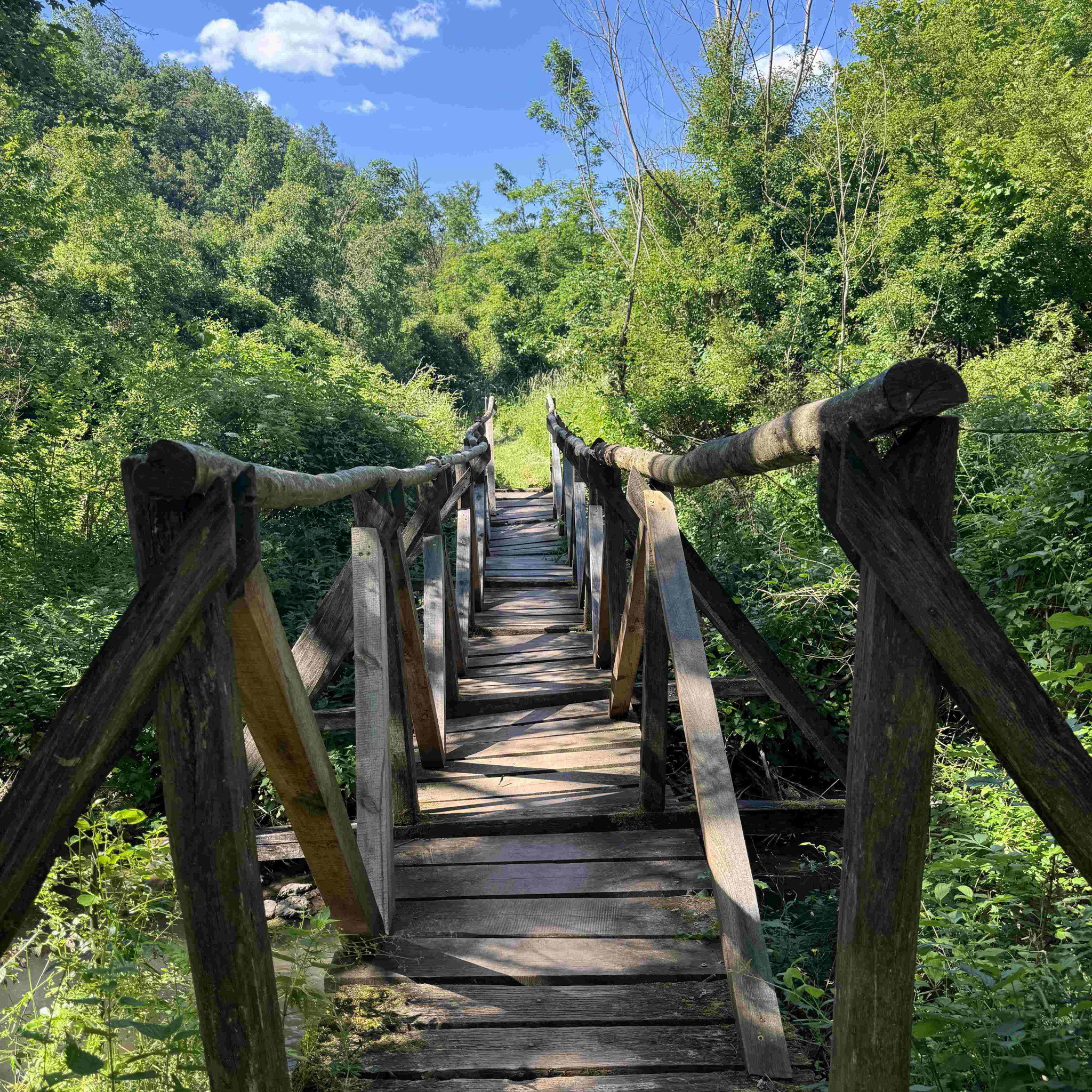
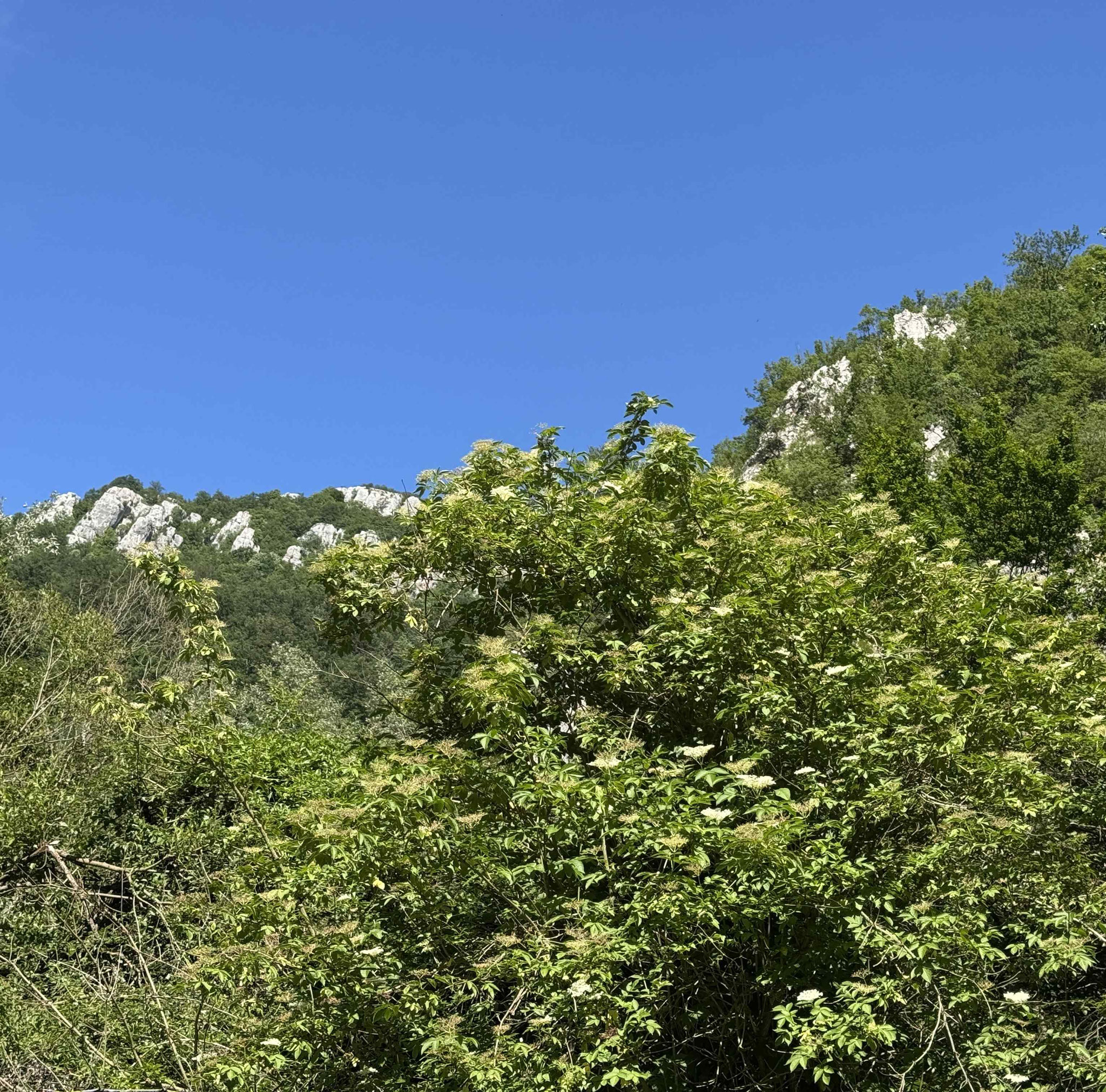
Today, the village has become a starting point for hikes into an untouched, wild nature with waterfalls and gorges. A popular eco-trail leads from here through the formerly divided border village of Bogoyna directly into the spectacular Erma River Gorge, with its deep tunnels and roaring waterfalls.
Bobi herself can no longer hike well because of her legs, but she wouldn't miss her time in Bankya for anything in the world. When asked how the political turnaround of 1989 changed her life in the village, she responds with a shrug: "I don't feel a big difference, neither positive nor negative. Life just goes on normally." The soldiers are gone, the fences have disappeared – what remains is the healing spring water, the pure air, and a place where the soul can finally breathe.