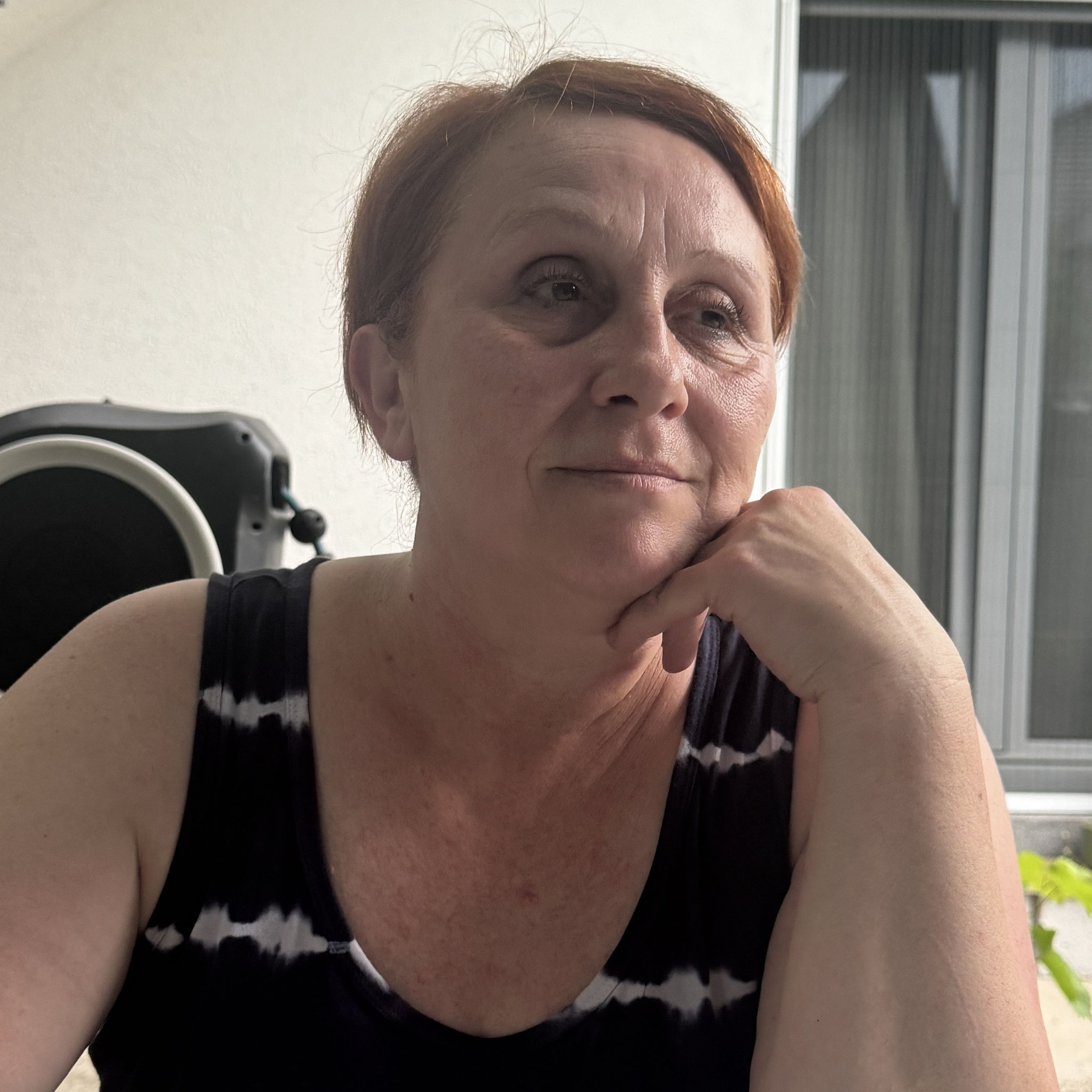
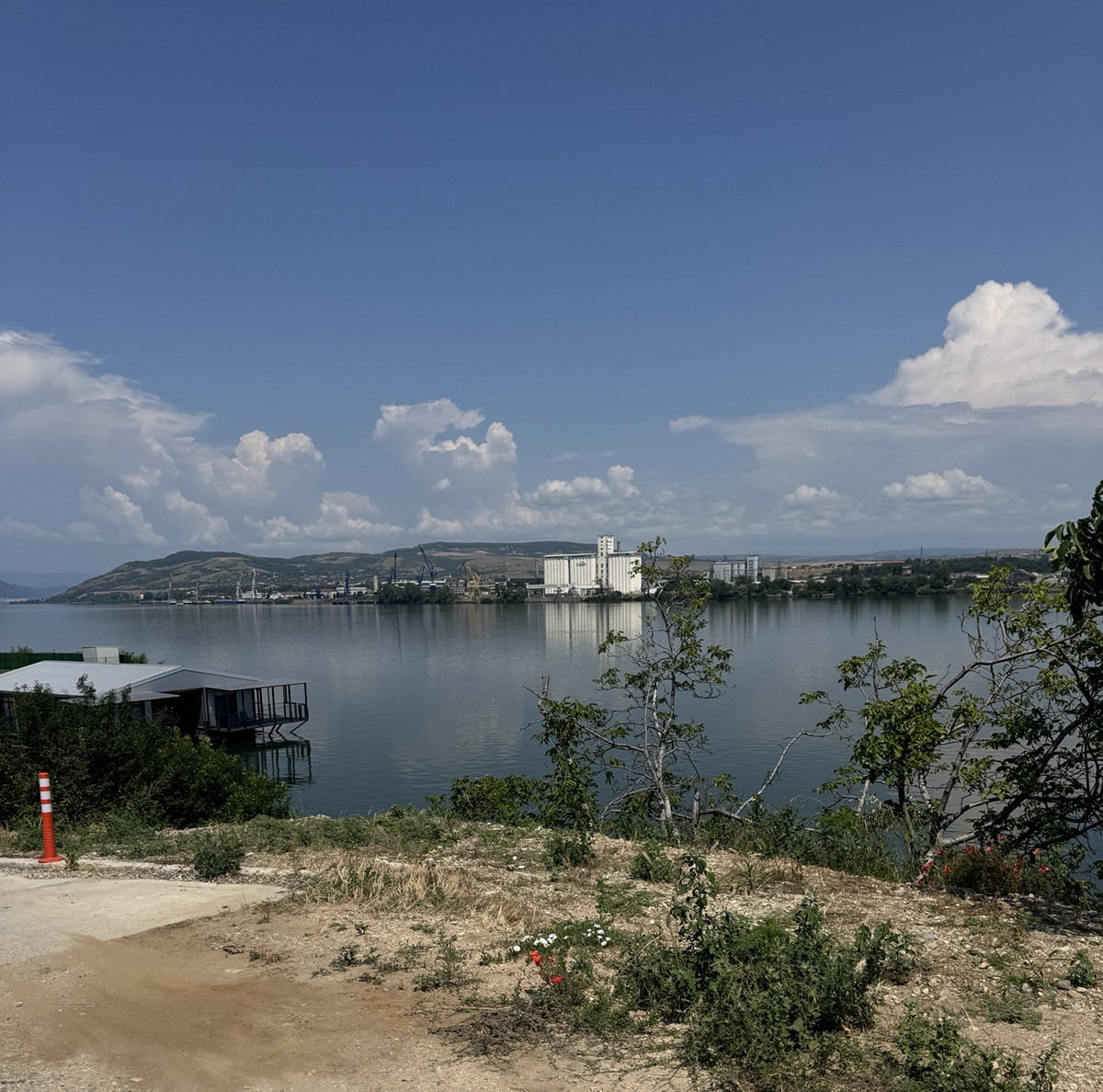
The Danube flows quietly past the small town of Kladovo in Serbia. Here, in her childhood home, Sanja has created a little paradise that she wishes to share with others. She is currently building up a small business featuring guest rooms, an event venue, and catering.
In the 1980s, when Sanja was a child, Yugoslavia was a vast, proud country. Her father was a convinced communist, active in local politics, and rarely at home. It was a household where no one went to church on Sundays and politics was never discussed at the dinner table. Whenever her father turned on the television to watch the political reports, Sanja would flee to her room. She hated politics even back then.
Despite her father’s ideological strictness – he once sent a crying Sanja to Russian class even though she desperately wanted to learn English – the system also provided the family with comforts. Thanks to the state-owned enterprises where her parents worked, it was possible to finance vacations to distant Montenegro on an installment plan. However, since her father lived only for his work and never traveled with them, her mother and the children went to the seaside alone. They were carefree times. The family even owned their own car, which was by no means a given in the Eastern Bloc at the time, but worked out in Yugoslavia thanks to her father’s right "connections".
Day trips to neighboring Romania, which was suffering under the dictator Nicolae Ceaușescu at the time, were a very special adventure. For Sanja and her family, these journeys were a mixture of thrills and business. They packed the car full of things that were barely available in Romania: spices like Vegeta, paprika powder, chewing gum, and above all, bay leaves.
They sold their brought-along goods at the market in Drobeta Turnu Severin, the city directly on the other side of the Danube. The Romanian money they earned – the lei – was spent again immediately, often on toys or food. Although gawning emptiness reigned in the Romanian shops, the few available goods seemed dirt cheap to Sanja and her family because of the lucrative trade.
Filling up the car’s fuel tank was particularly important to the family, Sanja recalls. However, carrying fuel in canisters was forbidden. But the family found a way around it: once they arrived back home, the petrol was siphoned out of the car’s tank, and they drove back to Romania with an empty tank to fill up once again.
As a child, these trips meant above all one thing: stress. Sometimes they were stuck for hours in the heat at the border crossing because the Romanian border guards inspected the cars intensely. "It was always a tense situation in the car. Everyone was nervous until we were finally back across the border in Yugoslavia."
Back then, the 54-year-old remembers, everyone in the country got along. Whether Croats, Montenegrins, Bosnians, or Serbs – the language was basically the same, they were one people. The fact that only a few years later, starting in 1991 with the secession of Slovenia, everything would plunge into a cruel war was hard for ordinary people to understand at the time. For Sanja, the subsequent war was pure politics, made by those at the top. "I don't need anything from the Croats," she says today. "Everyone has enough land. And it is big enough for all of us."
When the now 54-year-old looks back on that time, she knows she had a good childhood. She lacked nothing. Today, her sister and her daughter live in the Netherlands. She deeply enjoys the fact that nowadays she can simply go to the airport in Belgrade and fly to Amsterdam without having to apply for a visa beforehand. This allows her to regularly be a part of her family’s life. Yet, just as often, the family is drawn back to Kladovo on the Danube – to the small, safe place where people still greet each other on the street.