What does it do to a young woman when she can suddenly no longer live in Slovenia and is supposed to become Serbian instead? The life story of Milena Vasić is inextricably linked to the geopolitical upheavals and traumatic conflicts of the former Yugoslavia. The Yugoslav Wars robbed her of her youth, she reflects today.
Milena's parents originally both came from Serbia. However, her father joined the Yugoslav People's Army in 1969 and was transferred to Slovenia as a result. Milena was born in Ljubljana in 1974, spent her entire childhood there, and completed primary school as well as the first years of secondary school. For Milena and her family, it did not matter back then whether they lived in Slovenia or Serbia - it was all one common country, Yugoslavia. They regularly spent their summer holidays with her grandparents in Western Serbia. There, at the end of the 1980s, her parents also built a small weekend house.
When Milena was 16 years old, she was offered the chance to accept Slovenian citizenship. Since she was still a minor, her father would have had to agree to the decision. But he did not want to anticipate her choice: she should wait until she reached adulthood to decide completely independently and autonomously. However, it never came to that choice - history caught up with the family.
From one day to the next, this weekend house became their permanent refuge in 1991. With the outbreak of the Slovenian War of Independence, the family fell into an existential crisis. Since her father wanted to remain in the army as a Serbian officer, staying in the seceding Slovenia was impossible. Within a very short time, the then 17-year-old Milena, together with her mother and younger sister, had to leave the country. Thanks to the already existing weekend house, they escaped the fate of countless other war refugees from all parts of the disintegrating Yugoslavia who had lost everything and remained homeless for decades. Nevertheless, the sudden loss of her familiar homeland and her entire previous life weighed heavily.
Identity Crisis and Psychological Burdens
After the escape, a time of extreme uncertainty and isolation began for the 17-year-old. Her father was sent directly to the front lines in the war between Serbia and Croatia. For over six months, the family had no contact with him whatsoever and did not know if he was still alive.
In addition to the constant fear for her father's life, an enormous family responsibility fell upon Milena: shortly before their flight, her mother had undergone cancer surgery, suffered from severe depression, and was traumatized. Milena had to move to the next larger city to live with her aunt for secondary school, but felt completely uprooted. She found herself in a deep identity crisis: in Slovenia, she was considered Serbian; in Serbia, she did not feel like she belonged.
"In the beginning, I couldn't say at all that I was from Slovenia, but since I didn't have any new roots yet, I couldn't say that I was from Serbia either," she describes her inner conflict. In her new environment, she hardly found any friends. She tried to function and remain as inconspicuous as possible, as she felt the immense pressure not to cause her parents any additional grief. But the emotional burden eventually became too heavy. She had to interrupt her subsequent university studies in economics in Belgrade for a year - a circumstance she felt ashamed of at the time. Professional psychological help was out of the question for traumatized youths in the chaos of the post-war period. And her parents, overwhelmed by their own struggles, could not help either.
Ultimately, however, she found the strength to resume and successfully complete her studies. "I did not want to sacrifice my youth to this war trauma. Instead, I felt the will to shape my life. That gave me the strength to slowly work my way out of this situation," she recalls. "But it was a long and difficult struggle."
When her father returned from the war after a year and a half, traumatized and greatly changed, he no longer found a place in the army and took early retirement. "He never spoke about his experiences at the front, but psychologically he was permanently in alarm mode," says Milena. To build a new livelihood, her parents founded a small, professional farm and grew raspberries. Milena believes that the shared physical labor helped her parents cope with their own trauma.
Of Seeking and Finding
Although she had studied economics, Milena initially embarked on a career in education. "Even as a child, I helped my classmates study. I discovered this talent early on. Therefore, being a teacher was my dream job."
Until 2022, she worked at a school with great passion. She loved working with young people and was proud of their later successes in life. During this time, she also started her own family and married a Serb from Eastern Serbia. Only through this step and their life together did she finally find emotional stability after long years of inner conflict. "When I founded my own family here in Serbia, I was able to accept that I am Serbian," she says today in retrospect. Her deep identity crisis dissolved with that.
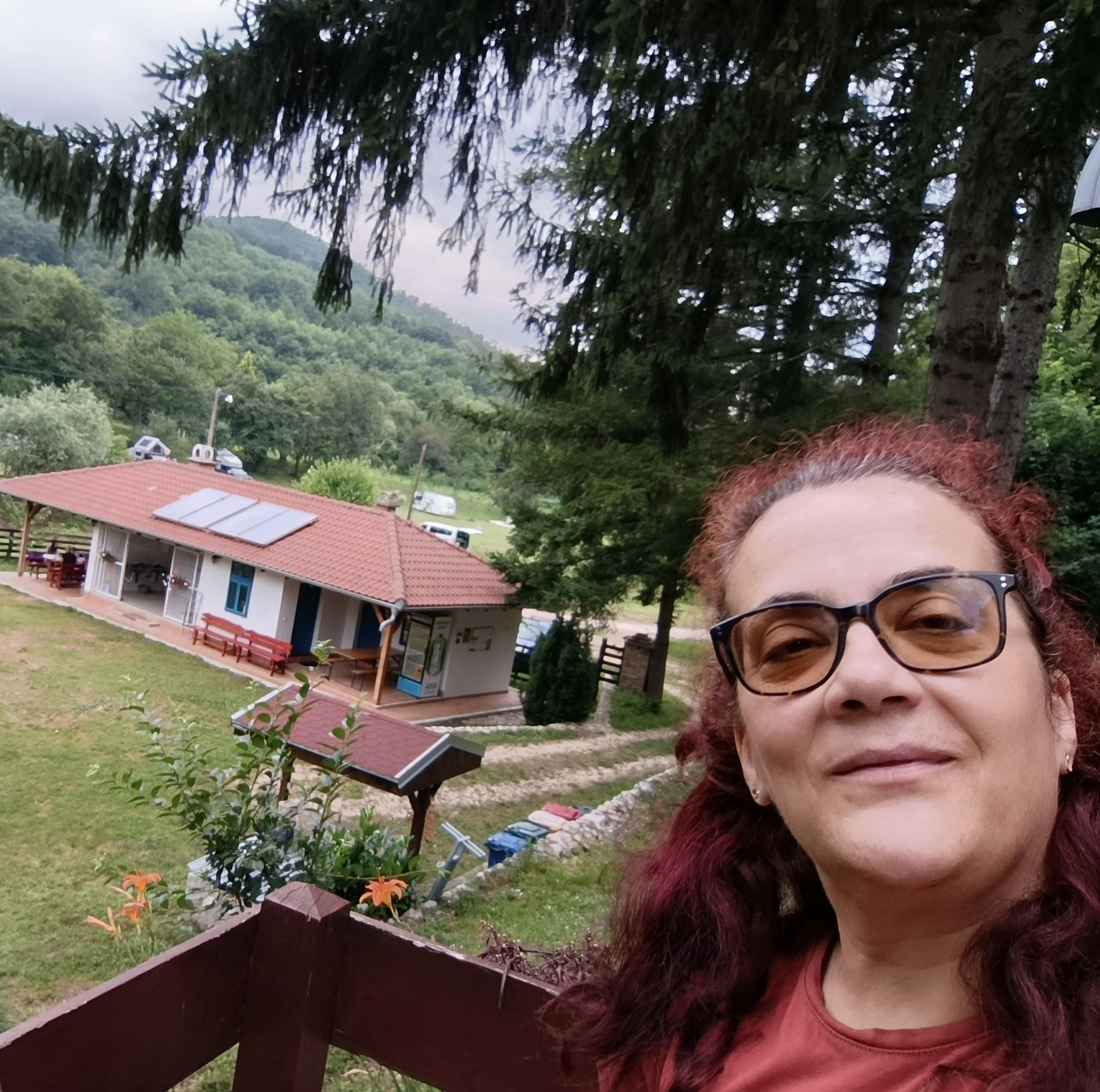
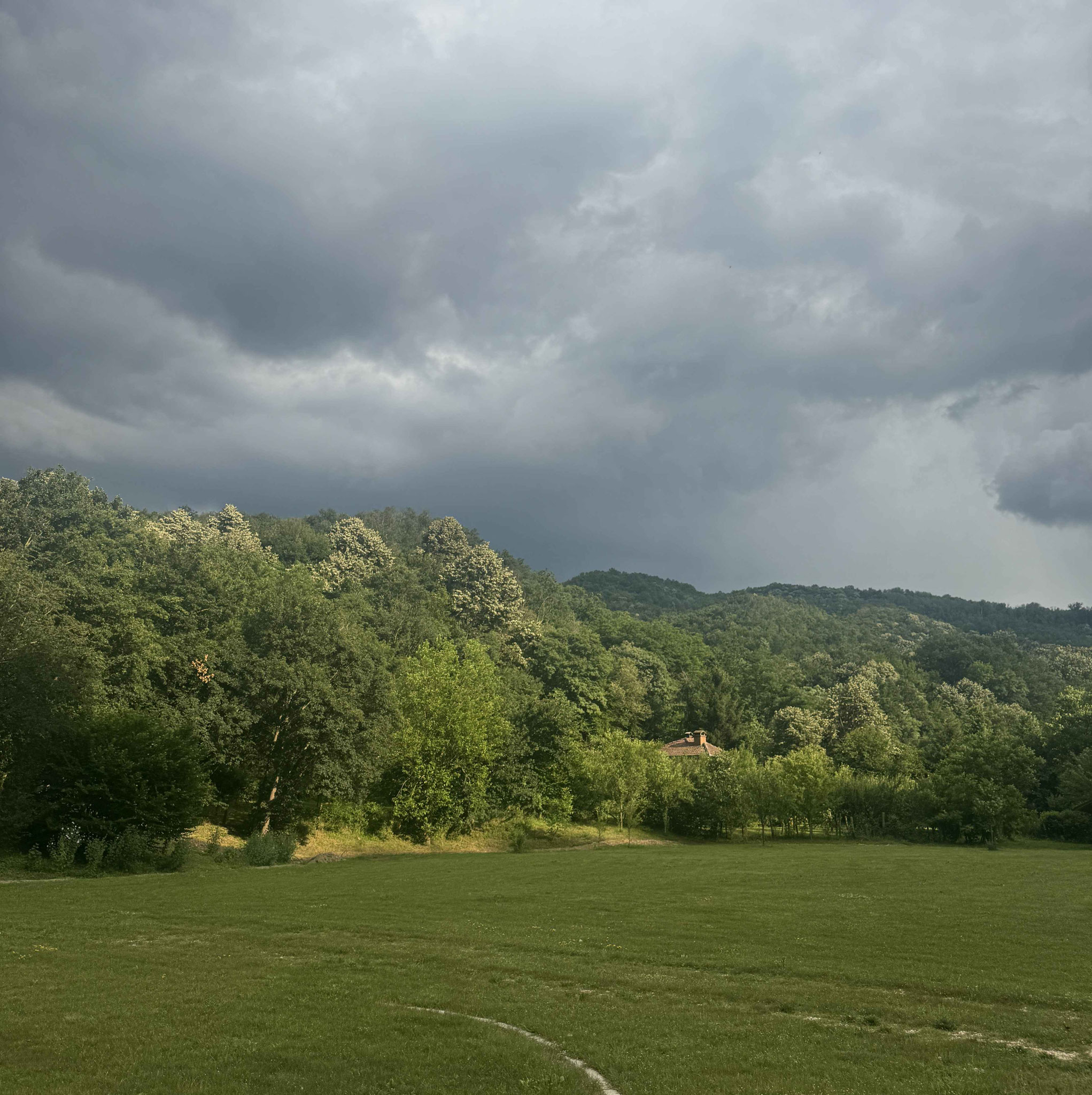
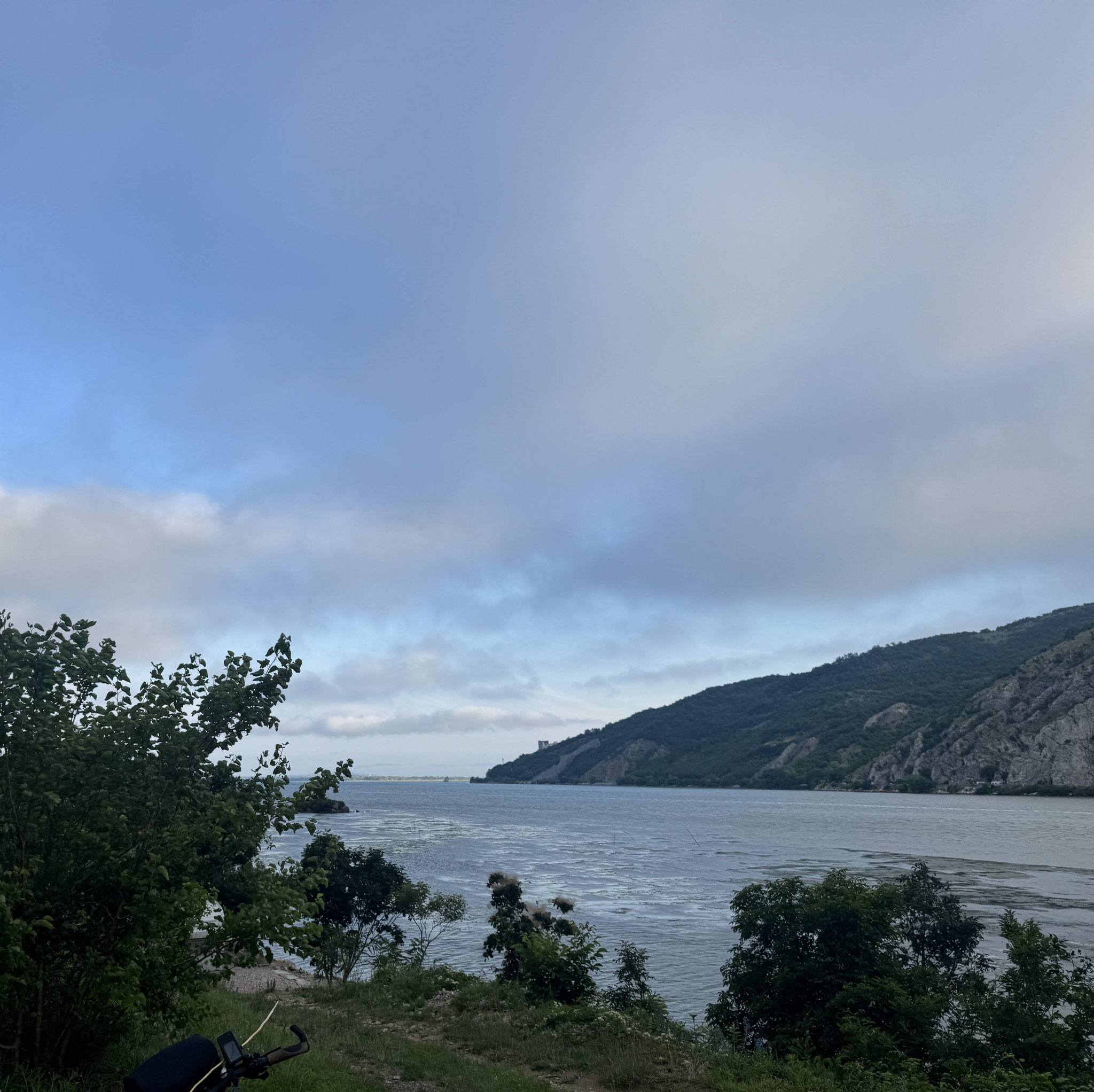
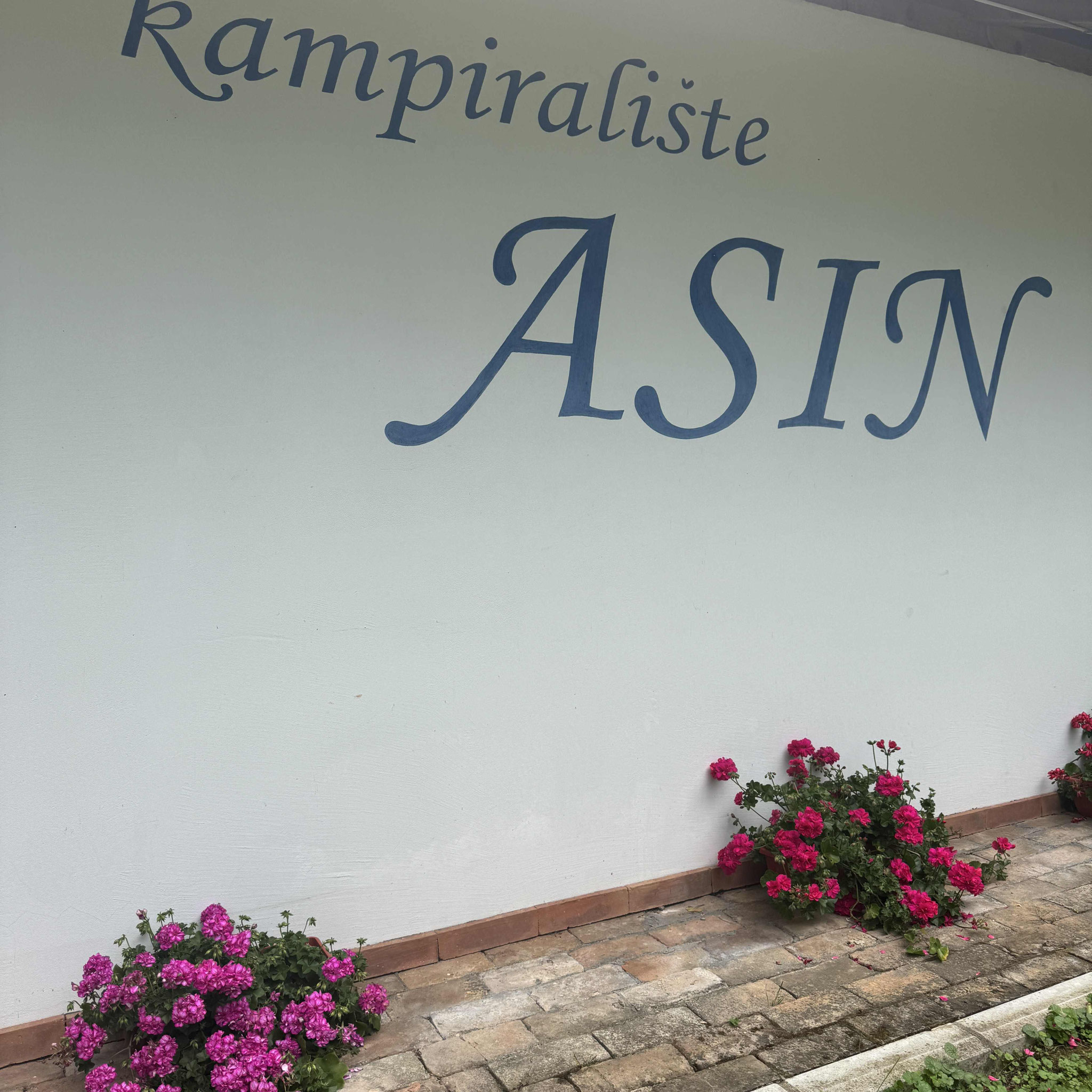
In 2022, another turn in her life followed, though this time it was completely self-determined. In her husband's Eastern Serbian homeland - right in the middle of the Đerdap National Park near Dobra - the family bought a piece of land directly on the Danube and built the "Asin" campsite. Since it was nearly impossible to professionalize such a project from afar in Belgrade, Milena made a brave decision: she quit her secure job at the school and took over the management of the campsite. For her, a circle closes here: the mighty river, which in her youth was a sharp dividing line and a border, has today become a place of peaceful encounter for people from all over the world.
Today, Milena spends six months of the year at the campsite surrounded by nature in the Đerdap National Park. She is the good soul of the place and always strives for the well-being of her guests. Sometimes she finds the work in the summer lonely and intense, as she has to be present as a host seven days a week and finds little time for her own hobbies like cycling or hiking. "Everyone who arrives here should be warmly welcomed and not have to wait," she states her standard. "In return, I wake up to birdsong in the morning and host people from all continents of the earth."
Milena spends the winter months in Belgrade. There she enjoys having time - for herself, for family, for friends, and to recharge her batteries for the next summer season on the Danube.
History and the Causes of the Conflict
Milena takes a nuanced view of today's political situation. She regrets the collapse of Yugoslavia, noting that her generation lived more securely, both economically and socially, in the shared state. When Milena looks for the reasons behind the outbreak of the war today, she sees a mixture of economic disparities, historical wounds, and a lack of political leadership.
Historically - partly due to Austro-Hungarian influence - Slovenia was significantly more economically developed, disciplined, and better organized than, for example, the south of Serbia or Macedonia. Since all republics in socialist Yugoslavia paid into the same budget, which in turn subsidized the poorer regions, growing resentment developed on the Slovenian side. They no longer wanted to bear this financial burden and strove for independence. Making matters worse, the presidents of the individual republics at the time failed to develop a shared, viable vision for the future. Instead of solving conflicts - such as the Kosovo issue - politically, the leaders allowed the state to collapse, driven by the powerful interests of individual parties.
For the future, she pleads for the neighboring countries of the Balkans to find a path of respect: "We don't have to love each other, but we must respect each other." Regarding Serbia's accession to the EU, she expresses caution but emphasizes that Serbia geographically and culturally absolutely belongs to Europe. Today, she sees the Danube as a connecting element between ten countries, forcing people to practice tolerance and take shared ecological responsibility for the river. She tries to contribute to this every day at her campsite.
Milena's most important message from her own life story is marked by great resilience: "From one day to the next, you can lose everything that gives you security. You never know what will happen tomorrow. Therefore, you have to be grateful and content if you are healthy and have a healthy family."