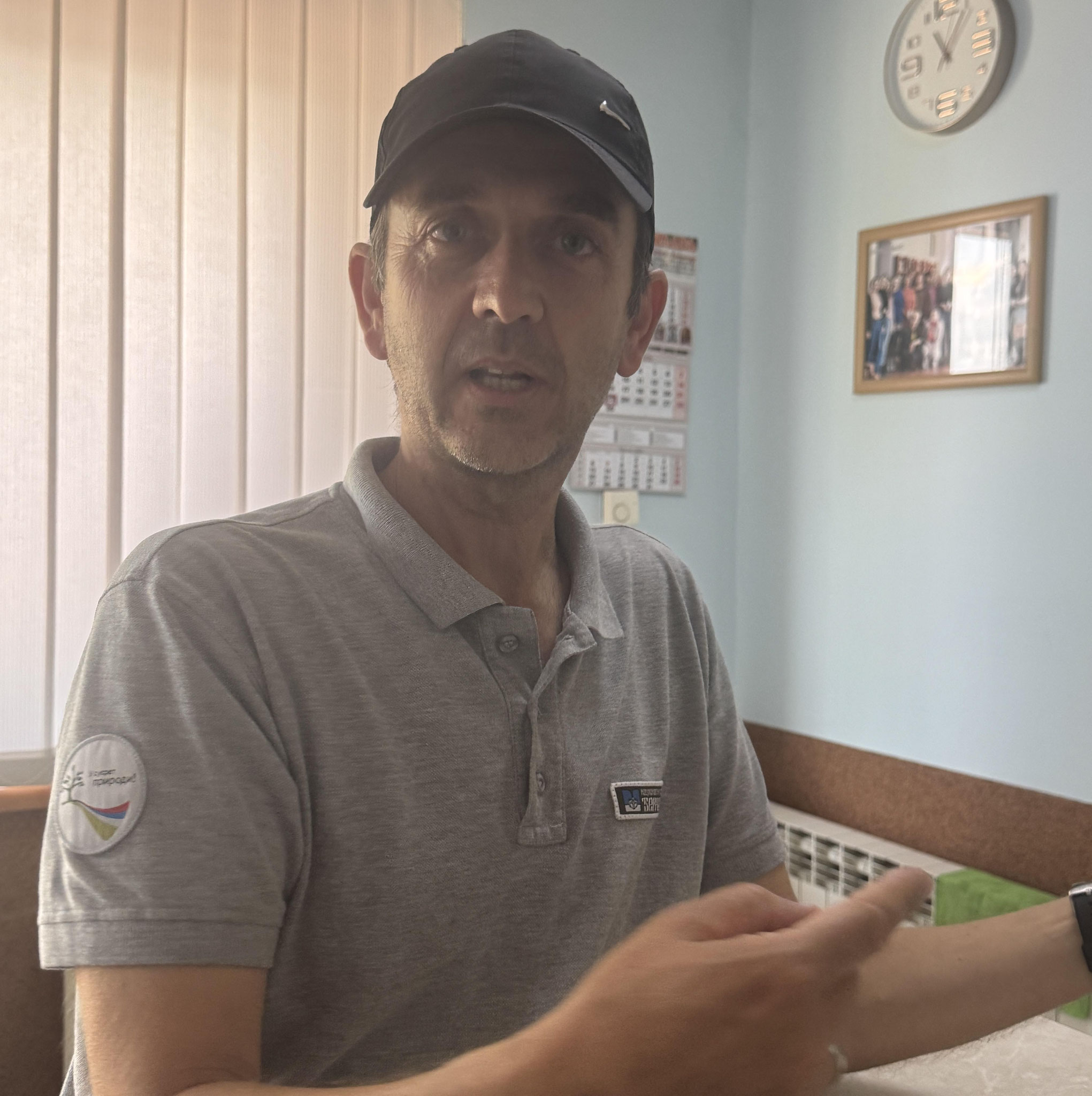
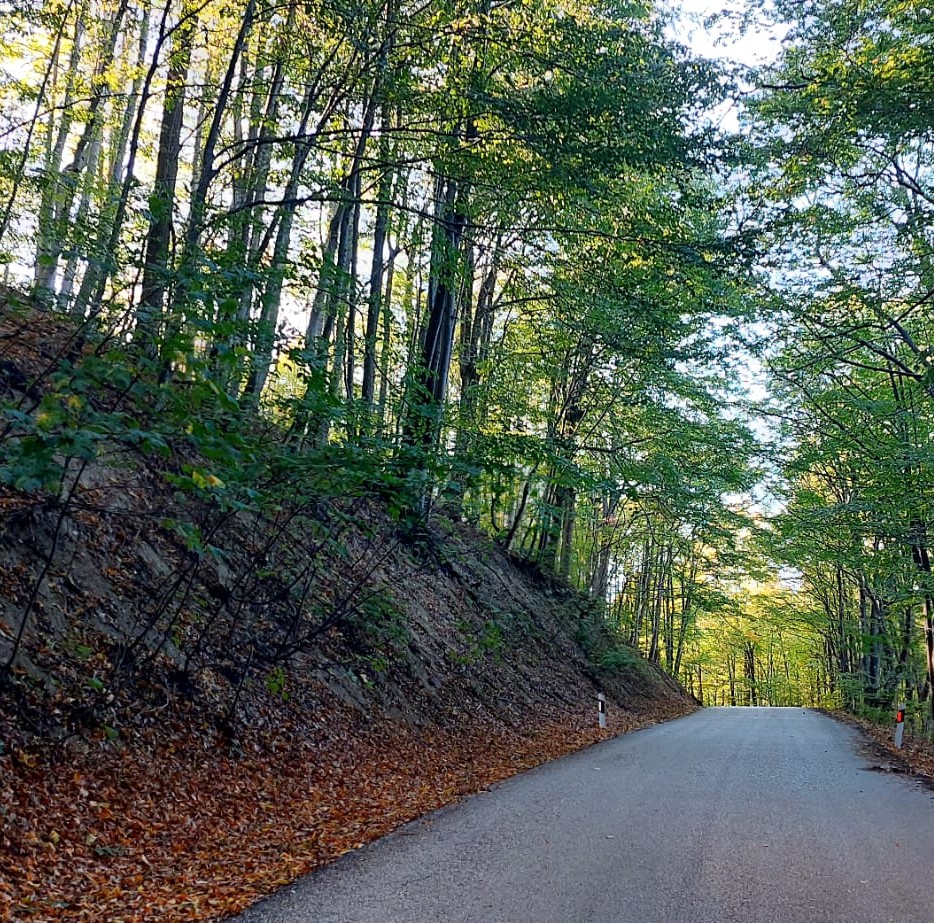
When Aleksandar Stojanović talks about his job as a ranger in Đerdap National Park, the words just pour out of him with enthusiasm. “It’s one of the best jobs in the world,” he says emphatically. “You’re out in nature every day, you work with people, it is a deeply fulfilling, beautiful task.”
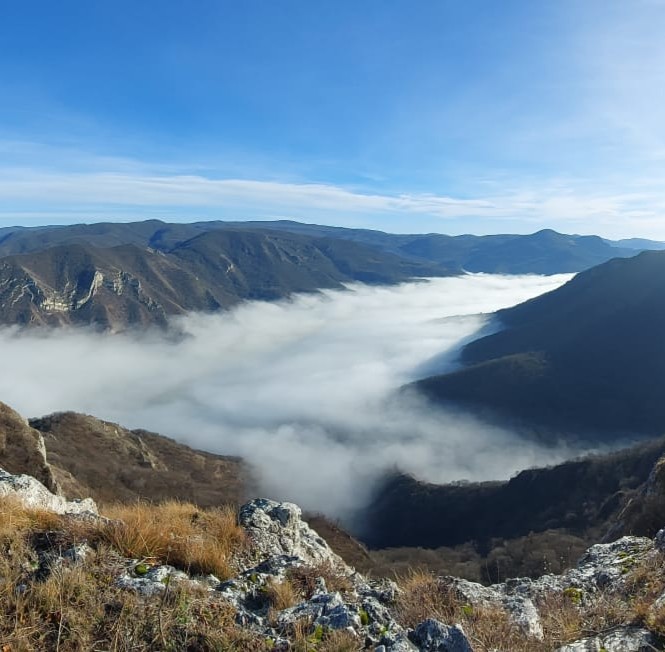
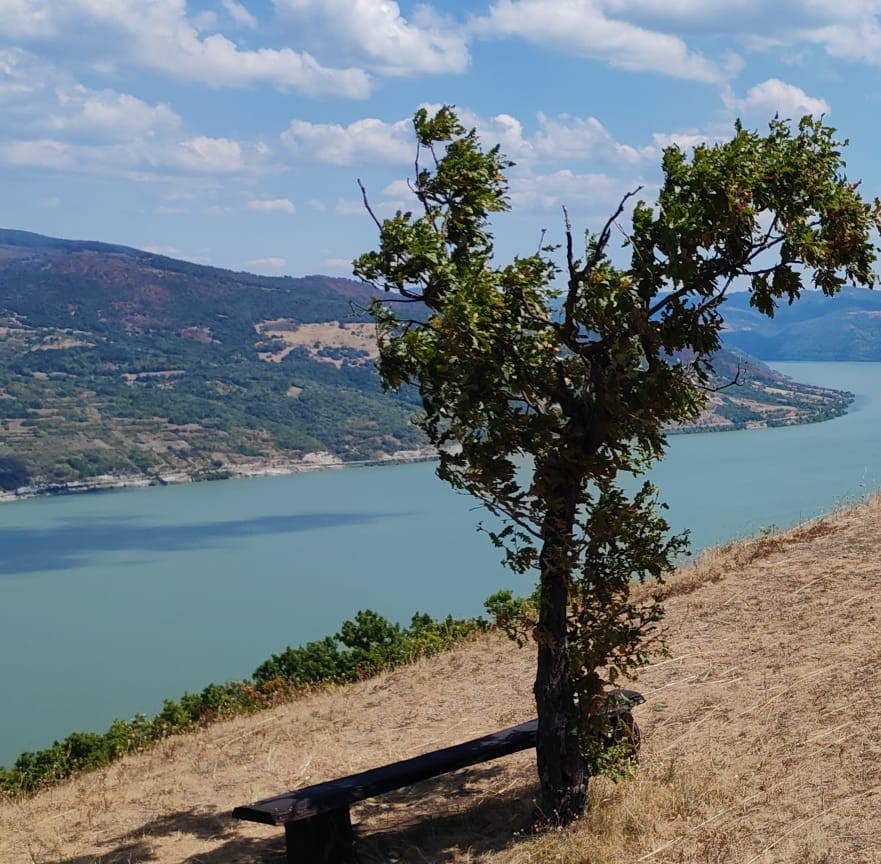
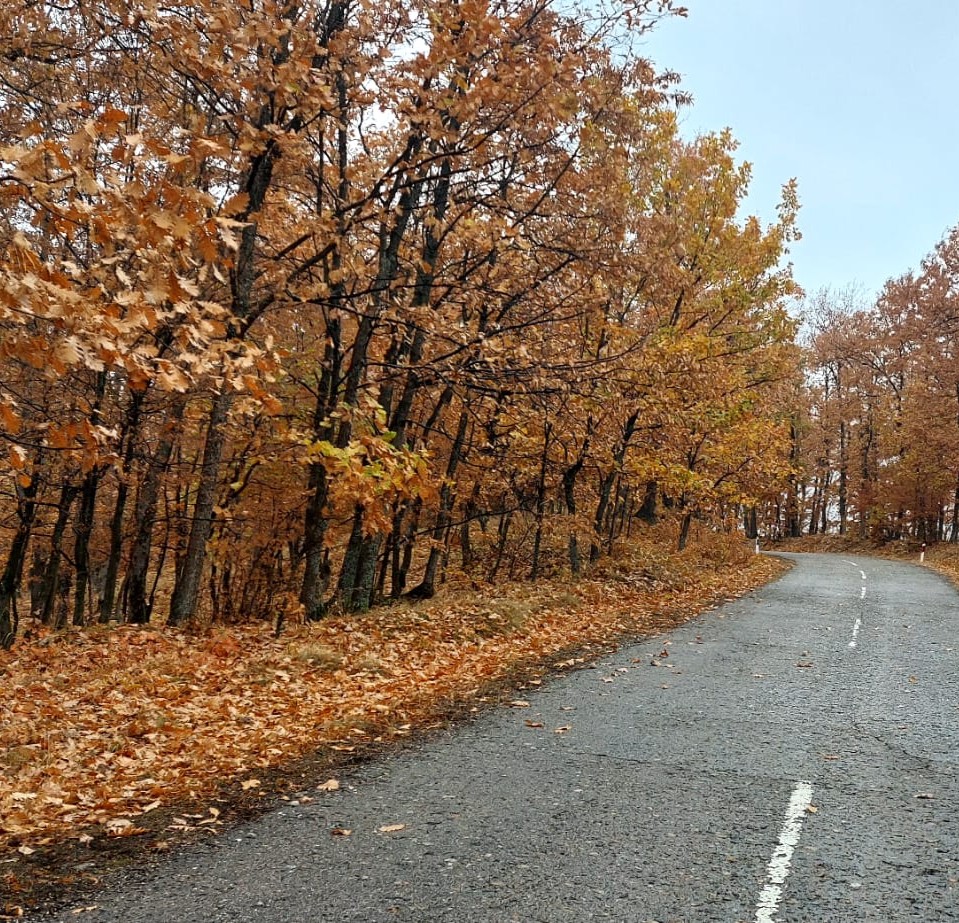
Aleksandar grew up near his workplace in a small town on the edge of the national park, and roamed through the forests even as a child. He knows the spectacular, over 100-kilometer-long Danube River gorge, the largest and longest river cliff landscape in Europe, like the back of his hand.
Visitors sense this deep connection as well. Aleksandar has long ceased to be an insider tip as a ranger. He is mentioned by name in travel guides because tourists from all over the world are thrilled by his tours. When he guides groups through the “Iron Gates,” he does not just convey facts, but teaches them to see the wild beauty of the national park through completely different eyes.
A dream job that isn't enough to live on
Yet the reality behind the idyll is harsh. The national park, which was founded back in 1974 and whose administration has existed since 1989, receives barely any state funding. The park has to painstakingly earn its own budget, for example through forestry work or tourist entrance fees. For the rangers, this means the salary is low. “You can’t buy food or pay your bills with idealism,” Aleksandar confesses openly.
His wife works for a private company, but their combined income is not enough for the family with two children. The couple rents out private guest rooms, and Aleksandar runs a small side business. In the summer, he sells crêpes and popcorn to tourists in the evenings. He describes his daily routine: “From seven in the morning until the afternoon, I work in the national park. After a short break, I’m out on the street from seven in the evening. When the children were still small, we often brought them to their grandparents so that we, as parents, had time to work.” It is an exhausting life, but for Aleksandar, it is the only way to stay in his homeland and practice his dream job.
Stories from the Iron Curtain
The Danube, which forms the border with Romania here, is a place of peace today, where cruise ships with guests from Germany and the USA dock. However, Aleksandar still remembers the communist era well, when the river was part of the Iron Curtain. While Yugoslavia was comparatively open, Romania under dictator Ceaușescu was completely sealed off. There was almost nothing to buy in the Romanian markets. Aleksandar recalls trips with his parents by car to Romania to sell sweets and, in return, buy cheap goods.
The dramatic escape stories from that time, which he heard about again and again, have also stayed in his memory. Many Romanians tried to flee across the Danube to Yugoslavia by swimming or in boats. “I heard many stories about those poor people,” the ranger says.
Some refugees used small kitchen gas cylinders as improvised flotation devices. They opened the valves so the gas would escape, allowing the empty cylinders to serve as buoyancy aids. However, they often lost control on the unpredictable river, the cylinders came under pressure, or the people drowned in the freezing water. Entire families lost their lives in the river this way, Aleksandar explains.
A look into the future
For the future of the national park, Aleksandar has a clear wish: funding should come directly from the state budget, just like everywhere else in the world. A national park is a national duty, a heritage that must be protected. Until this wish comes true, Aleksandar will continue to explain the wonders of the Danube gorge to tourists by day, and stand on the street baking crêpes by night.