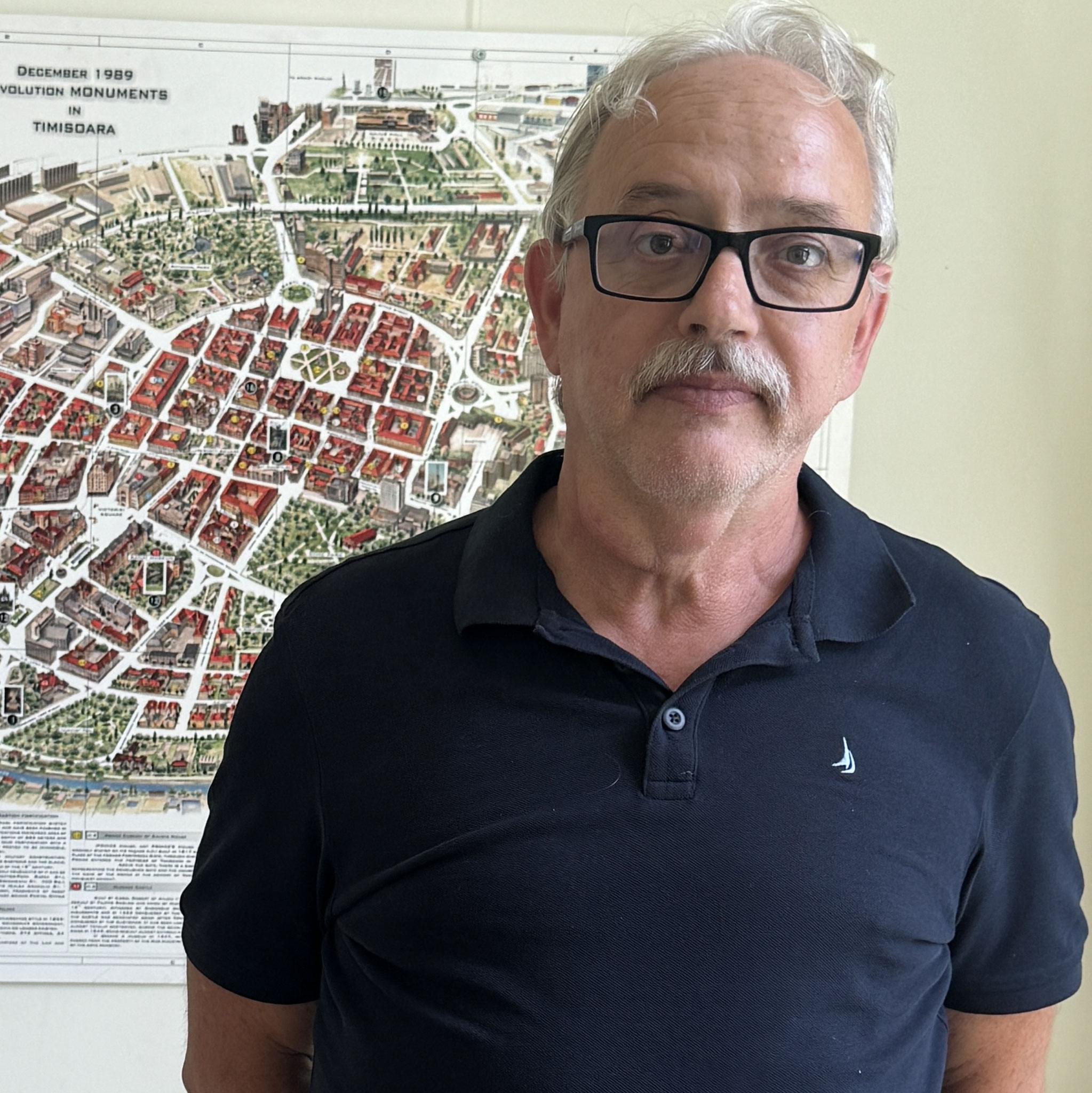
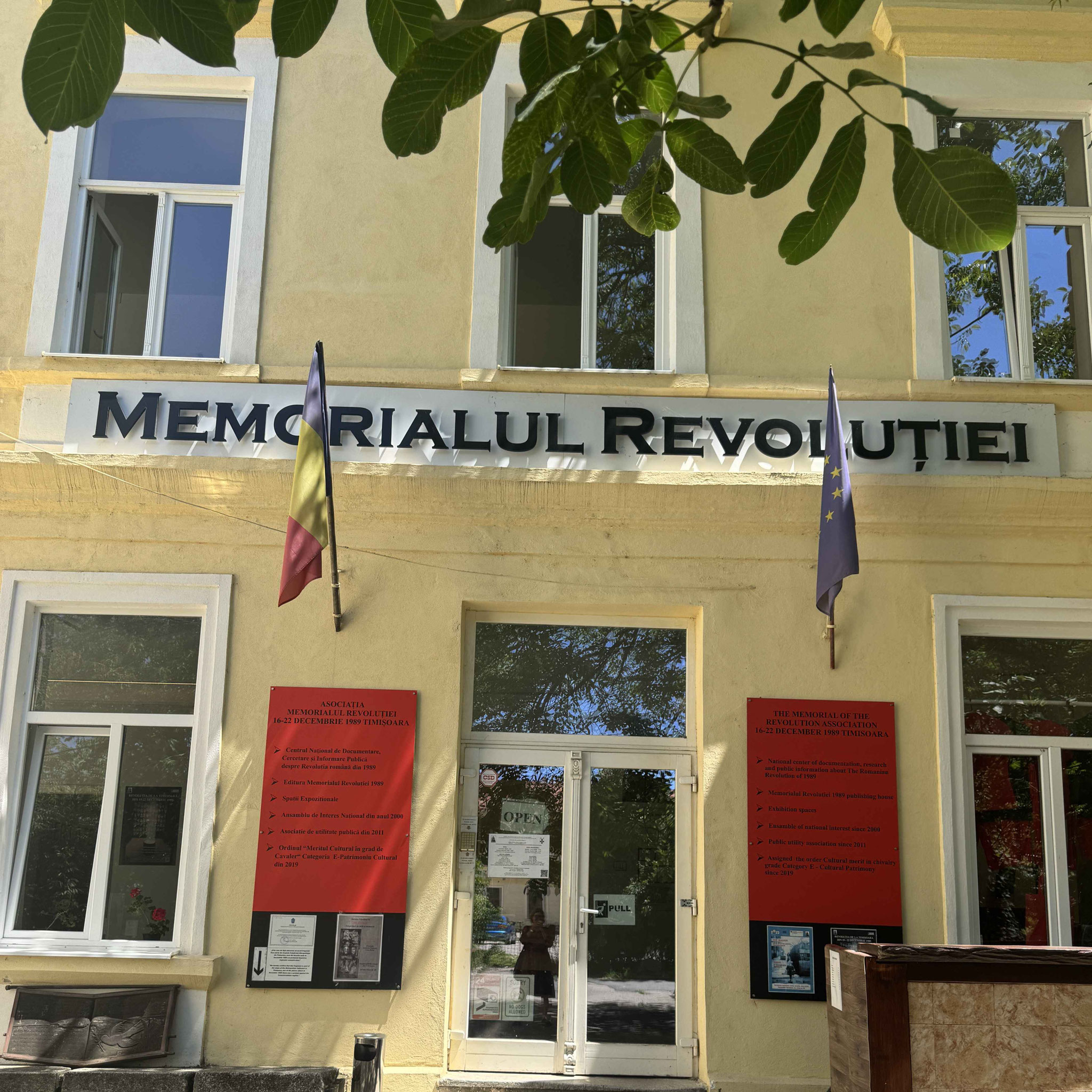
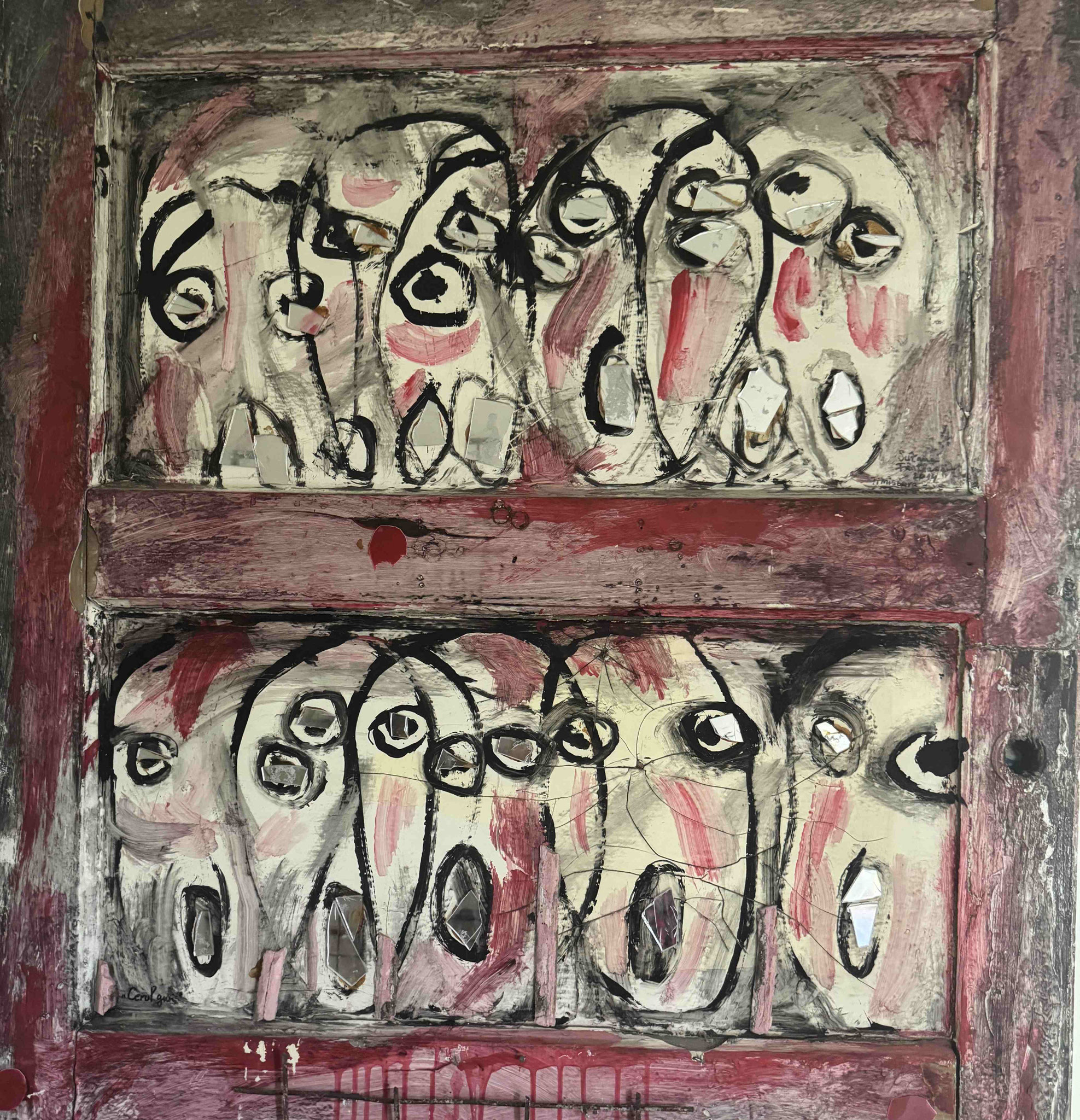
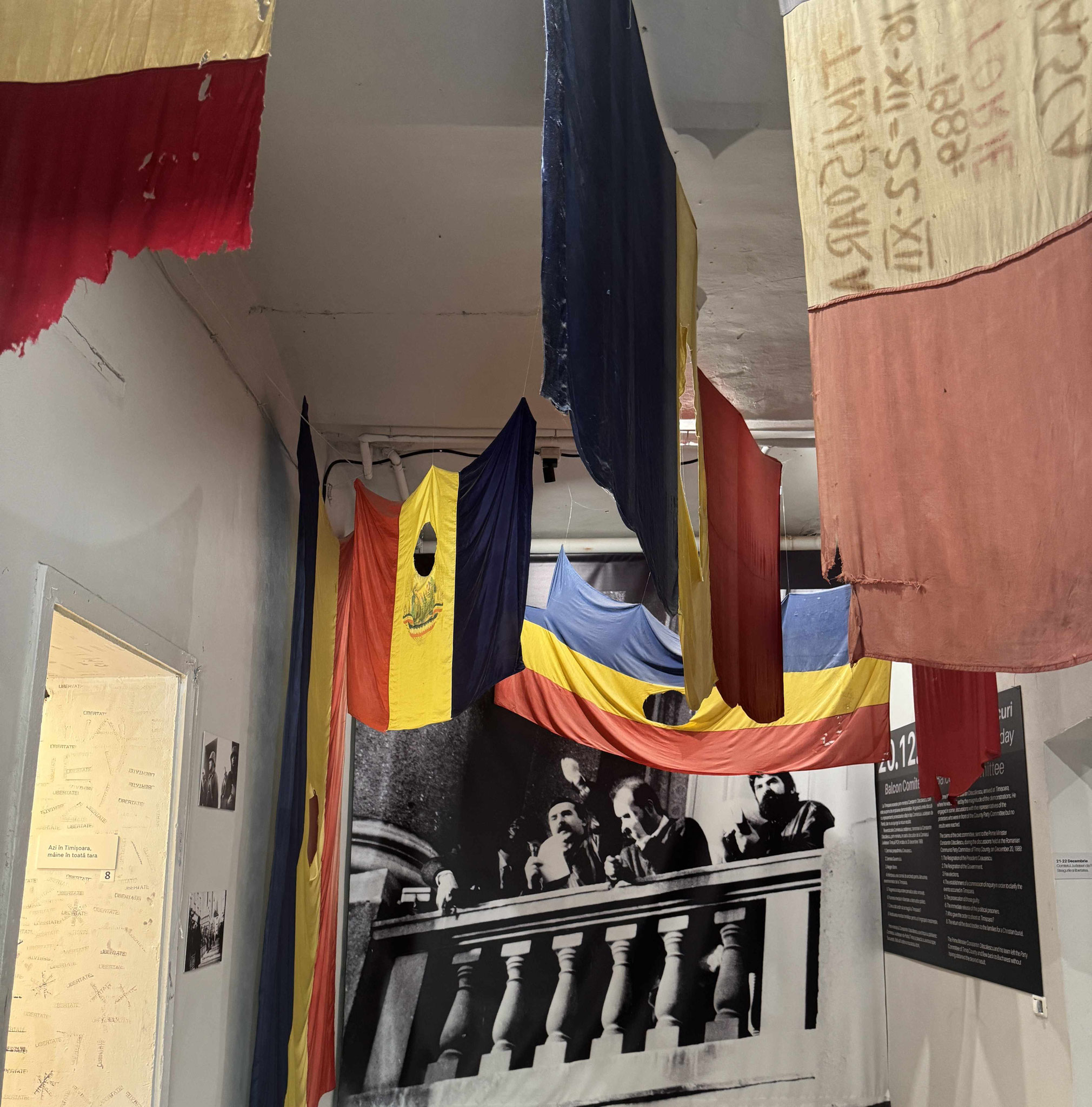
Anyone who meets Gino Rado today in the rooms of the Memorialul Revoluției (Revolution Memorial) in Timișoara encounters a man whose life path is inextricably interwoven with the recent history of Romania. As a historian, author, president of the Memorial Revoluției and director of a unique documentation and research center, he dedicates his life to researching and preserving the memory of the Romanian Revolution of 1989. Yet Rado's path into historical scholarship was anything but predestined: more than 35 years ago, he was still repairing heavy tractors.
The transformation from a trained agricultural machinery mechanic to the guardian of a nation's collective memory is the result of a historical spark that engulfed the whole of Romania in December 1989.
The Spark of Timișoara
That the revolution against the brutal Ceaușescu regime began in Timișoara of all places was no coincidence for Gino Rado. Due to its geographical proximity to Yugoslavia and Hungary, the city in the Banat region had always been a window to the West. In Timișoara back then, there were fewer power outages and, above all, more clarity and insight than in the rest of the country, he explains. People received Yugoslav television and saw the images of the fall of the Iron Curtain in Central Europe. Another advantage was the so-called "Little Pass" (Micul Trafic): anyone who, like Rado, lived in the border zone possessed this document for local border traffic and was allowed to travel regularly to Yugoslavia. "We knew exactly how people in the West lived," Rado recalls, "and we wanted that life too." This knowledge of freedom abroad acted as an accelerator in Timișoara.
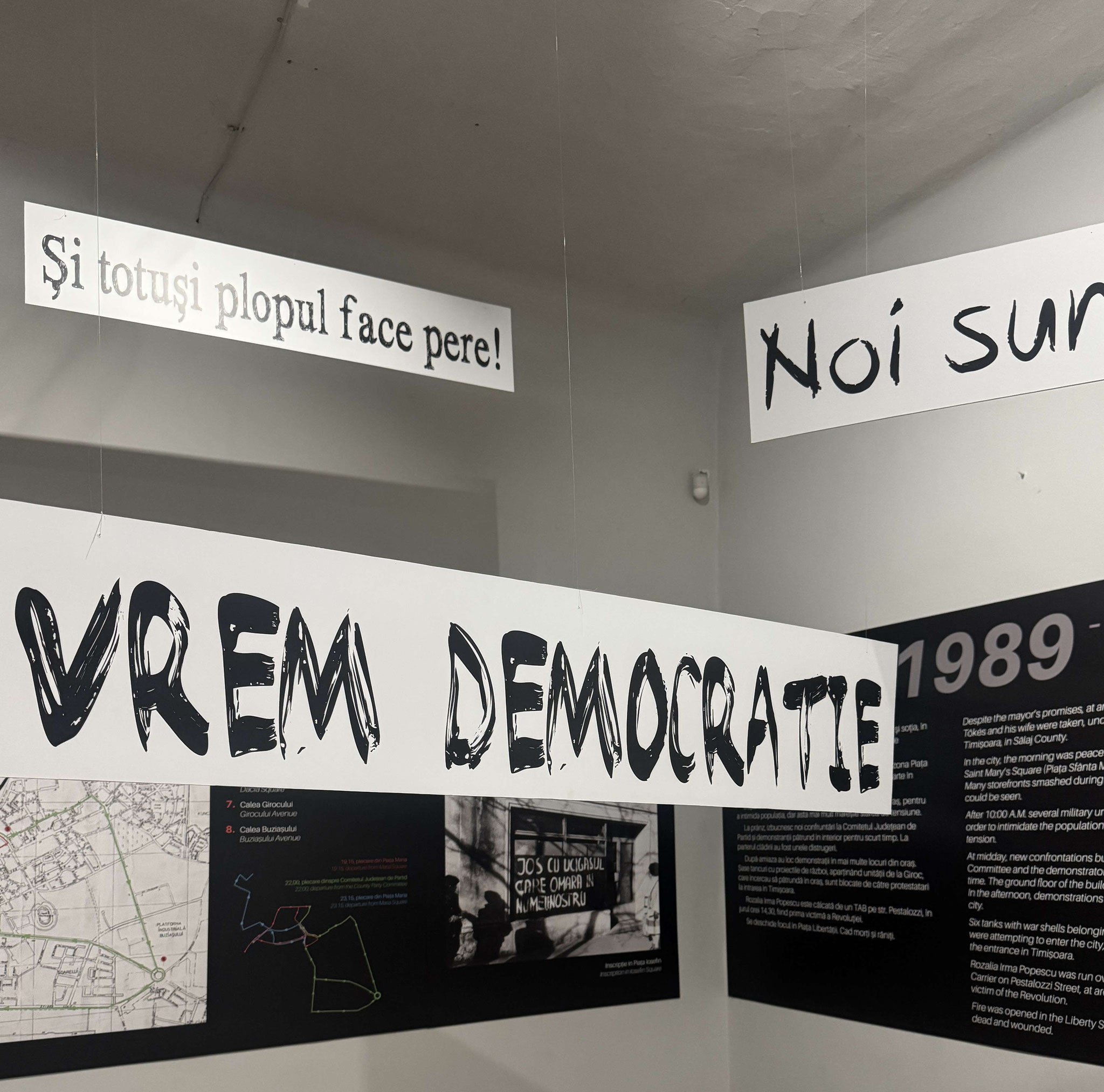
When the regime decided in mid-December to forcibly transfer the troublesome Reformed pastor László Tőkés, open protest formed. On December 16, demonstrators blocked the trams near the Reformed Church. A young man got off the tram and shouted out loud what until then had only been whispered in secret: "Freedom! Down with communism!" It was the first time this cry echoed loudly through the streets.
Gino Rado, then a young man in his early 20s living in a nearby village, heard about the riots over the radio the following Monday and drove to the city immediately. What he saw there changed his life forever: military, tanks on the streets, and soldiers shooting at their own people. "It was my country, my people, my Romanian soldiers shooting at our people," he says, describing the trauma and the simultaneous solidarity of that moment. Rado joined the demonstrators. The fear of death was real, but the deep-seated desire for justice and freedom, which he had felt since childhood when reading stories of heroes, was stronger.
On December 20, the workers of Timișoara made history: they brought the factories to a standstill, forced the army to retreat to its barracks, and declared Timișoara the first communism-free city in Romania.
But the danger was not over. Even at Christmas in 1989, when Ceaușescu had already been overthrown and executed, the 22-year-old patrolled with a machine gun in hand to protect his company from suspected terrorists of the notorious Securitate secret police. It was a time of extreme manipulation and paranoia.
From Tractor to Contemporary History
After the fall of Ceaușescu, Rado turned his back on mechanics for good. However, the new freedom initially brought disappointment: power was seized by former second-row communists who only wanted to reform the system superficially. Rado subsequently became involved in the civil rights movement Alianța Civică, the largest civil society organization in the country, and led its Timișoara chapter for years.
In 1994, the mammoth project that would become his life's work began. Step by step, starting in 1996 - initially as vice president, today as director - Rado built up the Memorialul Revoluției. From humble beginnings, a national documentation center and a dedicated publishing house emerged. The team collected judicial files, saved documents, and recorded the eyewitness accounts of revolutionaries. Parallel to this tireless civil society commitment, Rado caught up on his academic education, completed his high school diploma, and is now, at the age of 59, working on his doctorate in history. The topic of his PhD thesis: The Romanian Revolution in Collective Memory.
Memory and Obligation
Rado's academic and museum work touches a sore point in Romanian society: the often contradictory and complicated collective memory. He notes that today, even among those who suffered from bitter poverty, hunger, and total oppression back then, a form of glorification of the communist era exists. "Our memory is very complicated," he explains with a view to psychological defense mechanisms.
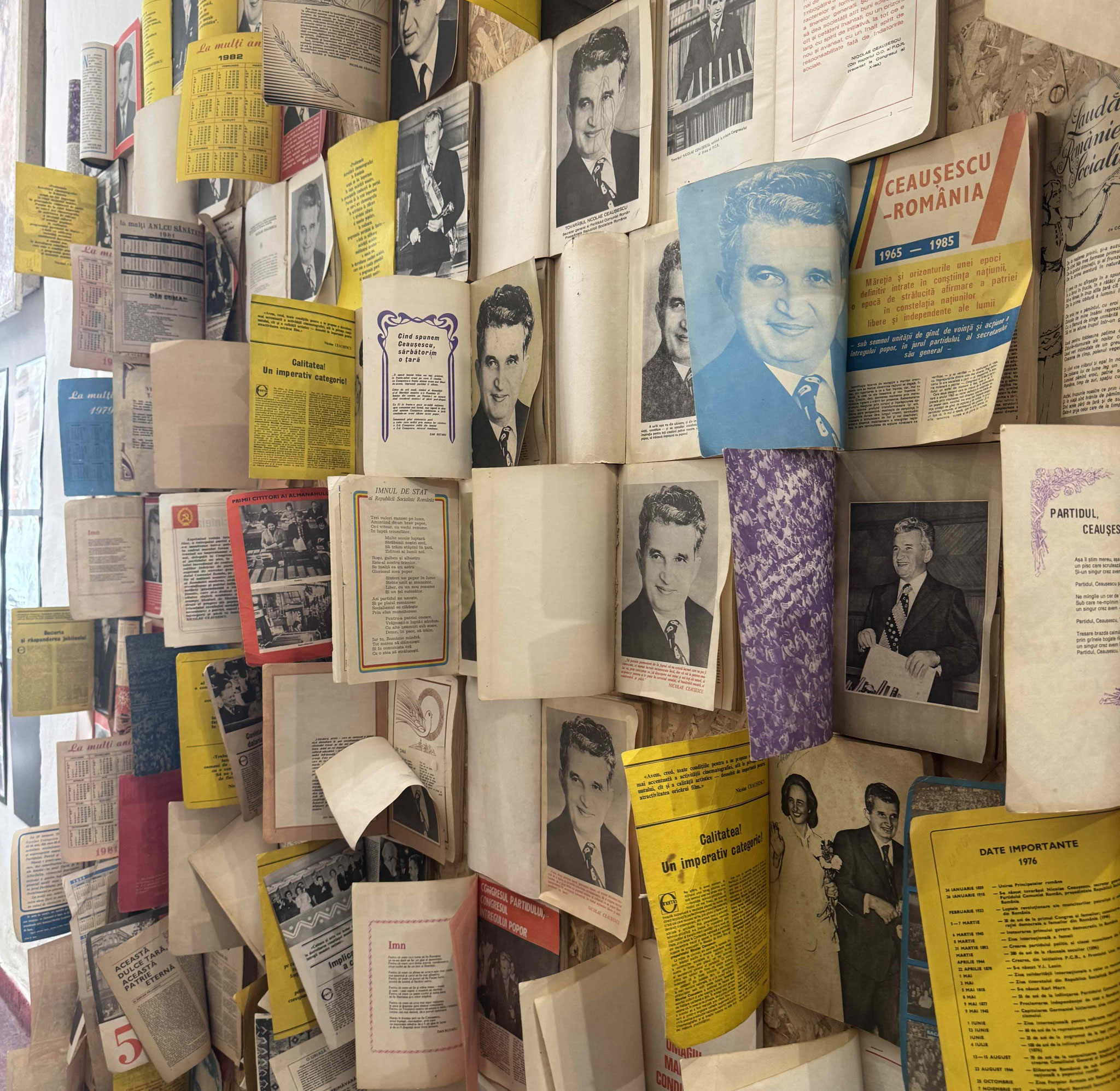
This is precisely where the memorial sees its most important obligation. In Romania's school textbooks, recent history and the revolution are often covered in just a few pages. Rado's institution fills this gap through educational work for school classes and international visitors. In exhibitions, the memorial team addresses deportations (such as the forced relocation of 40,000 people from the Banat to the Bărăgan Steppe in 1951), forced collectivization, and the crimes of the Securitate.
The museum describes the fate of those who tried to flee across the Danube to Yugoslavia in particularly drastic terms. Rado reports on the cruel agreements of that time: captured Romanian refugees were handed back to the Ceaușescu regime by the Yugoslav authorities in exchange for Romanian salt from the mines - many were shot at the borders.
For Rado, this historical education is not an end in itself, but a shield for democracy at a time when the whole of Europe is threatened by right-wing extremism and populism.
"If you do not understand the past, you cannot recognize when you are moving in the wrong direction in the present. Anyone without historical foundations is extremely easy to manipulate."
Freedom Is Not Free
Despite its enormous importance, the work of the memorial center is a daily struggle for survival. With an annual budget of the equivalent of just around 200.000 euros (one million lei), Rado and his twelve employees run the institution on the absolute edge of what is possible. International recognition is high - there are close partnerships with museums and foundations in Berlin, Budapest, Tirana, and Chișinău - but local political support in his own country remains sparse. Nevertheless, Rado refuses to drastically increase admission fees for needy locals or school classes.
35 years after the events, Gino Rado draws a realistic conclusion. Although the utopian expectations of 1989 have not been fully met in reality, and the country has paid a high price through the emigration of millions of people - including the best-educated doctors and academics - the gain in freedom and democracy is priceless.
The staunch optimist draws hope from two developments: on the one hand, an increasing number of Romanians are returning from Western countries, bringing with them new European mindsets and an entrepreneurial spirit. On the other hand, he sees the only right path for his country in even closer cooperation within the European Union. Gino Rado's motivation remains unshaken: to show the young generations, who take today's freedom for granted, what a privilege they enjoy - and what price the heroes of 1989 paid for it.