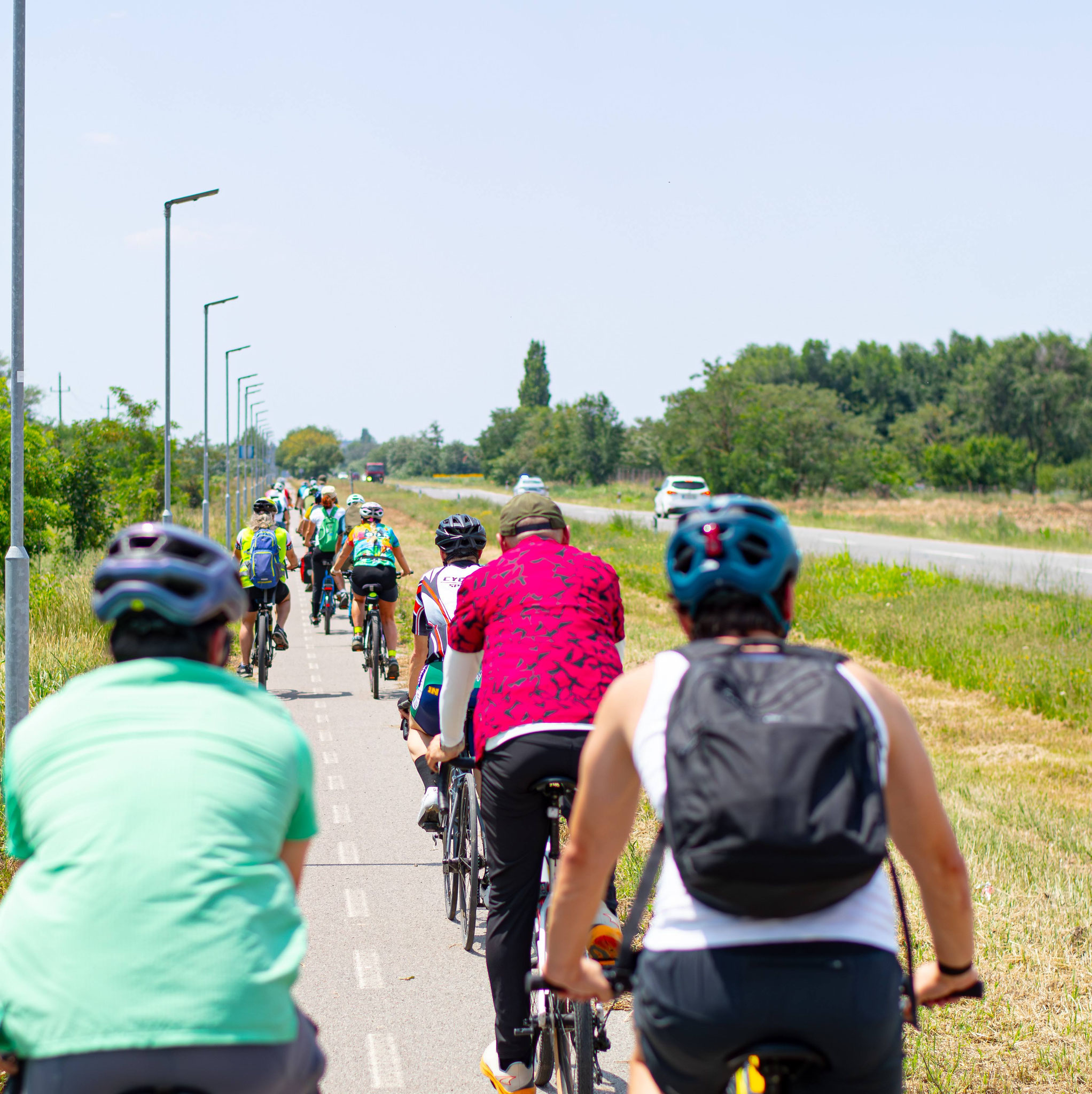
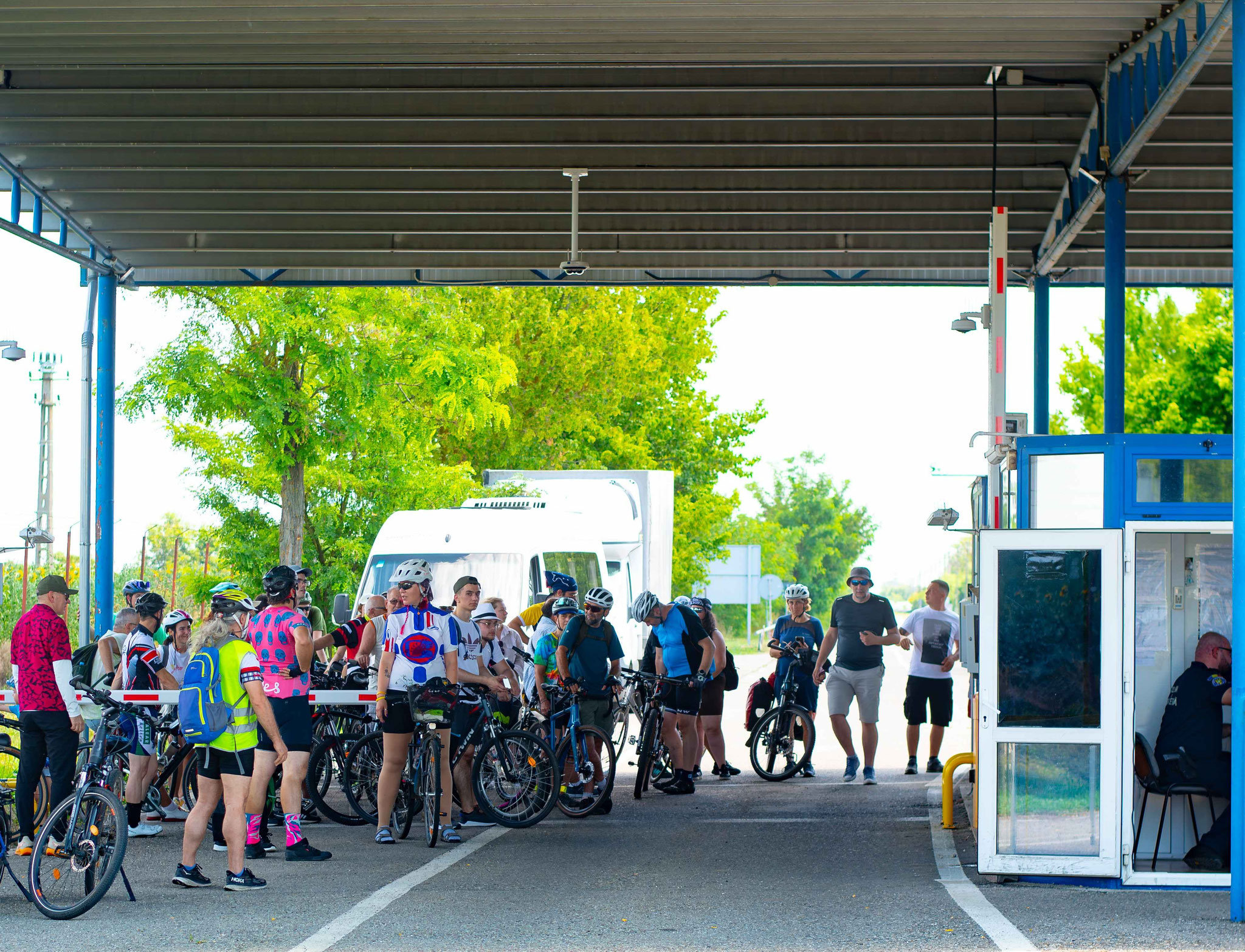
For most people, EU bureaucracy means dry mountains of paperwork. For Monica Ivan, it is the key to bringing the hidden treasures of her homeland to life. In Timiș County, she and a colleague are transforming European funding into living history. For a cross-border bike tour between Romania and Serbia on a hot Saturday, 40 people arrived with bicycles to get to know their homeland better.
A Region That Shines Through Stories
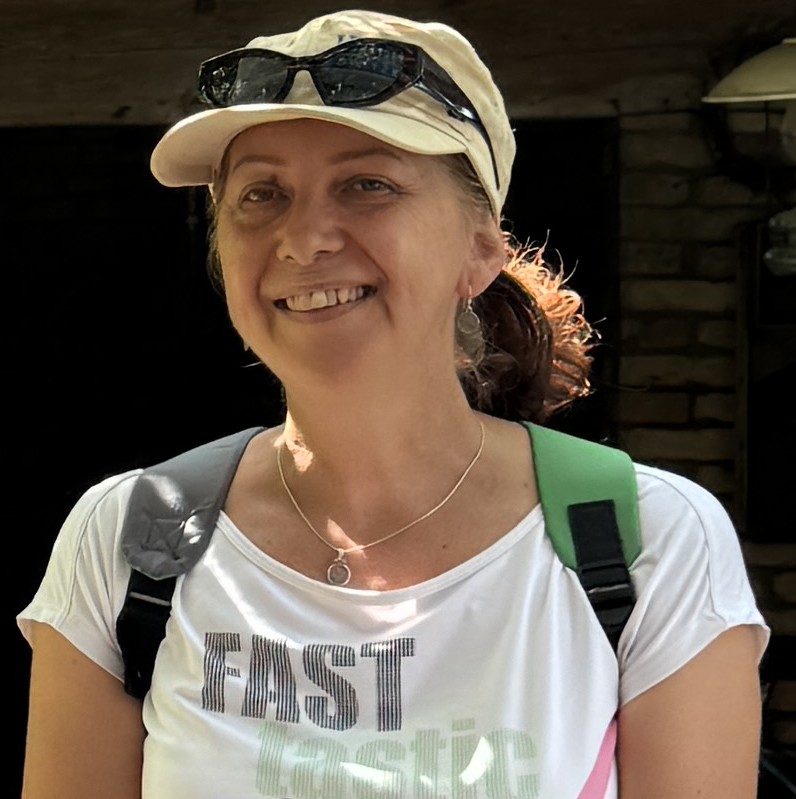
Enthusiastically, she leaves her office in the county administration to organize events like bike tours and bring people together. For her, it is no ordinary administrative job. "It is actually a passion, because I love cycling," says the 53-year-old, who describes herself as a PR expert. "My colleague Eva Fenyvesi and I love our region and believe it deserves to be discovered. And the best way to discover a region is to travel through it by bicycle."
At first glance, the Banat, a historical region in western Romania, is not a classic postcard idyll. There are no spectacular mountain ranges here, and the tourism infrastructure is still in its infancy. Instead, endless fields and chessboard-like, sprawling villages shape the landscape. But this is exactly where Monica and her team come in. They turn the region's supposed weaknesses into its greatest strengths.
"We have local stories, dedicated people, and multicultural communities," Ivan explains. Instead of creating artificial attractions, they activate the local population. Village communities are encouraged to step into the spotlight themselves and become ambassadors of their own history. Monica is convinced: "Stories can be viewed as a kind of infrastructure. They make people stop and experience the local atmosphere."
Remembrance Culture on Two Wheels
The success of this approach was proven by the recently completed EU project "Inclusive Border Cycling" (IBC). Along the Romanian section of the Iron Curtain Trail/EuroVelo 13, the moving stories of the border communities were documented. These include deportations to the Bărăgan Steppe, illegal border crossings during communism, and the peaceful coexistence of different ethnicities.
During four guided tours around Jimbolia, the cyclists spoke directly with contemporary witnesses. "We had local residents who shared events they experienced themselves," Monica Ivan recalls. "An elderly lady whose family was deported, or a man who crossed the border illegally in communist times and ended up in prison. People came and shared their personal experiences."
For Monica, this project is a matter close to her heart, as she experienced the hardships during the communist regime herself: "I still remember queuing for hours just to get something to eat. It is very important not to forget those times and to appreciate what we have today." This intergenerational culture of remembrance has also garnered international attention: The IBC project was designated as a European "flagship project" for the 2025–2026 period and was presented as a best-practice example at the Velo-city 2026 conference. The collected reports and stories were also published in a book and on the online platform www.velotimis.ro/en.
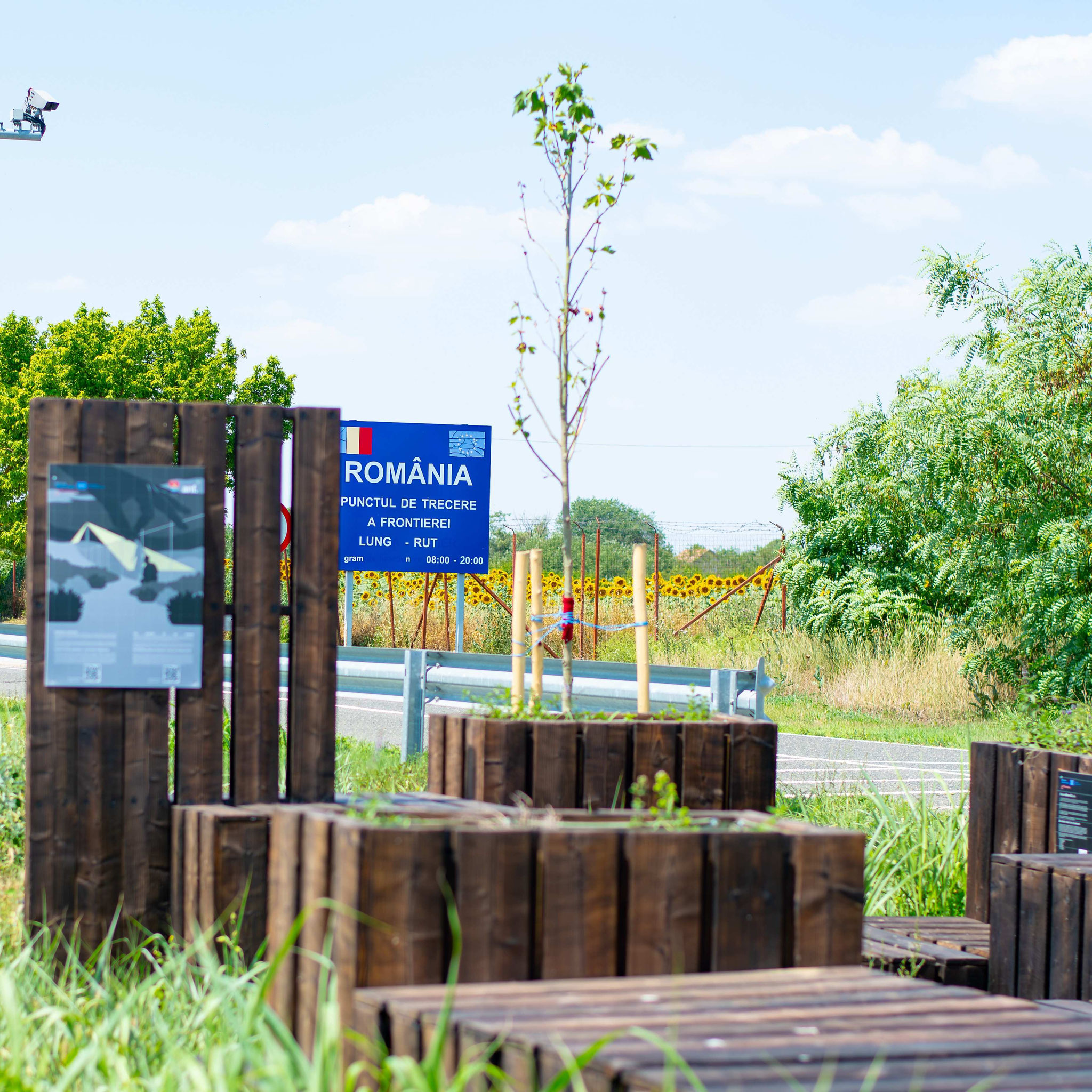
For Monica, sustainable tourism goes far beyond building bike paths; it is a tool for the culture of remembrance and international understanding. Thus, two memorial sites directly on the route are part of the concept. One honors all those who risked their lives to flee to freedom during the communist regime. The other showcases the changing history and cultural diversity of the region.
New Routes for the Region
However, the success of the first project was just the beginning. Since August 2025, the next initiative has already been underway: the Romanian-Serbian cross-border project "Cycling ROSE". This project aims to strategically expand the region's cycling network and provide economic impulses for rural areas.
As a result, five new cycling routes are being created, linking directly to the European EuroVelo 13 cycle path and inviting tourists to extend their stay in the region. One themed and educational path runs along the Bega Canal, which connects the Romanian Bega River with the Serbian Tisa River, focusing on regional history and ecology. Another themed path will highlight the era of communism. Alongside creating infrastructure with modern rest areas for cyclists, the project managers are also focusing on a solid data foundation. Bicycle counters installed at key positions will provide precise data, which Monica and her team intend to use to prove to decision-makers in black and white that cycle tourism is a relevant economic factor that must be prioritized in future investments.
Supporting local producers is particularly important to Monica. While countries like Germany or Austria have a long tradition of direct marketing, producers in the Banat often first need to learn how to effectively promote their services and products. Here, too, the digital platform velotimiș will serve as a central guide in the future, pooling routes, sights, local stories, and small businesses in one place.
"For people in rural regions, where there are often not many sources of income, bicycle tourism can bring a real financial boost," Monica says confidently. With her tireless commitment, she proves that European projects can be much more than pure bureaucracy: They are a tool to connect people across national borders, create a sense of identity, and make one's own homeland proudly visible across Europe.