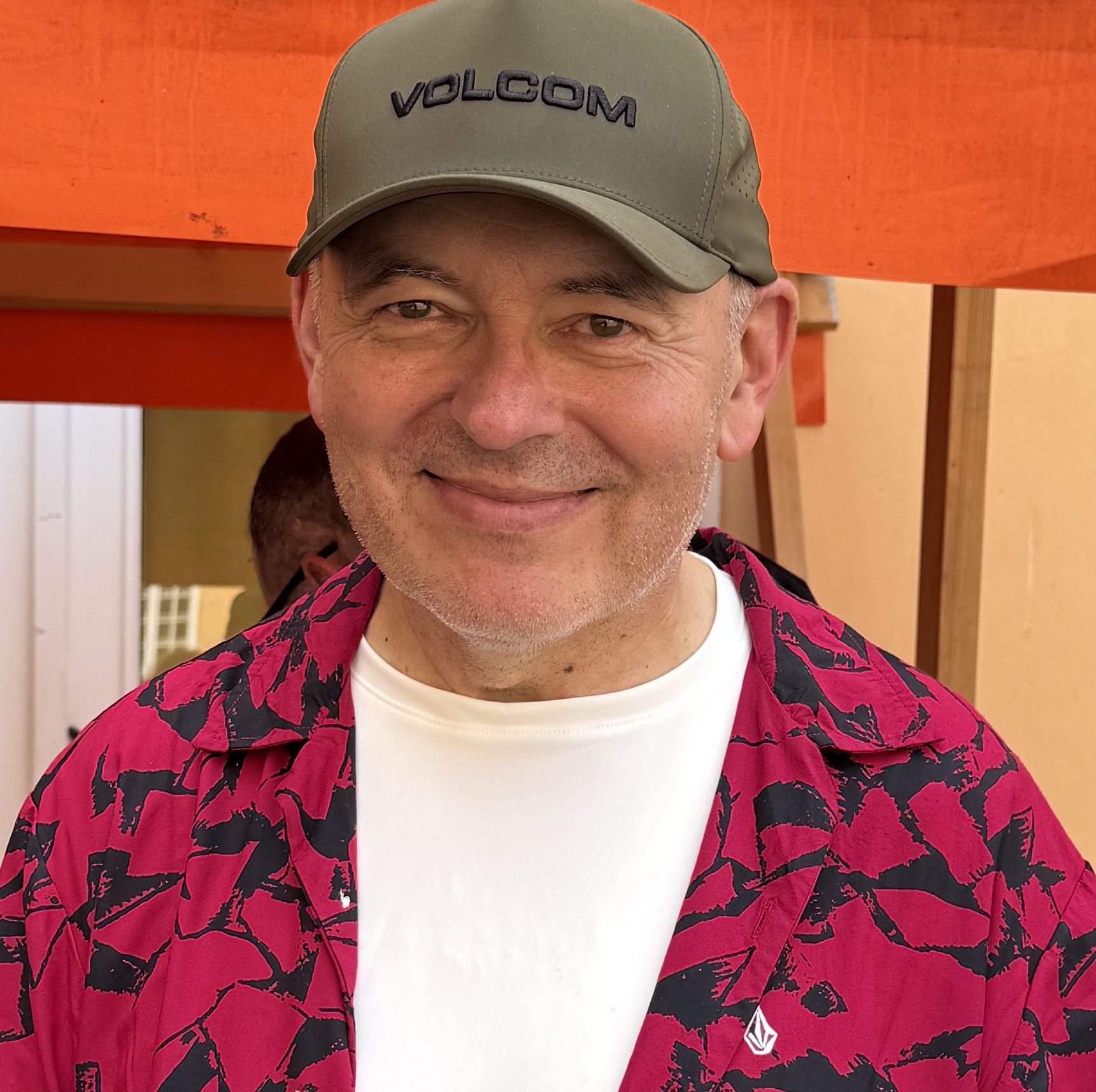
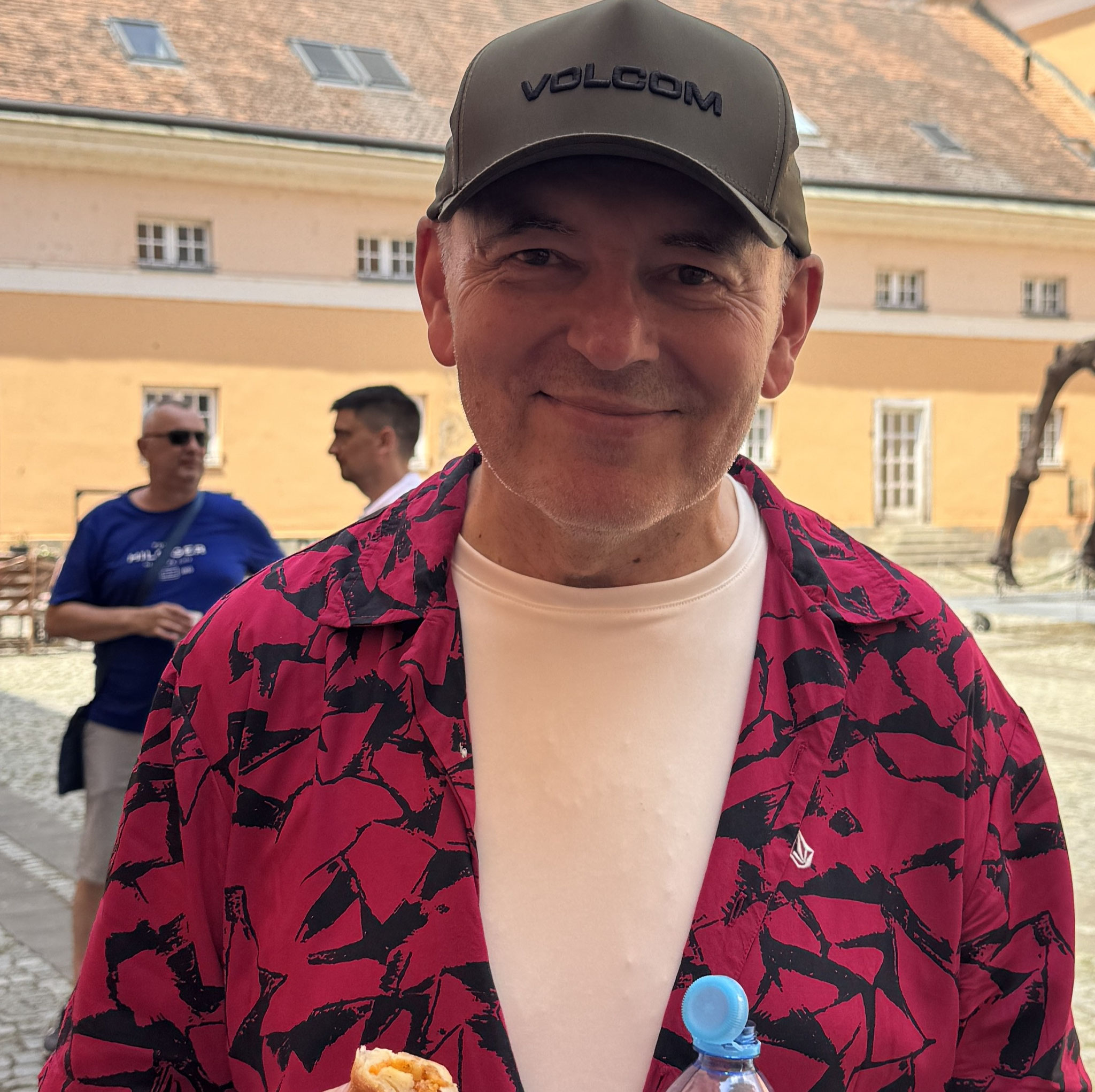
These are the dark days of late autumn 1989. Across Eastern Europe, the communist system is faltering, and the Berlin Wall has just fallen. Yet in Romania, dictator Nicolae Ceaușescu continues to rule with an iron fist. For Calin Malinin, then 22 years old and living in Timișoara, one thing is clear: nothing will change here. There is no longer a future for him in this country.
He makes the decision to flee, a step he did not take spontaneously but had planned meticulously over several months. Weeks before the outbreak of the Romanian Revolution, he drives to the border village of Lunga. From there, he and a female friend venture on foot across the perilous Romanian-Yugoslav border.
A Simple Fence with Deadly Risk
Unlike the inner-German border, there was no highly sophisticated security system with multiple fences here, but the risk of being shot by ruthless border guards was omnipresent. Calin recalls: "It wasn't a large fence. It was a kind of chain-link mesh with signaling devices attached that would trigger an alarm if anyone tampered with it."
The escape was a game of life and death. Just about 20 meters before the border, the two encountered a patrol with guard dogs. "When I saw them, we immediately dropped flat to the ground. We wanted to figure out their rhythm, how often they patrolled. After about 20 minutes, they passed by again. Then we told ourselves: 'It's now or never!' and ran for it."
Calin remembers that they must have been lying in close proximity to the residential houses near the border, as the locals' private dogs barked loudly the entire time. Nevertheless, the duo managed to jump over the fence. They had made it into what was then Yugoslavia.
Escape Aid with Nothing in Return
From the border to Belgrade, where they intended to request asylum, it was still a long way. However, Malinin had a Serbian acquaintance whom he knew from the days of cross-border shopping in Romania. "We had stayed in touch and he knew about my escape plans. Without mobile phones or any concrete prior arrangement, but with a stroke of pure luck, my Serbian friend suddenly appeared."
"He picked us up and drove us to Belgrade," Malinin says. "He was terrified because it was illegal for him. You could say his job was the most dangerous of all. He did it for me, without money, just to help." Malinin himself had barely anything on him: only 10 US dollars, which he had painstakingly saved in impoverished Romania. "A fortune in Romania, but almost nothing abroad," he laughs today.
Arriving in Belgrade, the couple turned themselves in to the police and requested asylum. Two weeks in a Yugoslav prison followed, a standard procedure for illegal border crossers. Yet the conditions were bearable: "For me, it was still better there than in the massive prison that was Romania," Malinin notes. "Besides, I had just finished my military service. Compared to the barracks in Romania, the prison in Yugoslavia was like hotel standard." Afterward, the two were moved to a refugee center, where they met refugees from all over the world. "There were even Afghans and Iranians in the center. Also many German-speaking people, meaning Romanian-Germans," Calin adds.
The Revolution Changes Everything
While Malinin and his friend were still in the middle of the admission process at the refugee center, the bloody revolution suddenly broke out in their homeland. No one had expected the regime in Bucharest to collapse so quickly.
He views the fact that he had already left Romania weeks prior pragmatically. The notion that he could have simply "waited a few more days" beforehand falls short for him: "At the time, nobody could have guessed or even imagined that the regime would collapse within a matter of weeks." For him, there simply was no visible future back then.
During the uprising in December, Malinin and his friend remained in Belgrade and demonstrated in front of the Romanian embassy to support the change happening back home. Following the end of Ceaușescu's dictatorship, the refugee camp emptied out almost overnight. Many were sent back or picked up by relatives to go to the West, mostly to Germany. In the end, Malinin was almost the only one left behind in the accommodation.
Returning to a New Home
In contrast to many others, Calin Malinin later decided to return to the new, democratic Romania. It is a decision he has never regretted. "It was my choice to flee, and it was my choice to return. I am happy with how everything turned out."
When he hears today that some people in Romania long for the "good old days" of communism, he has a clear message: "Remember how it really was. These people have forgotten that there was no electricity, no heating, because everything was centralized. You simply had nothing."
For him, the urge for freedom back then was not just an economic motive, but the search for a genuine perspective on life: "First, your mind has to be clear, and you have to be at peace with yourself. Only then can you build a life and develop a perspective." Calin Malinin shares that he has tried many things in his life. Today, the 58-year-old works as a designer for custom curtains, traveling predominantly throughout Romania, but also serving clients all over Europe