The Banat is a historical region in southeastern Europe that stretches from the foothills of the Carpathians into the vast Pannonian Plain. After the region was liberated in the early 18th century from over 160 years of Ottoman rule, Vienna launched an unprecedented modernization program. The land was largely depopulated and marshy. Through the so-called "Schwabenzüge" (Swabian migrations), tens of thousands of colonists from the Rhineland, Swabia, Bavaria, and Lorraine flocked to the Danube. They encountered an already diverse population of Romanians and Serbs. Later, Hungarians, Slovaks, Bulgarians, and Jews joined them. The Banat boomed as a multicultural, borderless economic area and became the granary of the monarchy, with the metropolis of Timișoara (Temeswar). When the Habsburg Monarchy collapsed after the First World War, the Banat settlement area was divided overnight by new national borders, split between Romania, Yugoslavia, and Hungary. The largest part of the historical Banat lies in Romania. Here, the Banat remains a strong, proud cultural region. The inhabitants identify with the Banat region, and the historic capital of Timișoara is the economic and cultural center of this region.
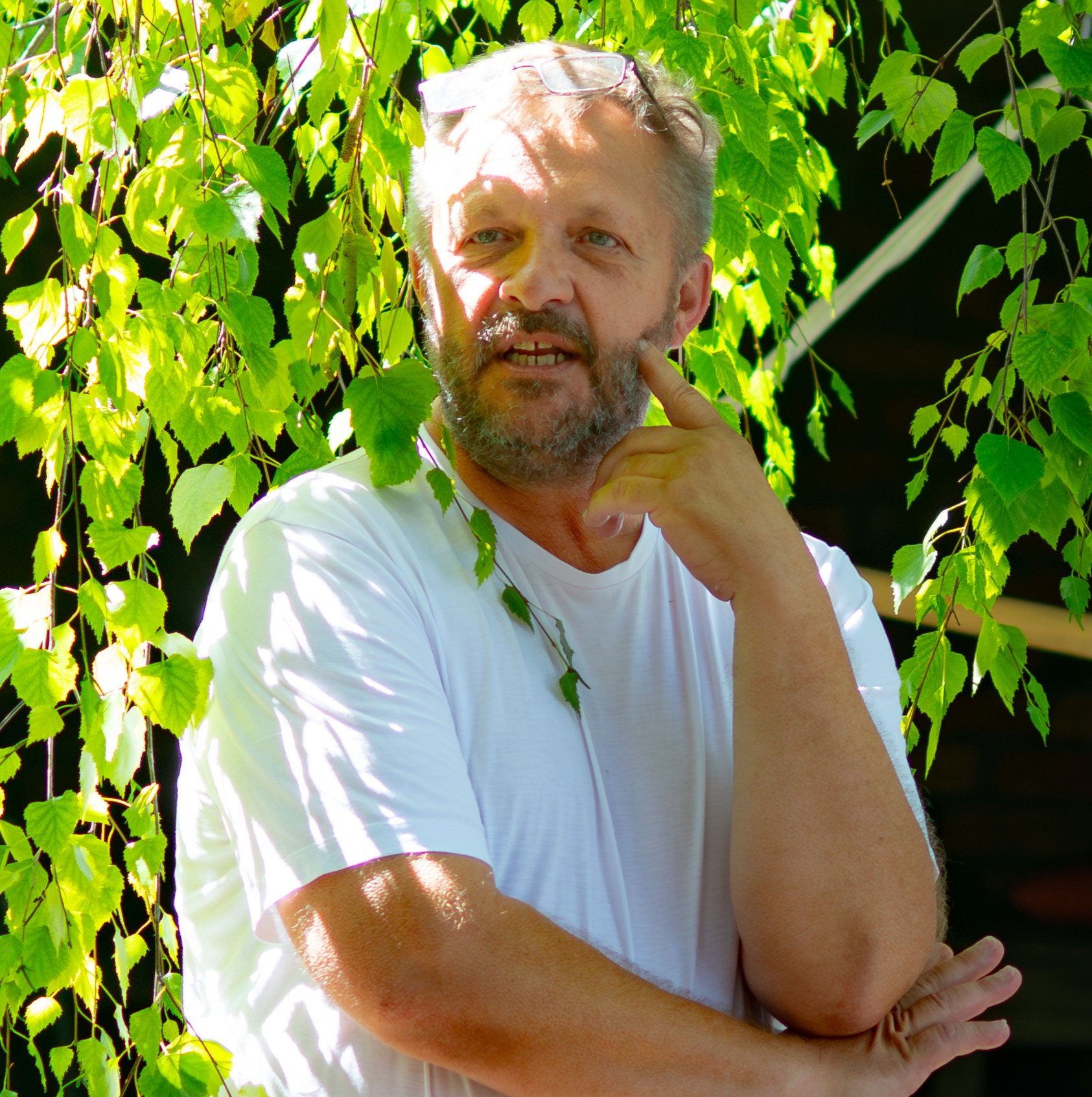
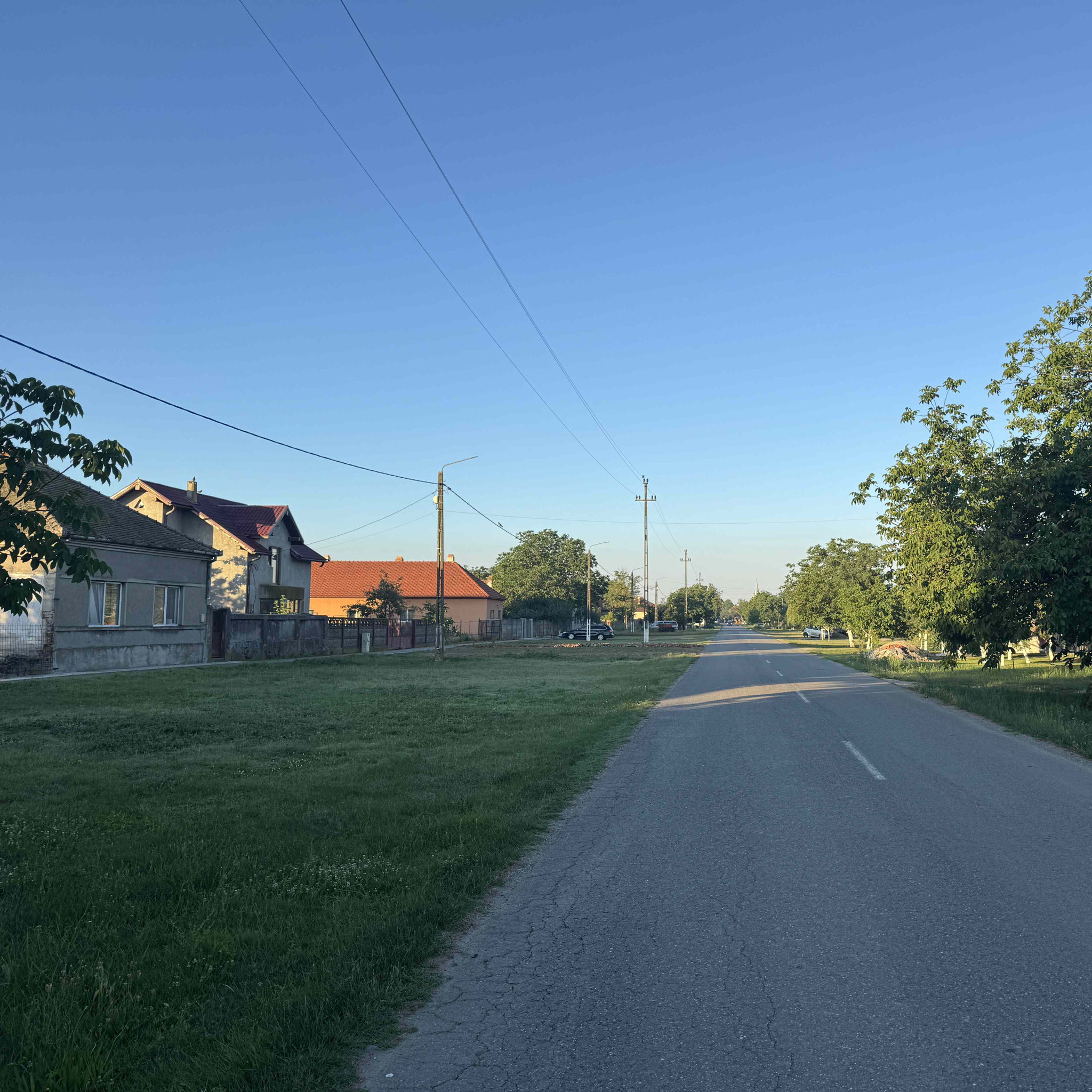
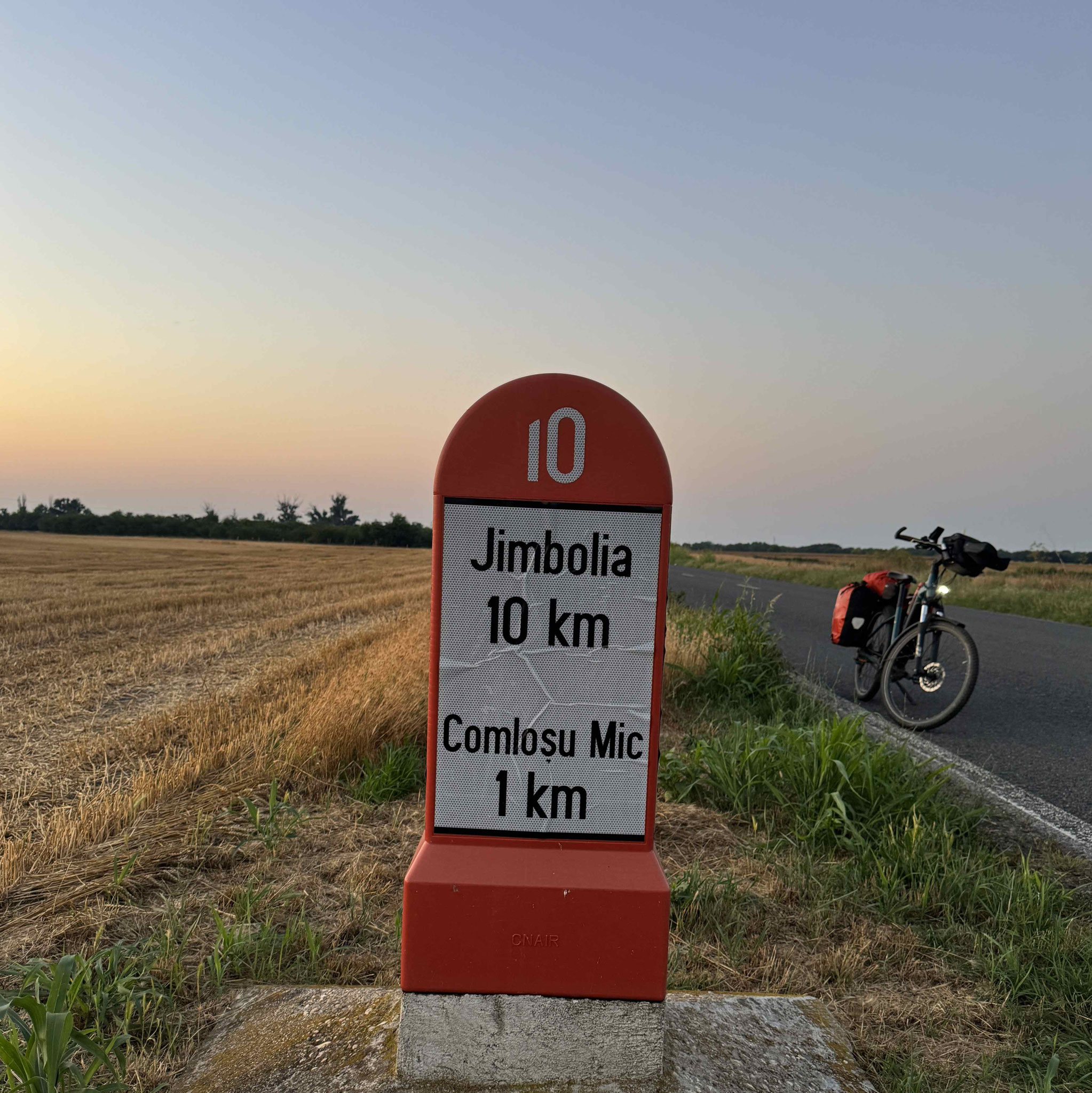
Franz Jakoby, a German national, lives today in the small village of Comloșu Mic, located near the Serbian border. He was born in 1970 in Timișoara, in a region where his family has been deeply rooted for eight generations since their ancestors emigrated from the Aachen area around 1780 in search of a better life. However, times were not always easy for Germans in Romania during the 20th century. Therefore, the family was happy to be able to leave for Germany in 1986. "We were sold," Franz states clearly. There were negotiations between the German Federal Foreign Office and the Romanian secret service, the Securitate, regarding how many were allowed to leave. "It was a good deal for both Germany and Romania: Romania received 10,000 DM per emigrant, and Germany was pleased to get urgently needed skilled workers who spoke German and were well-educated."
The then 16-year-old Franz lived with his mother in Langen, Hesse, finished school, and studied business administration specializing in hospital management at the Berufsakademie Mannheim. "I received the job offer along with my degree." But the now 24-year-old wanted to return to Romania. "My family was not enthusiastic at all, as they had fought for so long to finally be allowed to leave." Franz initially planned a voluntary social year and supported aid shipments to the then impoverished Romania for various organizations. But it did not stop there: Franz opened an optics wholesale business in Romania. "It worked, and I stayed."
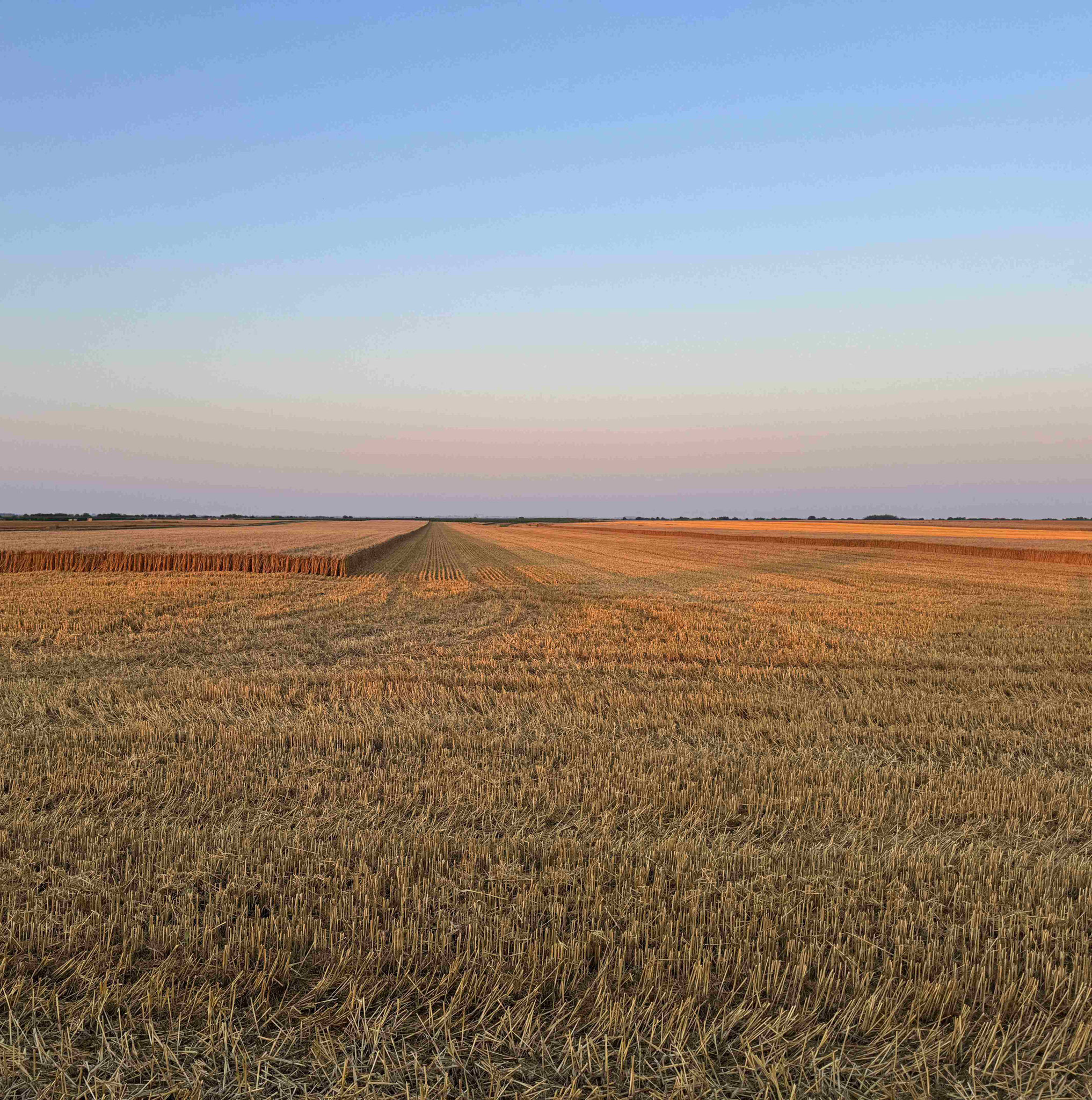
In 1997, he was finally drawn to the countryside. "I bought one hectare of land here in Comloșu Mic, then a second hectare, and eventually I got into farming." He describes being a farmer as the most beautiful job in the world. "I value the freedom and self-determination. It is a versatile and demanding profession. That is exactly what I appreciate." He discovered agriculture as a child through his grandfather. "We lived in the city of Timișoara, so as a child I enjoyed visiting my grandparents in the countryside." Today, Franz farms 120 hectares of land. "For local standards in the Banat, that is small," he comments. In addition, he is also the managing director of an agricultural machinery dealership.
"Romania in the 1990s was such an exciting country," he recalls. "There was huge development potential, which I utilized." However, he also admits that his eight years in Germany were important to him. On the one hand, it was the excellent education, but for many business and cooperation partners, his background also stood for trust, discipline, and reliability. "To be successful, competence alone is not enough. You also always need luck. And I had that," he reflects today.
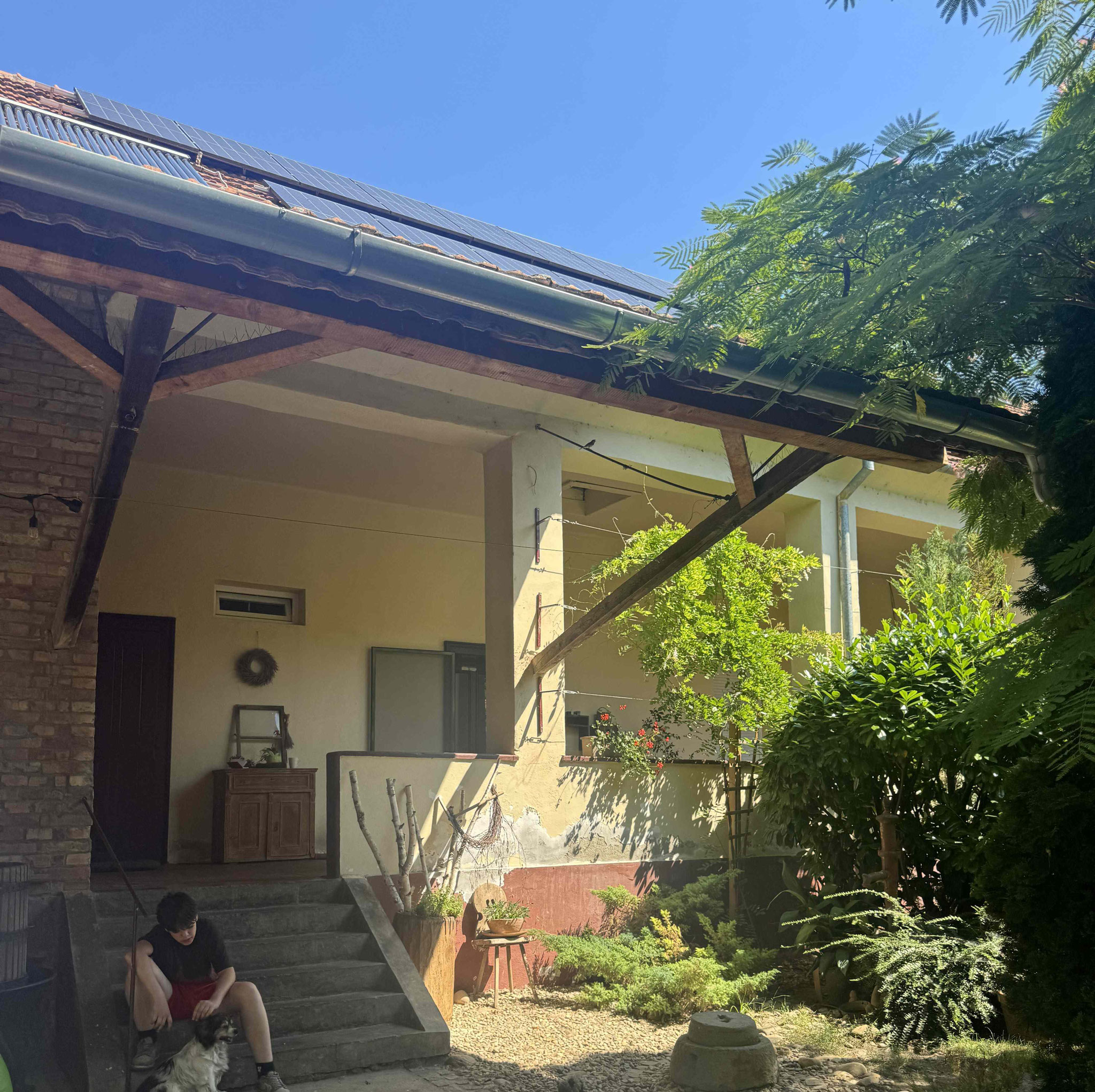
He has since reconciled with his family. "A few years later, my mother also returned to Romania. We lived here with three generations under one roof." Franz looks back with satisfaction on his professional and personal journey. "I have always been socially minded. But now it is important to me to give something back to the society from which I have benefited enormously." He is the co-founder of the non-profit organization "Asociația Colț de Banat", which campaigns for the sustainable development of rural communities. Its main goals include promoting the local economy, environmental protection, preserving cultural heritage, and improving educational opportunities in rural areas. "We, meaning my wife and I, are committed to the education of disadvantaged children. This includes, for example, promoting reading. In the summer, we regularly organize camps to open up new perspectives for children and young people from the countryside." But there are also programs for older people, for instance to strengthen digital literacy. Franz is a networker who brings people together wherever he sees a need.
For the Banat farmer, his commitment is also about strengthening democracy. For him, economic independence, future perspectives, and democracy go hand in hand. "Democracy is the best thing in the world. And there is no alternative to the EU either." However, he wishes that the EU would communicate the benefits it brings to the people much more effectively.
Photo 1: Denis Scridon