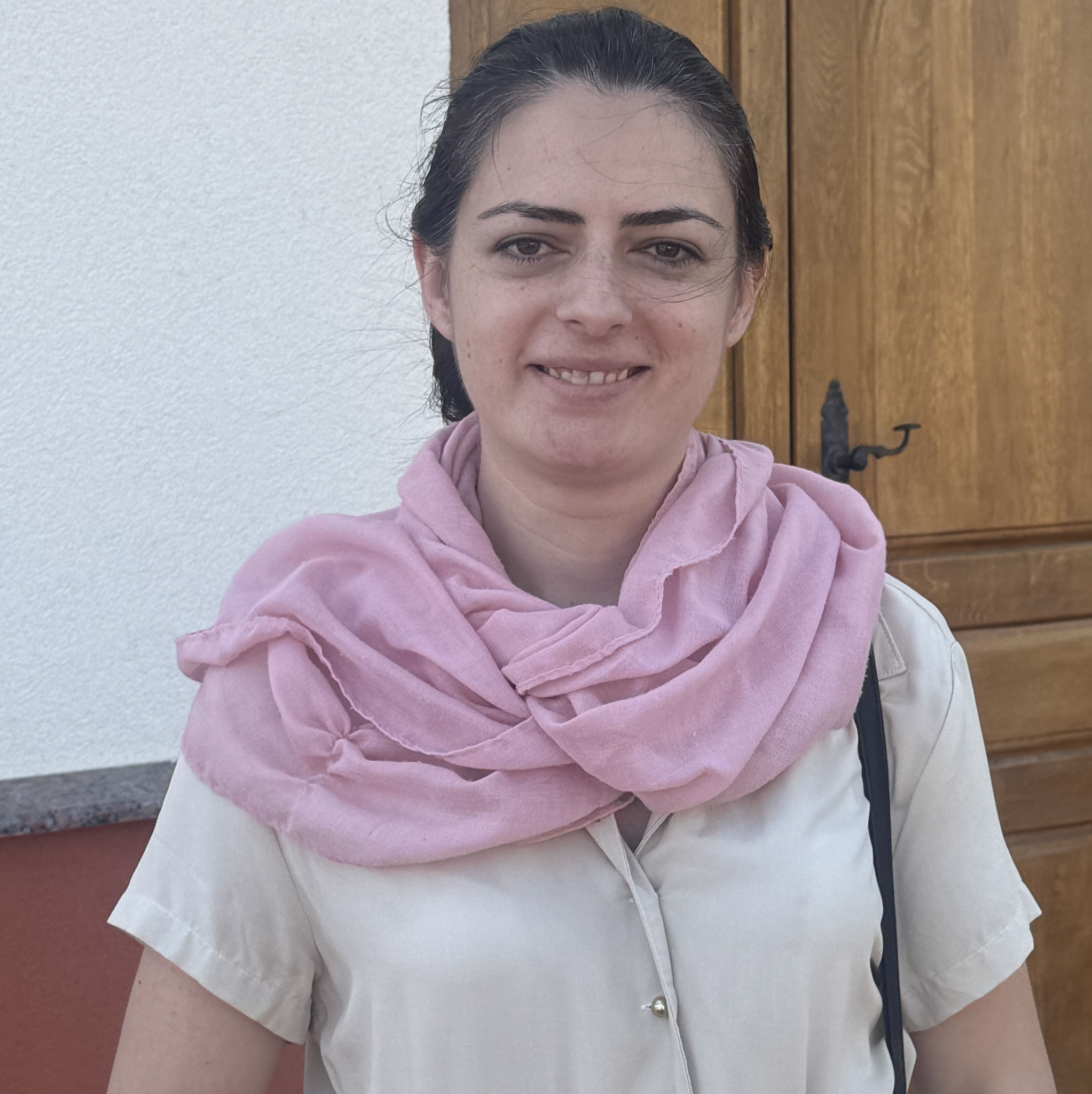
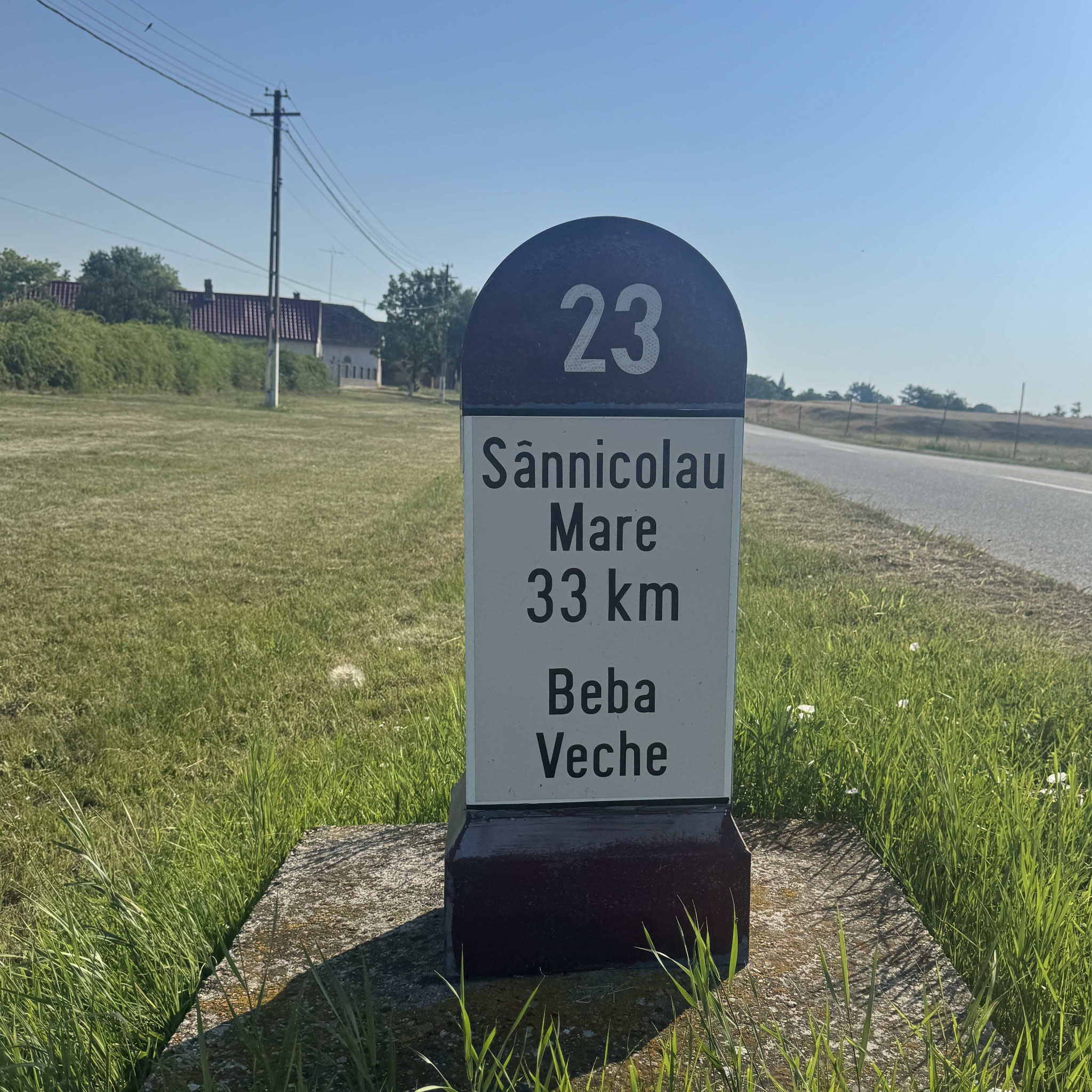
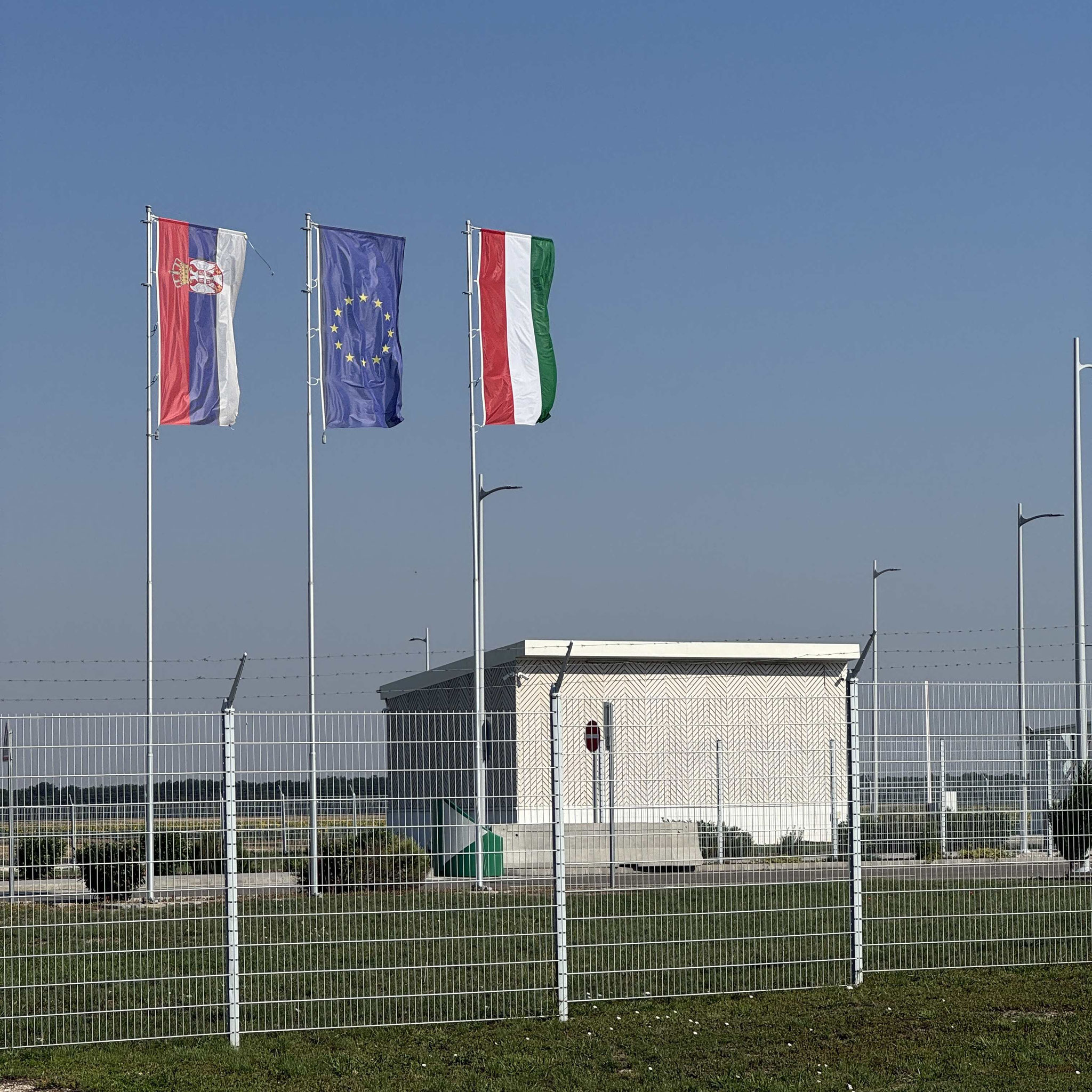
Anyone looking at the map might easily assume the Romanian village of Beba Veche to be the proverbial end of the world. It is Romania's westernmost village, situated in the historic tri-border area where Romania, Serbia, and Hungary meet. Yet for the people who live here, perspectives shift. For Ivana Pescar, Beba Veche is by no means the last village in Romania – to her, it is the first. "I don't know how to say it," the 35-year-old reflects. "Since joining the European Union, a lot has changed. For us, the difference is huge. Today, we feel perhaps even closer to the people in Hungary than to those in Serbia".
Beba Veche is no longer a place of isolation, but rather the gateway to two neighboring worlds. Due to the proximity to the borders, Ivana, who works professionally as a doctor at the hospital in nearby Sânnicolau Mare, enjoys an incredible number of opportunities. The family drives to Timișoara for shopping, and they often cross the nearby border into Hungary for dining out – for a very pragmatic reason: "Because the food is simply better there". And Szeged, the major Hungarian city, is also virtually on the villagers' doorstep at a distance of only about 20 kilometers.
A Melting Pot of Cultures
The fact that heritage is a fluid concept in this corner of the Balkans is evident from Ivana's own name. "Ivana – that is actually a Serbian name," she explains. Her family has Serbian roots, and now she lives in Romania right on the border with Hungary and Serbia.
This mixture has shaped life in the village for generations. For decades, Serbs, Hungarians, and Romanians have shared this space; there was even a German minority here, though hardly anyone is left of it today. The countless historical border shifts have forged the people together rather than driving them apart.
"Living together with the different ethnic groups is a true enrichment. We have embraced each other's culture quite naturally. We like their food and we celebrate many festivals together. We live in peace and are friends," Ivana describes their togetherness. When the different neighbors meet in the village, Romanian serves as the common bridge, even though everyone maintains their own mother tongue in private.
The Dark Shadows of the Past
Yet the peace and the perceived center of Europe that characterize the village today were by no means always a given. From the stories of her parents and in-laws, Ivana still knows about the dark times of communism, when the borders with Hungary and the former Yugoslavia were sealed. "It was a very hard time. We were surrounded by borders in the tri-border area and virtually trapped. We could only move in a single direction," she says. "Furthermore, there were hardly any opportunities or prospects to develop yourself personally according to your own aspirations".
As farmers, the villagers usually had enough to eat, but life was dominated by scarcity and fear. Power outages and a lack of heating in winter were a part of daily life. Worst of all, however, was the constant surveillance. The military was omnipresent. "This presence was intimidating for us," Ivana remembers from the stories. "You were constantly controlled and did not have the freedom to speak your mind".
Even faith had to be practiced in hiding. The churches in the village were officially closed; people prayed secretly at the kitchen table or, illicitly, in secret inside the church. "People had their children baptized under absolute secrecy back then," Ivana shares. When asked if the soldiers in the village knew nothing about it, she smiles knowingly: "I think they knew. But maybe not all of them. The lower ranks probably looked the other way," she chuckles.
Reconstruction and Looking Ahead
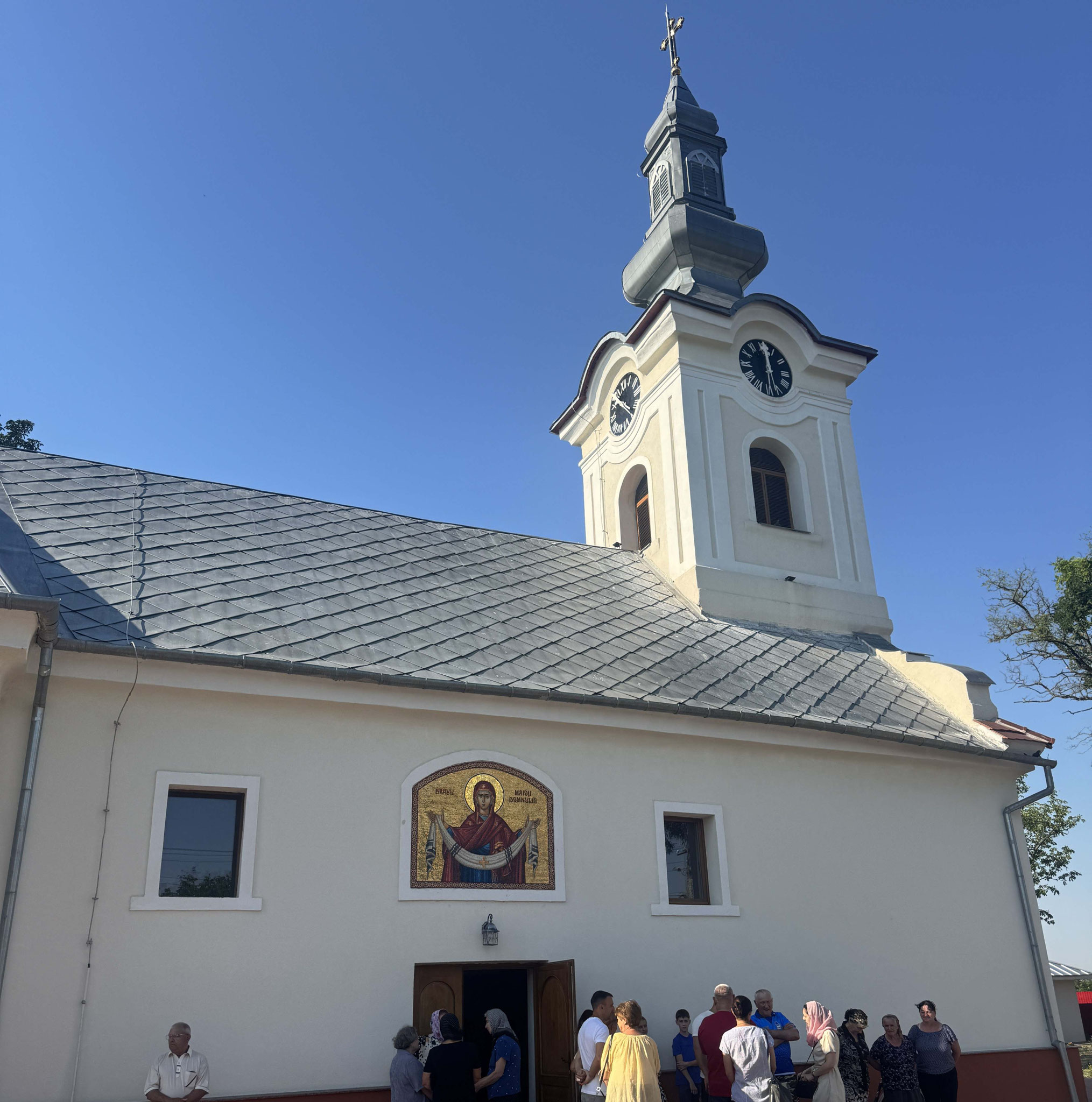
Freedom only returned after the Romanian Revolution of 1989 – yet rebuilding the traumatized community took decades. For a long time, there was no money to restore the dilapidated houses of worship. Ivana's husband, who serves the community in Beba Veche as an Orthodox priest, finally took the initiative in 2020. With private donations and state support, the historic church was renovated and now once again shapes the village landscape.
Despite this regained pride, the tri-border region struggles with the typical problems of rural areas in the Balkans: depopulation. On paper, the municipality still counts around a thousand inhabitants. "In reality, it's fewer," Ivana admits. "The population is decreasing". Many young people are drawn to the large cities or abroad. Thanks to state scholarships, young people have good educational opportunities today and can attend universities – whether they will return to the small border village afterwards remains the big question.
For Ivana, Beba Veche is a place that demonstrates how life in the tri-border area has transformed. Where the older generation once lived in fear and poverty alongside watchtowers and the military, a community is growing today in which heritage and borders play hardly any role in everyday life.
Even the modern border fences that Hungary has erected again in recent years to close the Balkan route for migrants do not cause Ivana any anxiety. "Even though the fences are very intimidating, they don't scare us Romanians, considering that for so many years we were surrounded by the 'invisible fences' of communism," she explains. For Ivana, this also reflects the unshakeable humor of the region: "I think we Balkan people have a bit of craziness in us and we also see the funny side of things. When those fences were built between Serbia and Hungary, the Serbs living in the surrounding villages put up signs that read 'Zoo'—making it look like Hungary was fenced in because it’s one big zoo."