The Baranja region, nestled in the triangle where Croatia, Hungary, and Serbia meet, is considered a gastronomic gem, famous for its hearty, spicy cuisine and historic wine cellars. Yet, behind the peaceful facade of the "Amazon of Europe," lie deep historical wounds. The region was fiercely contested during the Yugoslav War (1991–1995) and remained occupied for years.
Matej Perkušić, now director of the Baranja Tourist Board, was a teenager at the time. To this day, he lives in nearby Osijek. In our conversation, he looks back on a youth spent in a state of emergency, the complex identity of his homeland, and the arduous journey back to normalcy.
A Melting Pot of Cultures
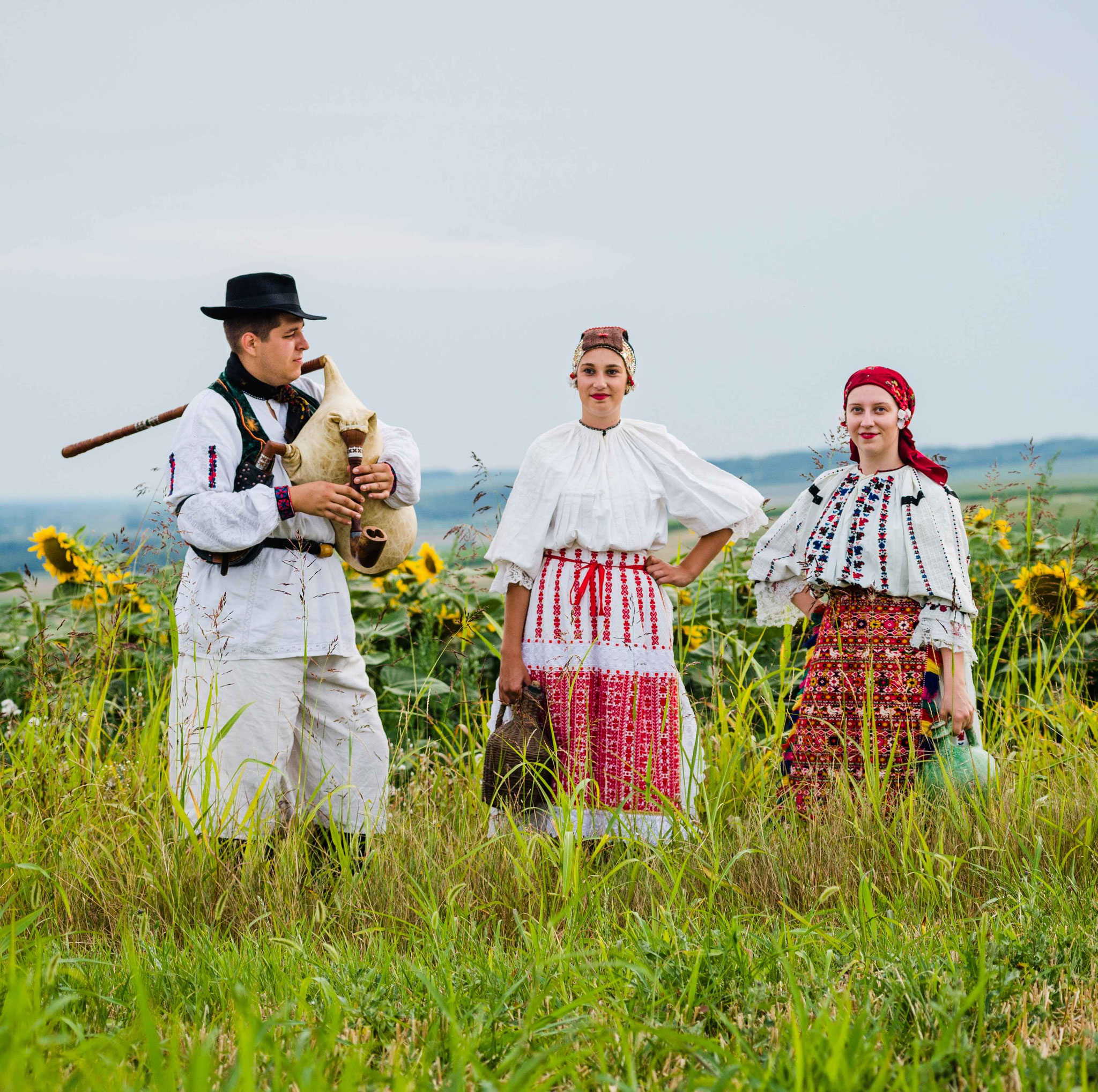
The Baranja has always been a melting pot. Before World War II, it was home to a large German minority; later, the region belonged to Hungary, before becoming part of the Kingdom and, ultimately, socialist Yugoslavia. This diversity continues to shape its people today. "The culture here leans more toward Central Europe," Perkušić explains.
Perkušić’s own family history is a mosaic of different roots from the region, yet there was never any doubt about his identity. "I am a Croat," he emphasizes firmly. "Even though my background is mixed, my mother taught me who I was when I was just a child in Yugoslavia. And that is exactly how I feel." According to Perkušić, this conscious embrace of one's identity is not a contradiction to tolerance in the Baranja, but a part of everyday life: "Many families with German or Hungarian roots who have lived here for generations naturally feel Croatian today. They adapt to the local culture."
This cultural proximity is also reflected in the relationship with neighboring Serbia, despite the dark years of the war: "Croats and Serbs—we are like two brothers. We argue constantly and try to emphasize our own distinct identities within Europe," Perkušić says, explaining the geopolitical irony. "But at the end of the day, we sit at the very same table, drinking and laughing together, because we speak the same language and simply understand each other."
The Catastrophe of War
Yet this brotherhood was abruptly shattered in 1991 when the Serbian political elite sought to prevent the dissolution of Yugoslavia by force. For the then 14-year-old Matej Perkušić, who was living with his family in Osijek, life changed radically overnight. "Nobody could have guessed what would happen. During the war, I was a 14-year-old kid. We lived in the basement for a year. They say that 50,000 to 100,000 shells fell on my city, Osijek, back then," Perkušić recalls of the seemingly endless bombardment.
One traumatic event in particular has burned itself into the teenager's memory. "When a neighbor's house went up in flames after being hit, I ran through the streets, grabbed fire extinguishers from a building, and tried to put out the fire. To me, that path felt like 50 miles. The fire department arrived shortly after, and someone pulled me away. Later, I found out that the man from that house had died in the hospital—it was my cousin's husband."
Only after the danger had passed did the psychological toll catch up with the boy: "I went back to the basement. Everything seemed to be over. And suddenly, my whole body started shaking. I looked down at myself and thought: My God, what is happening to me right now?"
When Matej Perkušić looks back today at the causes of this catastrophe, he protects the ordinary people. For him, the war was not an unavoidable outcome of historical hatred between neighbors, but the result of political gridlock and deliberate manipulation from above.
"The war happened because the Serbian political elite did not want to grant more autonomy to the republics," Perkušić assesses. "They wanted a centralized state, while Croatia and Slovenia—which were economically stronger and historically more Western European in character—demanded a federal state. In the end, the population was dragged into this chaos by politics."
However, Perkušić has no worries that the old conflicts between neighbors could flare up again today. Everyday normalcy has long become too strong. Though the scars of that era remain, the realization that ordinary citizens were dragged into a cynical political game back then—and ultimately became the victims—helps the region leave the past behind today.
Life After the Trauma
Following years of occupation and a process of peaceful reintegration in the late 1990s, the Baranja was fully restored to Croatia. The wartime damage to buildings and infrastructure has largely been repaired. But how do the emotional wounds heal for a man who witnessed death and destruction as a child?
"I don't believe that this permanently damaged me," Perkušić says today with remarkable serenity. "Maybe it made me a little different. I don't know who I would be without the war. But I survived the war, I was right in the middle of it, and I never want to see a war anywhere in the world again. Anyone who has been in a war knows it is the absolute worst thing."
He believes he has suffered no long-term psychological damage or trauma, though he admits: "For the first year or two after the war, people in this region would flinch at every firework or loud bang. That was completely normal."
Looking Ahead: "Living Together is No Longer a Problem"
Today, more than three decades after the conflict began, daily life in the Baranja has normalized. The younger generation, now between 25 and 30 years old, cares very little about the old divides—the topic rarely comes up outside of history class. "Living together here is no longer a problem today," Perkušić stresses. "People are working together again, they are marrying each other again. No one fights about the past anymore."
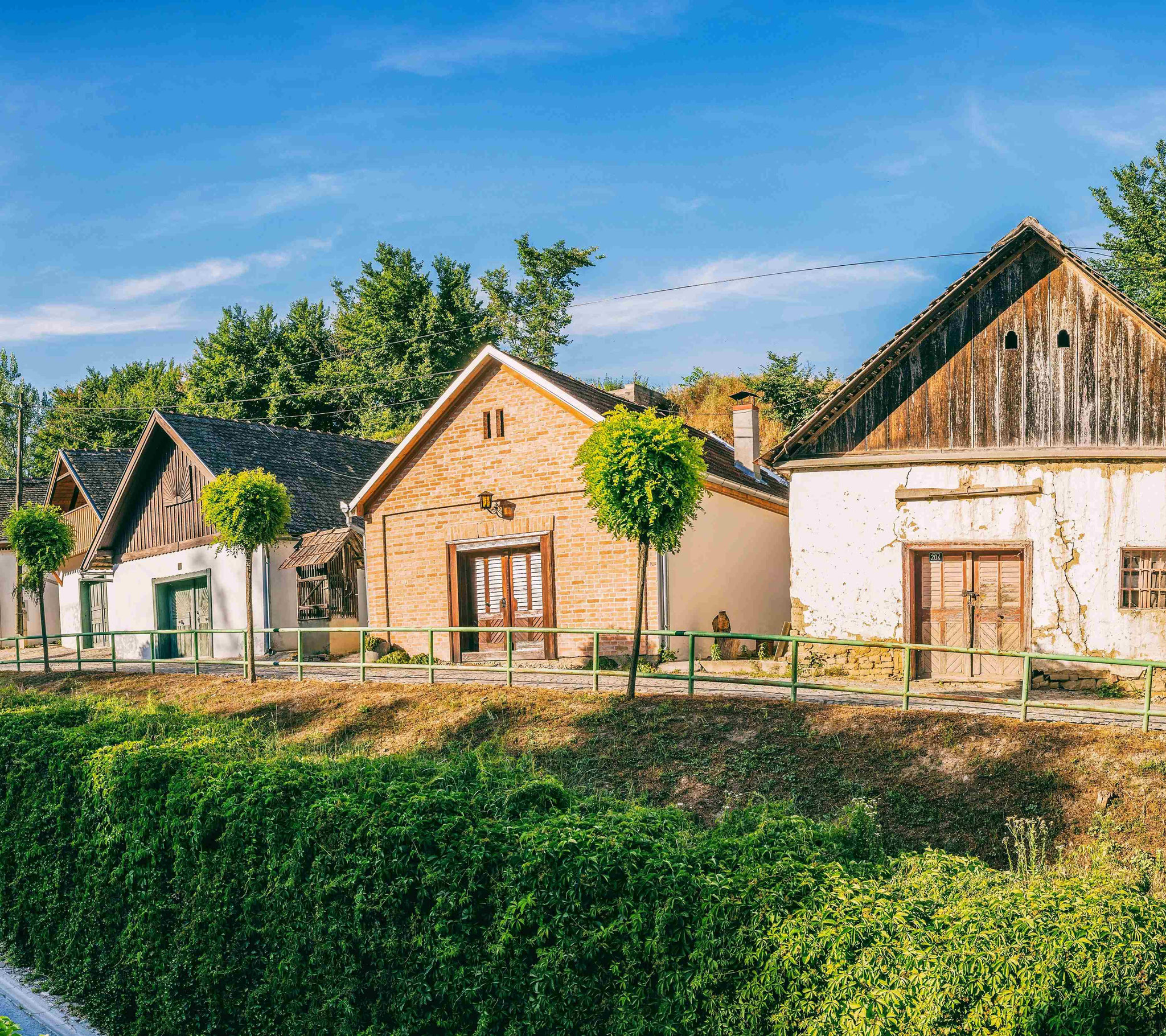
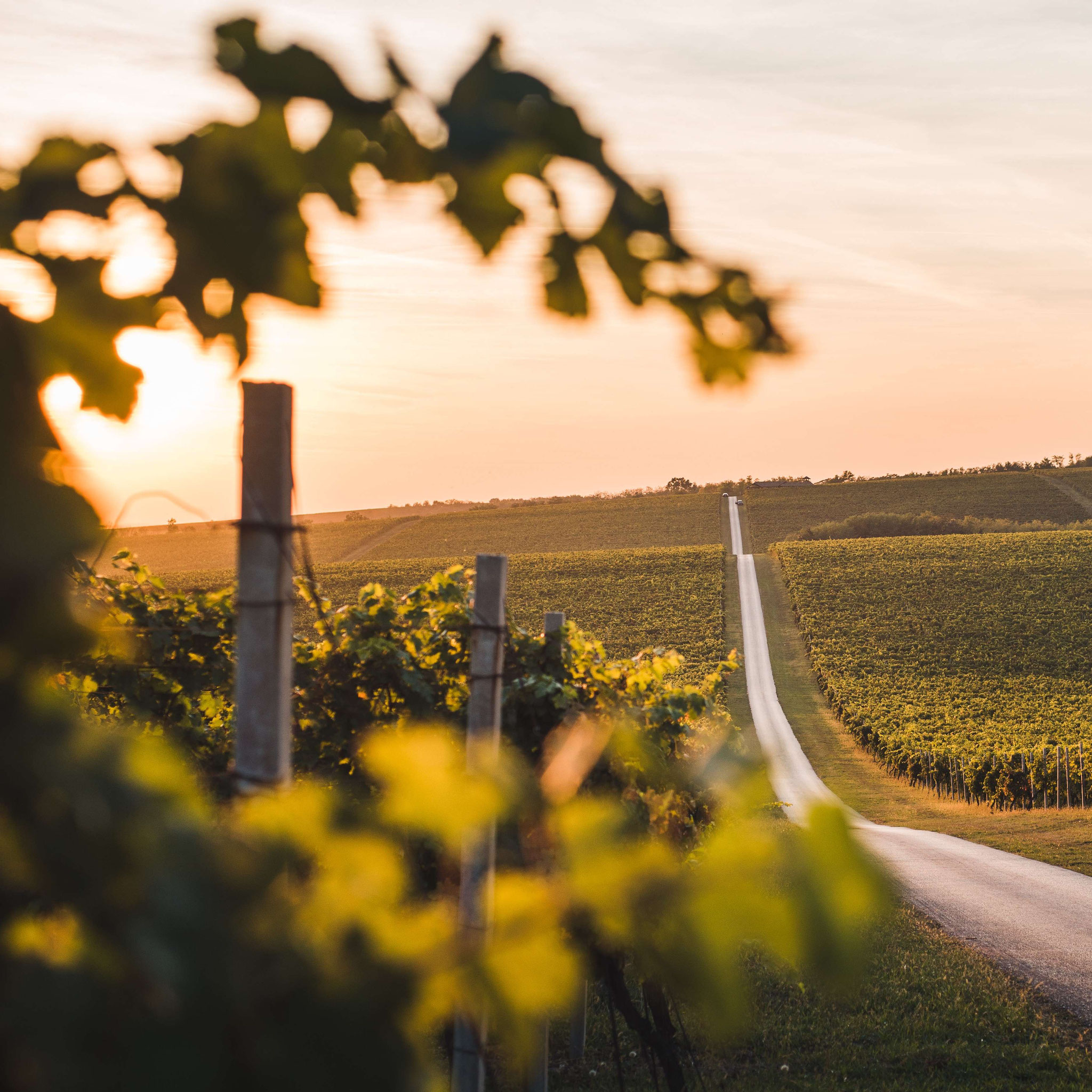
As tourism chief, Perkušić is now fighting to ensure the Baranja becomes globally renowned for its bright sides: for the Kopački rit Nature Park, a wine tradition that traces back to the Roman Emperor Marcus Aurelius, and the unique wine cellars (called gatori), which are built into the hills like small houses.
The Baranja has learned to live with its scars. It does not hide its history, but it no longer allows itself to be ruled by it. For travelers today, the region is exactly what Perkušić promises his guests: a place you visit "to simply relax and enjoy, accompanied by the finest wine and outstanding food."