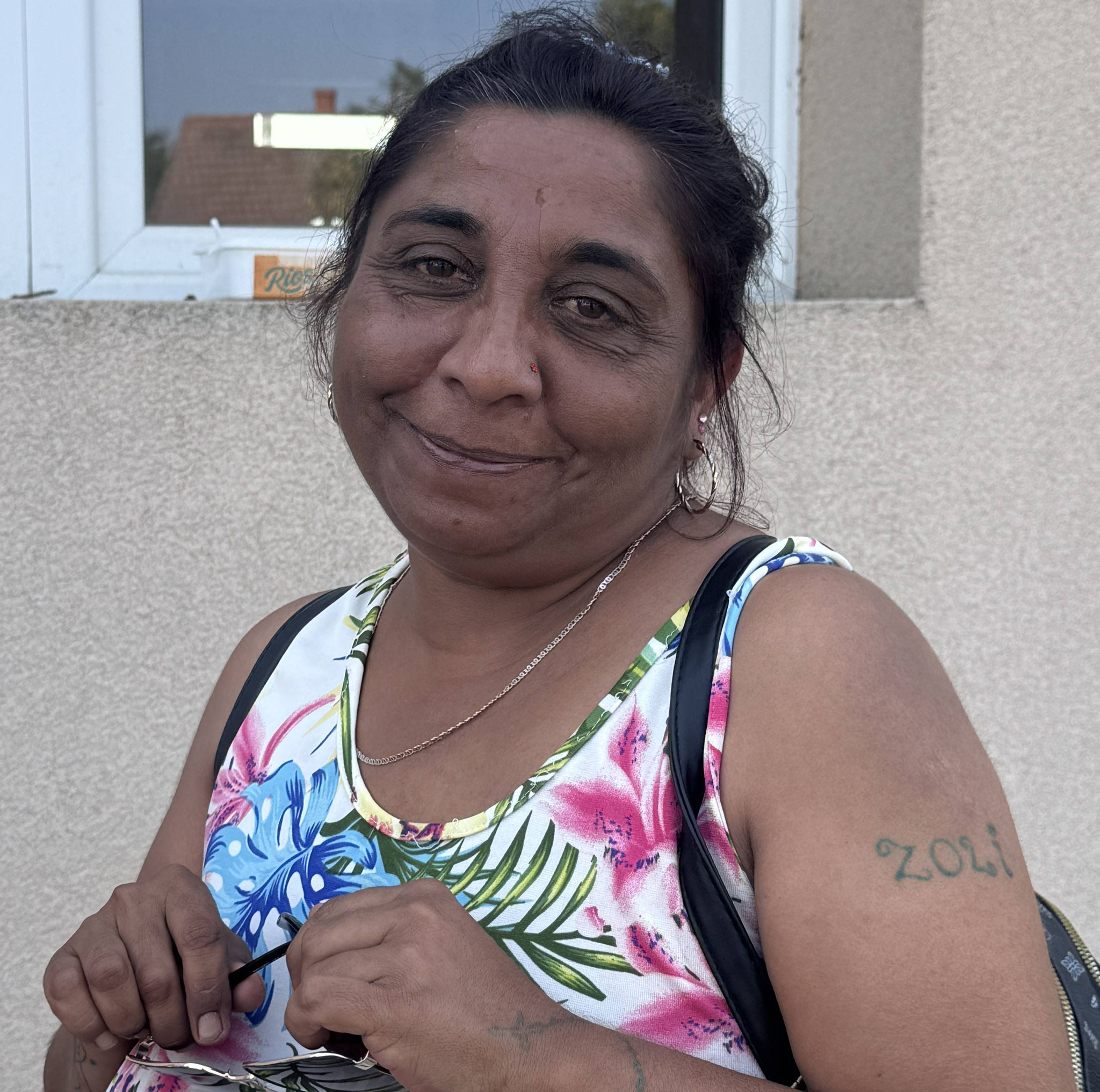
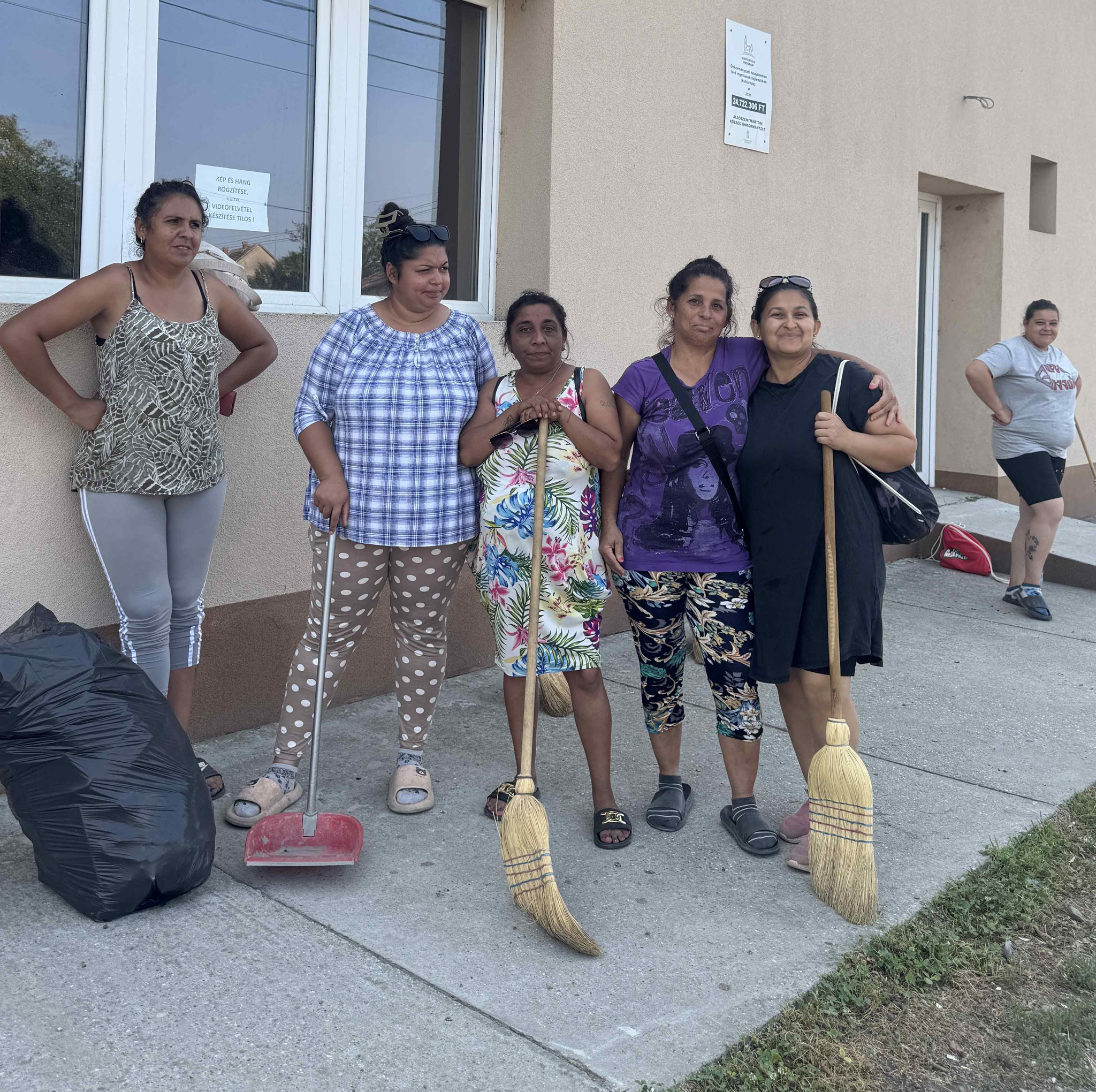
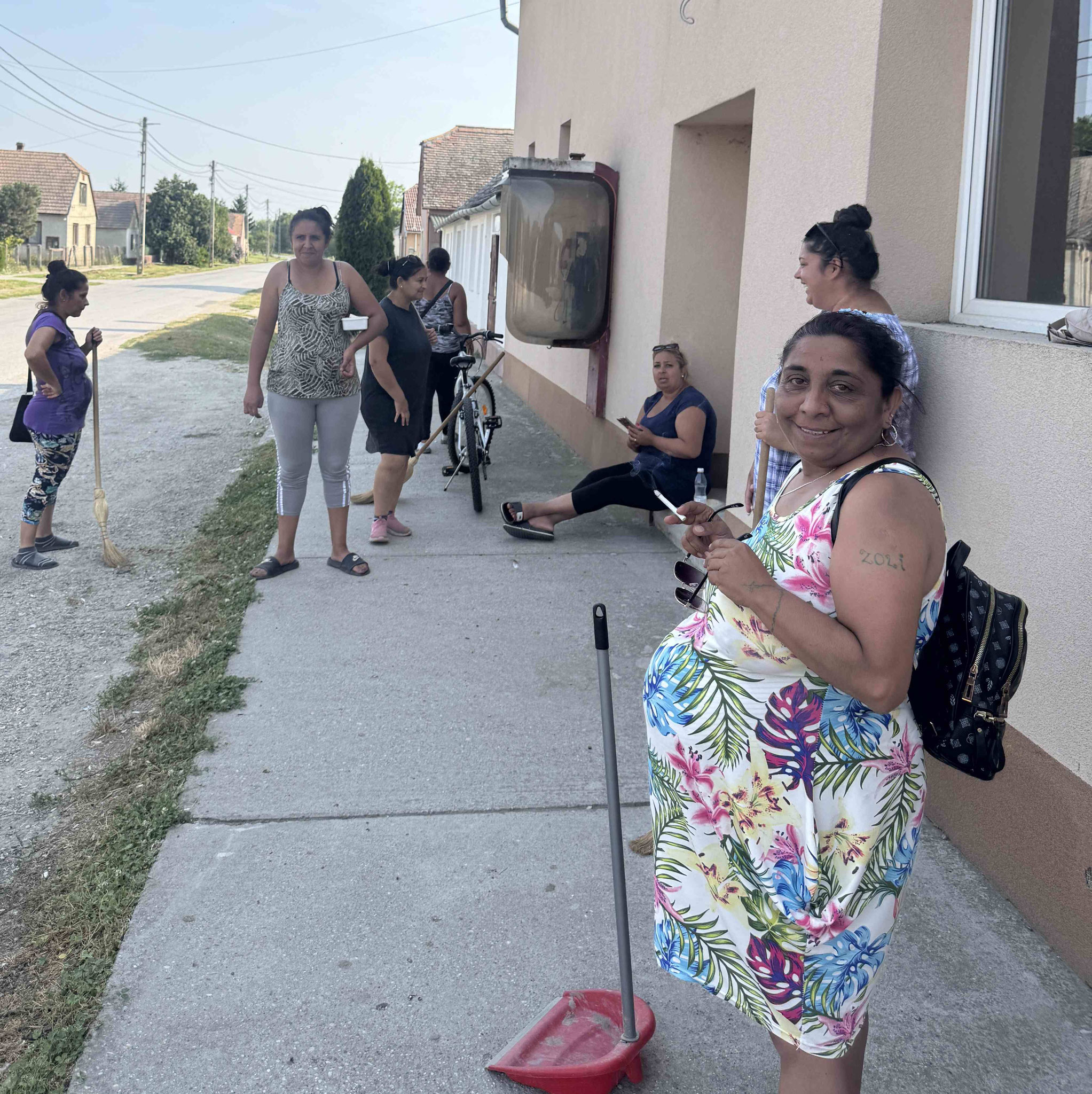
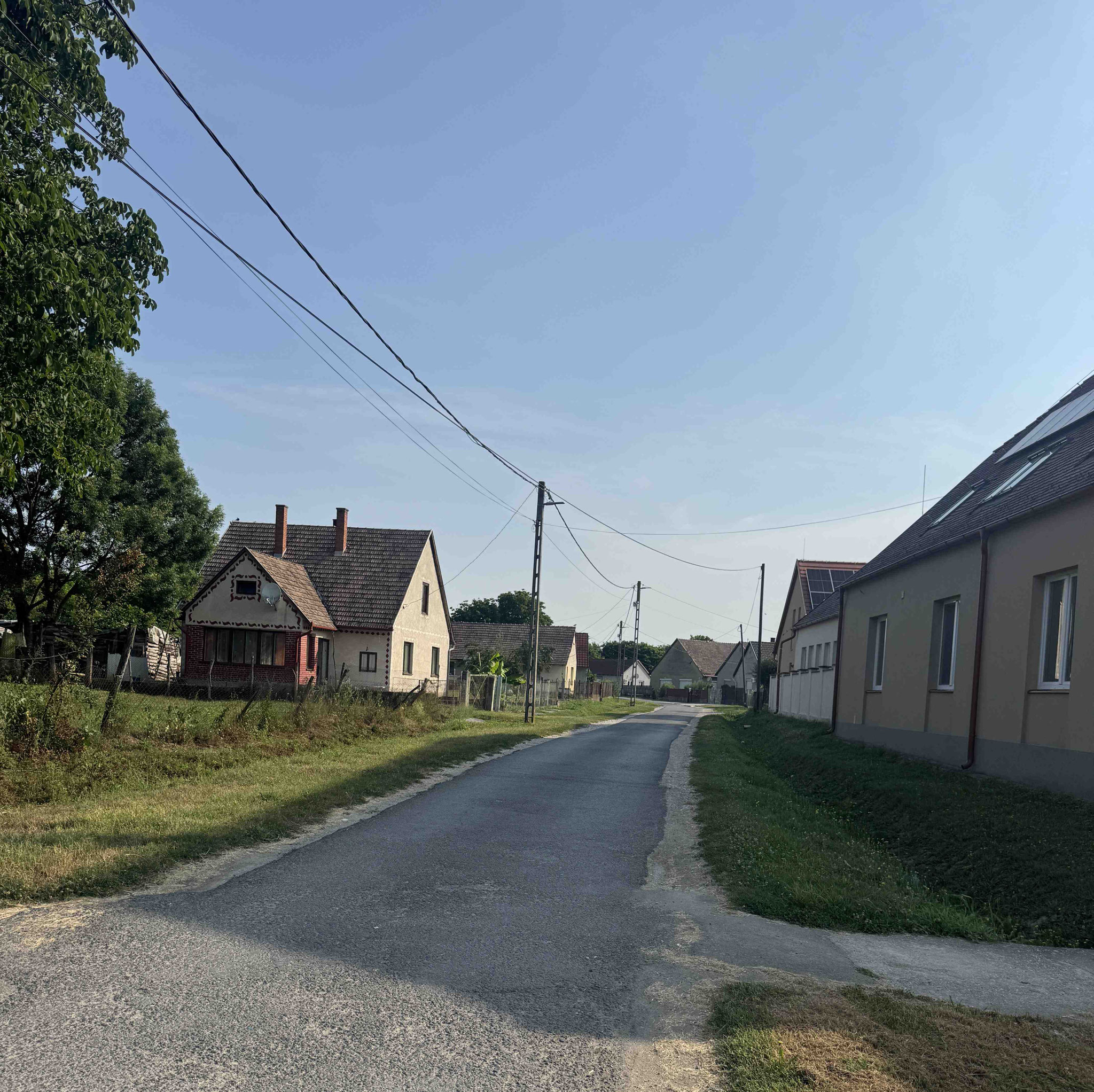
A small, remote village in southern Hungary. Around two hundred people live in Alsószentmárton, facing the daily struggles of a marginalized community. It is a Roma village. One of its residents is 45-year-old Andrea Boros. She has six children, seven grandchildren, and a life shaped by poverty, hard labor, and deep-seated discrimination.
Andrea Boros was born in this village, just like her mother and generations before her. Although local politics are firmly in the hands of the community – the mayor himself is "one hundred percent Roma" and the local administration provides jobs like cleaning services – the majority of residents face a precarious future.
The Daily Struggle Against Poverty
"There are issues with alcohol. Yes, that is true. We are poor. Day in, day out," Andrea describes the situation in her home village without sugarcoating it. There is never enough money to make ends meet. She says there is barely any state support; people are left to fend for themselves. Anyone who is elderly or sick finds no employment in the village at all.
The only source of income in the immediate vicinity is hard day labor in the nearby vineyards. For factory jobs, residents must travel long distances and commute to cities like Mohács. Fortunately, most families own their own homes, which were funded in the past through state social programs ("Szocpol"), and grow vegetables like carrots, cucumbers, onions, potatoes, and Hungarian peppers in their gardens to get by.
Medical care is also a logistical and financial hurdle. There is no doctor in the village itself; for every check-up, residents must travel to a neighboring village. Health insurance is barely affordable for the unemployed. "Up until now, I paid for it myself. Which is very expensive, ten thousand forints," Andrea reports. Only since she secured a regular job has she been covered.
No Chance Despite Education
For the mother of six, the lack of future prospects for the younger generation is particularly painful. The children from the village attend regular Hungarian schools, traveling by bus or bicycle to neighboring towns, where they often complete solid vocational training or even pass their high school graduation exams. Yet, the next insurmountable barrier awaits them in the labor market.
"Even with a vocational certificate, you can't find a job. Because we are Roma, because they hear where we come from," Andrea shares bitterly, speaking of the experiences of her own child, who sits unemployed at home despite having a school degree. When asked if young people have a chance at a good career, she responds with resignation: "No, because we are lost. They judge us. Because of our skin color."
A Deeply Rooted Racism on the Rise
This rejection affects every aspect of daily life – from kindergarten to grocery shopping. "Even in the shop, when we go to the store. Even there, we feel that we are Roma. They immediately follow us and watch us with suspicion. But I have never stolen, never," Andrea stresses.
According to Andrea Boros, the situation has not improved in recent years; in fact, it has worsened dramatically. When she was a child, the division between "Hungarian Gypsies" and the majority society was not as noticeable. Today, however, she reports that bullying and exclusion in the education system lead to tragic extremes, sharing traumatic stories of Roma children in boarding schools who could no longer withstand the psychological pressure and constant teasing.
"We were born into a world where people don't like us," Andrea says sadly. "Because this is Hungary, and we are in it, and we are judged. We aren't really needed in this society."
The Desire for Acceptance
For the future, Andrea Boros wants nothing for herself but demands justice for her children and grandchildren. She calls for secure jobs so that young people can apply what they have spent years learning.
Her appeal to Hungarian society is a deeply human cry for equality: "So that they accept us, because we are Hungarians too. We were born here in Hungary, and the same red blood flows in our veins. Just like everyone else, so that they accept us. We are human beings too. We are not animals, we are no different."
Contextualization
The story of Andrea Boros is not an isolated case, but the reality for the vast majority of the estimated 800,000 Roma in Hungary. Her narrative highlights the deep structural issues that the country’s largest ethnic minority faces daily.
The emergence of virtually pure Roma villages is the result of the economic upheaval following the collapse of communism in 1989. With the collapse of Hungarian heavy industry, Roma in rural areas were the first to lose their jobs. Those who could afford it (mostly the non-Roma population) moved away in search of work. The poorest remained behind in structurally weak regions in the south and northeast of Hungary. In sociology, Alsószentmárton is historically considered the first Hungarian village where this demographic shift occurred to such an extreme degree.
The public work mentioned by Andrea is part of the Hungarian state employment scheme known as "community work" (közmunka). The government has almost entirely abolished traditional social welfare, tying financial aid instead to mandatory labor. These jobs (such as street cleaning or park maintenance) pay legally mandated wages far below the Hungarian minimum wage (amounting to only half of the regular minimum wage). While they secure bare survival, the extremely low earnings lead directly to elderly poverty and trap people in a permanent cycle of poverty. Furthermore, the system creates a massive dependency on local mayors, who hold significant power over the allocation of these vital jobs.
The fact that Andrea’s children cannot find work despite having qualifications is consistent with international studies. According to EU reports, the Hungarian school system is one of the most segregated in Europe; Roma children are often systematically funneled into special education schools or segregated classes. Even when young people manage to achieve higher education, they hit a wall of structural racism in the job market. Often, simply listing a residential address in a well-known Roma village is enough to have a job application immediately discarded.