From the former dividing line of the Iron Curtain to one of Europe’s most vibrant conservation hotspots: In northern Croatia, right on the border with Hungary, the visitor center “Dravska Priča” (translated as Drava Story) demonstrates how a zone of silence is being transformed into a place of international encounter and species protection.
Today, there is no longer any trace of historical conflicts along the banks of the Drava. Where a heavily guarded border once separated Yugoslavia and Hungary, the European Green Belt now extends. Tatjana Arnold Sabo has been managing the visitor center and the associated regional nature conservation authority of Virovitica-Podravina here for 16 years with great dedication. She is proud to have helped shape this historic piece of land and to have co-initiated the region’s ambitious mammoth project right from the start.
A Protected Space Supported by Five Nations
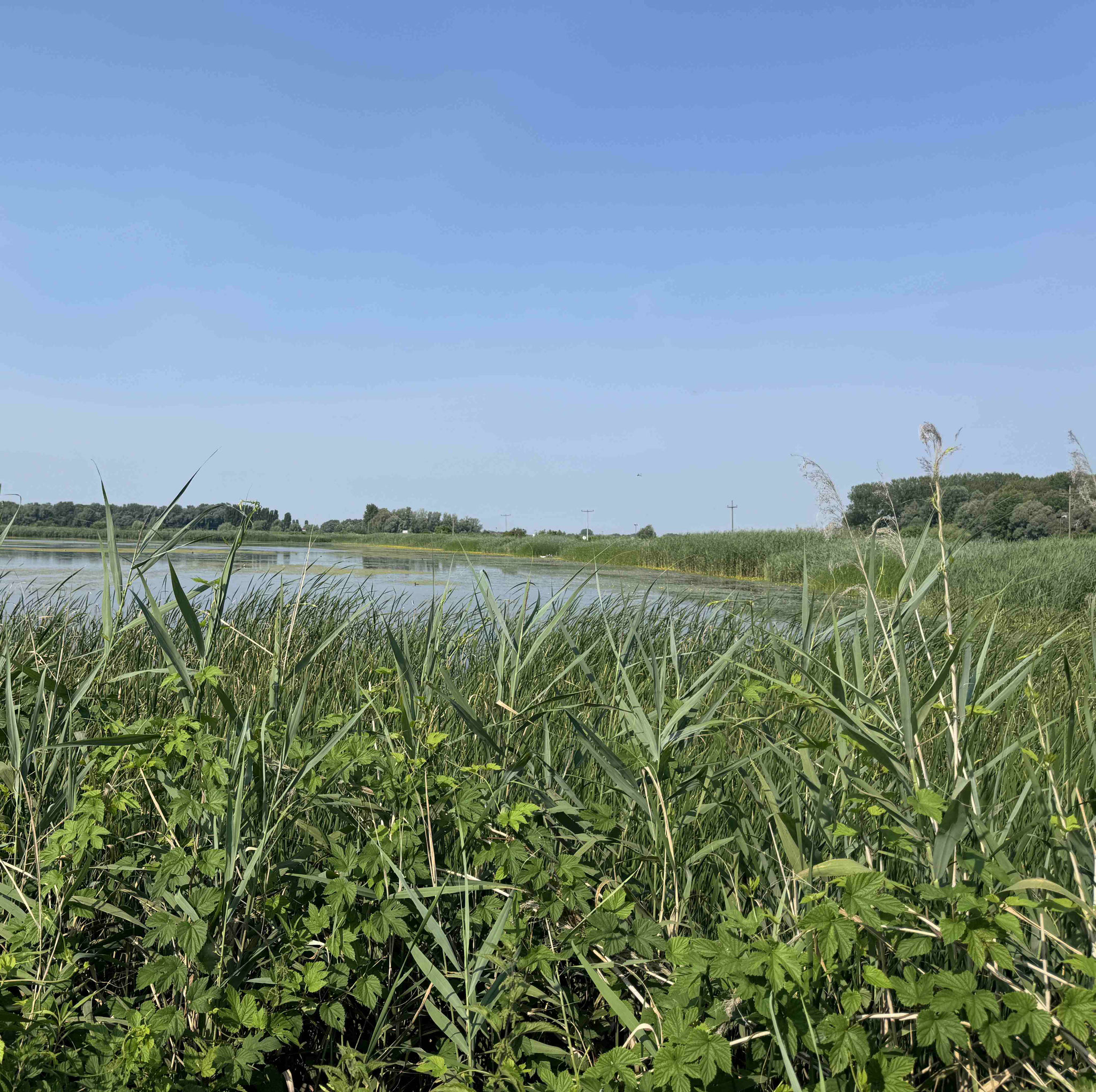
Today, this region forms the heart of the Mura-Drava-Danube Biosphere Reserve, which is often referred to as the “Amazon of Europe” due to its ecological significance and its pristine nature. It is the world’s first biosphere reserve to span across five countries: Austria, Slovenia, Croatia, Hungary, and Serbia. Officially declared by UNESCO on September 15, 2021, the protected area covers an area of around 930,000 hectares and extends over a length of 700 river kilometers.
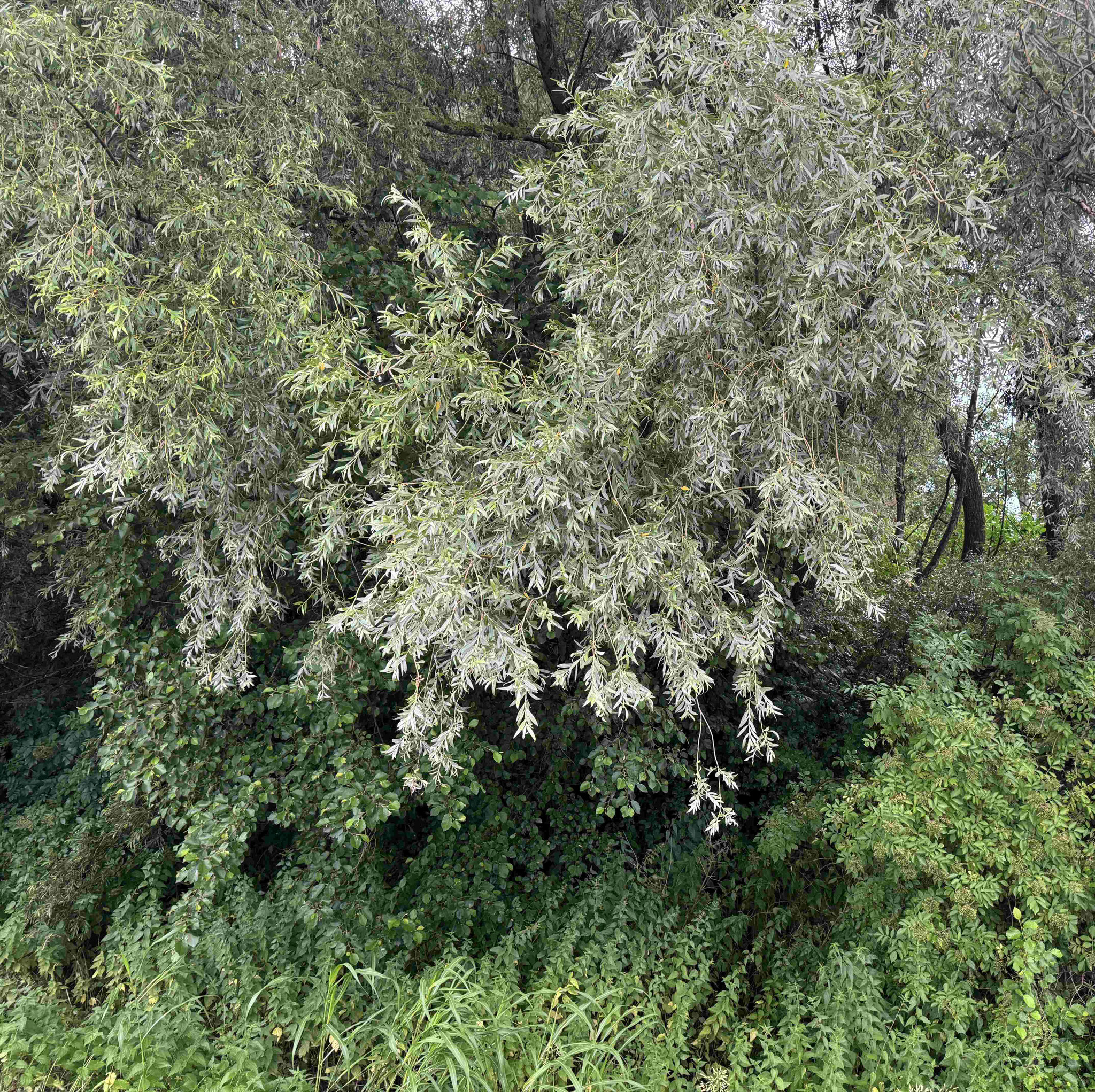
In terms of its natural landscape, the reserve protects one of the largest contiguous and intact river ecosystems in continental Europe. It encompasses dynamic river systems with their characteristic floodplain forests, side branches, gravel and sand banks, as well as species-rich wet meadows that serve as a sanctuary for the white-tailed eagle and the black stork, among others.
The Green Oasis in the Shadow of the Iron Curtain
The fact that this unique river landscape exists in such an unspoiled form today is due to European history of the 20th century. During the Cold War, the Iron Curtain ran right through here. The border between the former Yugoslavia and Hungary was a heavily guarded zone that was largely closed to the public. Since access for civilians was strictly regulated, hardly any people spent time in the riverbank areas.
Furthermore, neither side had any interest in building expensive infrastructure or industry in the immediate vicinity of the border, as the region was viewed as a direct frontline in the event of a potential military conflict. Thanks to this decades-long isolation, nature remained spared from human intervention and industrial destruction. Thus, the Green Belt emerged precisely where the Iron Curtain once ran from the Barents Sea down to the Adriatic and Black Seas.
A Hotspot with Fivefold Protection Status
The “Dravska Priča” visitor center is located in a former summer residence of the Counts Drašković, which has been renovated and redesigned with great attention to detail. The location of the center is no coincidence, but of outstanding biological and historical importance. “This is a special area here with the three rivers flowing across national borders, and that is precisely why we have a centerpiece of the European Green Belt right here,” explains Director Tatjana Arnold Sabo. “Five different protected areas overlap here: the monument of park architecture with its historical trees around the former summer residence, Natura 2000 areas, the regional park, the biosphere reserve, and the Green Belt.”
A Buffer Zone Instead of a Death Strip
Despite the historical isolation, the culture of remembrance in the region differs significantly from other sections of the Iron Curtain. Tatjana recalls a trip in the year 2018 to Eisenach in Germany. There, through personal conversations, she experienced firsthand how deep the wounds of the German division still are, and how emotionally people spoke about the brutal harshness of the border strip there, the forced separation of families, and the shoot-to-kill orders.
For her home region along the Drava, which formed the natural border here, she would not use the term “death strip.” Although the border was closed and there were bunkers and watchtowers along the strip, the Hungarian neighbors were not perceived as enemies, according to Tatjana. “We lived more in a kind of geopolitical buffer zone between the blocs. After the political transition, contacts grew rapidly, and we now work closely and successfully on numerous cross-border conservation projects,” says the conservation expert.
Education and Experiences for Every Generation
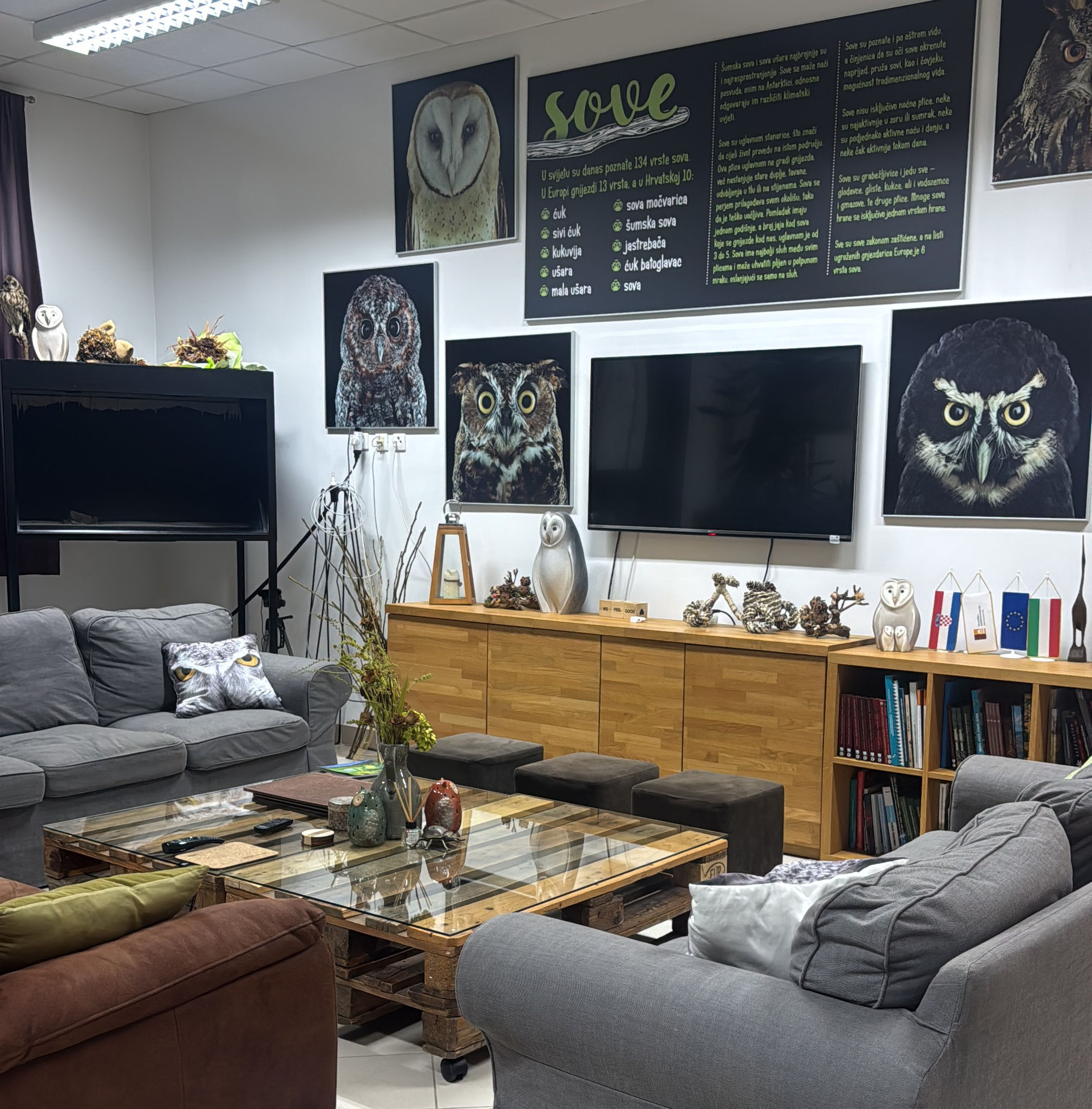
The rooms in the modern education and research center “Dravska Priča” are designed to be interactive and thematic, featuring a butterfly corner, a bird conference hall, and a multimedia basement. The upper floor houses dormitories where school classes, students, or nature enthusiasts can spend the night right in the middle of the protected area.
The visitor demographic is highly diverse, ranging from kindergarten children to scouts and retiree groups, all the way to cycling tourists exploring the “Iron Curtain Trail” (EuroVelo 13). In addition to a nature trail for birdwatching, guests also have access to bicycles and canoes. The local population has also embraced the center’s work positively, as gentle tourism creates jobs and noticeably improves the quality of life in the region.
Fighting on the Frontline: Animal Rescue and Species Conservation
The center’s 17-member team, consisting of rangers, guides, and biologists, does far more than just educational work. “Dravska Priča” operates its own research station complete with a laboratory, as well as two rescue centers for wildlife.
A major problem in recent years has been the fight against invasive species. For instance, the center takes in exotic turtles that were illegally released by private individuals and are displacing native species from their basking and feeding spots. “Some of these animals also come from the illegal wildlife trade and were confiscated by customs at the borders,” Tatjana adds.
The team is also particularly proud of the rescue center for white storks and birds of prey. “We take in injured storks, birds of prey, and owls, and nurse them back to health so they can be released back into the wild,” Tatjana reports. However, due to their injuries or prolonged contact with humans, some animals have lost their hunting instincts and can no longer be reintroduced, meaning they remain permanently at the station. This tireless commitment requires a constant presence: the team is there for the animals even on weekends and holidays like Christmas or New Year.
Cross-Border Cooperation as a Vision for the Future
Although the political climate in neighboring Hungary has often been critical of the EU in recent years, Tatjana emphasizes that this does not impact conservation efforts at the local level. While the conservation system in Hungary relies purely on national parks, Croatia uses a more differentiated structure of nature parks and regional institutions. Consequently, there are sometimes administrative points of friction, but the shared goal of permanently protecting nature brings them together. “Across joint, successful EU projects, we maintain an excellent neighborhood,” Tatjana clarifies.
The river landscape is highly dynamic: while the Drava relentlessly meanders and forms new loops, the historical border remains fixed. As a result, the political line now runs in a zigzag pattern, sometimes right through the water and sometimes cutting off entire strips of land. “For nature conservation, this border alignment holds no significance,” Tatjana says. For the next 10 to 20 years, the director has a clear vision: “First of all, I hope that the European Green Belt continues to develop. That is absolutely necessary. And I hope for much more cross-border cooperation,” says Tatjana. “The Green Belt could be an identity for the whole of Europe, because it connects us rather than dividing us.”