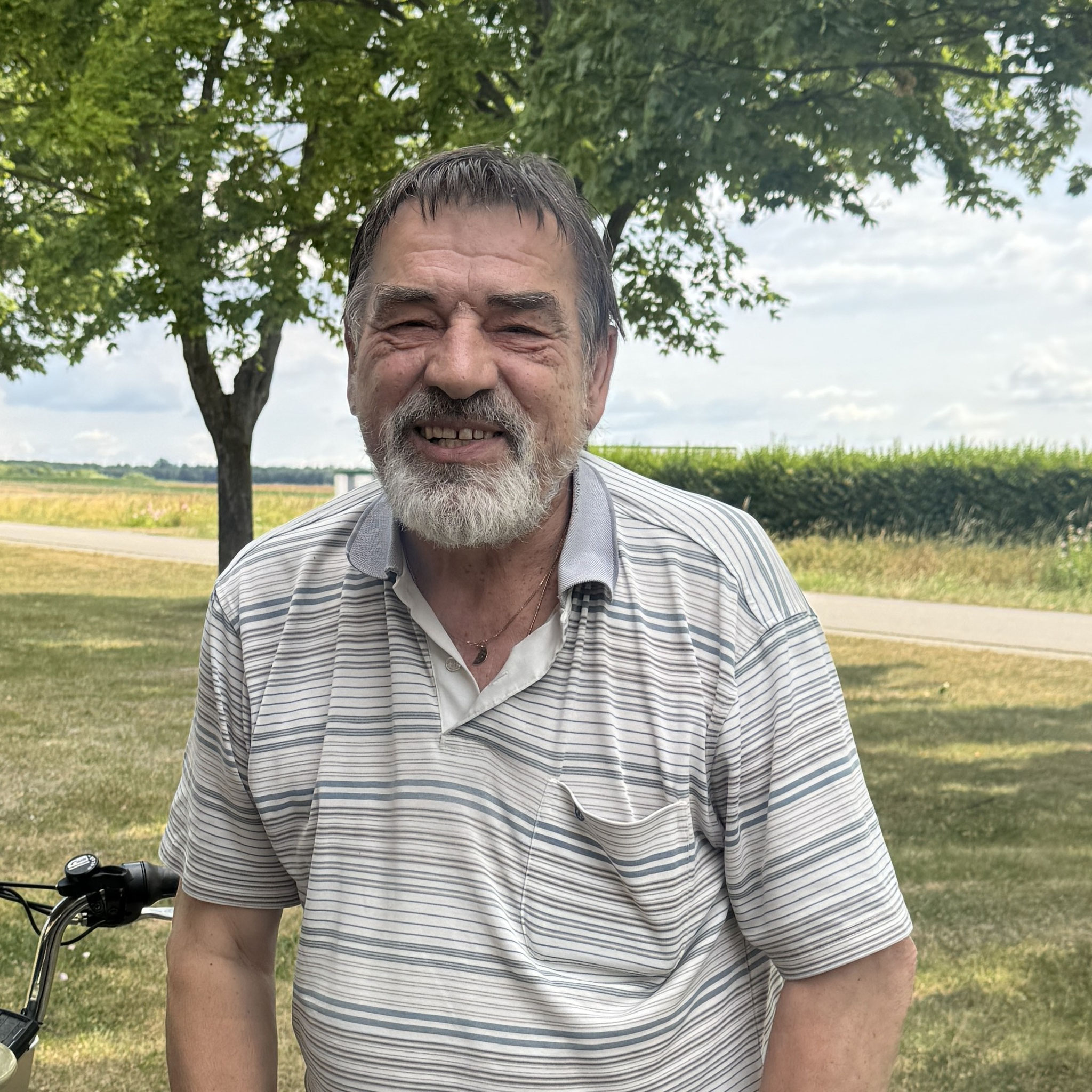
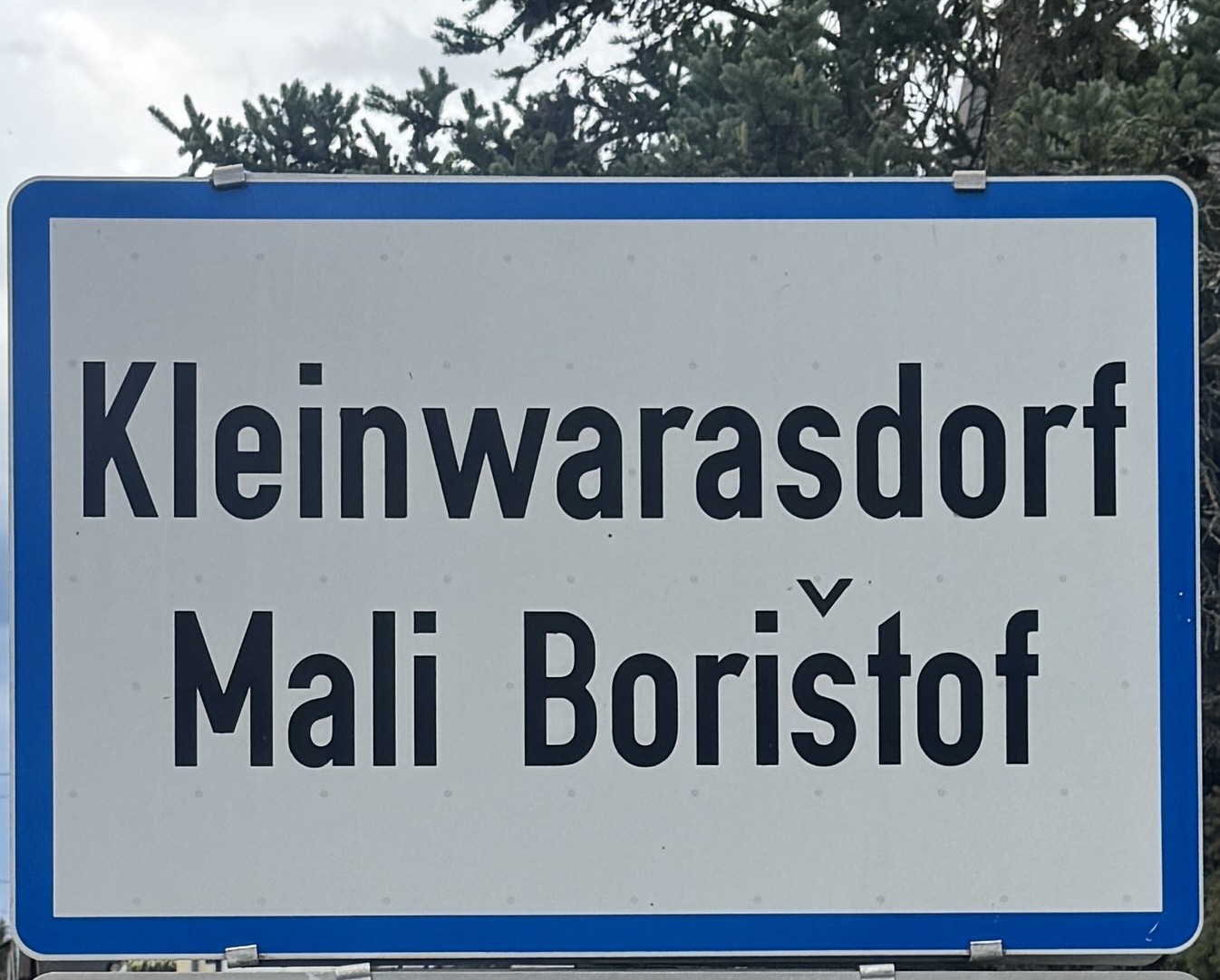
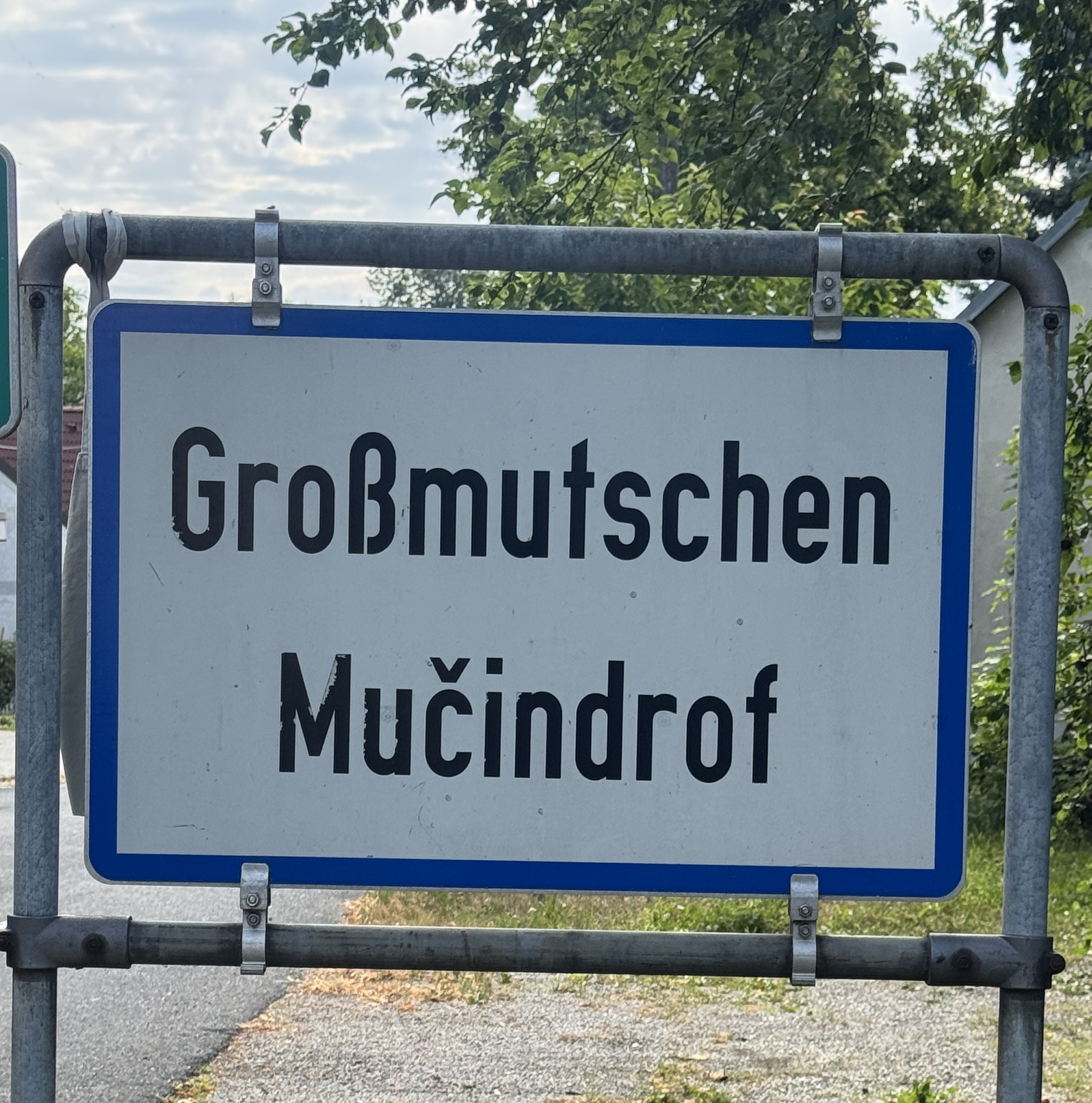
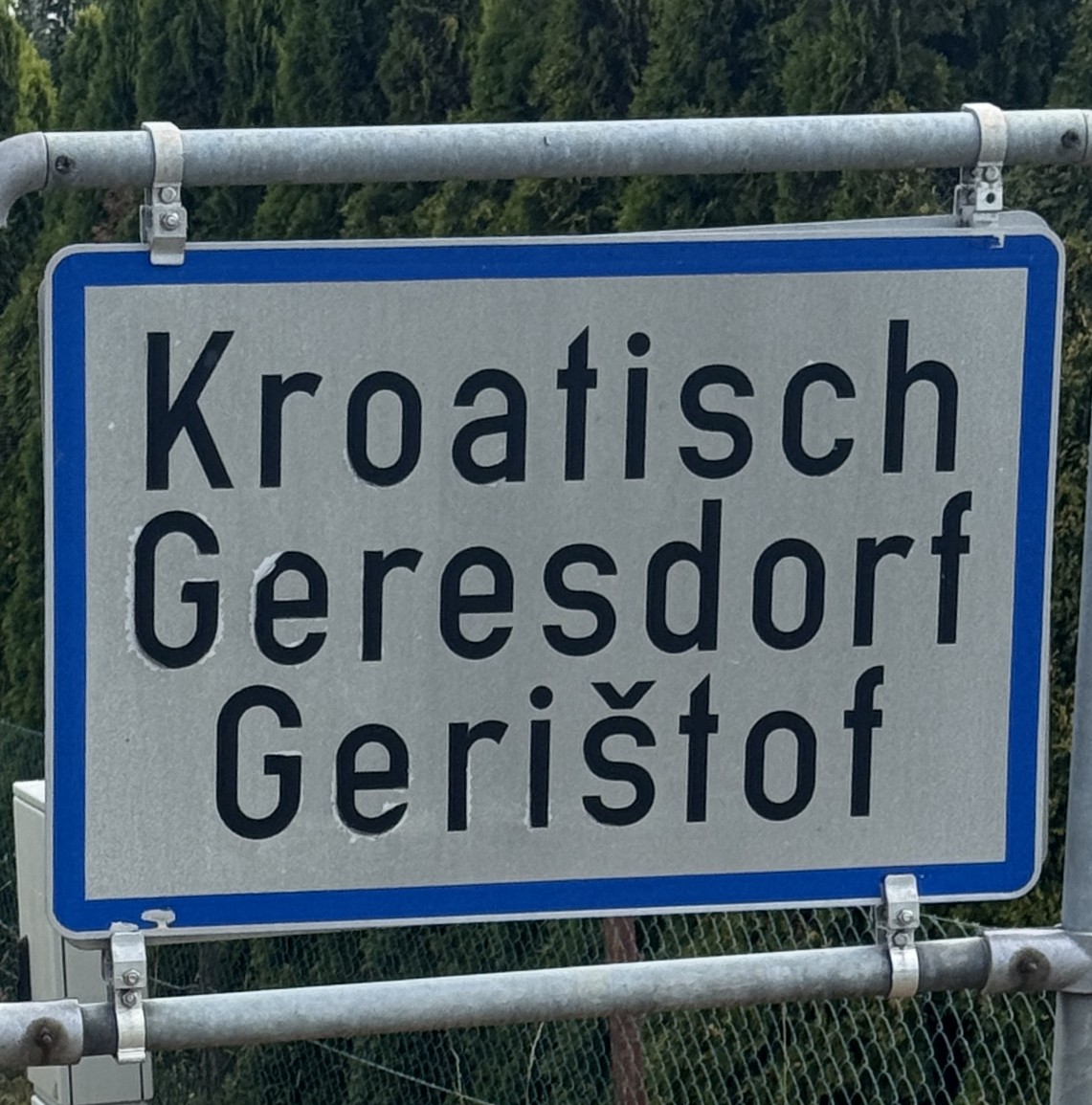
A town sign in the Austrian province of Burgenland shows: Kleinwarasdorf and Mali Borištof. Around 95 percent of the roughly 400 inhabitants of the village speak Burgenland Croatian - a distinct variant of Croatian that developed historically independent of modern standard Croatian. One of them is 68-year-old Otto Bintinger. His story and his perspective on the region show how a centuries-old tradition remains alive in the heart of Europe, but also the modern challenges the minority faces today.
A History of Almost 500 Years
The presence of the Croatian-speaking population in present-day Austria is part of a dramatic European history. It dates back to the 16th century, when the troops of the Ottoman Empire advanced toward Wien (Vienna), devastating large parts of Croatia and Bosnia. Around 100,000 people fled the turmoil of war. Imperial troops and local landlords settled the refugees specifically in what was then Western Hungary. The goal: to cultivate the fallow lands left behind after the wars. The settlement area stretched across today's Burgenland, western Hungary, and parts of Slovakia near Bratislava.
"We have been here in Austria, meaning in Burgenland, for almost 500 years," says Bintinger, placing the origin of his community into historical context. The fact that this culture has survived over so many generations borders on a small miracle. Today, around ten municipalities around Kleinwarasdorf form the core area of the Burgenland Croats, where the language is firmly anchored in everyday life. Yet this community does not end at the state border: even on the Hungarian side, just a few kilometers away, Croatian villages still exist today. The people there belong to the same minority and are referred to as Burgenland Croats (in Hungarian: gradišćei horvátok). "I am everything. I am an Austrian, a Burgenländer, and a Croat," Bintinger says, describing his sense of identity. "I will never deny my heritage."
Everyday Life Between Two Languages
The linguistic reality in Burgenland is characterized by a pragmatic bilingualism. Burgenland Croatian differs noticeably from modern standard Croatian in its grammar and vocabulary. Bintinger explains: "It is a different Croatian than what is spoken in Croatia, but I can converse well with the people there. However, I understand a Serb much better than a Croat," Bintinger notes, wondering himself about the linguistic developments. In everyday life, people also take care to use neutral terms to avoid political categorization within the historically sensitive context of the former Yugoslavia.
Nevertheless, the dominance of German in modern Austria leaves its mark. Although Bintinger emphasizes that Croatian is an easy language with a clear, phonetic spelling, convenience often creeps in: "A lot of German is spoken here too, because most people are too lazy. Instead of thinking and looking for a Croatian word, they use the German one right away. But if I make an effort, I can speak absolutely pure Croatian without a single German word," he says proudly.
Culture, Music, and the View Across the Border
Community life in the Croatian villages is strongly supported by clubs and associations. "We are a small group in Austria, so we have to stick together," Bintinger explains. Whether in the Croatian singing club, the church choir, or playing the traditional tamburizza - a typical stringed instrument that children can learn as early as elementary school - the culture is actively lived. He also proudly mentions the local bowling club, which once even produced a world champion: "We are one of the best bowling teams in the region."
The geographical proximity to Hungary also shaped the life of the community, even during the Cold War. While the Iron Curtain divided Europe, the border was an obstacle for the Croatian-speaking villages on both sides, but not an insurmountable wall. "There were always ways to communicate with the neighbors living in Hungary," Bintinger recalls from stories and his own experiences. Due to the shared language, informal exchange and smuggling in the border regions after World War II were much easier than for the purely German-speaking population.
The Struggle for Recognition and the Fear of Assimilation
Today, the Burgenland Croats are recognized as an official minority in Austria, which guarantees them, among other things, bilingual schooling as well as their own radio and television programs. However, this status had to be fiercely fought for. The decades-long dispute over bilingual town signs remains deeply embedded in Bintinger's memory: "We fought long enough until the government finally accepted the right to bilingual signs." The fact that people still have to file extra applications for certain rights within the school system strikes him as unfair.
The situation is even more difficult in the Hungarian part of the community. "In Hungary, there are hardly any Croatian schools left," Bintinger points out. There, the language is often lost even faster in the younger generations.
Yet in Austria, too, global change poses the greatest threat to the survival of the culture. In a connected world, where young people move to larger cities to study, the homogenous village structure inevitably dissolves. This is already evident in Bintinger's own family: since his daughter-in-law comes from a family with Viennese roots, the language behavior of the next generation is changing. "Now I often have to speak German with my granddaughter as well. She understands Croatian too, but she answers in German," he describes the situation. Even in the kindergartens of the Croatian villages, the children mostly speak German among themselves. "That is due to the influence of the German-language media," Bintinger is convinced.
For how many generations the living heritage will continue to persist on both sides of the border depends crucially on whether the younger generation succeeds in carrying the pride in their heritage into everyday life.