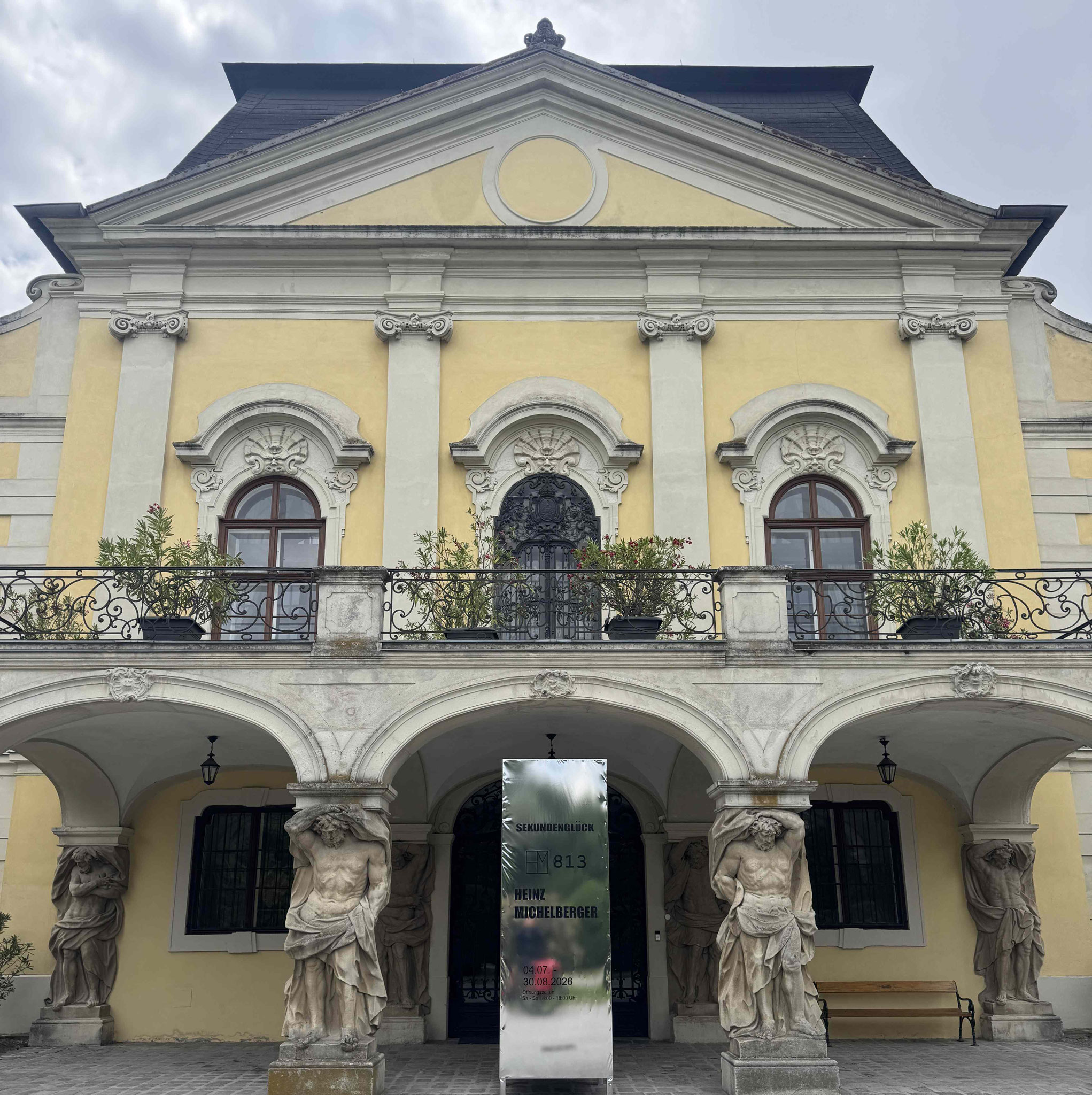
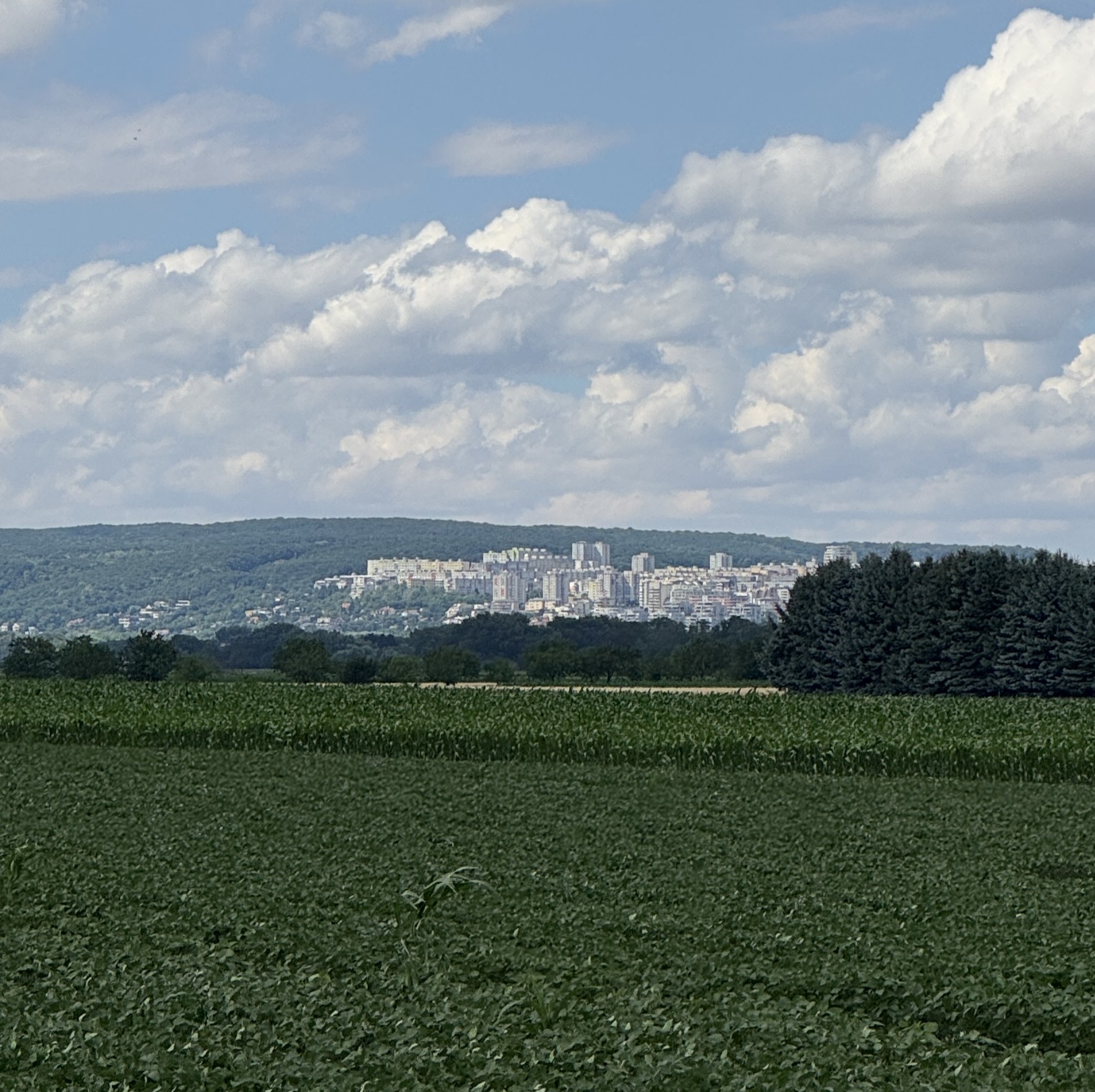
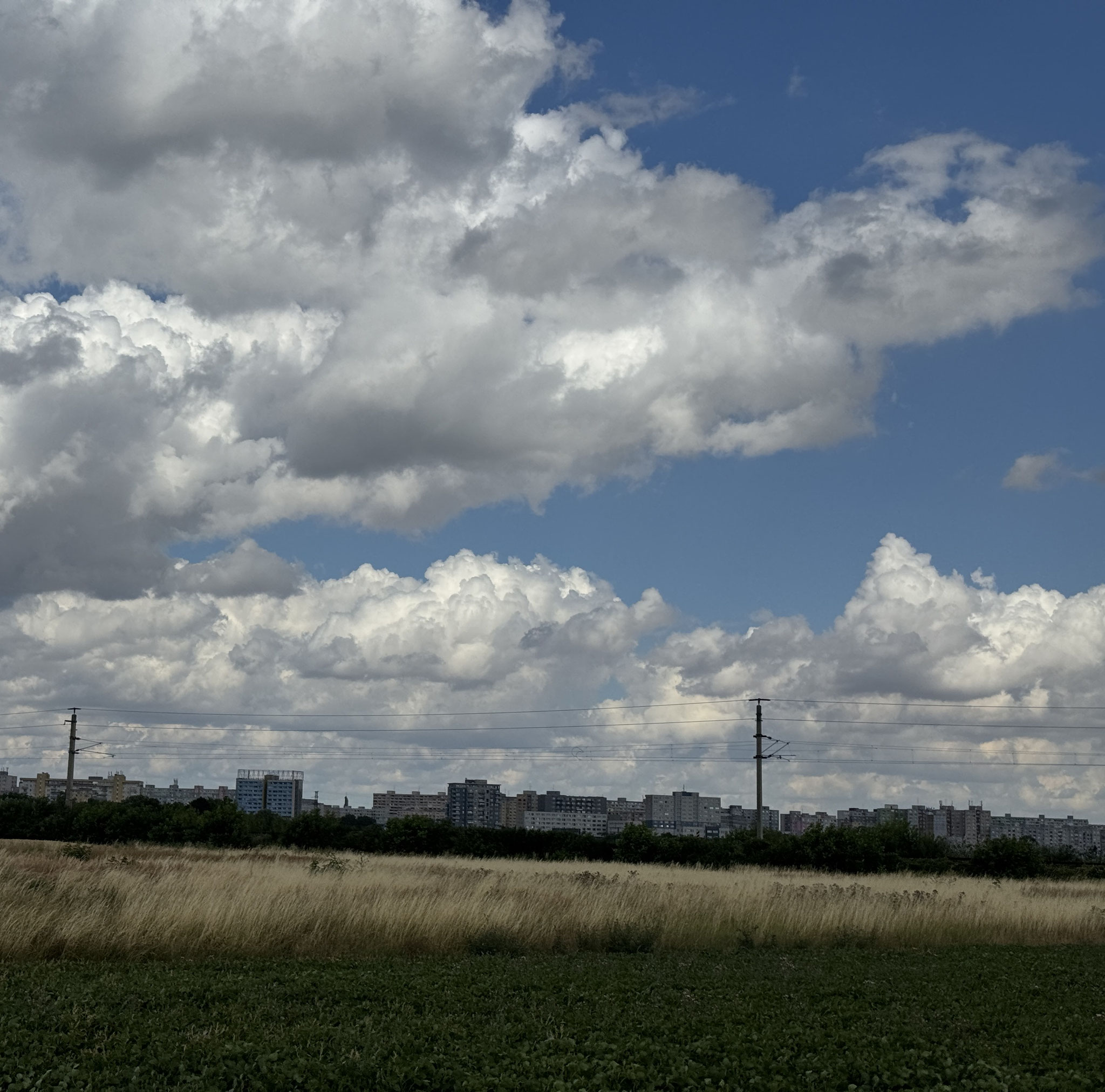
Anyone visiting the municipality of Kittsee in the northernmost part of Burgenland steps onto historic ground. Situated directly on the border with Slovakia, right at the gates of Bratislava, the Iron Curtain once separated two worlds here. Today, in 2026, the community faces entirely new, modern challenges.
In the middle of it all stands Johannes Hornek. The 60-year-old trained electrician and farmer has been leading the municipality as mayor for nine years. And he does so in a highly unconventional, yet successful way: Hornek doesn’t own a computer, doesn't write emails, and doesn't read them either. Anyone who wants something from him has to pick up the phone or drop by in person.
From "Paradise" to Rapidly Growing Community
Until the fall of the Berlin Wall in 1989, the people of Kittsee lived in a kind of secluded idyll. Economically, the roughly 2,400 inhabitants focused exclusively on the surrounding towns and Vienna. People commuted to the capital by train from Wolfsthal or via the B9 and B10 federal highways. The town boasted flourishing agricultural, commercial, industrial, and craft enterprises across all key sectors – some employing up to 30 people. Alongside banks, restaurants, doctors, schools, and a kindergarten, there was even a local hospital. "We basically had everything here," Hornek recalls.
Yet the border was far more than just a geopolitical line for the residents of Kittsee – it was a deep cut through their own family histories. Historically, what is now the Bratislava district of Petržalka (Engerau) belonged to the Estate of Kittsee before the territory was split off. Hornek's father, born in 1935, spent his youth over in the neighboring village before the Iron Curtain came down in 1948. Later, the old village on the Czechoslovak side was radically razed to the ground to make room for the gigantic, socialist prefabricated housing blocks of Petržalka. "You get used to a lot of things; it didn't hurt us," says Hornek today with pragmatism about the view of the concrete giants right outside his doorstep.
However, with the fall of the Iron Curtain and particularly with Slovakia's accession to the Schengen Area, everything changed abruptly. Today, according to official municipal statistics, Kittsee counts nearly 3,900 primary residents – almost double the population from the days of the Iron Curtain. If secondary residences are included, well over 4,400 people live in the town.
About half the population now consists of Slovak citizens who moved to the green countryside surrounding the adjacent metropolis of Bratislava (which Hornek consistently calls by its traditional German name, "Pressburg"). "Housing here has actually become almost cheaper than in Pressburg, especially when it comes to single-family homes," Hornek explains. "You'll find single mothers living here alongside higher-income earners."
The Challenges: Infrastructure, Finances, and Integration
This massive growth is pushing the municipality to its limit. Expanding schools and kindergartens, in particular, has presented Kittsee with major challenges. On top of that comes a significant financial issue. "Even though the municipality is growing, less money is flowing back through state tax revenues," the mayor laments.
Nevertheless, Hornek emphasizes that conditions in Kittsee are still excellent compared to Germany. Schools have been renovated, there are hardly any potholes in town, and local clubs continue to receive strong support.
On the streets and in community life, the integration of new Slovak residents takes a pragmatic approach, though it brings unique characteristics. Because the Slovak language – unlike Croatian or Hungarian – is not legally recognized as an official minority language in Burgenland, Kittsee has no bilingual schools or kindergartens. Instruction strictly follows the Austrian curriculum in German.
Despite the lack of official recognition, the municipality approaches bilingualism pragmatically. Whenever language barriers arise in daily administrative life or important documents need translating, there is always someone in town ready to step in and interpret without fuss. Furthermore, kindergartens offer playful language learning opportunities, and private parent-and-family initiatives have formed to create meeting places where new and long-time resident families can break down barriers.
Integration succeeds above all through sports – football and athletics bring people together. People also connect through church and the local music association. Integration into the Volunteer Fire Department or the Red Cross proves more difficult, however. In Slovakia, these services were traditionally purely state-run tasks, which is why the concept of voluntary civic engagement is hardly rooted there.
To nip social isolation and a mere "side-by-side" existence in the bud, the mayor relies on active togetherness. He wants every individual – whether long-established or newly arrived – to actively participate in village life, be it through sports, cultural clubs, or the church community. For Hornek, a healthy municipality only functions if people take responsibility for their surroundings and view themselves as part of a whole. "There are no new borders" – a principle he applies above all in a figurative sense to people's minds and community living.
The Apricot: A Sweet Legacy of a Hard Border
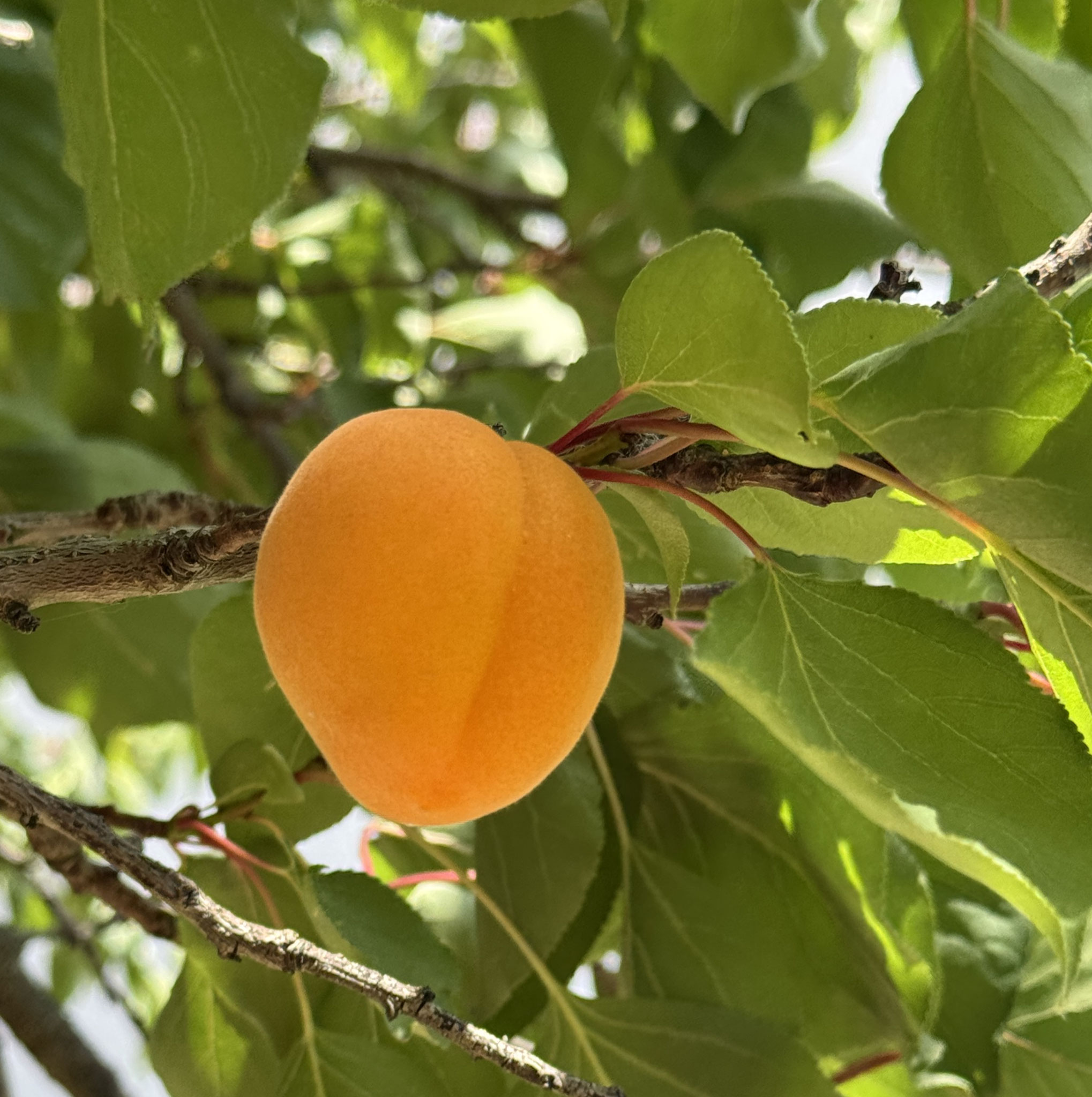
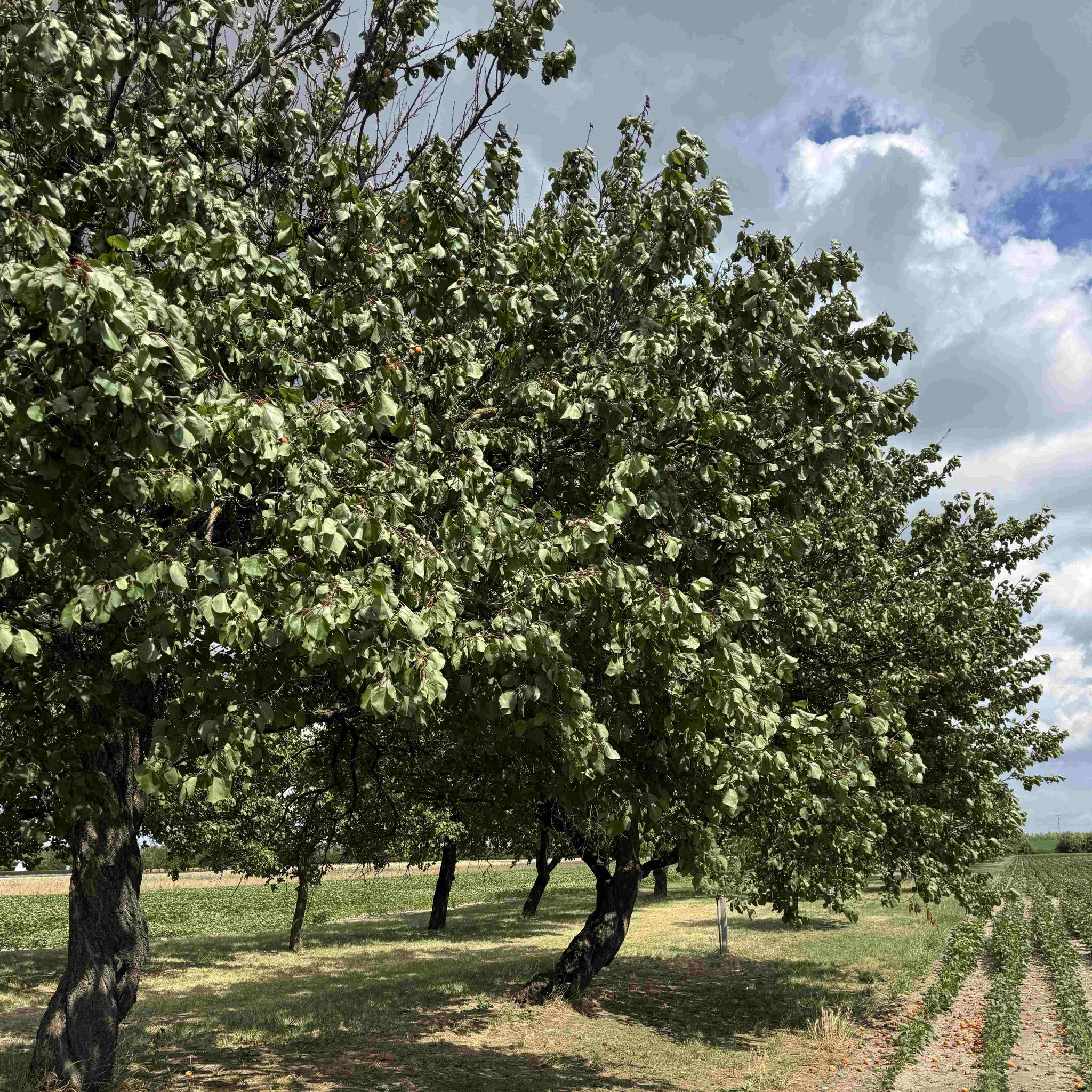
One economic driver that made Kittsee famous far beyond its borders owes its existence, ironically, to the historical border drawings of the 20th century. The groundwork was laid after World War I and the collapse of the Habsburg Monarchy: Due to the new state borders, Austria lost direct access to its traditional Hungarian apricot-growing regions, prompting Kittsee to increasingly rely on its own orchards starting in the 1920s. This situation intensified when borders with Hungary and former Czechoslovakia were permanently sealed by the Iron Curtain after World War II. Resourceful Kittsee locals recognized the market gap within Austrian territory and cultivated apricots on a large scale to supply Viennese markets. Today, Kittsee is known as "The Apricot Capital of Austria." Almost every resident – old or new – has apricot trees in their garden. Although cultivation has become harder due to the plant disease Monilia, making purely organic farming nearly impossible, the apricot remains an identity-defining side business. Harvesting is still done by hand, with the fruit marketed directly or processed into jam, schnapps, and juice.
The "System Maintainer" Looks Skeptically at the World
Hornek, who runs politically on the ÖVP (Austrian People's Party) ticket but describes himself as a "very left-liberal-minded" person, views his role soberly: "I am a system maintainer. I make sure the system remains tolerable for most people." What this service to the system looks like in practice is shown through his often unconventional management style: he expects personal responsibility from his citizens. "They can resolve minor neighborhood conflicts themselves so as not to burden the municipal administration with trivial matters." At the same time, he steps in where there is an emergency, occasionally helping people in acute financial distress directly with €500 out of his own pocket. For him, maintaining the system means keeping the municipality functional, staying independent, and being "equally unfriendly to every citizen – whether long-established or newly moved in – if they act foolishly."
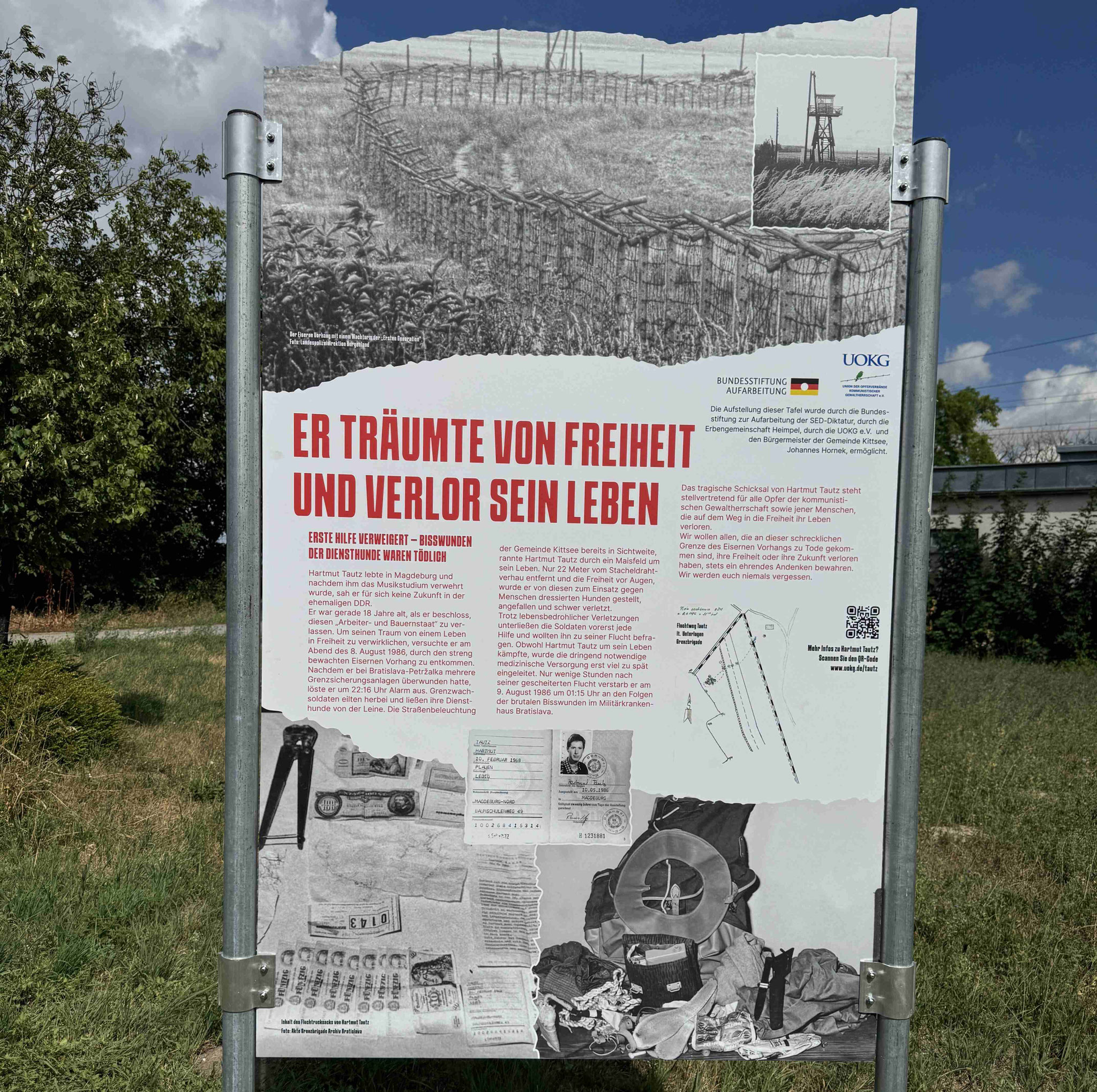
Meanwhile, Hornek has little use for traditional political remembrance culture – not because he thinks it's wrong, but because he doubts humanity's capacity to learn. Even so, he shows himself to be cooperative. He supports the erection of a memorial plaque on Preßburger Straße within his municipality for Hartmut Tautz, a young East German refugee who was mauled to death by border dogs in 1986 just a few meters from the Austrian border. "History is important, but we learn so little from history," Hornek laments, pointing to the rise of authoritarian desires in Austria and Germany. He finds it completely incomprehensible why so many people today are once again shouting for a "strongman" and chasing after old, dangerous ideologies.
Despite this philosophical frustration, Hornek does not let himself get discouraged. He sees himself as a manager of his community rather than a classic politician. And although he will officially reach retirement age next year, he plans to run again in the upcoming election – out of respect for the trust the community has placed in him over the past years.