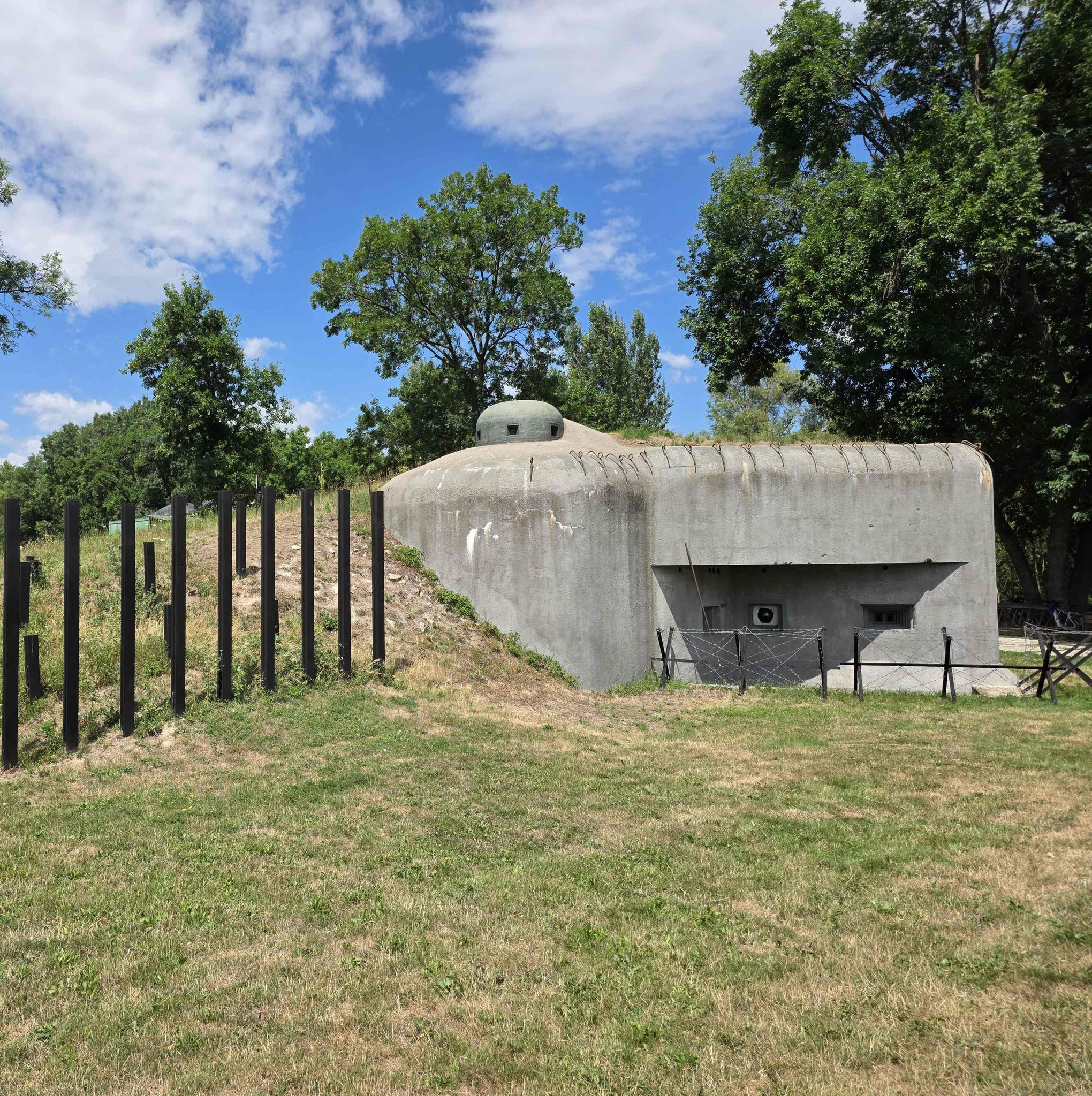
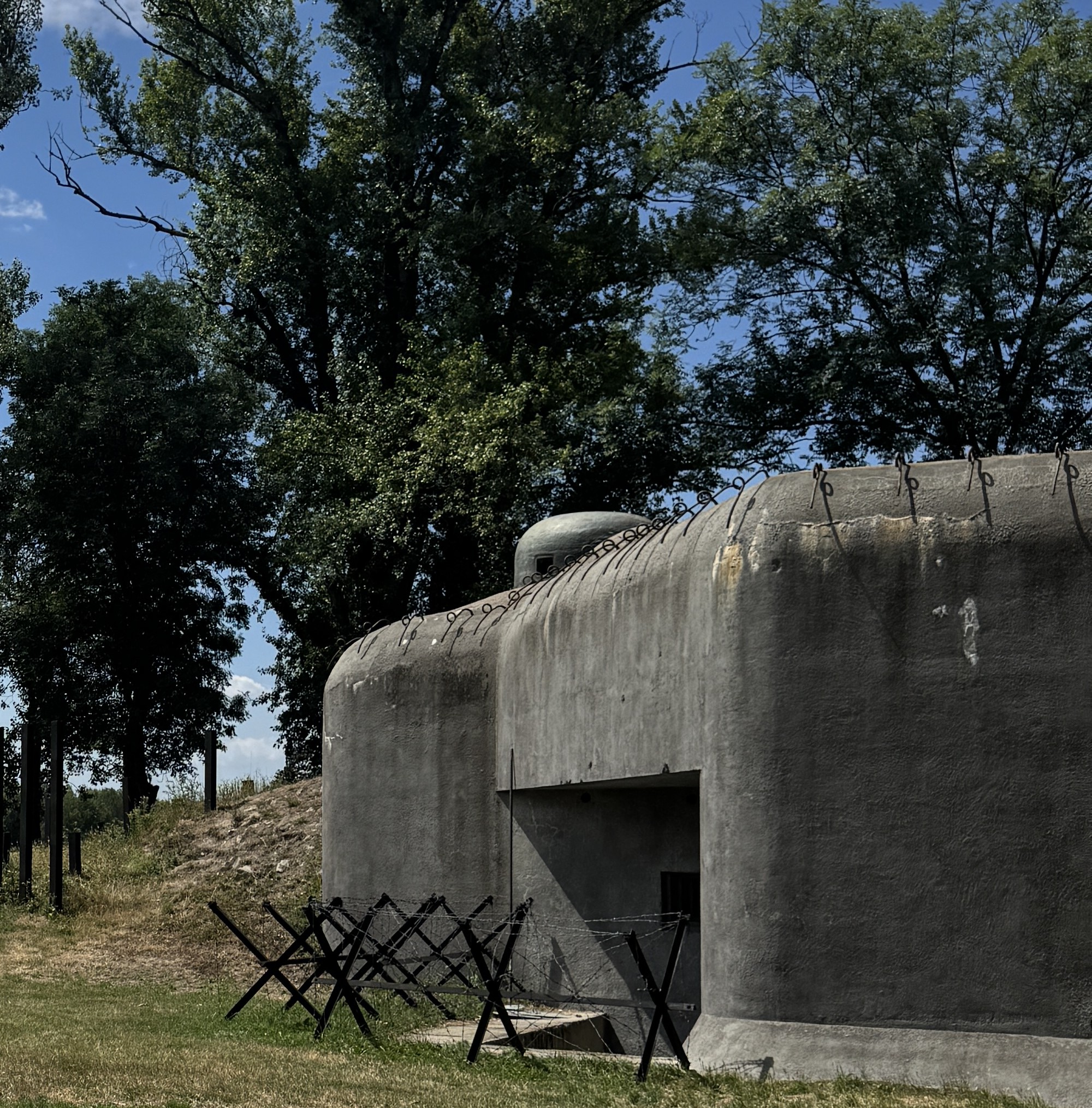
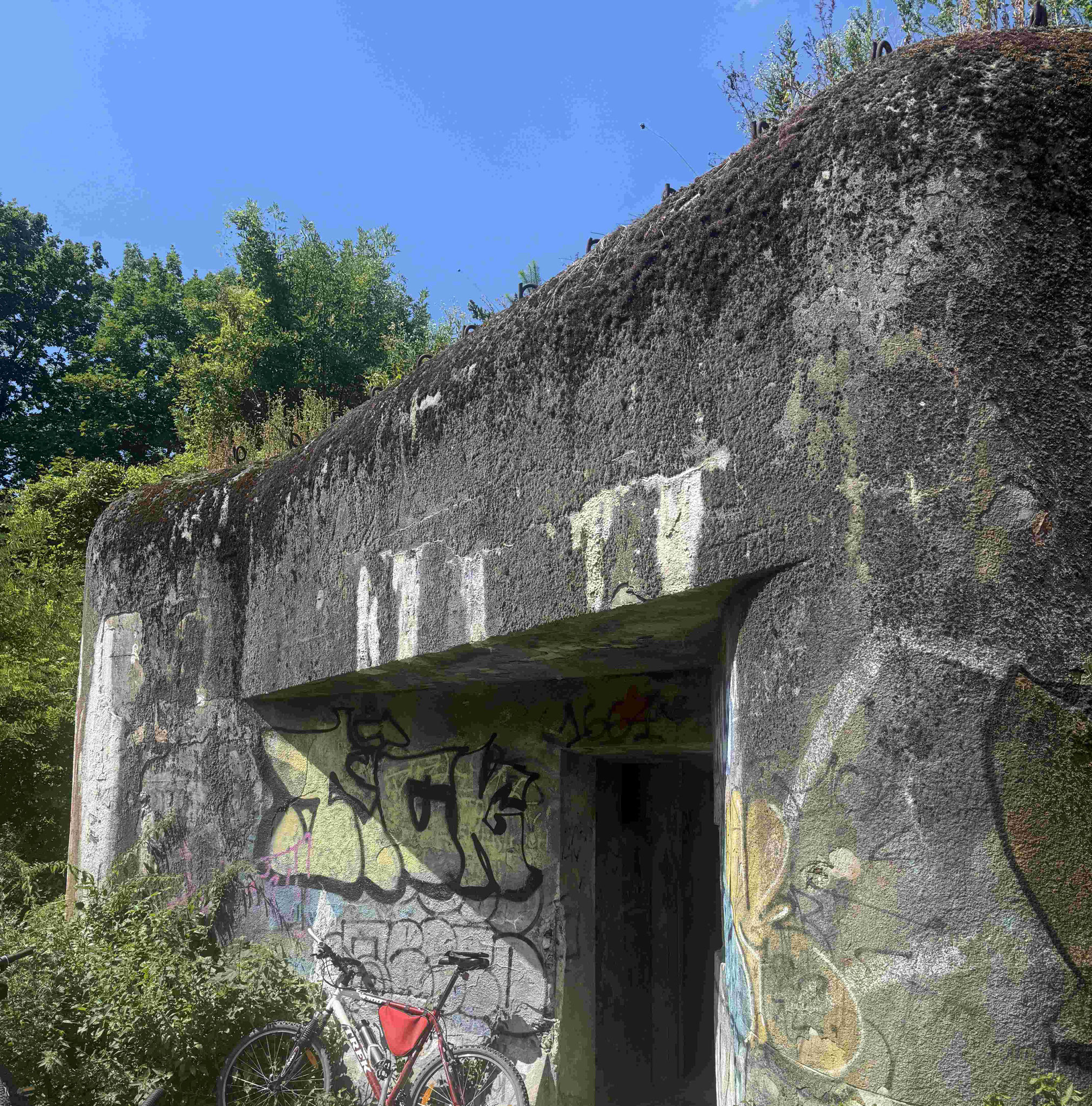
The border with Austria wraps around the Slovak capital of Bratislava like a semicircle. The former "patrol road," where the border troops' heavy military vehicles once patrolled, is today a wonderful cycling path through the wild, untouched nature of the former border strip. Anyone visiting the outskirts of Bratislava today in the district of Petržalka (Engerau) will encounter heavy witnesses of a dramatic past in the flat landscape directly on the border. The Iron Curtain ran here for decades. Right in the middle lies the B-S 4 "Lány" bunker. The Petržalka bunkers, objects of the Czechoslovak fortifications, are today a unique military, historical, and technical monument.
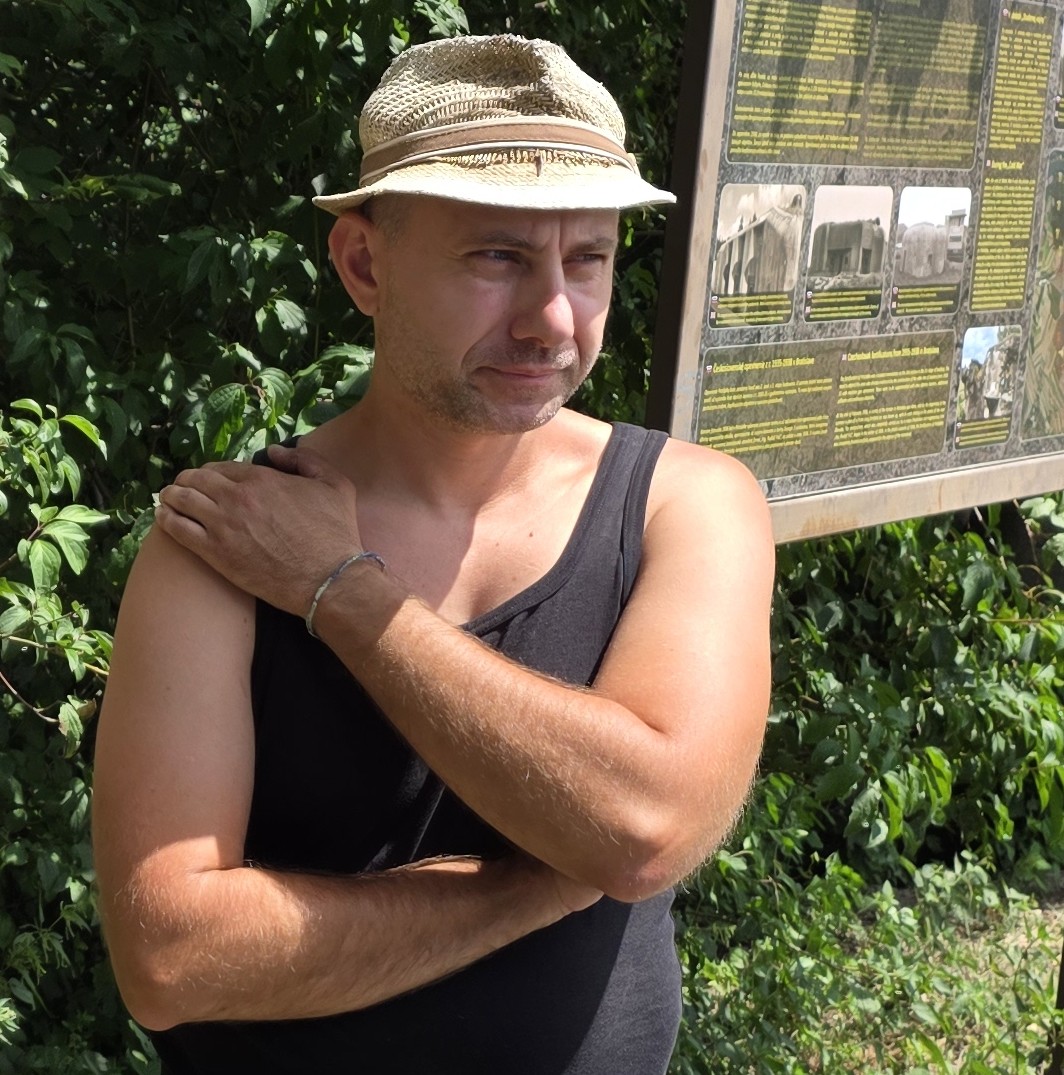
The fact that this fortress is accessible again today and has become a living museum is thanks to a handful of dedicated volunteers. Among them is Tomas, who spends most of his free time here.
In his everyday life, Tomas works as a theater mechanic. However, his weekends have belonged to Czechoslovak history for more than 15 years. Tomas's personal connection to this historic site goes far back into his own childhood. "We came here to play as children in the late 1990s," recalls the now 41-year-old.
After the fall of the Iron Curtain, the former military restricted area was suddenly open. For local children, the abandoned, completely neglected concrete colossi became an adventure playground. Yet, this childhood urge to explore soon developed into a deeper fascination with the historical significance of the sites. About 15 years ago, the group finally leased the bunker and began completely restoring the buried and looted rooms on their own through painstaking, years-long detailed work.
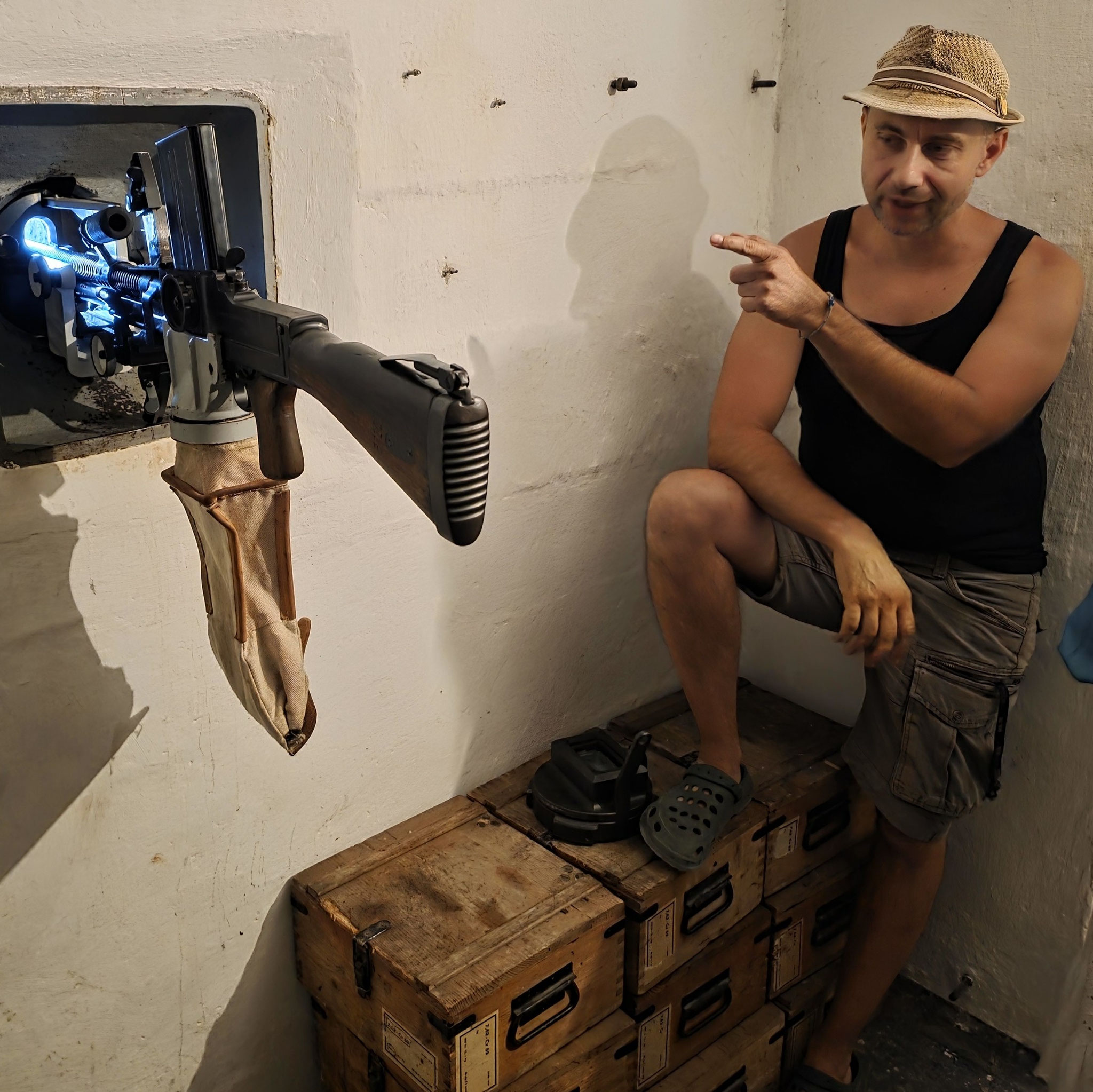
Today, the small team of about eight volunteers operates the region's only fully restored bunker museum. "Every historical exhibit, from the heavy armored doors to old telephone systems and original weapons, was painstakingly purchased at flea markets, militaria fairs, or from collectors across Europe," says Tomas, who regularly leads tours through the bunker on Saturdays. He explains the history, but through his years of dedication, he has also become an expert in 1930s military technology. He has personally restored many of the pieces and reinstalled them in their original places inside the bunker.
The Legacy of the First Republic and the Munich Agreement
The bunker line along the border with Austria and Germany was built between 1935 and 1938 under enormous time pressure. Facing the growing threat from Nazi Germany, the First Czechoslovak Republic constructed a dense defense network, heavily inspired by the famous French Maginot Line. A total of 25 heavy bunker structures were intended to secure the strategically important Bratislava bridgehead alone.
The military planners left nothing to chance. The massive fortifications were built at intervals of just about 200 to 600 meters. Because of this dense staggering, no bunker was isolated; each lay within the line of sight and firing range of the next. Many of them are still hidden today in the thick greenery of the former restricted border zone.
Yet history overtook the state-of-the-art defense plans before construction was fully completed. In late September 1938, the Munich Agreement was signed by the leaders of the four major European powers (Germany, France, Great Britain, and Italy). The Czechoslovak government was forced to surrender its border regions to the German Reich without a fight. The soldiers had to withdraw without a single shot ever being fired from the bunkers in defense of their own country.
The Arms Industry as a Technological Engine
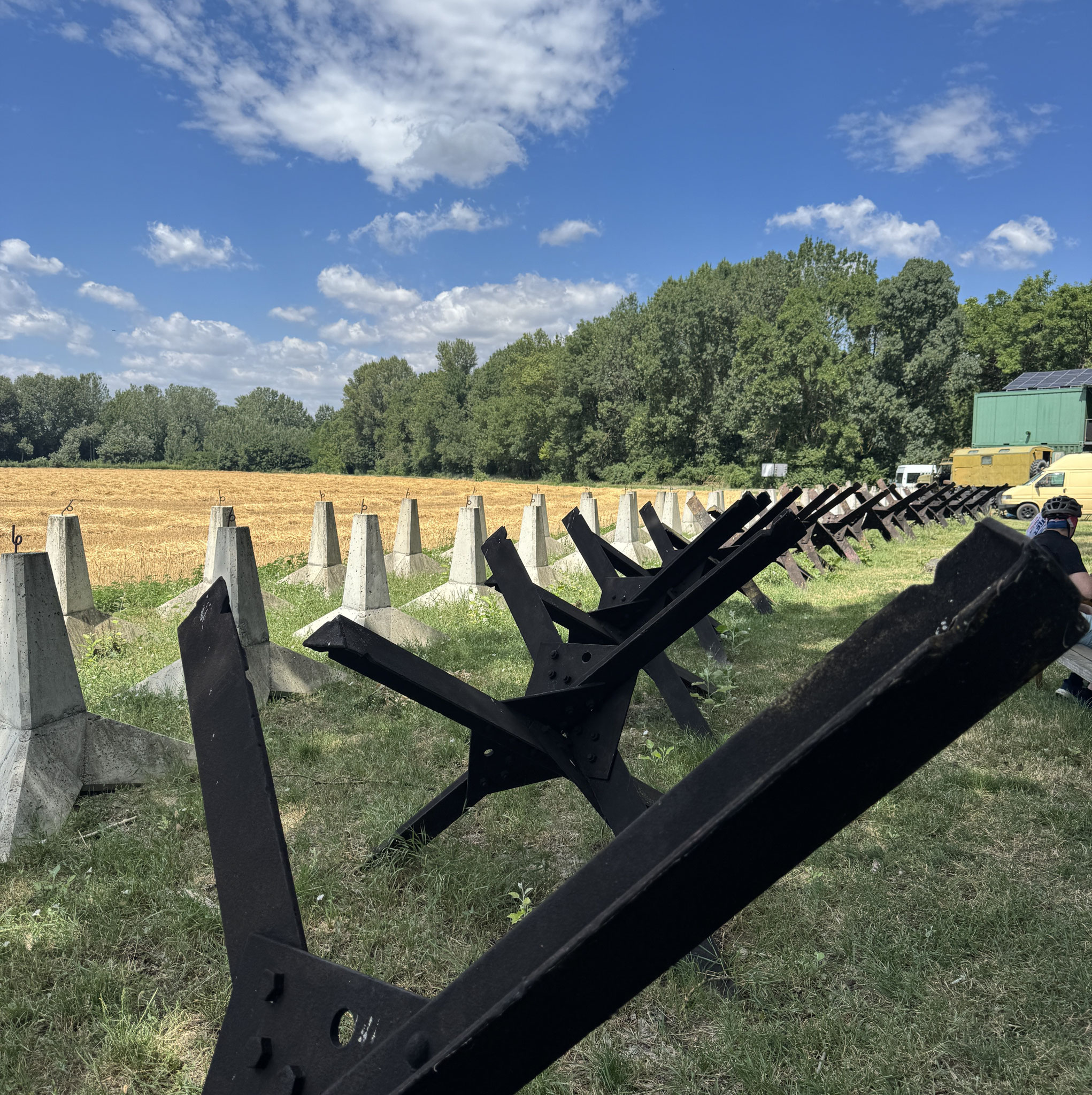
The fact that these bunker systems were technically so far ahead of their time was due to a crucial detail: in the 1930s, Czechoslovakia was one of the world's leading producers of state-of-the-art military equipment. National companies equipped the fortresses with modern, custom-made components. Around the B-S 4 "Lány" bunker, reconstructed anti-tank and anti-personnel obstacles, dense barriers of concrete, steel, and barbed wire, still bear witness to the attempt to make the country impregnable.
Hitler's Visit to the Czechoslovak Westwall
Just how much interest the National Socialists had in this line of fortifications is shown by a visit from Adolf Hitler in October 1938, only a few days after the annexation of the territory. A historical photograph in the museum documents that he inspected this exact bunker as part of the Czechoslovak border fortifications near Bratislava. In the period that followed, the Wehrmacht primarily used the facility as a training ground for their own offensive and defensive scenarios.
Inside the bunker, Tomas shows visitors the narrow climb to the original armored cupola on the roof, which served as an iron observation post for the crew. A soldier would climb up a ladder back then to keep an eye on the terrain and relay targeting data via a telephone cable directly to the weapon crew below. Another ladder leads down into the basement with the utility and supply rooms.
Trapped in the Restricted Zone of the Cold War
After the end of World War II in 1945, the territory returned to Czechoslovakia. From 1947 onward, the defense line was reactivated in the course of the emerging Cold War, as it now lay directly on the Iron Curtain, the new border between East and West.
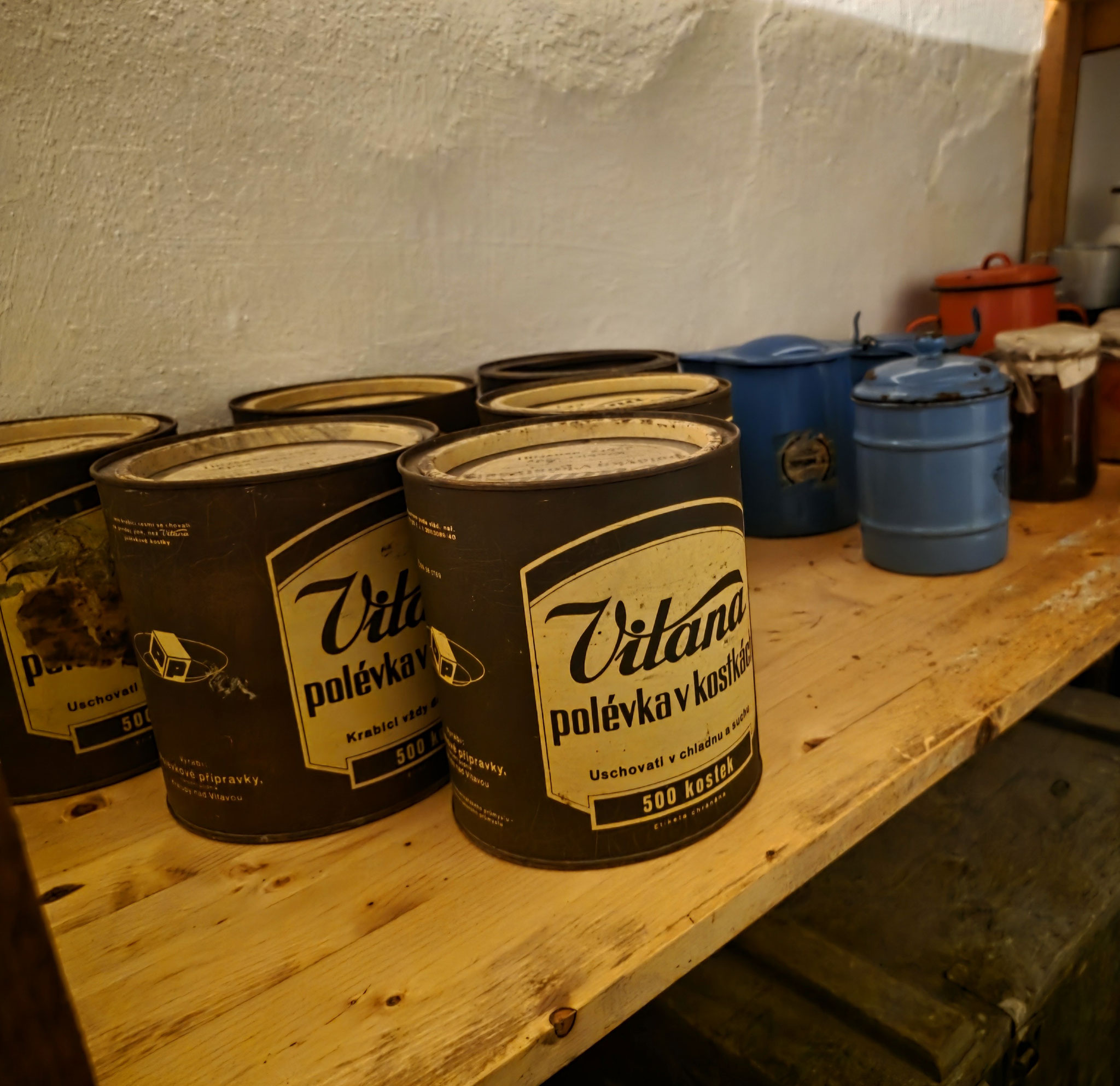
For decades, the bunker was located in an absolute high-security zone. Anyone who even approached the border without permission risked their life. Even the farmers were strictly guarded when they worked the surrounding fields. During this time, the bunkers were fully operational and equipped for emergencies to withstand a potential attack from the Western alliance. Today, Tomas shows visitors the historical pantry and explains that the stored rations were designed to keep the 20 to 27 soldiers completely self-sufficient for two weeks in the event of an emergency.
While the military kept the bunker operational during the first decades of the Cold War, the facility was later decommissioned. Ironically, it is precisely thanks to this subsequent decades-long isolation and the strict ban on entering the restricted zone that nature was able to flourish so freely around the bunker and that the structures did not have to make way for the construction boom of the growing city of Bratislava.
Experiencing History Firsthand
Stepping down the steep stairs into the cool interior of the bunker with Tomas today is like going on a journey through time. When the trained mechanic starts up the original, manually operated ventilation engine, which once ensured that the gun smoke from the machine guns was pushed out of the combat stations, the past roars deafeningly through the narrow concrete corridors.
Through their voluntary commitment, Tomas and his team do not just display the military technology of the 1930s; they keep the memory of the horrors of the division of Europe alive. It is a monument of concrete, rescued by the children who once played in its ruins.