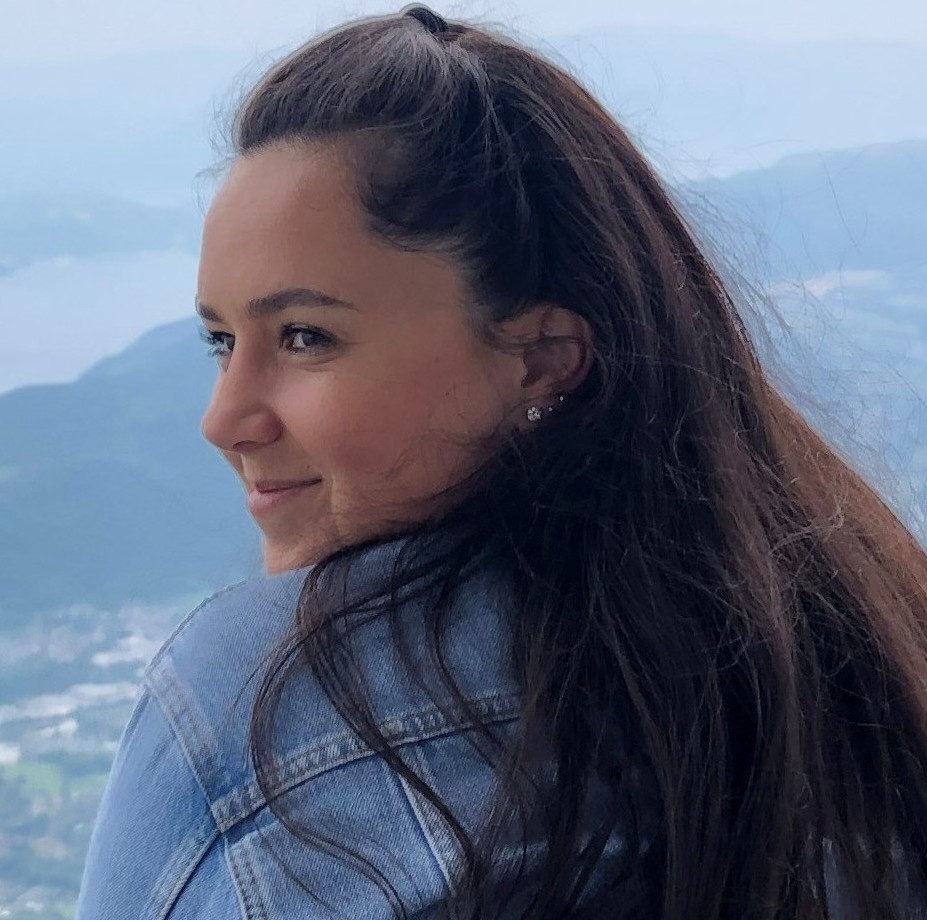
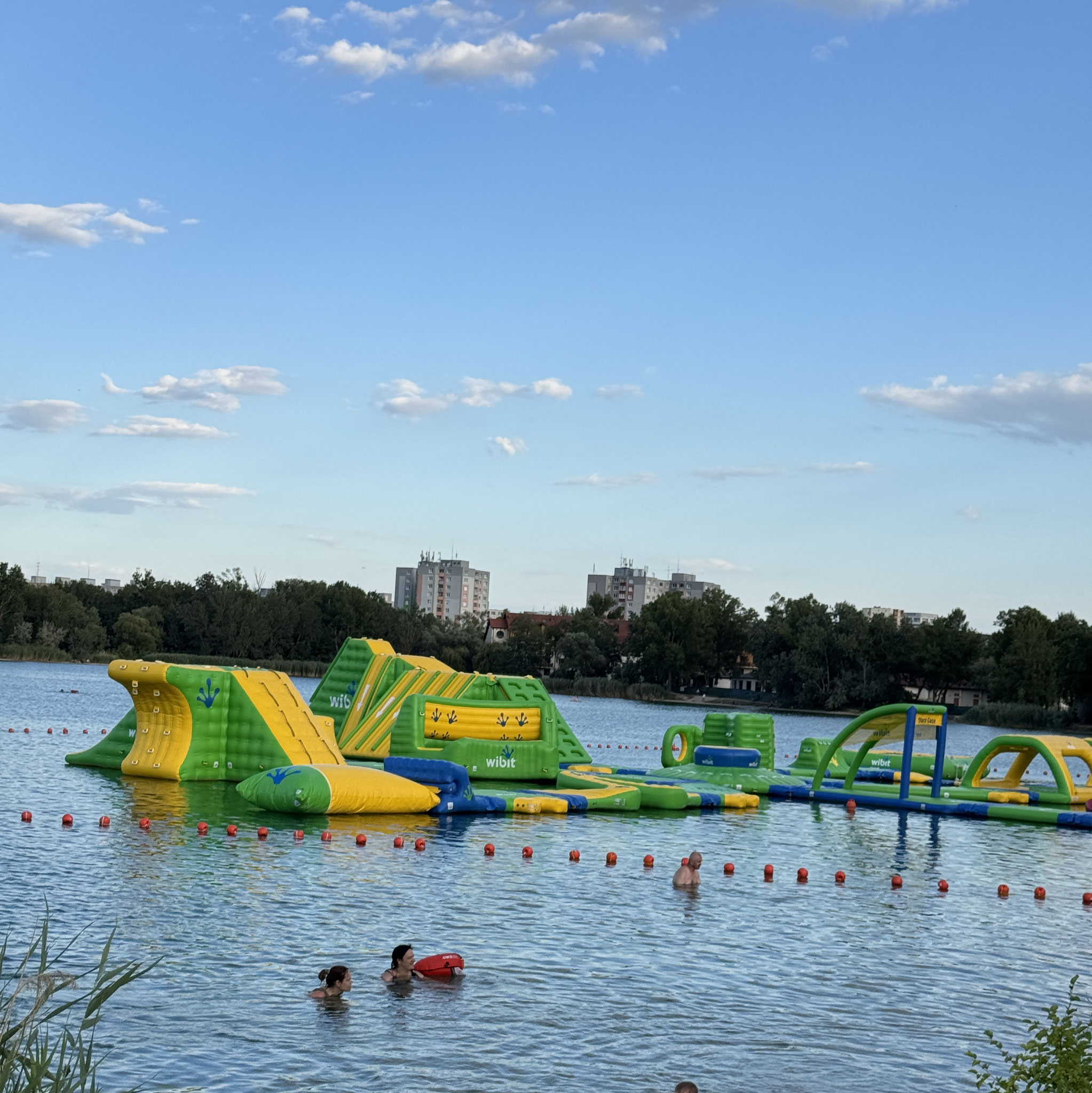
In the middle of the residential blocks of the Petržalka district in Bratislava, people enjoy themselves on a Sunday afternoon at the swimming lake. Many families have come to explore the new water park on the lake. Lenka and her family are also spending the afternoon at the lake, which was created from an old gravel quarry. The 37-year-old is emblematic of Slovakia’s young, torn generation: well-educated, well-travelled, and deeply concerned about the future of her homeland.
Lenka is a bridge builder between two worlds. Raised in rural Slovakia and in the capital, she moved to Scotland for five years as a young adult. Today, she lives and works in Bratislava. "When you go to the countryside, there is often a deep mistrust of the capital," she says. This division shapes society, but the conflicts run much deeper – right down to the kitchen table at home.
The Generational Rift
While Lenka's 80-year-old grandfather remains resolutely pro-European despite his age, her father has developed in a completely different direction. "My father is on social media all day, consuming shady channels," Lenka reports with concern. The result: her father believes in conspiracy theories, rants against the European Union, and is convinced that Russia is the best country in the world while the US and the “West” are planning a conspiracy against Slovakia.
"He has never even been to Russia. I always tell him: Go ahead, try living there!" she says with a mix of frustration and disbelief. But the social media algorithm, she notes, is merciless for people who lack critical thinking. Paradoxically, her parents still rave about communism to this day, even though they emigrated to the US in the early 1990s, right after the fall of the Iron Curtain, with financial help from her grandparents to earn money in Chicago and Florida.
They returned after a few years because they couldn't find their footing. Accustomed to the Soviet era – where life was predictable and planned out – the constant hustle of Western capitalism proved overwhelming, making coming back the easier option. "They also hardly learned any English and mostly lived in a Polish bubble," Lenka comments. What was a rather materially driven adventure ultimately bred a desire for personal security – while any sense of community fell by the wayside. Lenka sees this as a trend among her parents' generation: "I experience many people of this age as very selfish. They don't really care about the future of the younger generation. They just want to have a good life."
Life in the "Plattenbau" Cosmos of Petržalka
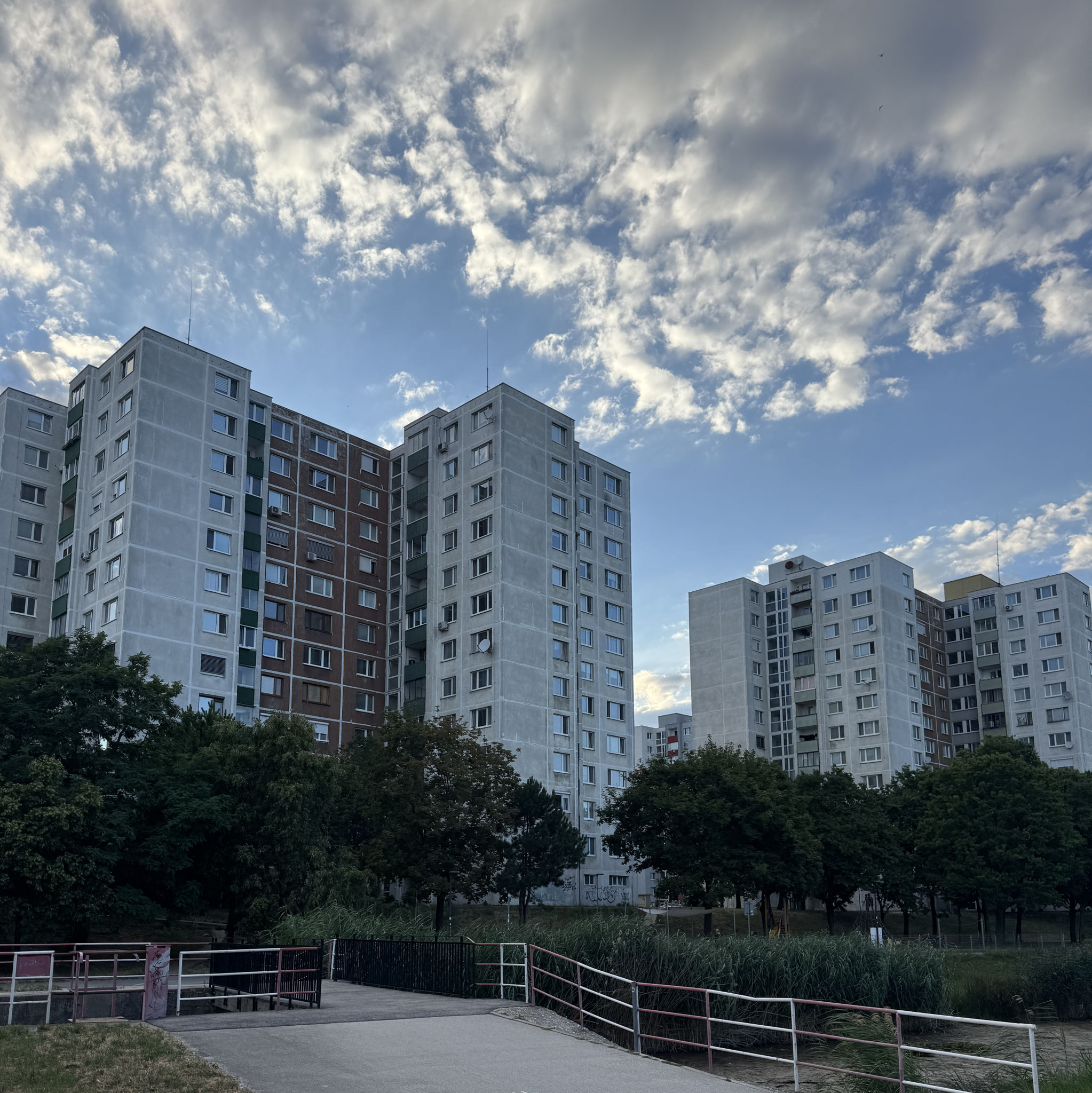
Lenka has been living in Petržalka for five years now, the largest prefabricated housing estate in Central Europe, home to nearly a third of Bratislava's population. In the 1990s, the district had a notorious reputation, shaped by drugs, gangs of violent neo-Nazi youths, and the omnipresent mafia that controlled much of the country at the time. "Back then, there were hardly any playgrounds for the children," Lenka recalls from stories she has heard.
Today, the neighborhood is changing rapidly. The local mayor is investing heavily in sports facilities, a new tram line has just opened, and the borough is buying up land to keep the nature around the lakes permanently free for the public. Yet, the housing situation in the old socialist blocks remains a ticking clock. No one knows how long these concrete structures will hold up, especially since many owners drill through load-bearing walls like "Swiss cheese" during private renovations. On top of that, there is a political battle over distribution in the country: "A lot of money only flows into the city center to make it beautiful for tourists, while the people living here are left behind," Lenka criticizes.
The Dream of the "Happy Pig" and Reality
Despite the massive funding visibly flowing from Brussels into infrastructure, a deep skepticism remains palpable among the population. Many people are resigned and no longer believe that elections change anything. On the other hand, there is an unchecked urge to consume. "Capitalism changes people. Everyone wants to show off a big car, big brands," Lenka observes.
She draws a bitter, almost philosophical comparison: "Sometimes I think we live like happy pigs here. We have too much of everything, we are fed, we lack nothing materially. But people no longer look out for their neighbors. Everyone only thinks of themselves. In Scotland, I experienced people as much more polite; they looked out for each other more and didn’t seem to be so jealous of each other and the material things.”
A Look Across the Border
Reality becomes particularly painful when looking at the crumbling healthcare system. She describes moldy hospitals despite high health insurance contributions. "I recently had to pay hundreds of euros out of pocket for simple medication for my son," she says indignantly.
This sense of injustice carries over into everyday life: even in youth football, her son's great passion, corruption rules instead of talent. Lenka reports with frustration that young talents in Slovakia are systematically blocked without connections or money. For Lenka, one thing is clear: if her son shows genuine talent and does not get a fair chance in Slovakia, she is ready to leave. Since her partner speaks little English, neighboring Czechia would be an option. "It's sad to say, but the Czechs are ahead of us in many ways. They have a better education system, better medicine, and more progressive politics," she admits.
Her dearest wish for Slovakia? "That we become like Switzerland. Or like Germany, which rebuilt itself from nothing after two world wars. Why can't we do that? There is just too much corruption and too much small-minded thinking in our politics." As long as nothing changes, young women like Lenka must continue to manage the tightrope walk between the love for their homeland and the wish for a better future for their children.