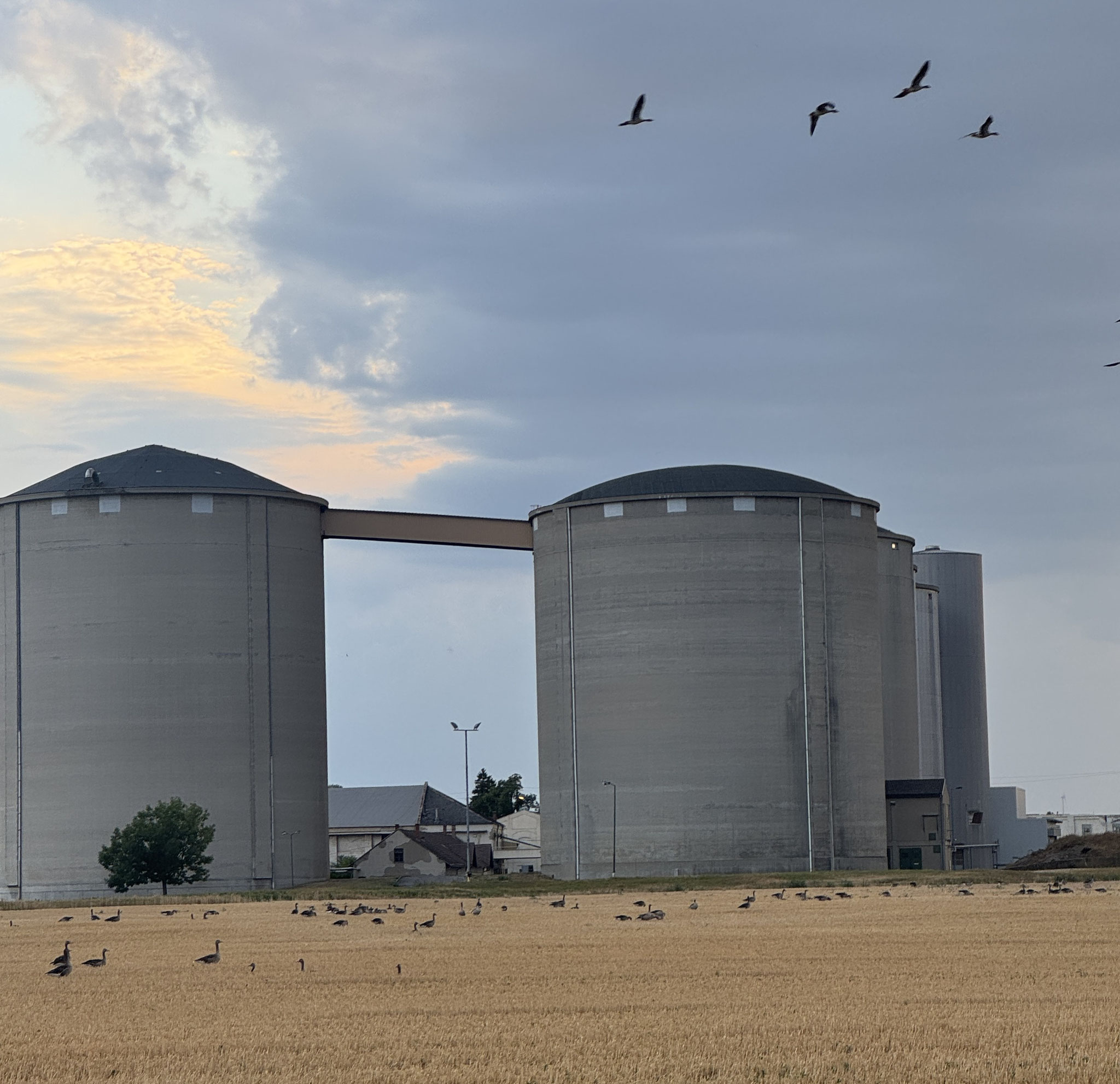
Actually, for decades, humans in the northeastern Weinviertel, in the tri-border region of Austria, the Czech Republic, and Slovakia, did everything they could to tame nature. Rivers were straightened, a huge factory extracted millions of liters of water from the landscape, and thick beet sludge permanently altered the terrain. But today, majestic white-tailed eagles soar over artificial ponds, and thousands of rare waders rest in the mud. Meanwhile, the core mission of the Auring association in Hohenau an der March is to keep this artificially created "second-hand nature" alive.
How the March Lost Its Riverbed
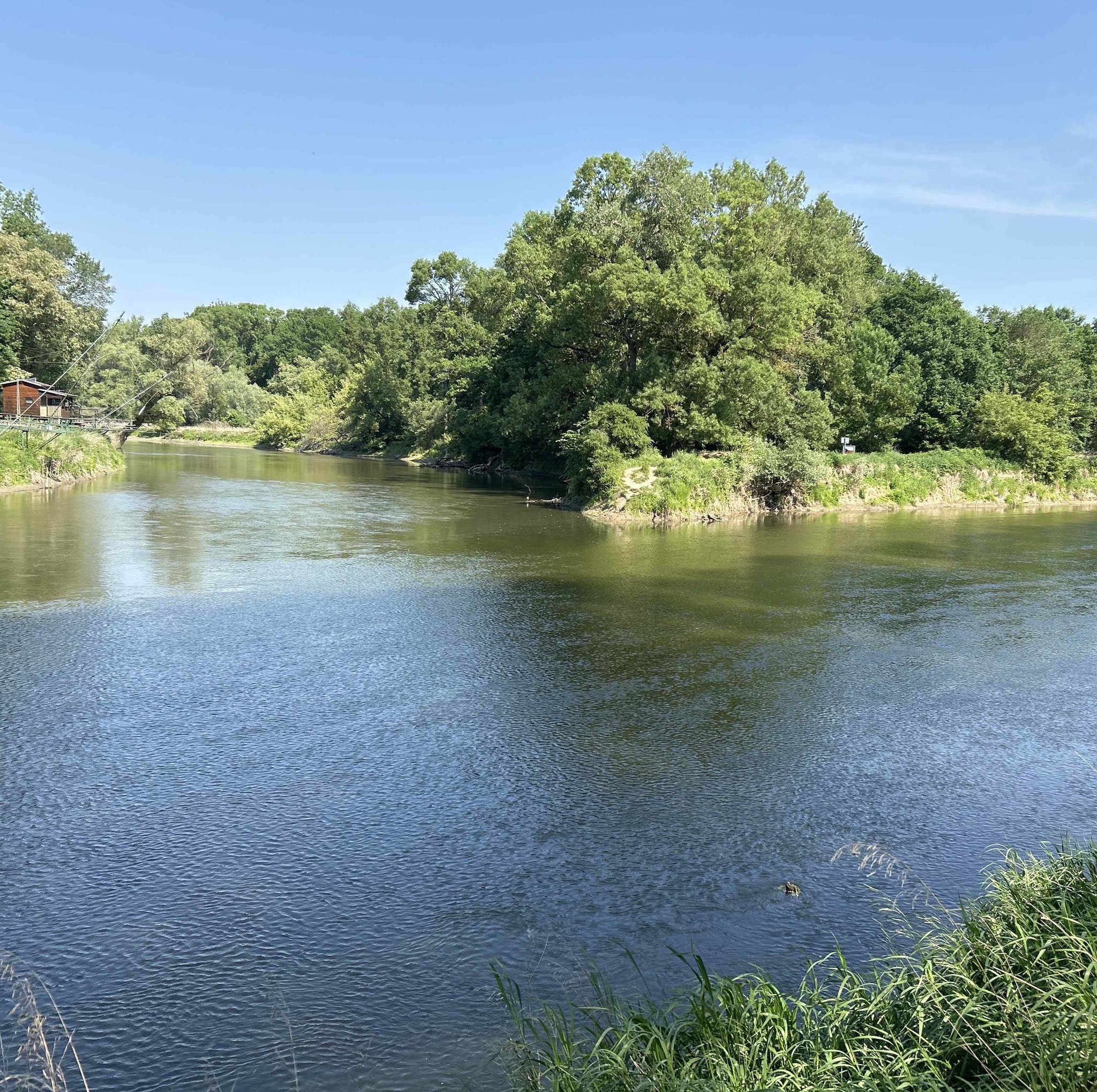
Rainhard Brandstetter, long-time chairman of the association, explains the transformation of this floodplain landscape. To understand it, one must look back to the post-war period. The March was once a river that meandered lazily through the floodplains – until it was tamed and straightened. Although initial plans for regulation existed as far back as the Imperial Era around 1800, it was only with modern excavators after World War II that the mammoth flood-protection project could be put into action. "Until then, floodwaters regularly reached as far as Hohenau’s town hall. Back then, the dam and the straightening were considered progress," Rainhard explains.
Yet the intervention was radical. River bends were cut off and the river was severely constricted. Today, experts judge that activism differently: "People overshot the mark simply because they had the means to do so." For the birdlife and the entire ecosystem, the regulation was a catastrophe, as shallow shoreline zones, gravel bars, and natural river dynamics almost completely disappeared.
The Sugar Factory and the Water
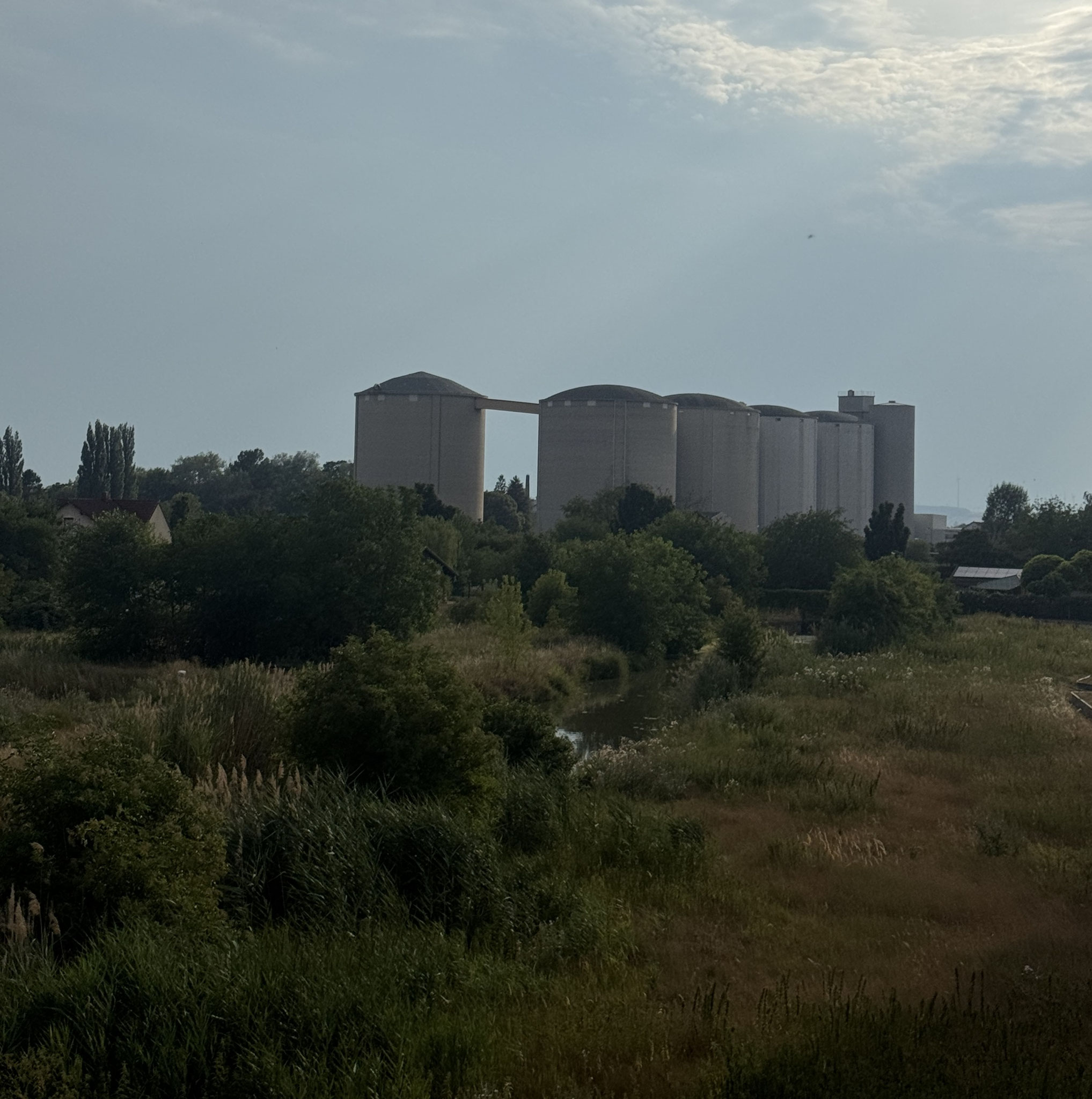
At the same time, a vast industrial site stretched out not far from the river: the Hohenau sugar factory, founded in 1867. It was the economic engine of the region. But the factory needed water. At peak times, the plant pumped 50,000 cubic meters of water directly from the March within a 24-hour period via a two-kilometer-long open canal.
This water was primarily needed to wash the sugar beets. At the end of the washing process, a highly concentrated mixture of water and fertile soil remained. "At some point, this transport water became so thick that it could hardly be pumped anymore. It turned into something like pudding," Brandstetter vividly describes. As a farmer, he worked in the sugar factory for decades and therefore knows the processes inside out.
This muddy byproduct could not simply be discharged back into the river. So it was redirected onto lower-lying farmland that was already frequently flooded. In this way, top-quality, nutrient-rich soil made its way onto the fields. Through decades of this "siltation," the ground level rose in places to the height of the country roads. Artificial earth basins and gigantic mudflats were created.
The Cooling Pond as an Ecological Lifesaver
In the mid-1990s, traditional soil management began to falter. Stricter regulatory requirements forced the sugar factory to modernize. Beet sludge could no longer be deposited unchecked. Furthermore, the factory's wastewater, which reached temperatures of up to 40 degrees Celsius, could no longer be released directly into the March. "The warm water threatened several fish species."
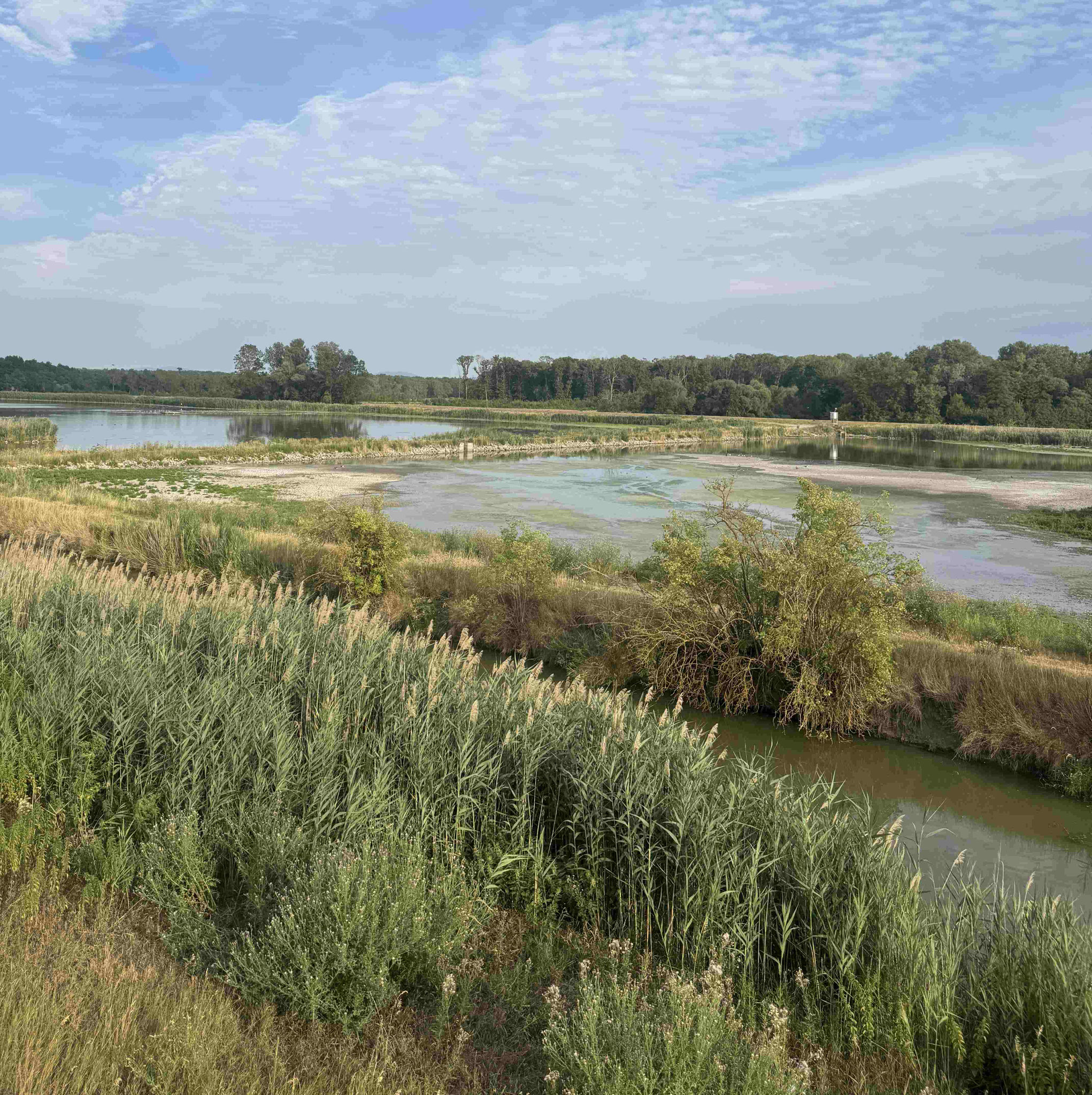
As a solution, a huge pond was built to cool the water before discharge. And right here, the unintentional happened: while humans were destroying the natural river landscape, they unwittingly created a perfect alternative habitat with the artificial basins and the cooling pond.
The vegetation-free, muddy silt flats attracted waders (shorebirds), ducks, and geese in great numbers. Birds whose actual home is on the coasts of the North Sea found a perfect stopover site right in the inland, halfway through their migration routes of thousands of kilometers. "The factory inadvertently offered replacement habitats without even realizing it," Rainhard explains.
An Absurd Yet Vital "Endless Loop"
When the Hohenau sugar factory finally closed down in 2006, this "second-hand nature" faced immediate extinction. Without the inflows from the factory, the ponds and mud basins would have completely dried up within a short time – the painstakingly established bird paradise would have been lost.
This is where the Auring association, founded back in 1996, came into play. In cooperation with the municipality of Hohenau, which purchased the supply canal, and the Liechtenstein estate, which owns the land, the association took over water management.
Behind the idyllic scenery lies a tremendous, almost paradoxical effort, which Rainhard ironically calls a "endless loop". By this, he refers to the artificial and endless cycle required to keep the bird sanctuary alive: because the March was straightened and its natural oxbow lakes are drying up, water is continuously pumped into the basins from March to October. Around 6,000 euros in donations flow into this "merry-go-round" each year to save the vital mudflats and resting areas for migratory birds from drying out.
From Farmer to Passionate "Caretaker"
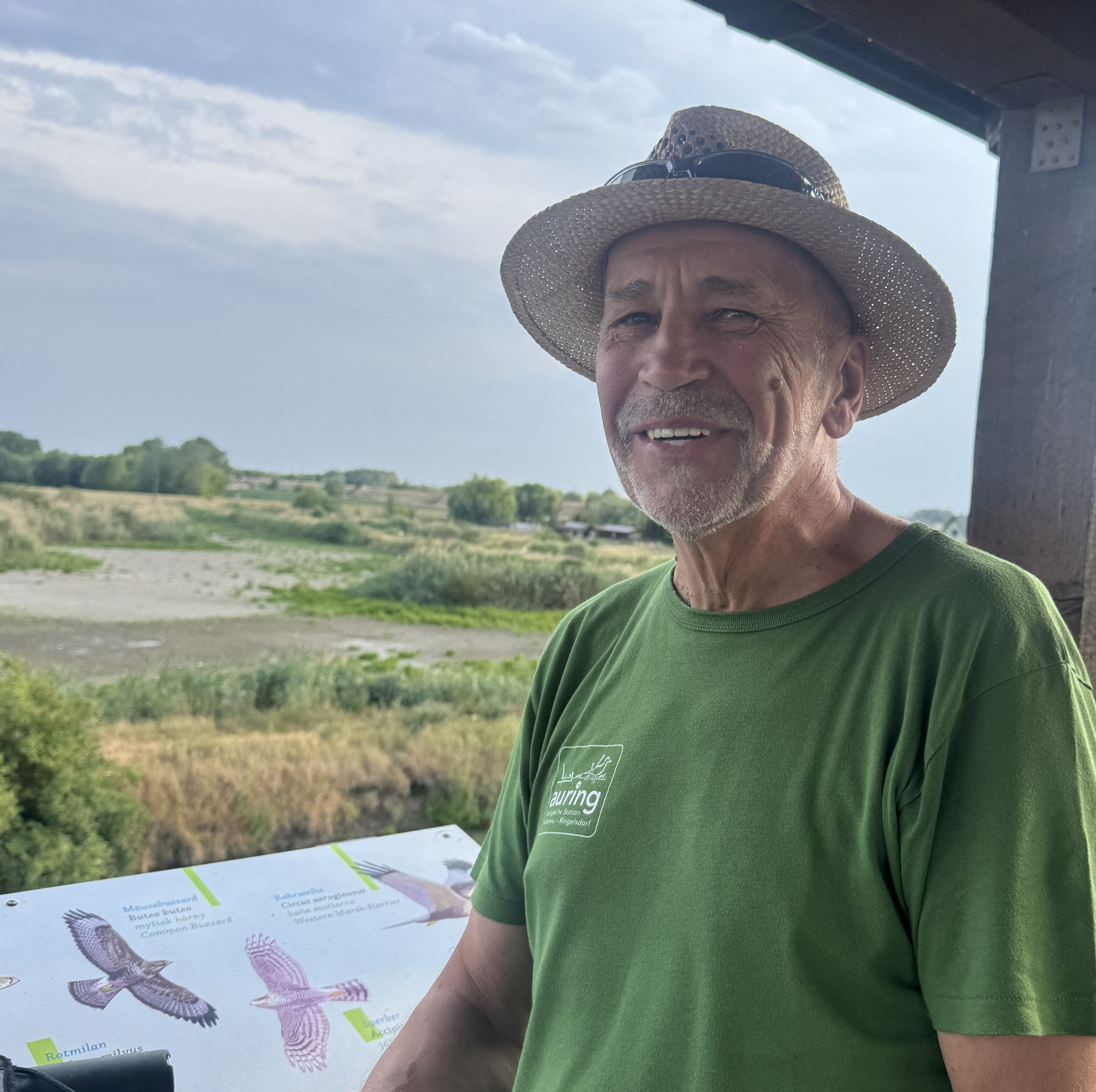
Rainhard Brandstetter, who shaped the association for over two decades as its chairman and now modestly calls himself its "caretaker," discovered his passion for ornithology on a tractor. As a 15-year-old working in the fields, he spotted majestic white-tailed eagles just 50 meters away. "That was when my interest in nature conservation and birds was sparked. Seeing these giant birds is truly impressive," he enthuses from the six-meter-high observation platform overlooking the water surfaces of the cooling pond and the floodplain forests.
"I am not an ornithologist myself," Rainhard emphasizes, "but as a member of the association, you naturally experience everything up close." From the observation platform and other hides maintained by the association in the March-Thaya floodplains, the animals can be observed perfectly. Depending on the season, dense flocks of starlings dance over the mudflats, while ducks, geese, and long-billed waders probe the mud for food.
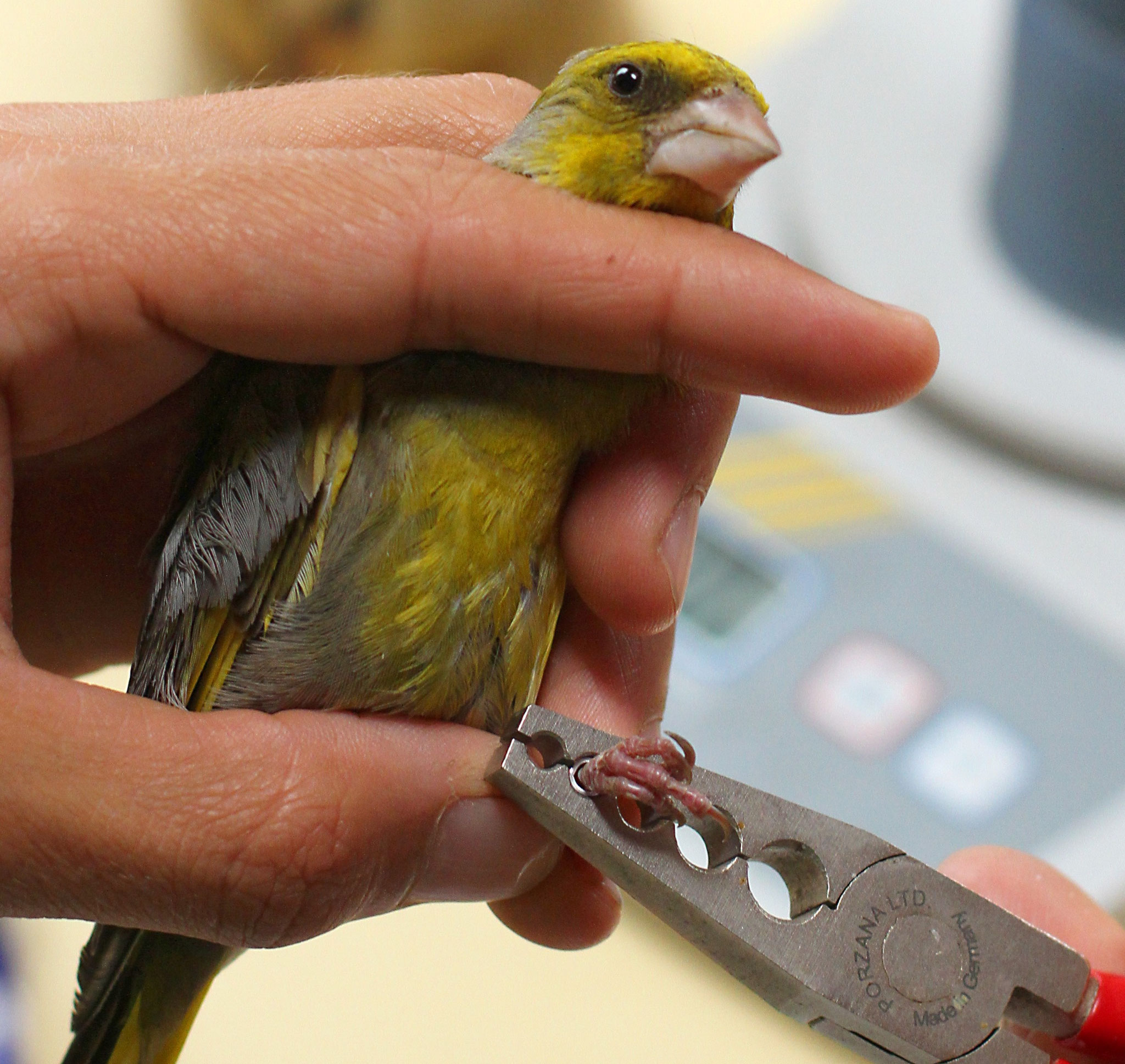
How loyal the animals are to these artificial oases is shown by the centerpiece of local scientific research: the association’s bird ringing station. Here, birds are recorded and ringed to scientifically document their migration routes, lifespans, and behaviors. Rainhard shares: "For example, we registered a tiny bird here back in 2009 that weighs just 11.4 grams and reliably enters our nets every single year. That proves they have their fixed breeding and resting place right here."
High-Tech Research and Looking Ahead
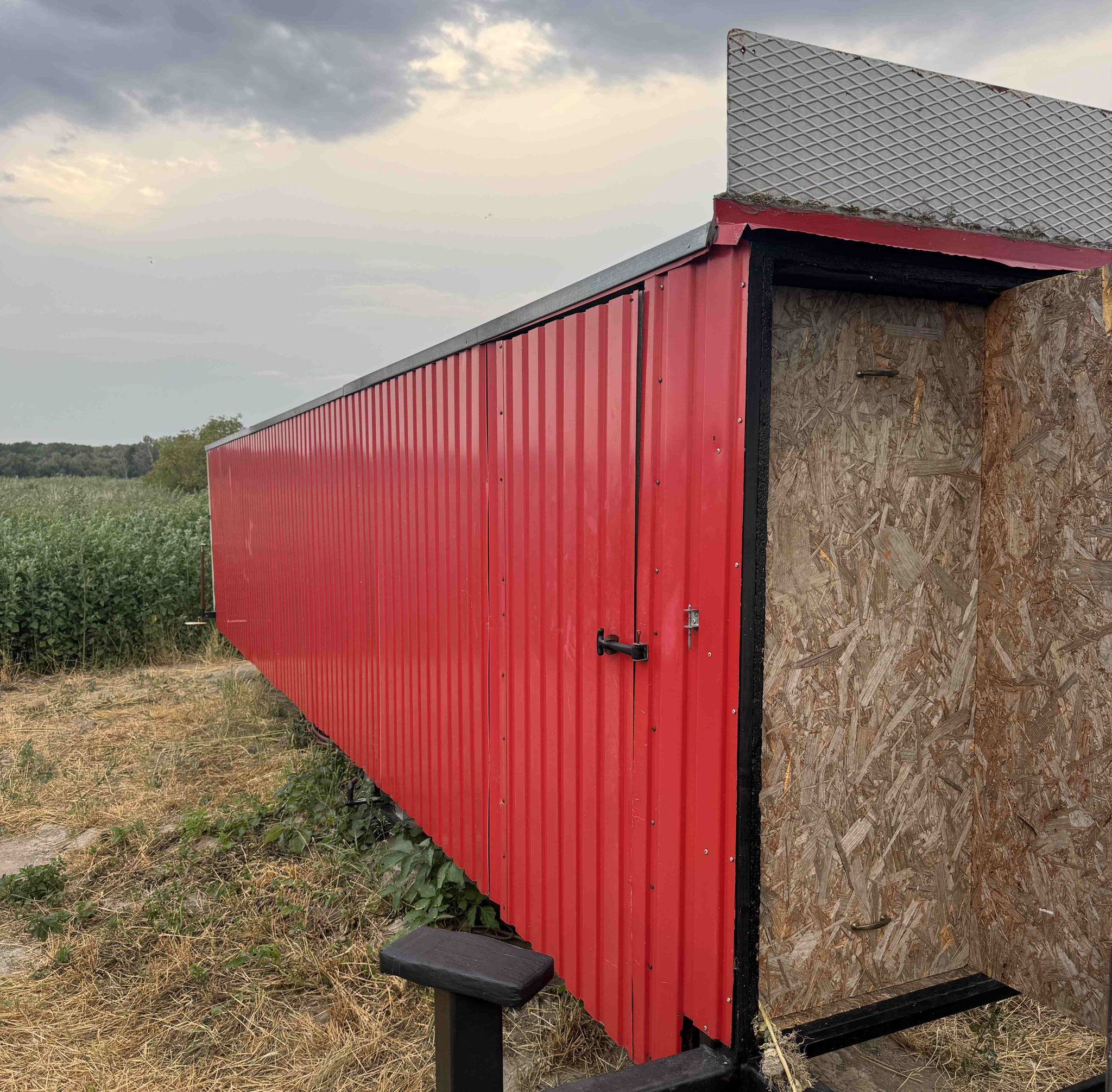
With equal expertise, he explains the flight tunnel, a red, roughly five-meter-long box hidden in a field in the floodplain meadows: here, the association is doing pioneering work in combating bird strikes on glass surfaces. In cooperation with the glass industry, research is being conducted on how to make window panes visible to birds. After experiments with lines and patterns, observations of UV-reflecting spiderwebs led to an innovative solution: minimalistic, reflective dots that are barely noticeable to the human eye, but are perceived as obstacles by birds. The newest tunnel is even mounted on a swivel to perfectly simulate real sunlight and reflections.
To ensure this knowledge does not remain solely within expert circles, Auring relies heavily on environmental education along the Green Belt as part of an EU-funded BESTbelt project in the tri-border region of Austria, the Czech Republic, and Slovakia: with trilingual hands-on activities, ranging from discovery days with storybook theater for kindergartens and primary schools to an in-house youth podcast, as well as multilingual offers and excursions for adults, the association conveys responsibility for this sensitive, cross-border habitat to all age groups.
Even though the technically supported "endless loop" at the cooling pond remains the core project of the association, people in Hohenau have long been looking beyond the horizon of the artificial basins. Today, the Auring association is actively involved in major cross-border renaturation projects. Within the framework of the "Re-Connect" project, the association supports the reconnection of a March oxbow lake near Hohenau. It is an attempt to give the river back a piece of its true, natural dynamics – decades after its ruthless straightening.
Photo: Bird Ringing – Association Auring
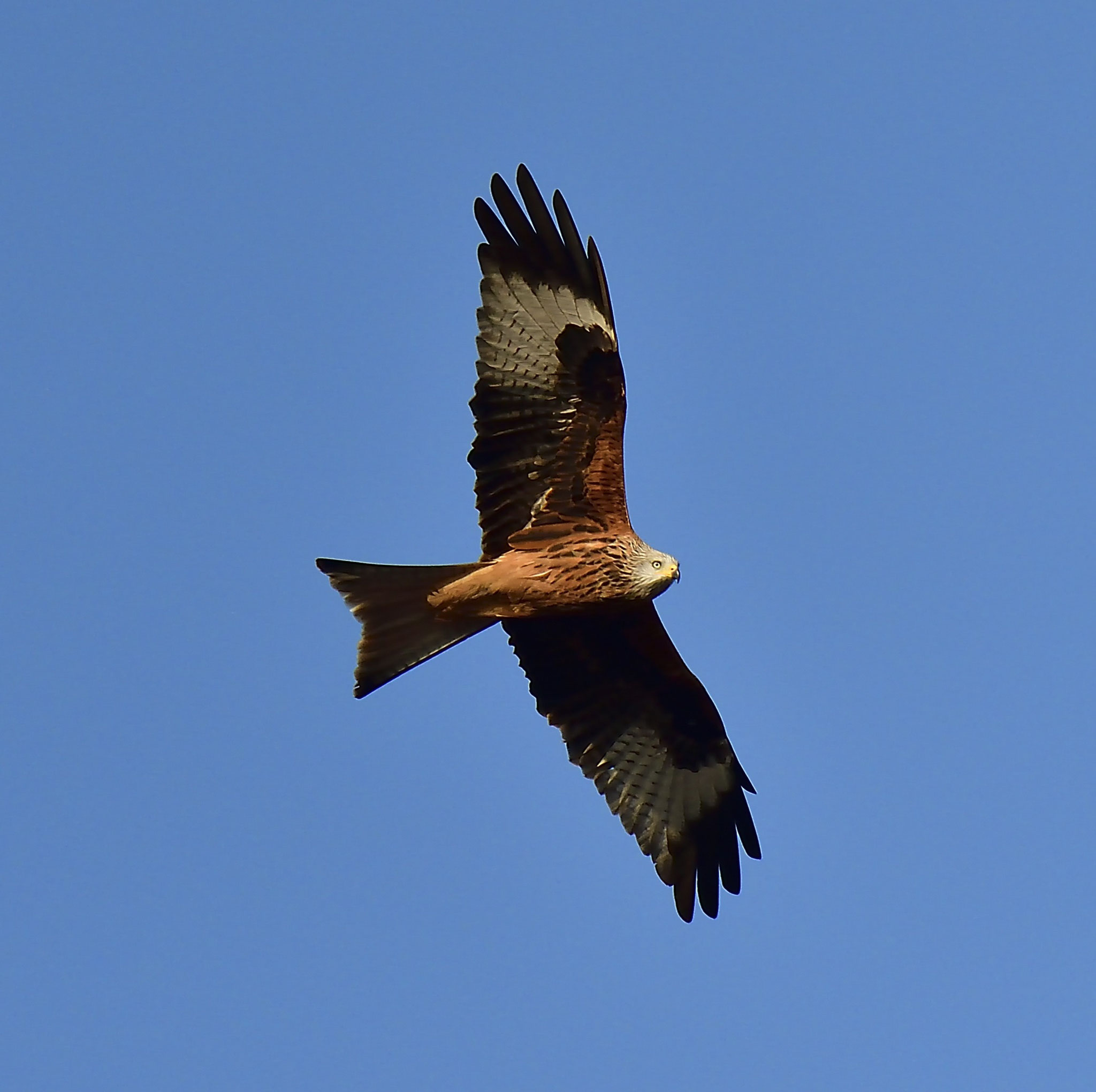
Photo: Red kite – Harmut Nüsken